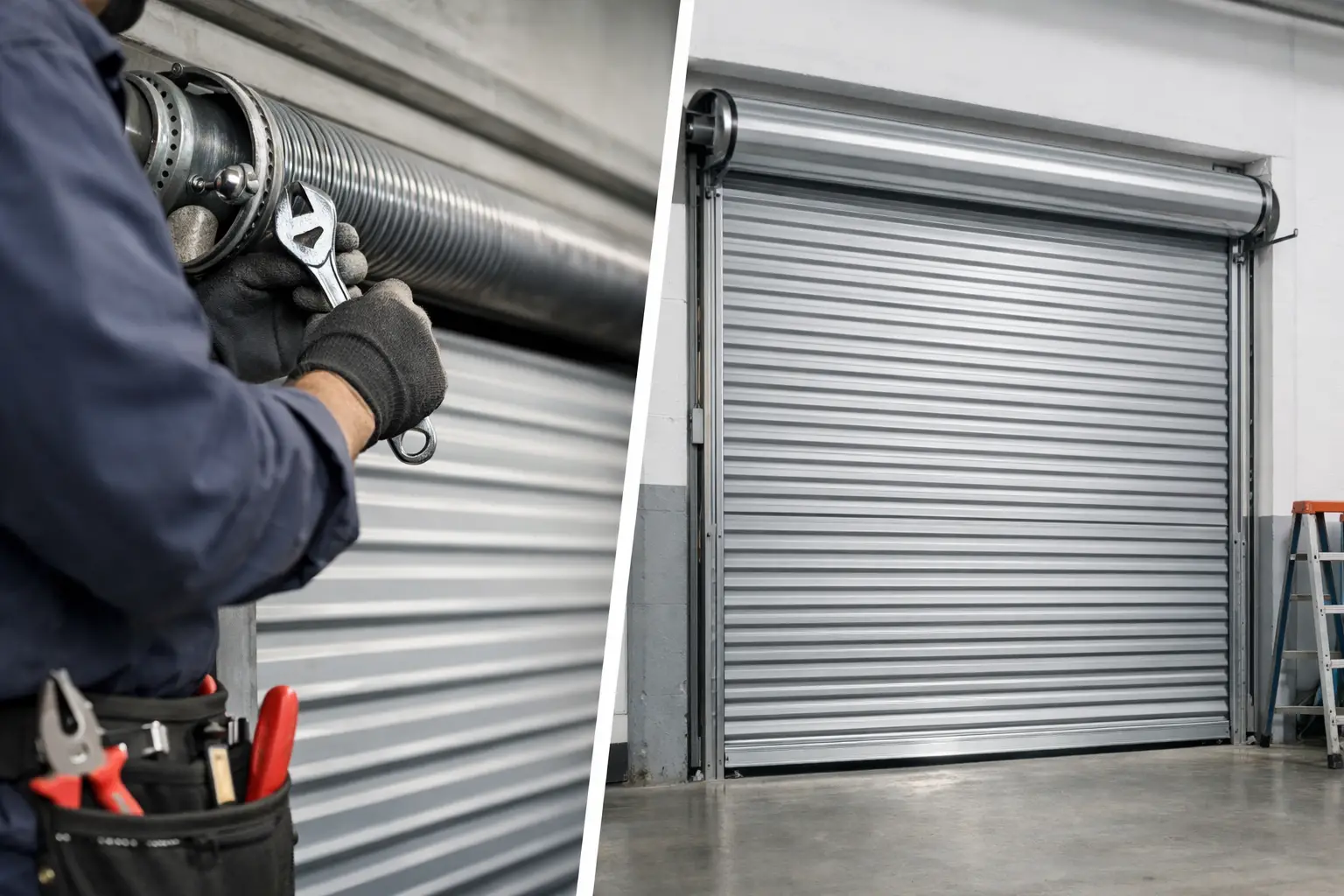
A roll up door usually picks the worst possible time to act up – right before you leave for work, during a delivery window, or when you need to lock up for the night. That is why roll up door service is less about convenience and more about security, safety, and keeping your day on track. When a door starts sticking, slamming shut, making harsh grinding sounds, or refusing to open at all, the real question is not just what broke. It is whether a repair will solve the problem or whether the system is telling you it is time for a replacement.
What roll up door service actually covers
Many people use the term loosely, but roll up door service can mean several different things depending on the property and the door type. In a home, it may involve a garage door with a rolling or sectional system, the tracks, springs, opener, cables, and safety sensors. In a commercial setting, it often refers to a steel rolling door or overhead system designed for frequent use, tighter security, and larger openings.
That difference matters because the service approach changes with the door. A homeowner dealing with a noisy, slow-moving garage door may need a spring adjustment, track alignment, or opener repair. A business owner with a damaged rolling steel door may be looking at curtain slat repair, chain hoist issues, motor problems, or a full replacement if the door has taken an impact.
The common thread is simple. A good service call should identify the root problem, explain the options clearly, and fix what makes sense without pushing work you do not need.
The signs you need roll up door service now
Some door problems are annoying but manageable for a few days. Others are safety issues that should be handled right away. If the door is off track, hanging unevenly, dropping too fast, or getting stuck halfway, it is time to stop using it until a professional inspects it.
The same goes for loud popping sounds, frayed cables, bent tracks, delayed opener response, or a motor that keeps running after the door stops moving. These issues tend to get worse, not better. A small spring problem can turn into a full system failure. A misaligned track can wear down rollers, strain the opener, and increase the chance of the door jamming at the worst moment.
For commercial properties, response time matters even more. A malfunctioning roll up door can interrupt deliveries, expose inventory, create a security problem, or slow down staff. When access is part of your daily operation, downtime costs more than the repair itself.
When repair makes sense
Repair is usually the right call when the door is structurally sound and the failed part is limited to a few components. Springs wear out. Rollers crack. Hinges loosen. Openers lose force settings or burn out after years of use. These are common problems, and in many cases they can be fixed quickly and affordably.
A good example is a door that still looks solid but has become noisy and jerky. If the panels are intact and the tracks are not badly damaged, replacing worn rollers, adjusting tension, and tuning the opener may restore smooth operation. The same goes for a door that reverses unexpectedly because of sensor alignment issues or debris in the track.
Repair also makes sense when the door is relatively new. If your system is only a few years old, replacement may be unnecessary unless there is major impact damage or a serious installation problem that keeps causing repeat failures.
The key is whether the repair solves the issue for the long term. If a technician is replacing one failed part inside an otherwise healthy system, that is money well spent. If the fix is only buying a few weeks before the next breakdown, it may not be.
When replacement is the smarter move
There are times when replacing the door or opener is the more practical and affordable decision over time. Age is one factor, but not the only one. A door can be old and still serviceable, or newer and already beyond a smart repair if it was damaged, installed poorly, or heavily used.
Replacement is often worth considering when the door has repeated breakdowns, significant rust, bent sections, track damage, or parts that are hard to source. The same applies when a commercial door has visible structural damage after an impact. You can repair a lot of things, but once the integrity of the door is compromised, safety becomes the deciding factor.
For homeowners, upgrading can also bring better insulation, quieter performance, and more reliable openers with modern safety features. For business owners, replacement may improve cycle performance, security, and day-to-day dependability. In both cases, the cheapest fix is not always the lowest-cost decision a year from now.
Why DIY is riskier than it looks
It is tempting to treat a stuck door like any other home repair, especially when the issue seems obvious. Maybe the remote stopped working. Maybe the track looks a little off. But roll up door systems carry heavy weight and high spring tension. That combination can turn a simple mistake into a serious injury fast.
Springs and cables are the biggest concern. They are under enough force to lift and lower a heavy door repeatedly. Improper handling can cause sudden release, damage to the door, or personal injury. Even smaller jobs, like replacing rollers or adjusting tracks, can go sideways if the door is not secured correctly.
There is also the issue of misdiagnosis. What looks like an opener failure may actually be a spring issue. What seems like a sensor problem may be caused by a warped track or worn hardware. A professional inspection usually saves time because it focuses on the real cause instead of guessing through symptoms.
What good service should look like
Not every service call is equal. A dependable company should inspect the full system, not just the part that failed first. Doors work as connected systems, so fixing one worn component without checking the others can leave you with another breakdown right around the corner.
You should also expect clear pricing, a straightforward explanation of the problem, and realistic advice about repair versus replacement. That means no scare tactics and no vague recommendations. If a repair is enough, the technician should say so. If replacement makes more sense, the reasons should be specific and easy to understand.
Speed matters too, especially when your car is trapped, your home cannot secure properly, or your business cannot open and close as it should. Local service has real value here. A team that knows the area and responds quickly can reduce stress and get the problem handled before it affects more of your day.
That practical, no-surprises approach is exactly what homeowners and small business owners tend to want from a company like Riggs Rescue AZ. Fast help, honest answers, and repairs that make sense.
Preventing emergency calls before they happen
Most emergency door failures start as smaller warning signs. Regular maintenance helps catch those problems early, before they lead to a stuck door, broken spring, or opener burnout. That does not mean every property needs an aggressive service schedule, but it does mean routine checks are worth it.
For residential doors, annual inspection is often enough unless the door gets unusually heavy use. For commercial doors, service frequency depends on cycle count, door size, and the role the door plays in daily operations. A warehouse door used constantly will need more attention than a storage bay that opens a few times a week.
Basic maintenance includes checking spring wear, tightening hardware, inspecting rollers and hinges, testing balance, confirming opener function, and making sure safety features respond properly. Lubrication helps, but it is not a cure-all. If a door is binding, sagging, or drifting out of alignment, lubrication alone will not solve the real issue.
Choosing the right fix for your property
The best answer depends on the age of the system, how often it is used, how severe the damage is, and what you need the door to do every day. A family garage door and a commercial roll up security door do not have the same demands, so they should not be evaluated the same way.
If you are dealing with one isolated failure, repair is often the smart move. If the problems keep piling up, or the door no longer feels safe and dependable, replacement may be the better investment. Either way, the goal is the same – restore secure, reliable access without wasting money on the wrong fix.
A roll up door should open when you need it, close when you tell it to, and stay out of your way the rest of the time. If yours is no longer doing that, the most helpful next step is a professional inspection and an honest recommendation you can trust.

Leave a Reply