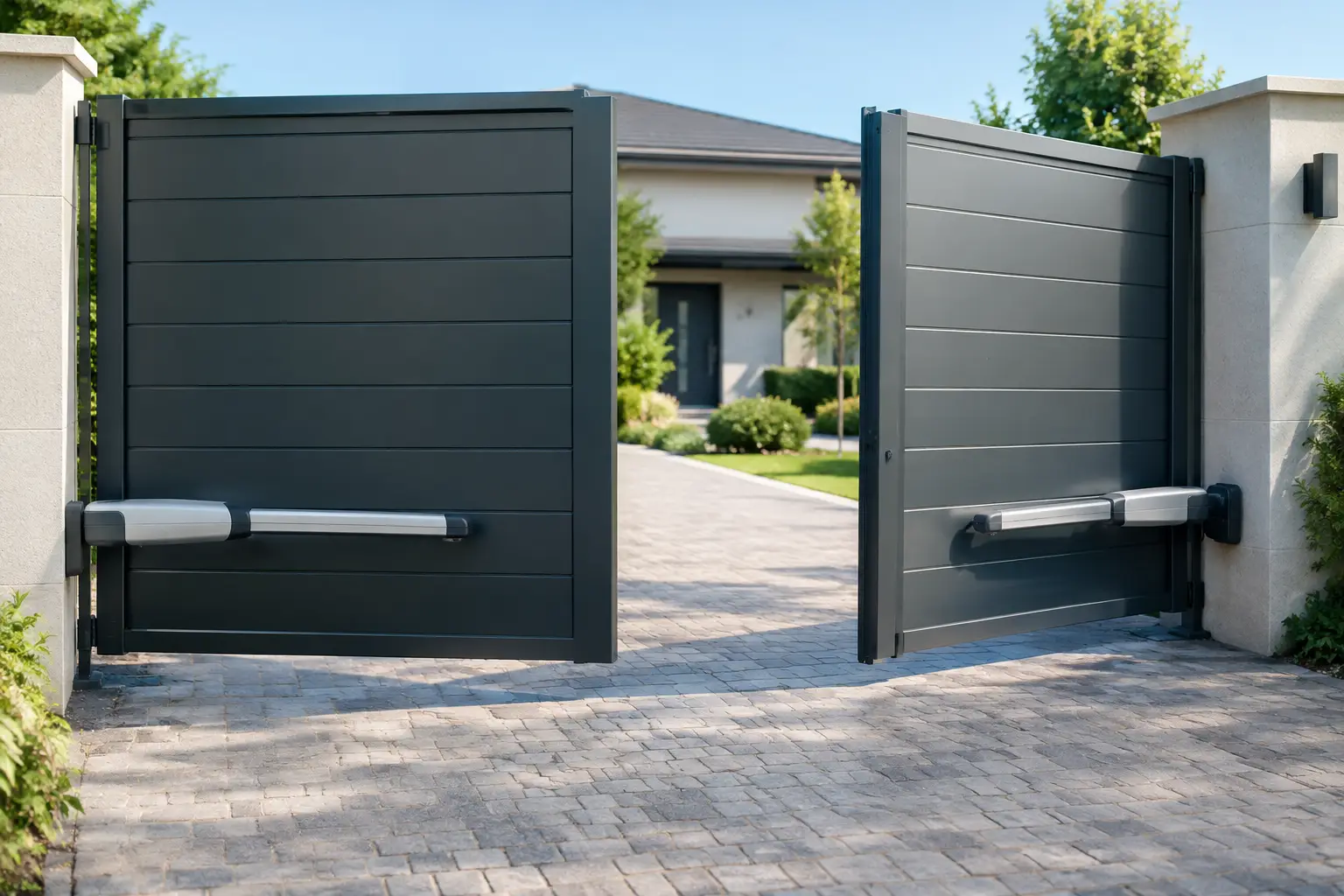
A gate that makes you step out of the car in 110-degree heat stops feeling like a security feature and starts feeling like a daily hassle. So, are automatic gates worth it? For many Arizona homeowners and small business owners, the answer is yes – but only when the gate is properly designed, installed, and maintained for the way the property actually operates.
An automatic gate can add convenience, privacy, curb appeal, and controlled access. It can also create frustration if the opener is undersized, the safety equipment is ignored, or the gate style does not fit the driveway. The right decision is less about buying the most expensive system and more about choosing a dependable setup with clear expectations for cost and upkeep.
What You Really Get From an Automatic Gate
The biggest benefit is simple: you control access without leaving your vehicle. That matters when you are coming home late, carrying kids or groceries, managing a busy delivery schedule, or trying to protect a commercial yard after hours. A remote, keypad, phone-based controller, or vehicle sensor can open the gate quickly while keeping the entrance secured.
For homes, automatic gates often improve privacy and create a stronger sense of separation from the street. They can be especially useful for properties with long driveways, corner lots, pools, pets, or frequent visitors. A gate is not a replacement for good locks, lighting, cameras, or common sense, but it does add another meaningful layer of access control.
For small businesses, the value can be even more direct. A properly selected commercial gate helps limit unauthorized vehicle access, protect equipment, guide traffic, and establish clear operating hours. Contractors, storage yards, multifamily properties, and service businesses often need more than a chain and padlock at the end of the day.
There is also the everyday convenience factor. Once people get used to opening a gate from the driver’s seat, they rarely want to go back. That convenience is real, but it should not be the only reason to invest. The system still needs to work reliably when temperatures climb, monsoon winds hit, and multiple people use it every day.
Are Automatic Gates Worth It When You Add Up the Cost?
They can be, but the answer depends on the gate itself, the operator, the site conditions, and the level of access control you need. A basic residential swing gate with a dependable operator will generally cost less than a heavy sliding driveway gate with a keypad, safety loops, photo eyes, battery backup, and decorative metalwork. Commercial systems often cost more because they are expected to handle heavier gates and more frequent cycles.
It helps to think beyond the initial installation price. Your long-term cost includes maintenance, occasional repair, remote replacements, batteries, sensors, and eventual operator replacement. A gate system has moving parts, electrical components, and safety devices. Like a garage door, it performs best when small issues are handled before they become a no-access problem.
The cheapest quote is not always the affordable option. An operator that is too small for a heavy gate may work at first, then wear out early. A gate installed without proper drainage or support can sag, drag, and put extra strain on the motor. Skipping safety devices may reduce the upfront bill, but it can create serious safety and liability concerns later.
A good installer should explain what is included, what may cost extra, and why a certain operator fits your gate. No surprises is the goal. If you are comparing estimates, make sure you are comparing the same scope of work, not just the bottom line.
The Gate Type Makes a Major Difference
A swing gate opens inward or outward on hinges, much like a large door. It can be an attractive choice for residential properties, but it needs enough clear space to travel safely. It may not be practical on a steep driveway or a property where a gate could swing into traffic.
Sliding gates move sideways along the fence line or track. They are often a strong option when driveway space is limited or when a larger opening is needed. However, they need room beside the opening, solid support, and a clear path free of rocks, debris, and landscape growth.
Cantilever gates are a type of sliding gate that do not run on a ground track. They are common in commercial settings because they can handle uneven surfaces and heavy use when installed correctly. They also typically require more side room and a more substantial structural setup.
The gate material matters, too. Decorative steel, aluminum, wood, and composite designs all have different weights and maintenance needs. A beautiful gate that is too heavy for its operator will not deliver the trouble-free experience you expect.
Safety Is Not an Optional Upgrade
Automatic gates must be treated as moving equipment, not just a convenience accessory. A gate can cause injury or property damage if it closes on a person, pet, vehicle, or object. Professional installation and functioning safety equipment are essential.
Depending on the system, safety features can include photo eyes, edge sensors, vehicle loops, warning devices, and properly placed controls. The gate should reverse or stop when it detects an obstruction, and controls should be positioned so users are not standing in the gate’s path. Children should never play on, climb on, or ride a gate.
Arizona weather adds its own challenges. Dust can interfere with sensors. Monsoon debris can block a sliding path. Heat can expose worn wiring, weak batteries, and tired components. Regular inspection catches problems such as loose hardware, damaged rollers, frayed wiring, and gates that no longer move smoothly.
If a gate begins reversing unexpectedly, grinding, moving slowly, stopping halfway, or failing to respond consistently, do not keep forcing it. A minor alignment or sensor issue can turn into an operator failure if the system is repeatedly pushed past its limits.
When an Automatic Gate May Not Be the Best Fit
An automatic gate is not automatically the right answer for every driveway. If your property has very limited space, poor vehicle approach angles, unstable posts, or a gate opening that puts cars too close to a public street, the project may require design changes before automation makes sense.
It may also be more than you need if your main goal is visual privacy and the gate will only be used occasionally. A quality manual gate with a dependable latch could be the smarter, lower-maintenance choice in that situation.
For businesses, consider traffic volume honestly. A light-duty operator may be fine for a small office with a few daily entries. It is not the right choice for a busy lot with employees, vendors, deliveries, and service vehicles cycling through all day. The operator must match the gate weight, length, and expected number of daily cycles.
Power access is another practical question. Most automated systems need electrical service, though solar options can work well in the right location. Battery backup is worth considering if access during a power outage is a priority. Your installer should also provide a clear plan for manual release, so you are not locked in or out when power or equipment fails.
How to Make the Investment Pay Off
Start by defining how people will use the entrance. Do you need access for family members, guests, delivery drivers, employees, tenants, or large service vehicles? Will you want a keypad, remotes, a phone app, intercom communication, or timed opening schedules? Selecting controls after the gate is installed can be more complicated than planning them from the beginning.
Then choose durability over unnecessary extras. A correctly sized operator, quality hinges or rollers, stable posts, proper safety devices, and clean electrical work matter more than flashy features. Schedule periodic service as well. Keeping the gate aligned and the hardware moving freely protects the operator, which is usually the most expensive component to replace.
For property owners in Gilbert, Chandler, Mesa, Queen Creek, and nearby East Valley communities, working with a local gate professional also helps when fast service is needed. You want someone who can explain the repair in plain language, give you honest options, and get the entrance operating safely without hidden fees.
A well-planned automatic gate should make your property easier to use, not harder to manage. Before choosing one, stand at your driveway or entrance during the busiest part of the day and picture every person and vehicle that needs to get through. That simple exercise usually makes the right gate, operator, and access controls much clearer.

Leave a Reply