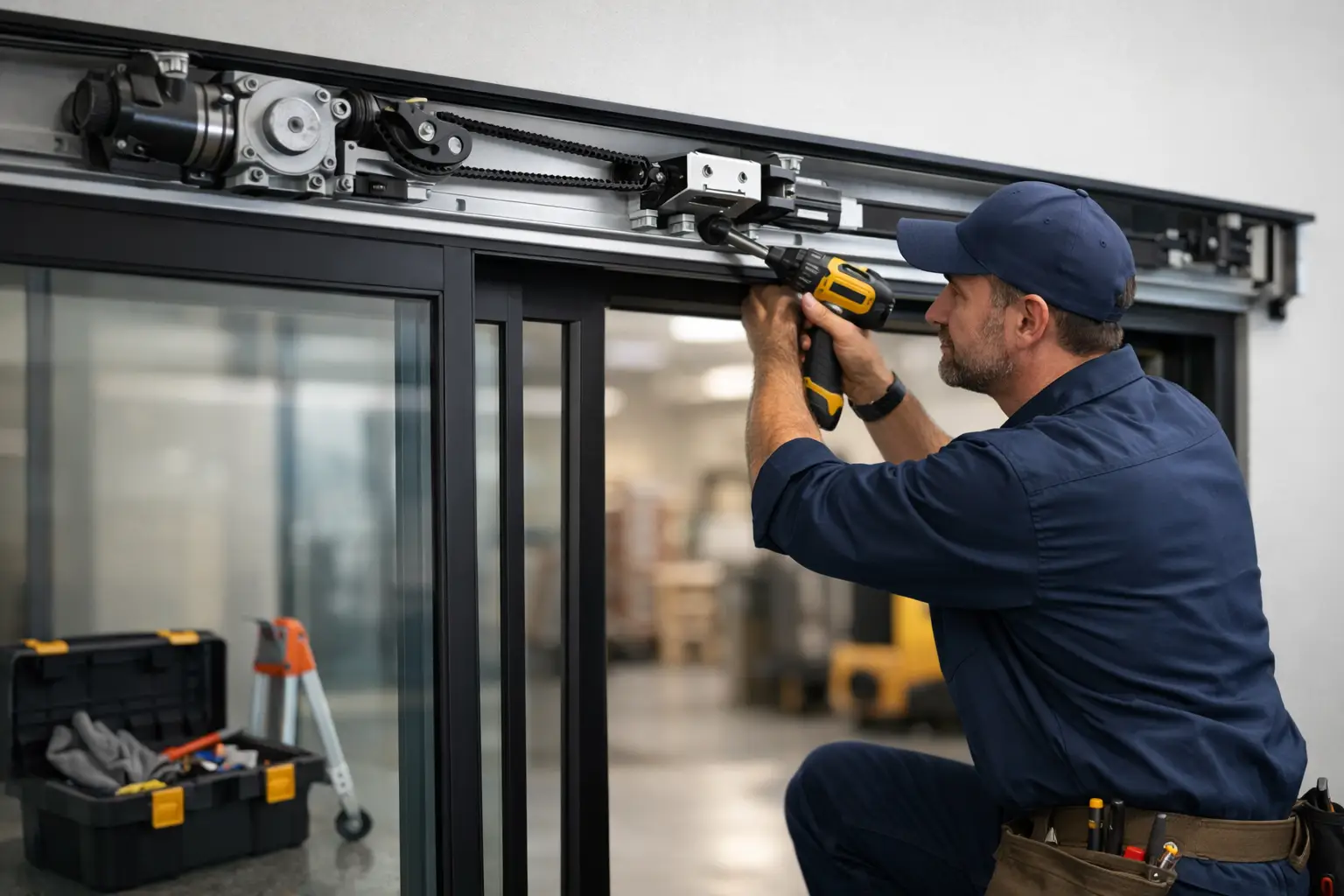
A commercial door that hesitates, slams shut, or will not close at the end of the day can disrupt far more than a delivery schedule. It can leave inventory exposed, create a safety risk for employees, and cost your business time you did not plan to lose. Regular commercial door maintenance gives you a chance to catch those problems while they are still small, scheduled repairs instead of urgent service calls.
For businesses in Gilbert, Mesa, Chandler, and across the East Valley, heat, dust, frequent use, and seasonal weather can all wear down garage doors, rolling doors, gates, and access systems. A maintenance plan is not about fixing what is already broken. It is about keeping the door dependable when your team, tenants, customers, or deliveries need it most.
Why Commercial Door Maintenance Pays Off
Commercial doors work harder than most people realize. A warehouse overhead door may cycle dozens of times a day. A service bay door may open before sunrise and remain in use until closing. Even a smaller storefront, storage facility, or property gate depends on moving parts, safety devices, and access controls that need to work together correctly.
When a door is neglected, wear tends to build quietly. Rollers can become rough, hinges can loosen, cables can fray, and opener components can strain to compensate. By the time the door becomes loud or unreliable, a minor adjustment may have turned into a larger repair.
Planned service helps control costs because it lets you make decisions before the problem becomes an emergency. It also reduces the chance of a door failing during a busy shift, blocking a loading area, or leaving a building unsecured overnight. The exact maintenance schedule depends on the type of door, how often it operates, and the environment around it, but most active commercial systems benefit from professional inspection at least once or twice a year.
What a Professional Commercial Door Inspection Covers
A proper inspection should look at the entire operating system, not just the panel that moves up and down. Commercial doors carry significant weight and use high-tension parts, so trained service matters. Trying to adjust springs, cables, or counterbalance systems without the right experience can be dangerous.
Door Sections, Tracks, and Hardware
Technicians inspect the door panels for dents, damage, loose fasteners, and alignment concerns. They also check tracks, rollers, hinges, brackets, and bearings for wear. A bent track or failing roller can force the door to run unevenly, which adds stress to the opener and can eventually stop the system altogether.
Loose hardware is especially common on frequently used doors. Vibration from daily operation can slowly back out bolts and fasteners. Catching that early helps preserve proper alignment and prevents excessive strain on other components.
Springs, Cables, and Counterbalance Systems
The counterbalance system is what allows a heavy commercial door to lift in a controlled way. Springs, cables, drums, and shafts all need to be in good condition and correctly adjusted. A door that feels unusually heavy, rises unevenly, or drops too quickly should be inspected right away.
There is a trade-off here: extending the use of worn components may seem like the lower-cost choice, but it can put more pressure on the entire system. Replacing a failing cable or worn spring before it breaks is usually easier on your budget and far less disruptive to your operation.
Openers, Controls, and Safety Features
Commercial operators need more than enough power to move the door. They need to respond correctly to wall controls, remote devices, keypads, access systems, and safety sensors. During maintenance, a technician should test the opener’s travel limits, force settings, emergency release, photo eyes, warning devices, and reversing function.
If your business uses keypad entry, card access, vehicle remotes, or integrated gate controls, those systems deserve attention too. A door that is mechanically sound but cannot be accessed by authorized staff is still a business interruption.
Seals, Weatherstripping, and Bottom Fixtures
Arizona dust can find its way through surprisingly small gaps. Worn bottom seals and perimeter weatherstripping can allow dust, pests, heat, and water into a workspace. They also make it harder to maintain a comfortable indoor temperature, especially in a garage, warehouse, or service area.
Weather seals are not the most expensive part of a commercial door, but they have an outsized effect on cleanliness and energy use. If you notice daylight around a closed door or see dust collecting near the opening, it is worth addressing.
Warning Signs Your Business Should Not Ignore
A commercial door does not need to be completely stuck before it needs service. Pay attention to changes in how it sounds, moves, or responds. Grinding, squealing, banging, or scraping noises often point to worn rollers, bearings, hardware, or alignment issues.
Slow movement, jerking, uneven lifting, or a door that stops before fully opening are also warning signs. So are frayed cables, sagging sections, visible gaps in springs, damaged panels, and a door that will not stay closed. If the safety sensors fail, the opener reverses unpredictably, or employees have started using workarounds to get the door operating, schedule service as soon as possible.
For fire-rated commercial doors, damaged labels, altered hardware, or changes to the closing operation can create additional concerns. These doors have specific performance requirements, so repairs and inspections should be handled by a qualified professional who understands the application.
Simple Checks Your Team Can Make Between Visits
Your staff can help spot developing issues without taking on risky repairs. A quick visual walk-around each week can reveal damage, loose hardware, debris in the tracks, or worn weatherstripping. Keep the track area clear of pallets, tools, packaging, and anything that could interfere with the door’s travel.
It is also helpful to listen as the door operates. A familiar door has a familiar sound. When that sound changes, do not wait months to see whether it gets worse. Report it and have it checked.
Avoid spraying random lubricants on every component. Some products attract dust and grime, which can make problems worse in Arizona conditions. A professional can apply the correct lubricant in the right places and identify parts that need adjustment or replacement rather than more lubrication.
Employees should also know the basics of safe use. Do not stand or walk beneath a moving door, do not pull on cables, and do not force a door that is binding or off track. If a door is damaged, stop using it until it has been evaluated. A temporary inconvenience is better than an injury or a much larger repair.
Build a Maintenance Schedule Around Your Operation
There is no one-size-fits-all schedule. A lightly used storage door may need annual service, while a busy automotive shop, warehouse, or loading facility may benefit from inspections every six months or more often. Exposure matters too. Doors that face direct sun, wind, dust, or frequent monsoon rain can require more attention than protected interior doors.
Start by documenting each commercial door, its type, approximate age, daily cycle count, and any past repairs. This gives you a clearer picture of where failures are most likely to occur. It also helps you plan replacement instead of repeatedly investing in a system that no longer fits your operation.
A good service provider should explain what they found, show you the condition of worn parts when possible, and separate urgent safety repairs from recommendations that can be planned later. Clear options matter. You should not feel pressured into replacing a door when a targeted repair will safely restore it, and you should not be left guessing when replacement is the more practical long-term choice.
Protect Access Before It Becomes an Emergency
Your commercial door is part of how your business moves, secures property, and serves customers. Treating maintenance as a routine operating expense helps prevent the expensive surprises that come with an unexpected breakdown. Riggs Rescue AZ can inspect commercial garage doors, operators, and gate access systems with straightforward guidance and service built around your schedule.
The best time to address a noisy, slow, or inconsistent door is before it becomes the reason your team cannot open for business. A quick professional check now can keep your next workday moving the way it should.

Leave a Reply