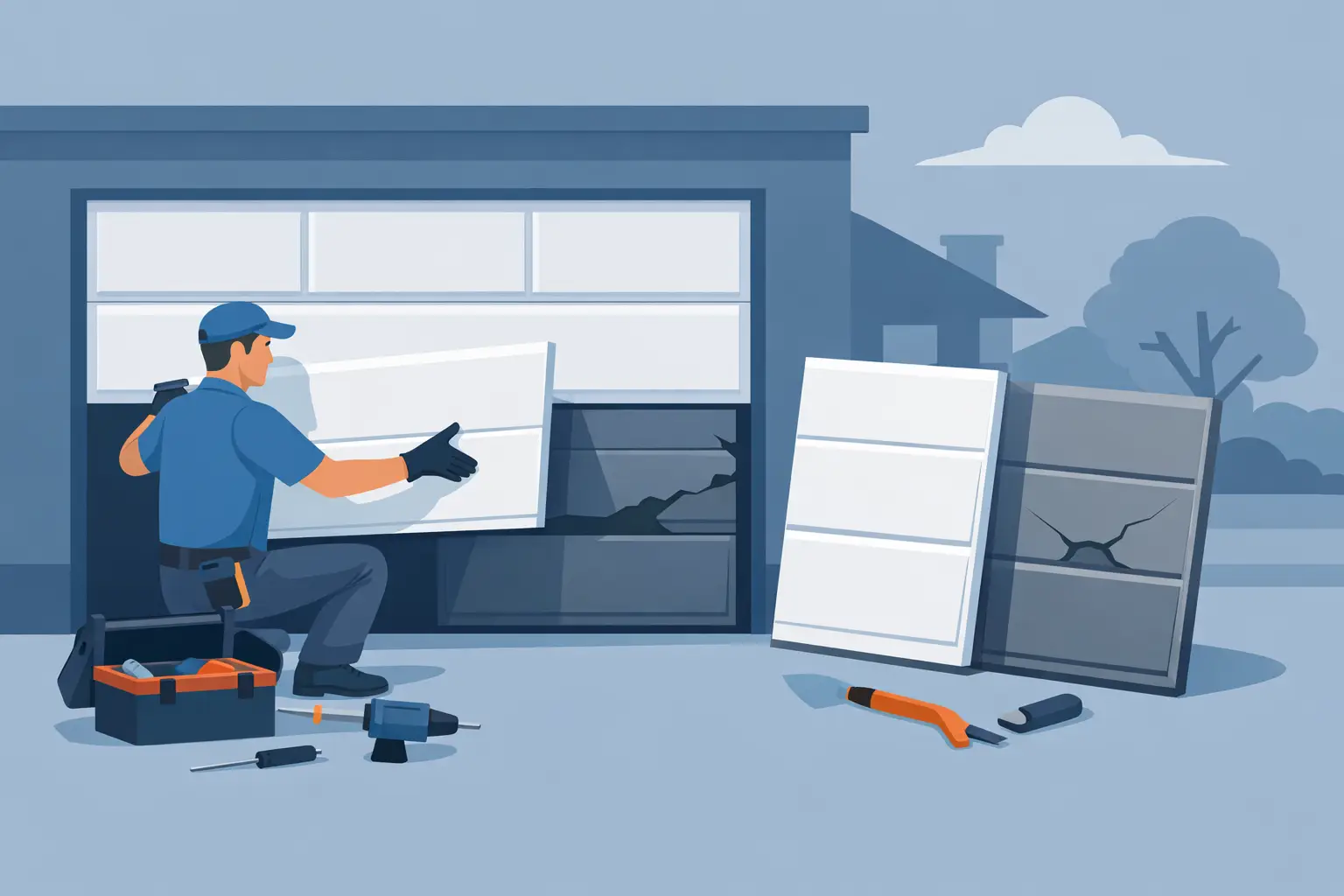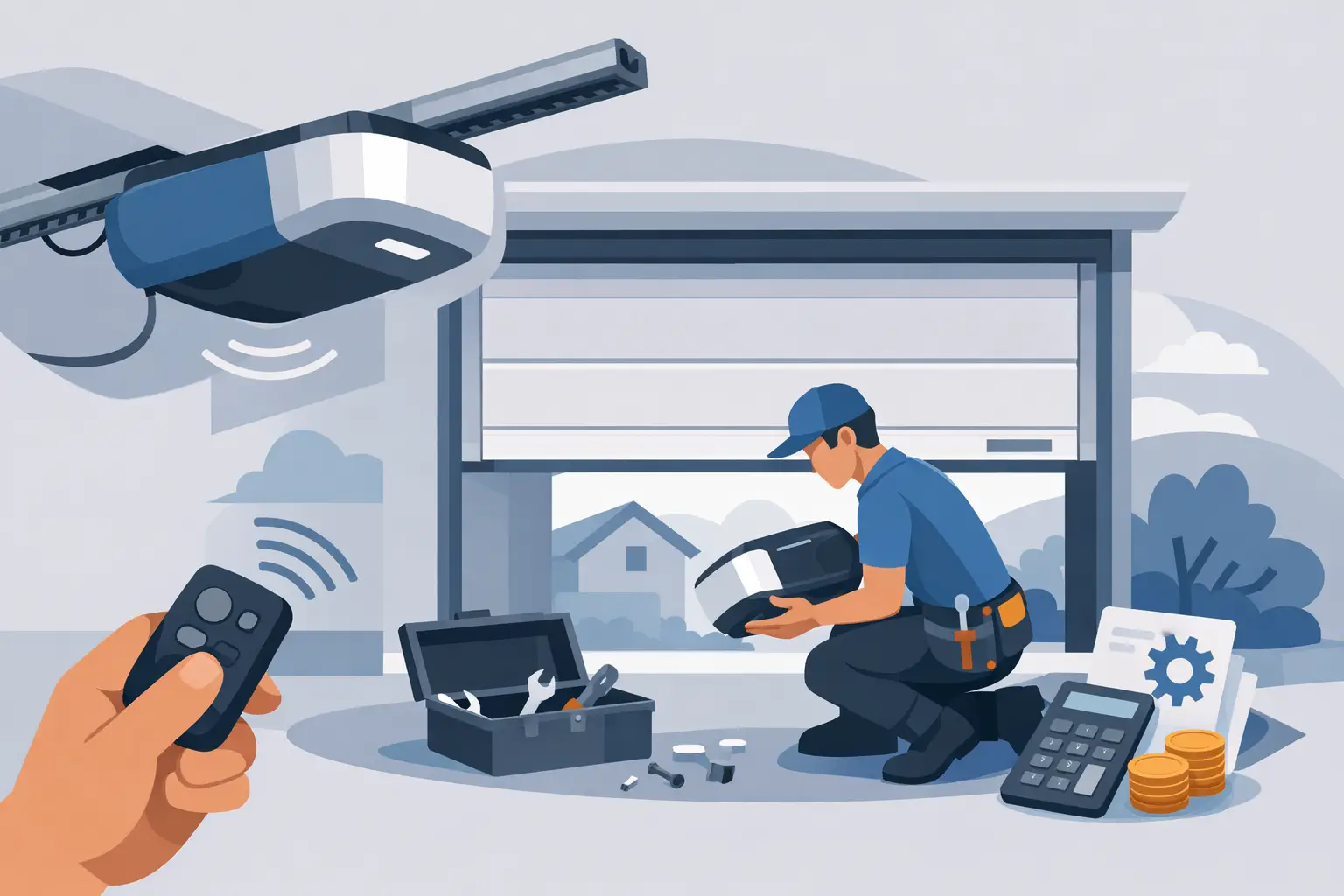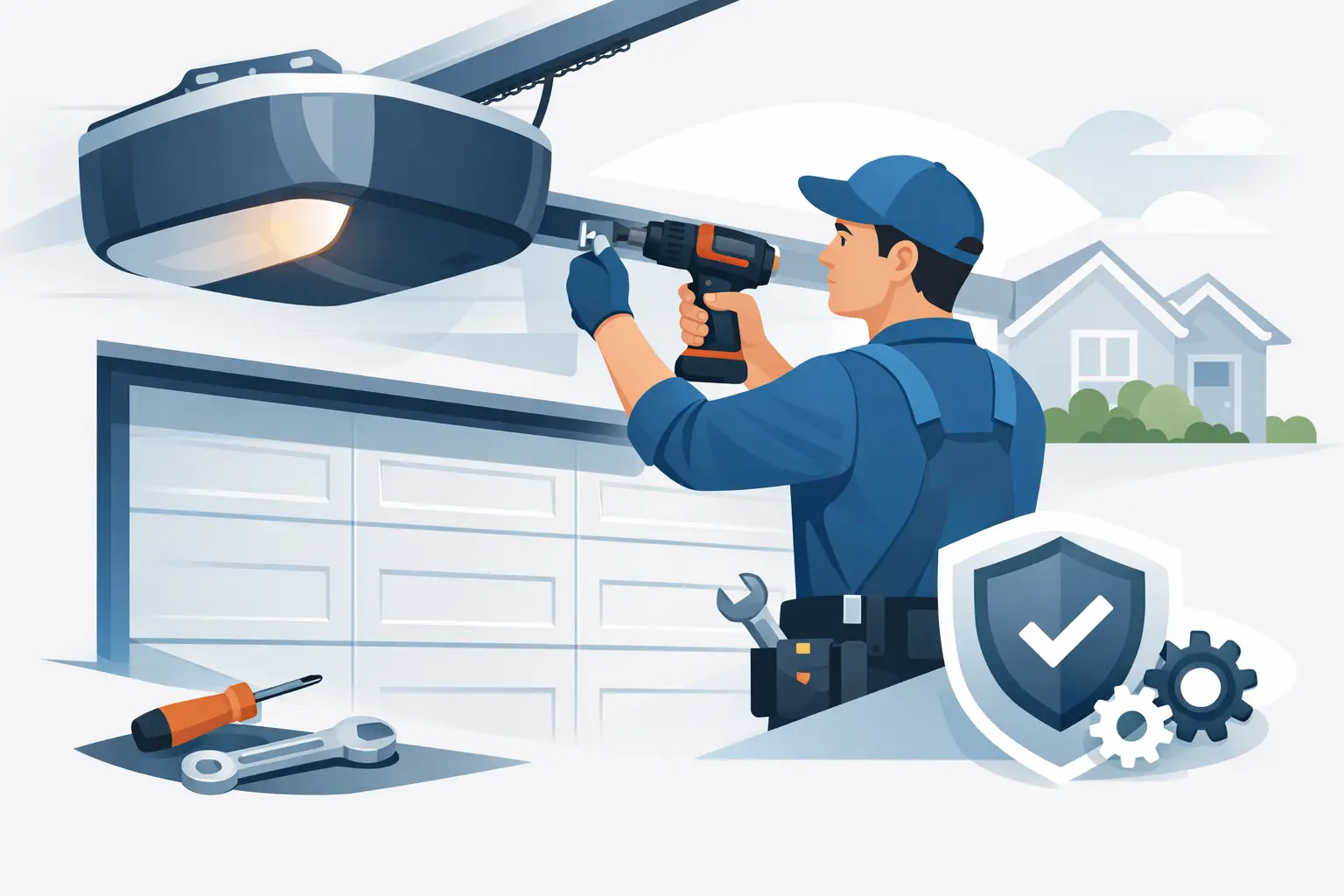
Category: Uncategorized

  • Garage Door Maintenance Checklist

    Garage Door Maintenance Checklist

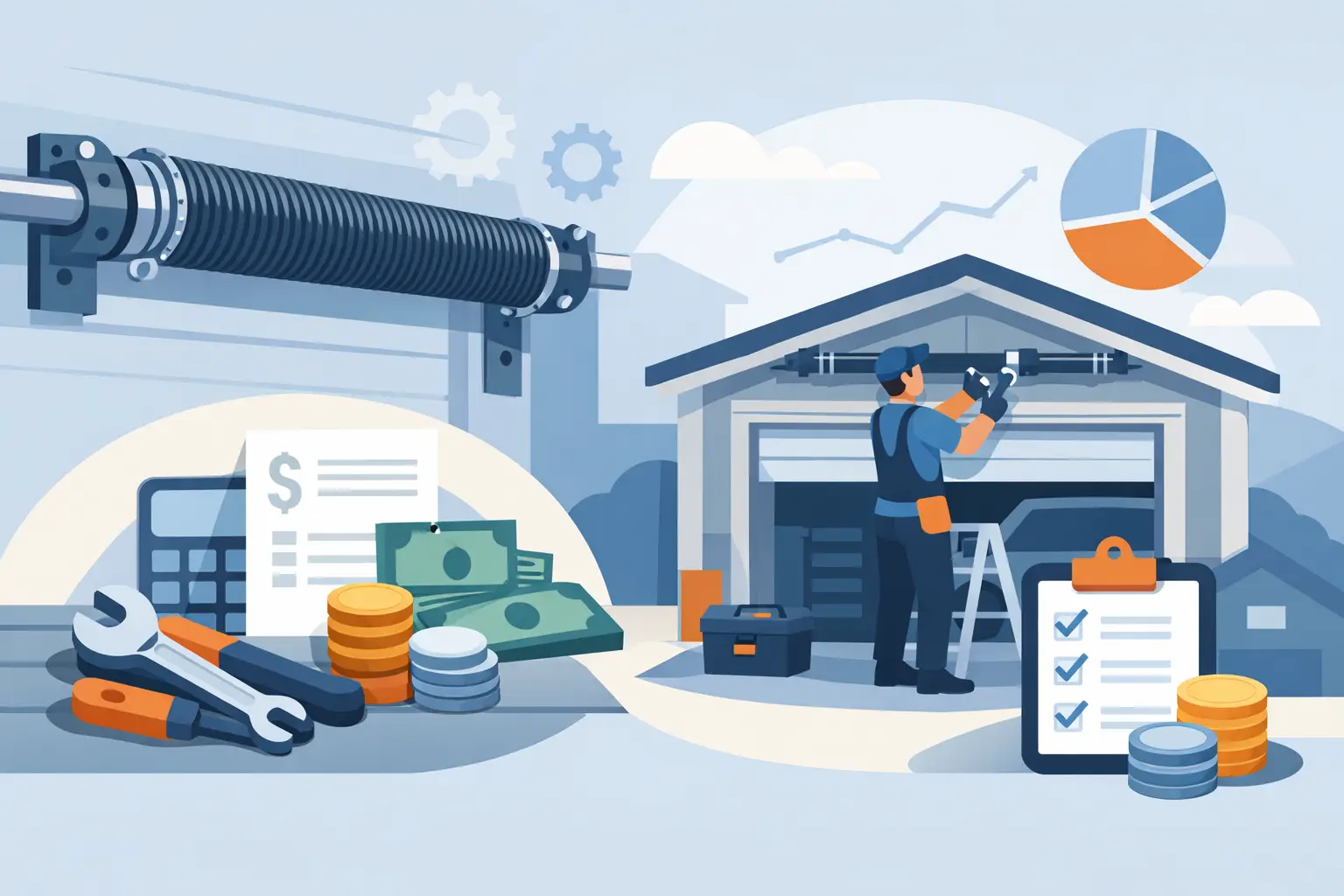
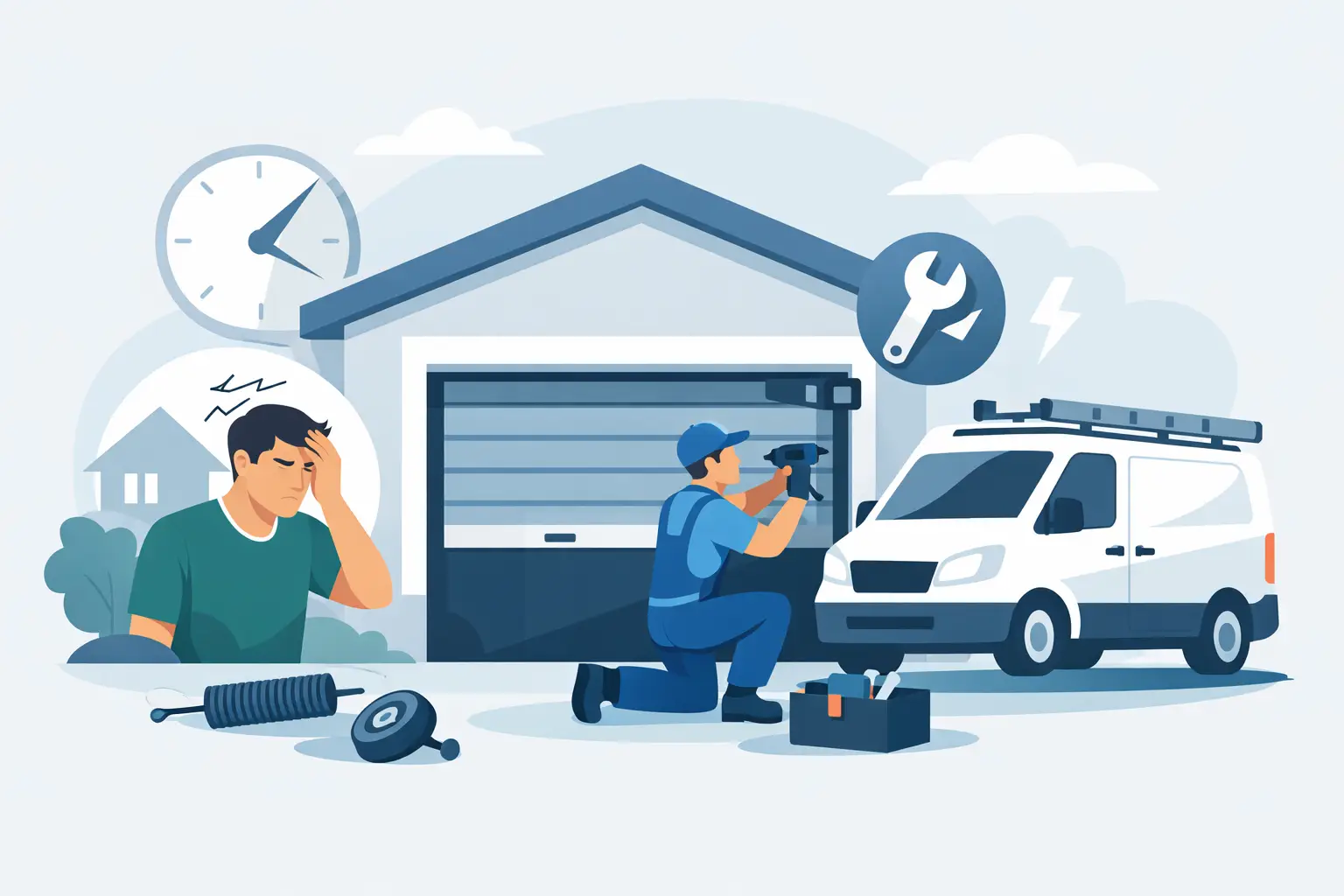
    That grinding sound usually starts small. A little shake, a slower close, a remote that works only sometimes – and suddenly your garage door is the part of the house you do not trust. A solid garage door maintenance checklist helps you catch those warning signs early, before they turn into a broken spring, a stuck door, or a safety issue.

    In Arizona, garage doors take a beating. Heat, dust, wind, and heavy daily use can wear down rollers, loosen hardware, dry out moving parts, and strain openers faster than many homeowners expect. The good news is that basic upkeep is simple if you know what to watch, what you can safely handle yourself, and when it is smarter to call a pro.

    Why a garage door maintenance checklist matters

    Most people do not think about their garage door until it stops working. That makes sense – it is one of those systems you expect to open and close without drama. But your garage door is also one of the largest moving parts in your home, and it depends on springs, cables, tracks, rollers, hinges, sensors, and an opener all working together.

    When one part starts slipping, the rest of the system often picks up the strain. A noisy door might seem minor, but sometimes that noise means rollers are wearing out or hardware is backing loose. A door that feels heavy could point to spring trouble. Ignoring small issues usually leads to bigger repair bills later.

    For business owners, the stakes can be even higher. A commercial door that does not open on time can affect deliveries, security, and daily operations. Regular maintenance is not just about convenience. It helps protect safety, property, and your schedule.

    Your garage door maintenance checklist

    The best checklist is practical, not complicated. You do not need a toolbox full of specialty gear. You just need a careful eye, a little time, and enough caution to leave high-risk repairs to trained technicians.

    Start with a visual inspection

    Before touching anything, stand inside the garage with the door closed and look at the full system. Check the springs, cables, rollers, hinges, and tracks. You are looking for obvious wear such as frayed cables, bent track sections, rust, cracked rollers, or loose brackets.

    If you spot a broken spring or damaged cable, stop there. Those parts are under high tension and are not safe for DIY repair. That is a service call, not a weekend project.

    Listen during operation

    Open and close the door a few times and pay attention to how it sounds and moves. A healthy door should move fairly smoothly without jerking, popping, scraping, or excessive rattling. Some sound is normal, especially with older steel doors, but a sudden change in noise is worth taking seriously.

    If the door hesitates, slams shut, reverses for no reason, or shakes more than usual, there may be an issue with balance, track alignment, rollers, or the opener settings.

    Tighten visible hardware

    Garage doors move up and down multiple times a day, and that vibration can gradually loosen nuts, bolts, and brackets. Use a socket wrench to gently tighten visible hardware on hinges and roller brackets. Do not overtighten and do not adjust anything attached to springs or cables.

    This is a small step, but it can make a real difference in reducing rattling and preventing extra wear.

    Clean the tracks, but do not grease them

    Tracks should be clear of dirt, dust, and debris. In the Gilbert and Phoenix area, desert dust builds up fast, so this matters more than many people realize. Wipe the tracks with a dry or slightly damp cloth and remove buildup that could interfere with roller movement.

    What you do not want to do is coat the tracks with heavy grease. That often attracts more dirt and makes things worse. The rollers need to move freely, but the tracks themselves should stay mostly clean and dry.

    Lubricate moving parts

    This is one of the most helpful items on any garage door maintenance checklist. Use a garage-door-safe lubricant on metal rollers, hinges, bearings, and springs if the manufacturer recommends it. Avoid thick grease and avoid spraying the track.

    A proper lubricant can reduce noise, lower friction, and help parts last longer. It is a quick job, but it only helps if you use the right product and apply it lightly.

    Test the door balance

    Disconnect the opener using the emergency release cord when the door is closed. Then lift the door by hand to about halfway and let go carefully. A properly balanced door should stay in place or move only slightly.

    If it drops quickly or shoots upward, the spring tension may be off. That is not something to adjust on your own. An unbalanced door puts extra strain on the opener and can become a safety risk.

    Check the auto-reverse safety feature

    Your garage door opener should reverse if it meets resistance. To test this, place a solid object like a piece of lumber flat on the floor in the door’s path. Close the door. When it touches the object, it should reverse promptly.

    If it does not, stop using the door until the opener is inspected. This is one of the most important safety features in the entire system.

    Test and clean the photo-eye sensors

    The small sensors near the bottom of the door tracks prevent the door from closing if something is in the way. Make sure both sensor lenses are clean and facing each other. Dust, cobwebs, and slight bumps can knock them out of alignment.

    If your door starts closing and then reverses, the sensors are one of the first things to check. Sometimes a quick cleaning fixes it. Sometimes alignment or wiring is the real issue.

    Inspect the weather seal

    Look at the bottom seal and the perimeter weather stripping around the door. Cracks, gaps, or brittle material can let in dust, water, pests, and hot air. In Arizona, worn seals can also make your garage less energy efficient and harder to keep clean.

    Replacing weather seal is often straightforward, depending on the door style. If the seal is badly worn or the retainer is damaged, professional help may save time and frustration.

    Check the opener and remote performance

    If the opener strains, hums without moving the door, or responds inconsistently, do not ignore it. Start with the basics. Replace remote batteries, make sure the wall control works, and check whether the opener light flashes an error code.

    Sometimes the problem is simple. Sometimes it points to a worn gear, travel limit issue, logic board problem, or a door that is too heavy because of spring trouble. The opener is often blamed first, but it is not always the root cause.

    What homeowners can do and what should stay off-limits

    Basic inspection, light cleaning, sensor checks, lubrication, and tightening accessible hardware are reasonable DIY tasks for many homeowners. These steps help you stay ahead of wear without taking unnecessary risks.

    Spring repairs, cable repairs, track realignment, bottom bracket work, and anything involving major tension adjustments should be left to trained technicians. That is not scare talk. Those parts can cause serious injury if handled incorrectly.

    The line is simple: if the repair affects the force that lifts the door, treat it as professional work.

    How often should you use this checklist?

    For most homes, a full check every six months is a smart schedule. If your garage door is your main entrance, gets used several times a day, or is exposed to a lot of dust and heat, quarterly checks make more sense.

    For small businesses and commercial properties, maintenance frequency depends on traffic. A lightly used commercial door may do fine with routine scheduled service, while a busy facility may need more frequent inspections to avoid downtime.

    Signs it is time to call for service

    Even with regular upkeep, some problems need fast attention. If your door is crooked, moves unevenly, closes too hard, gets stuck halfway, makes loud snapping noises, or has a visible broken spring, stop using it if possible.

    If you want a local team to take a closer look, Riggs Rescue AZ can inspect the system, explain what is going on in plain language, and recommend the most cost-effective fix. That is usually the best move when you are deciding whether you are dealing with normal wear or the start of a bigger failure.

    A garage door does not need much attention to stay reliable, but it does need some. A few careful checks now can save you from the kind of problem that always seems to happen when you are already late, already tired, or trying to close up for the day.
  • Garage Door Cable Repair: What to Do Fast

    Garage Door Cable Repair: What to Do Fast

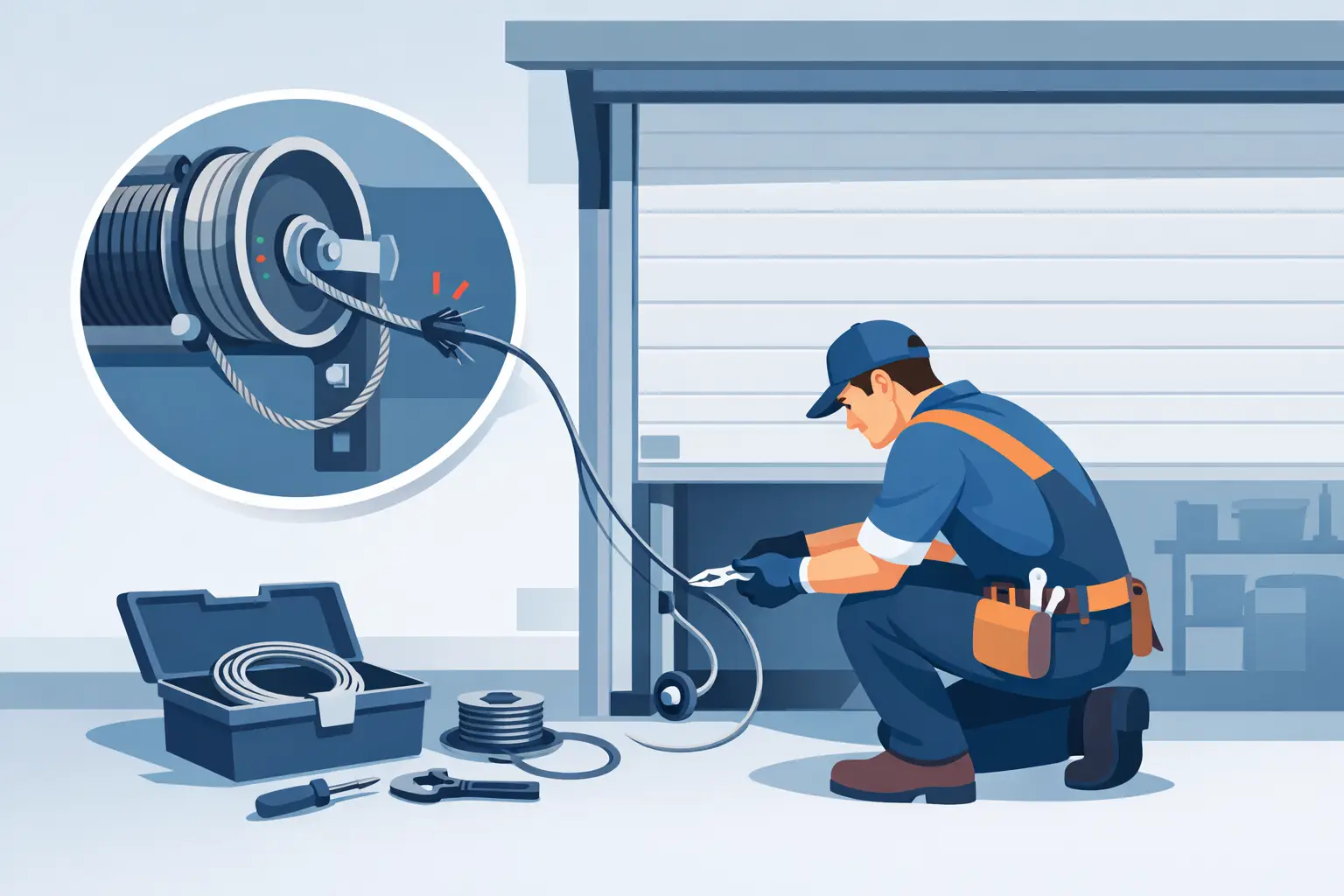
    A garage door that suddenly hangs crooked, slams shut, or refuses to open smoothly usually does not need a long diagnosis. In many cases, the problem comes down to the cables. When you need garage door cable repair, speed matters – not just for convenience, but for safety.

    Cables help carry the door’s weight as it opens and closes. They work alongside the springs, drums, and tracks to keep everything balanced. When a cable frays, slips, or snaps, the whole system can get unstable fast. That is why this is one of those garage door problems that should not be ignored or pushed off until the weekend.

    Why garage door cables matter so much

    Most homeowners do not think about cables until something goes wrong. That makes sense. They are not the most visible part of the system, but they do a big job every day.

    Garage door cables are under high tension and help control the movement of a very heavy door. If one cable fails, the door can lift unevenly, jam in place, or drop harder than it should. In some situations, the opener keeps trying to pull the door, which puts extra strain on other parts and can lead to more expensive damage.

    For business owners, the risk is not just mechanical. A malfunctioning door can disrupt deliveries, limit access, and create a security issue. For homeowners, it can trap vehicles inside the garage or leave the home exposed if the door will not close properly.

    Common signs you may need garage door cable repair

    Some cable problems are obvious. Others start small and get worse over time. If you catch them early, you may prevent damage to the door, opener, or track system.

    The door looks crooked

    If one side of the garage door sits lower than the other, a cable may have slipped off the drum or broken. This is one of the clearest warning signs. Stop using the door right away.

    You see fraying or loose strands

    Cables do not usually fail without warning. Frayed strands, rust, or visible wear are signs the cable is near the end of its life. At that stage, continued use is risky.

    The door slams shut or feels heavy

    If the door suddenly closes harder than normal or feels unusually heavy when operated manually, the cable and spring system may no longer be supporting the weight correctly.

    The opener strains or the door gets stuck

    A struggling opener is not always an opener problem. If the cables are damaged, the opener may sound louder than usual, hesitate during travel, or stop altogether.

    The cable comes off the drum

    Sometimes the cable does not snap, but it unwinds from the drum near the top corner of the door. That can happen after a door jams, a roller comes off track, or tension gets thrown off elsewhere in the system.

    What causes cable damage

    Wear and tear is the most common reason. Garage doors open and close thousands of times over the years, and cables take on that workload every cycle.

    Age is part of it, but it is not the only factor. Rust can weaken the steel, especially if moisture gets into the garage. Poor maintenance, misaligned tracks, damaged rollers, and worn springs can all put extra stress on the cables. In some cases, a cable problem is really a symptom of a larger balance issue.

    That is why a proper repair should not stop at replacing the cable alone. The full system needs to be checked so the new part is not being asked to work under bad conditions.

    Can you use the garage door with a broken cable?

    The short answer is no.

    If a cable is broken or off the drum, do not keep running the opener to force the door open or closed. That can twist the door, bend the track, damage panels, or burn out the opener. More importantly, it can create a serious safety hazard if the door drops unexpectedly.

    If the door is stuck open, keep people clear of the area and avoid standing under it. If the door is closed, leave it closed until it can be inspected. It is frustrating, especially when you are trying to get out the door, but this is one repair where caution saves money and trouble.

    Is garage door cable repair a DIY job?

    This is where honest guidance matters. Some home repairs are reasonable to tackle yourself. Garage door cable repair usually is not one of them.

    The cables are tied into a high-tension system that includes springs and drums. One wrong move can cause sudden release of force. That can lead to injury or make the damage much worse. Even if someone manages to install a cable, improper tension or alignment can leave the door unsafe and unreliable.

    There are minor maintenance steps a homeowner can handle, like watching for wear, keeping the area around the tracks clear, and scheduling service when something looks off. But if the cable is broken, loose, or has jumped the drum, professional repair is the safer choice.

    What a professional cable repair should include

    A good garage door cable repair is not just a quick swap. It should start with identifying why the cable failed in the first place.

    Inspection of the full door system

    The technician should check the springs, drums, rollers, tracks, brackets, and opener. If one part is causing uneven tension, simply replacing the cable may only solve the problem for a short time.

    Correct cable replacement and tensioning

    The new cable has to match the door’s size and weight requirements. It also needs to be installed with proper tension so both sides of the door move evenly.

    Balance and safety testing

    Once the repair is complete, the door should be tested for smooth movement, proper balance, and safe opener function. This step matters because a door can look fixed while still operating under strain.

    Clear pricing before the work starts

    Nobody likes surprise charges during a repair visit. Transparent pricing and clear recommendations make a stressful situation much easier to deal with.

    Repair or replace?

    It depends on the condition of the rest of the system.

    If the cables are worn but the springs, rollers, and tracks are in good shape, repair is often the most cost-effective option. If the door has multiple failing parts, is badly out of balance, or has older hardware throughout, replacement of related components may make more sense.

    For example, if a cable broke because a spring is worn out, replacing only the cable may not solve the root problem. The best recommendation should be based on safety, expected lifespan, and total value – not just the cheapest short-term fix.

    How to reduce the chance of future cable problems

    Regular maintenance goes a long way. You do not need to overcomplicate it, but you do want to stay ahead of wear.

    Watch the door as it opens and closes. If it starts moving unevenly, making new noises, or hesitating, get it checked early. Do not wait until the cable fails completely. Periodic professional tune-ups can catch fraying, rust, loose hardware, and balance issues before they turn into an urgent repair.

    In Arizona, dust, heat, and heavy daily use can all add stress to garage door systems over time. A little preventive attention usually costs less than an emergency call after the door stops working.

    When fast local service makes the biggest difference

    Cable issues rarely happen at a convenient time. It is often early in the morning, right before work, or at the end of the day when you need the door to close and secure the property. That is why local response time matters.

    Homeowners and business owners in Gilbert, Chandler, Mesa, Queen Creek, San Tan Valley, and Phoenix are usually not looking for a complicated explanation. They want someone who can show up, diagnose the issue correctly, explain the options clearly, and get the door working safely again without games on pricing.

    That is the kind of service we believe in at Riggs Rescue AZ. Fast, reliable, and affordable help should feel straightforward.

    If your garage door is crooked, stuck, or showing signs of cable wear, treat it like the safety issue it is. The sooner it is addressed, the better the outcome tends to be – for your door, your schedule, and your peace of mind.

  • Garage Door Off Track Repair Basics

    Garage Door Off Track Repair Basics

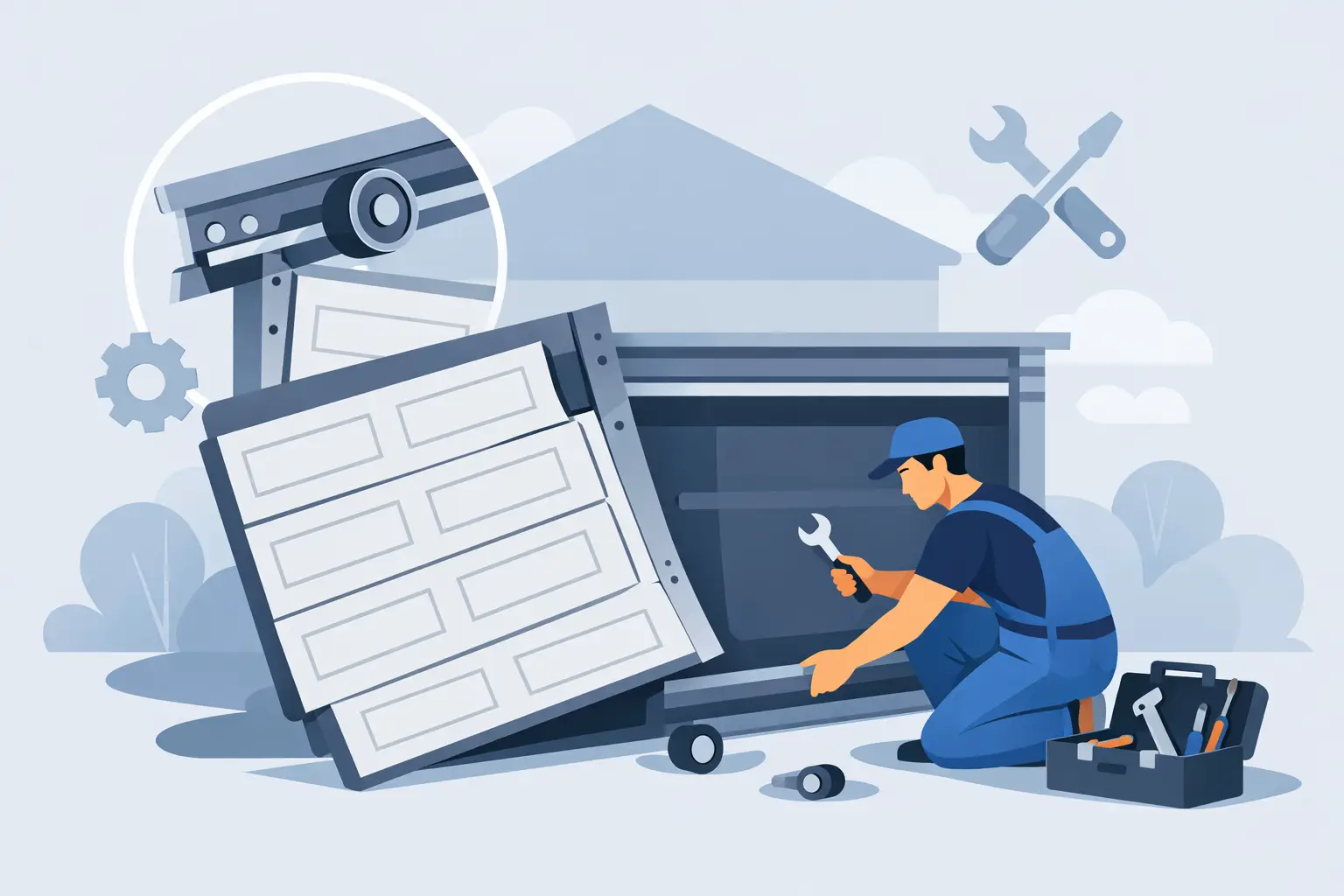
    A garage door that jumps the track rarely fails quietly. One side hangs lower than the other, the rollers look twisted, the opener strains, and suddenly a door you use every day feels unsafe to touch. If you are dealing with garage door off track repair, the first priority is not getting the door moving again fast – it is preventing the damage, and the danger, from getting worse.

    In many cases, an off-track door starts with something small. A roller wears down, a bracket loosens, the door bumps an object on the floor, or a bent track goes unnoticed for weeks. Then one rough cycle is all it takes. What looks like a simple alignment problem can quickly turn into a stuck door, damaged panels, a burned-out opener, or a door that falls harder than expected.

    What garage door off track repair usually involves

    When a garage door comes off track, it means one or more rollers have slipped out of the metal track that guides the door up and down. Sometimes the roller is completely outside the track. Other times it is hanging awkwardly inside a bent section, which is why the door looks crooked or jams halfway.

    Proper garage door off track repair is rarely just a matter of forcing the roller back in place. The real job is figuring out why it came off in the first place. If the track is bent, the door may derail again. If the lift cables are uneven, one side of the door may keep pulling harder than the other. If a hinge or roller stem is damaged, the problem can repeat even after the door appears straight.

    That is why a professional repair normally includes more than repositioning the door. It can involve checking track alignment, inspecting rollers and hinges, confirming cable condition, tightening hardware, testing balance, and making sure the opener was not damaged during the failure.

    Common reasons a garage door goes off track

    In Arizona homes and small commercial properties, a few causes show up over and over.

    One of the biggest is impact. A trash can, ladder, bike tire, storage bin, or even the bumper of a vehicle can nudge the lower section of the door or the track enough to create misalignment. The damage may look minor at first, but repeated use makes it worse.

    Worn rollers are another common issue. Rollers do not last forever, and once they begin to chip, crack, or drag, they stop moving smoothly through the track. That extra friction can cause the door to bind and jump.

    Loose hardware also matters more than most people think. Garage doors move with vibration every day. Over time, bolts, brackets, and hinges can loosen, especially on older doors or doors that have not had routine maintenance.

    Cable issues can pull the whole system out of shape. If one lifting cable slips, frays, or winds unevenly, one side of the door may rise differently from the other. That uneven force is a common setup for a track problem.

    Then there is track damage itself. Tracks can bend from impact, bad installation, or normal wear. Even a small twist can prevent the roller from staying seated where it should.

    Signs you should stop using the door right away

    Some garage door problems can wait a day or two. An off-track door is usually not one of them.

    If the door looks crooked, one side is lower than the other, or you can see a roller outside the track, stop operating it. The same goes if the door is jerking, scraping, making popping sounds, or only opening a few inches before binding. If the opener is working harder than normal, that is also a warning sign.

    People sometimes try to force one more cycle because they need to get a car out or secure the garage for the night. That is understandable, but it is often what turns a manageable repair into a larger one. A door that is off track can bend panels, snap hardware, or drop unexpectedly if the system is under tension.

    For businesses, the risk is not just damage to the door. A malfunctioning commercial door can interrupt deliveries, employee access, and daily operations. Quick service matters because downtime costs money.

    Can you fix an off-track garage door yourself?

    This is the part where honest guidance matters. It depends on how severe the problem is, but most off-track repairs are not good DIY projects.

    Garage doors are heavy. Their springs and cables are under significant tension. Even if the issue seems limited to one roller, the force in the system can make a simple adjustment dangerous for someone without the right tools and training.

    A homeowner may be able to do a few safe first steps: stop using the opener, keep children and pets away from the area, and visually check whether something obvious is blocking the track. But trying to bend track back by hand, disconnect parts under load, or force the roller into place can lead to injury or bigger repair costs.

    There are exceptions. If the door is very lightly misaligned and the system is otherwise in good shape, a trained technician may complete the fix quickly. But that is the point – a trained technician can also tell the difference between a small correction and a deeper safety issue.

    What a professional repair visit should include

    A solid service call should feel clear and straightforward, not rushed or confusing.

    First, the technician should inspect the full door system, not just the section where the roller slipped. That includes the tracks, rollers, hinges, cables, springs, brackets, and opener connection. Off-track doors often have a root cause that needs to be corrected before the door is safe again.

    Next comes stabilizing and resetting the door. Depending on the damage, that may involve loosening track sections, repositioning rollers, replacing damaged parts, or realigning the system so the door moves evenly.

    After that, the door should be tested for balance and travel. A door that opens and closes smoothly by hand is a good sign. The opener should also be checked, because strained operation can wear down gears and internal components.

    Finally, you should get clear guidance on what was repaired, what condition the remaining parts are in, and whether any preventive maintenance would help avoid another service call soon. No surprises is the goal.

    When repair is enough and when replacement makes more sense

    Not every off-track door needs to be replaced. In many cases, a prompt repair gets the system back to safe, reliable operation without a major bill.

    Repair usually makes sense when the track can be realigned, the panels are intact, and the damage is limited to rollers, hinges, cables, or hardware. If the opener is still healthy and the door structure is sound, fixing the system is often the most affordable option.

    Replacement becomes more likely when the panels are badly bent, the track damage is extensive, the door has come off track multiple times, or several major components are worn out at once. At that point, repeated repairs can start costing more than a smarter upgrade.

    For older doors, it also comes down to reliability. If you are already dealing with noisy operation, frequent breakdowns, and outdated safety features, replacement may be the better long-term value.

    How to reduce the chances of another off-track problem

    A little attention goes a long way with garage doors.

    Keep the area around the tracks clear so nothing bumps the door during travel. Listen for changes in sound, because grinding, scraping, or uneven movement usually starts before a full failure. If the door looks shaky or jerky, do not wait for it to fix itself.

    Routine maintenance helps more than most people expect. Rollers, hinges, brackets, and cables all wear gradually. Catching a loose bracket or worn roller early is much less expensive than dealing with an emergency call after the door derails.

    This is especially true for households that use the garage as the main entrance and for small businesses that rely on overhead doors every day. More cycles mean more wear. Regular checkups keep minor issues from turning into urgent ones.

    If you are in Gilbert or the surrounding East Valley and want fast, honest help, Riggs Rescue AZ is built around exactly that kind of service – quick response, clear pricing, and practical repair recommendations that put safety first.

    Why speed matters with garage door off track repair

    An off-track garage door is one of those problems that tends to get worse with delay. A roller out of place can chew up the track. A crooked door can stress the opener. A cable under uneven load can fail without much warning.

    Fast service is not just about convenience. It protects the rest of the system and lowers the odds of a bigger repair later. The right fix restores safe operation, but it also gives you peace of mind that the door will not surprise you the next time you hit the opener.

    If your garage door is leaning, stuck, or clearly out of alignment, trust what you are seeing. Stop using it, keep the area clear, and get it looked at before a bad day turns into a dangerous one.

  • Garage Door Panel Replacement: What to Know

    Garage Door Panel Replacement: What to Know

    A dented garage door panel can make your whole property look rough, but appearance is usually not the real problem. In many cases, garage door panel replacement becomes urgent because the damage starts affecting how the door moves, seals, and handles daily use. One bent section can throw off alignment, strain the opener, and turn a small repair into a bigger bill if it gets ignored.

    For homeowners and small business owners in the East Valley, that usually leads to one practical question: can you replace one panel, or do you need a whole new door? The honest answer is, it depends on the age of the door, the extent of the damage, and whether a matching panel is still available.

    When garage door panel replacement makes sense

    If the damage is limited to one or two sections and the rest of the system is in good shape, garage door panel replacement can be the smart move. This is often the case after a low-speed bump from a vehicle, a basketball hit in the driveway, storm-related damage, or wear that affects a single section more than the others.

    A panel replacement is usually worth considering when the tracks are still straight, the springs and cables are working properly, and the door is not excessively old. If the structure of the door remains sound, replacing a damaged section can restore both function and curb appeal without the cost of a full door replacement.

    This option can also make sense when the opener is still operating normally and the damage has not spread into the hinges, rollers, or reinforcement struts. In other words, the panel is the problem, not the entire system.

    When replacing the whole door is the better call

    Sometimes a panel is damaged, but the panel is not the whole story. If the impact bent the frame, pulled the track out of position, or caused the door to rack unevenly, a section swap may not solve the real issue. You could replace the panel and still end up with a door that binds, shakes, or wears out parts faster than it should.

    Age matters too. Older garage doors can be difficult to match, especially if the manufacturer discontinued that style, color, or embossing pattern. Even if a replacement panel is technically available, it may stand out against faded older sections. Arizona sun is hard on finishes, and a new panel next to years of UV exposure can be pretty obvious.

    A full replacement is often the better long-term value if multiple panels are cracked, rusted, bent, or separating at the seams. The same goes for doors with recurring repair issues. If you are already dealing with noisy operation, worn rollers, opener strain, and poor insulation, putting money into one new panel may only delay the bigger decision.

    What technicians check before recommending panel replacement

    A good service company should not just look at the dent and quote a number. They should inspect how the whole system is handling that damage.

    Door balance and movement

    If the door is no longer balanced, the damage may have affected more than the visible section. An unbalanced door can stress the opener and create a safety issue.

    Track, hinge, and roller condition

    A bent panel can twist nearby hardware. If the hinges are pulled loose or the rollers are no longer tracking cleanly, those parts may need attention at the same time.

    Availability of a matching panel

    This is one of the biggest deciding factors. The panel has to fit the door model, size, design, and insulation profile. A close match is not always a true match.

    Overall door age

    If the door is nearing the point where more repairs are likely, a professional should say so plainly. Honest guidance matters more than pushing the smaller ticket.

    Cost factors homeowners should expect

    There is no one-size-fits-all price for garage door panel replacement because the material and door style make a big difference. A basic uninsulated steel panel is not priced the same as a carriage-style section with windows or an insulated commercial-grade panel.

    Labor can vary based on how difficult the panel is to source and install. Some jobs are straightforward. Others involve re-stacking sections, resetting hardware, adjusting tension, and fine-tuning the opener after the new panel is in place.

    The biggest cost swing usually comes down to these questions: Is the panel still made? Does the color match? Did the impact damage only the panel, or also the track and hardware? If the answer to that last question is yes, the repair becomes more than a simple section replacement.

    That is why transparent pricing matters. You want to know whether you are paying for a focused repair that makes financial sense, or spending close to replacement cost on an aging system.

    The matching problem most people do not expect

    Many property owners assume a damaged panel can be ordered like a common spare part. Sometimes that is true. Sometimes it is not even close.

    Garage doors are built in specific panel profiles, widths, heights, insulation types, and design patterns. Window layouts, raised panel shapes, and surface textures also vary by manufacturer and model line. If your door is older or no longer produced, finding a proper match may take time or may not be possible at all.

    Even when the panel can be ordered, color consistency can be tricky. Heat and sun exposure fade finishes over time, especially in Arizona. A fresh white, almond, brown, or wood-look panel may look noticeably different from the original sections around it.

    For some customers, that cosmetic difference is acceptable. For others, especially on a front-facing residential garage or customer-facing commercial building, it is enough reason to consider full replacement.

    Why DIY panel replacement is riskier than it looks

    A garage door panel may look like a simple section held together by hinges, but the system around it is under serious tension. Springs, cables, brackets, and rollers all work together to lift a lot of weight safely. Getting one part wrong can cause damage to the door or injury to the person working on it.

    Panel replacement also requires accurate sizing, proper hardware transfer, alignment checks, and opener adjustment once the new section is installed. If the replacement is slightly off, the door may close unevenly, rub the track, or stop sealing at the bottom.

    For most property owners, this is not the repair to learn by trial and error. A trained technician can tell whether the visible damage is isolated or part of a larger problem, and that can save money as much as it saves hassle.

    Residential and commercial doors are not the same decision

    For a home, panel replacement is often about appearance, safety, and avoiding extra strain on the opener. For a business, the decision can affect daily operations, security, and downtime. A damaged sectional door at a warehouse, service bay, or storage area may still open, but that does not mean it is reliable enough to leave alone.

    Commercial doors also tend to take heavier use, so panel damage can be a sign of larger wear in the system. The right fix depends on how critical that opening is to your workflow and whether a short-term repair will hold up under repeated cycles.

    How to make the right call without overspending

    The best decision usually comes from looking at the full picture, not just the damaged spot. If your door is relatively new, the damage is isolated, and a matching panel is available, replacement can be a solid, cost-effective fix. If the door is older, mismatched, unstable, or showing wear in multiple areas, a full replacement may be the better investment.

    That is where a local company with real repair experience makes a difference. You want someone who will explain the trade-offs clearly, move quickly if the door is unsafe, and give you pricing without surprises. Companies like Riggs Rescue AZ build trust by keeping the process straightforward and helping customers choose the option that actually fits the condition of the door.

    If your garage door has a cracked, bent, or dented section, the next step is simple: have it checked before the damage spreads. A fast inspection today can keep one bad panel from turning into a much bigger repair tomorrow.

  • 7 Insulated Garage Door Benefits to Know

    7 Insulated Garage Door Benefits to Know

    If your garage feels like an oven by noon and your living space heats up right along with it, insulation is not a small upgrade. For many Arizona homeowners, insulated garage door benefits show up fast in daily comfort, noise control, and even how hard the rest of the system has to work.

    A garage door is one of the largest moving parts on your home. It also takes a beating from heat, dust, and constant use. In Gilbert, Chandler, Mesa, Queen Creek, San Tan Valley, and Phoenix, that matters. The right insulated door can make the garage more usable, protect what you store inside, and help your home feel less exposed to the temperature swings that start at the front of the garage.

    Why insulated garage door benefits matter in Arizona

    In milder climates, insulation is often sold as a winter feature. Here, the bigger issue is heat. When the garage door absorbs intense sun for hours, that heat moves inward. If your garage is attached to the house, rooms next to it can feel the impact.

    That does not mean every insulated door will dramatically cut your utility bill. It depends on your garage layout, sun exposure, weatherstripping, and whether the walls and ceiling are insulated too. But even when the energy savings are modest, many homeowners still notice a real improvement in comfort and noise.

    For families who use the garage as the main entry, a home gym, workshop, laundry area, or storage space, insulation can turn that area from barely tolerable to much more practical.

    1. Better temperature control where you feel it most

    The most obvious benefit is a garage that does not swing as wildly in temperature. An insulated door slows heat transfer, which helps the interior stay more stable during hot afternoons and cooler desert nights.

    That matters most if your garage is attached to your home. The wall shared with the kitchen, laundry room, or bedroom becomes less of a hot spot when the garage itself is not collecting as much heat. If you have a room above the garage, the difference can be even more noticeable.

    It is worth being realistic here. Insulation does not turn a garage into fully conditioned living space by itself. But it can reduce the extremes, and that can make the area more comfortable day to day.

    2. Lower strain on your HVAC system

    When an attached garage gets superheated, some of that heat pushes toward adjacent rooms. Your air conditioner then has to work harder to keep those spaces comfortable. An insulated garage door helps reduce that transfer.

    This is one of the most talked-about insulated garage door benefits, but the savings are different from one property to the next. A detached garage may not affect home energy use much at all. An attached garage with poor sealing around the home entry door may still leak heat into the house. And if the garage walls are uninsulated, the door is only one piece of the puzzle.

    Still, the door is a large opening and often the weakest thermal barrier in the garage. Improving that section can be a smart upgrade, especially when you are already replacing an older door.

    3. Quieter operation inside and outside

    Insulated doors are usually built with layers that make them sturdier and less rattly than basic single-layer doors. That extra structure helps absorb vibration and soften the sound of the door moving up and down.

    Homeowners often notice this right away. The door may sound less tinny, and the opener may not seem as loud because the door itself is not amplifying every shake and bounce. If a bedroom sits near or above the garage, that quieter operation can be a big quality-of-life improvement.

    Noise reduction also matters if you leave early, come home late, or have a household where one person is always coming and going. You may not eliminate all garage door noise, especially if rollers, hinges, or the opener need service, but insulation usually helps.

    4. Stronger construction and better durability

    A non-insulated builder-grade door is often lighter and more prone to flexing. An insulated door typically has a multi-layer design, such as steel with insulation sandwiched inside. That creates a more rigid panel.

    In practical terms, that can mean better resistance to dents, less panel vibration, and a door that feels more solid over time. This is especially useful if your garage door gets heavy daily use or if you have kids, bikes, tools, or equipment moving around the garage on a regular basis.

    Durability also affects performance. A door that stays straighter and more stable tends to place less stress on certain parts of the system. That does not replace maintenance, but it can support longer-term reliability.

    5. Better protection for stored items

    Most people do not just park in the garage. They store paint, tools, holiday bins, sports equipment, cleaning products, and sometimes extra appliances. In Arizona heat, that space can become hard on everything inside.

    An insulated door helps moderate the environment. Again, it will not create perfect climate control, but it can reduce the worst spikes. That is helpful for items that do not do well under extreme heat, and for homeowners who spend time working in the garage.

    If you use the garage as a hobby space, small business workspace, or weekend project area, insulation can make the environment more workable for longer stretches of the day.

    6. Improved curb appeal and home value

    A new insulated garage door often looks better than an older, thin-panel replacement option. Because insulated models tend to have more substantial construction, they usually offer a more premium appearance too.

    That matters because the garage door takes up a large portion of your home’s front view. A worn-out or outdated door can drag down the whole exterior. A clean, well-fitted insulated door can sharpen curb appeal right away.

    For resale, buyers tend to notice practical upgrades they do not have to tackle themselves. A newer insulated garage door suggests comfort, efficiency, and lower maintenance concerns. It is not the only feature that drives value, but it is one of those improvements that people see and use every day.

    7. A more comfortable, more usable garage

    Sometimes the best benefit is the simplest one: the space just feels better. If your garage doubles as a laundry area, workout zone, storage room, or workshop, insulation can make it more useful throughout the year.

    This is especially true in homes where the garage is the main entrance. When you open the door after work and step into air that is less harsh and less noisy, you notice. It makes everyday routines easier.

    For small business owners using a garage for inventory, tools, or equipment, that improved usability can be even more important. A better door supports a more dependable space.

    What to know before choosing an insulated door

    Not every insulated door performs the same. The insulation type, door thickness, panel design, and weather seal quality all matter. So does the overall condition of the track, springs, rollers, and opener.

    R-value is one factor, but it is not the whole story. Higher R-value generally means better thermal resistance, but an oversized jump in insulation may not be necessary for every home. In some cases, a mid-range insulated door gives you the right balance of comfort, durability, and cost.

    Material matters too. Steel insulated doors are a common choice because they are durable and relatively low maintenance. Faux wood insulated doors can give you a warmer look, but they may come at a higher price. If the garage gets direct afternoon sun, color and finish can also affect surface heat.

    Installation quality is just as important as the door itself. A good door that is poorly installed can still leave gaps, run loudly, or wear out parts faster than it should.

    Are insulated garage door benefits worth the cost?

    For many Arizona property owners, yes. But the reason is not always just energy savings. If you want a quieter door, stronger construction, better comfort, and a garage that feels less punishing in summer, insulation usually earns its keep.

    If your garage is detached and only used for parking, the value may be more about noise and durability than temperature control. If your garage is attached to the house and gets heavy sun exposure, the upgrade tends to make more sense.

    This is one of those projects where the right answer depends on how you use the space. A homeowner who spends time in the garage will likely feel the difference more than someone who opens the door twice a day and never lingers.

    If you are replacing an aging door anyway, upgrading to an insulated model is often the smarter long-term move. And if you are not sure what fits your home, getting honest guidance from a local team like Riggs Rescue AZ can save you from paying for features you do not need or skipping ones that would actually help.

    A garage door should do more than open and close. When it keeps the space quieter, more comfortable, and easier on the rest of your home, that upgrade pays you back in everyday use.

  • How Long Do Garage Doors Last?

    How Long Do Garage Doors Last?

    A garage door usually starts asking for attention before it fully gives out. Maybe it gets louder on the way up, hesitates halfway down, or leaves you wondering whether one more repair is worth it. If you’re asking how long do garage doors last, the honest answer is that most do well for 15 to 30 years – but that range depends a lot on the door itself, the opener, the springs, and how hard the system works every day.

    In Arizona, that timeline can shift. Heat, dust, sun exposure, and frequent use all put extra stress on garage door systems. A well-installed door with routine service can stay dependable for decades. A neglected one can start having real problems much sooner.

    How long do garage doors last on average?

    For most homes, the garage door itself can last 15 to 30 years. That’s the panel system, tracks, rollers, hinges, and overall structure. The opener often has a shorter lifespan, usually around 10 to 15 years, depending on the model and how often it runs.

    Springs are a separate story. Torsion springs are rated in cycles, and one cycle means the door goes up and comes back down once. Many standard springs are rated for about 10,000 cycles. If your family uses the garage door four times a day, that can put spring life somewhere around seven years. If the garage is your main entrance and the door runs much more often, springs can wear out faster.

    That’s why two doors installed on the same day may age very differently. A lightly used garage door on a vacation home won’t wear the same way as a busy family garage that opens and closes all day long.

    What affects garage door lifespan?

    Usage is one of the biggest factors. The more often the door moves, the faster springs, rollers, hinges, and opener parts wear down. A door that only opens morning and evening sees far less stress than one used by multiple drivers, teens, deliveries, and constant in-and-out traffic.

    Material matters too. Steel garage doors are common because they’re durable and relatively low maintenance, but thin steel can dent and may rust if the finish gets damaged. Wood doors can last a long time and look great, but they need more upkeep and can suffer from warping or moisture issues. Aluminum resists rust but may dent more easily. Composite doors often hold up well with less maintenance, though quality varies by manufacturer.

    Climate also plays a role. In Gilbert, Chandler, Mesa, Queen Creek, and across the Valley, intense heat can dry out weather seals, stress opener components, and speed up wear on moving parts if maintenance gets skipped. Dust and debris can build up in tracks and around rollers. Sun exposure can also break down finishes and make some materials look older before the structure actually fails.

    Installation quality makes a difference from day one. A garage door that’s slightly out of balance or fitted with the wrong spring size may still work, but it can wear itself out faster. When the system is not properly tuned, the opener often ends up working harder than it should.

    Signs your garage door is aging out

    Age alone does not mean you need a replacement. Some older doors are still solid and worth repairing. What matters more is how the system is performing now.

    One of the first signs is noise. Garage doors are never silent, but grinding, popping, scraping, or banging sounds usually mean parts are wearing unevenly or the system is under strain. Slow movement is another warning sign, especially if the opener seems to struggle or the door jerks during travel.

    You may also notice the door looks uneven when closing, sags in one section, or reverses for no clear reason. Rising energy bills can point to worn weather seals or poor insulation. On older doors, rust, cracking panels, bent tracks, and repeated spring or cable issues are all signs the system may be nearing the end of its practical life.

    Then there’s the repair pattern. One repair every few years is normal. A string of service calls in a short period usually means multiple components are wearing out together. At that point, replacement can be the more cost-effective option.

    Repair or replace? It depends on the problem

    A lot of homeowners assume an old garage door automatically needs to go. Not always. If the door is structurally sound and the issue is isolated – like worn rollers, a broken spring, a bad sensor, or an opener problem – repair often makes perfect sense.

    Replacement becomes more attractive when the door has major panel damage, severe rust, repeated balance issues, outdated safety features, or several failing parts at once. If the door is over 20 years old and you’re facing a costly repair, it’s smart to compare that repair cost against the value of a new system with updated safety, quieter operation, and better insulation.

    For small business owners, the decision can be even more practical. A commercial garage door that causes delays, security concerns, or downtime is not just an inconvenience. It affects operations. In those cases, reliability often matters more than squeezing a few more months out of old equipment.

    Parts that usually wear out first

    Springs are among the most common failure points because they do the heavy lifting. When a spring breaks, the door may not open, may feel extremely heavy, or may stop moving altogether. Rollers and hinges also wear down over time, especially if they are not lubricated or if debris builds up.

    Cables can fray, weather seals can crack, and tracks can bend if the door takes an impact. Openers tend to show age through slower response, noisy operation, inconsistent remote performance, or force settings that no longer feel right. Safety sensors can also get knocked out of alignment or fail with age.

    The key point is this: the door system works as a team. One worn part can put extra load on the rest. Catching smaller issues early often helps the whole system last longer.

    How to make a garage door last longer

    Routine maintenance goes a long way. That means inspecting moving parts, checking balance, tightening hardware, lubricating the right components, and making sure the opener and safety sensors are working correctly. You do not need to wait for a full breakdown to schedule service.

    Homeowners can help by paying attention to changes. If the door gets noisier, starts moving unevenly, or feels different, that’s the time to have it checked. Avoid forcing a door that is stuck or trying to keep using one with a broken spring. That often turns a smaller repair into a bigger one.

    Keep the tracks clear, replace worn weather stripping when needed, and test the auto-reverse feature regularly. If your opener is older and lacks modern safety or battery backup features, an upgrade may improve both convenience and long-term reliability.

    Professional tune-ups matter because many garage door issues are not obvious until a trained technician checks balance, spring tension, hardware wear, and opener load. A quick inspection can catch problems before they leave you stuck with a door that won’t open when you need to leave for work.

    When it’s time to stop patching it

    There’s a point where ongoing repairs stop being the affordable choice. If your door has become unreliable, parts are increasingly hard to source, or the system no longer feels safe, replacement is usually the better move. The same goes for doors with poor insulation in garages attached to the home, especially when indoor comfort matters.

    A new garage door can also improve curb appeal, quieter operation, and day-to-day convenience. For many homeowners, the biggest benefit is peace of mind. You stop wondering whether today is the day the door finally quits.

    If you’re not sure whether your current door has years left or is on borrowed time, a professional inspection gives you a clear answer without guesswork. At Riggs Rescue AZ, that means honest guidance, transparent pricing, and no pressure – just the information you need to make the right call for your home or business.

    Most garage doors do not fail all at once. They give warnings first. If yours has started sending them, it’s a good time to listen.

  • Garage Door Opener Replacement Cost Guide

    Garage Door Opener Replacement Cost Guide

    When your garage door opener quits at 6:30 a.m. and your car is trapped inside, the first question is usually not technical – it’s financial. Most homeowners want to know the garage door opener replacement cost before they commit, and that’s the right place to start. A clear price range helps you decide whether to repair the opener, replace it, or upgrade to something quieter and more reliable.

    What is the average garage door opener replacement cost?

    In most cases, garage door opener replacement cost falls somewhere between a few hundred dollars for a basic replacement and well over that for a premium system with added features. For many homeowners, a standard opener replacement with professional installation often lands in the middle of that range. The final number depends on the opener itself, the condition of the existing setup, and whether extra parts or safety updates are needed.

    A basic chain-drive opener is usually the most budget-friendly option. A belt-drive opener costs more, but many homeowners prefer it because it runs much quieter. If you want smart features, battery backup, built-in LED lighting, or a wall-mount design, the price can climb from there.

    That is why two neighbors in Gilbert or Mesa can get very different quotes for what sounds like the same job. One might need a simple swap. The other might need new sensors, a new rail, extra wiring work, or adjustments to an aging garage door system.

    What affects garage door opener replacement cost?

    The opener type is one of the biggest factors. Chain-drive units are dependable and affordable, which makes them a common choice for detached garages or homeowners focused on value. Belt-drive models are quieter, which matters a lot if there is a bedroom, office, or living space near the garage. Screw-drive and wall-mount openers have their own advantages, but they are not always the cheapest option.

    Labor also matters. If the old opener comes out cleanly and the new one fits the door and track setup without much modification, labor stays on the lower end. If the technician has to correct a poor past installation, replace mounting hardware, reroute wiring, or balance the door before installing the opener, the cost goes up.

    The size and weight of the garage door can change the recommendation too. A heavy wood door or an oversized commercial-style door may require a stronger opener. Choosing too small an opener might save money up front, but it can lead to poor performance and early wear.

    Features are another cost driver. Smart control through your phone, motion-detection lights, rolling-code security, keyless entry pads, and battery backup all add convenience, but they also add to the total price. Some homeowners want only a dependable opener that gets the job done. Others want quieter operation and modern access control. Neither choice is wrong. It just depends on your priorities.

    Repair or replacement – which saves more?

    This is where honest guidance matters. If your opener has a minor issue, repair may be the smarter and more affordable move. A worn gear, faulty sensor, bad wall button, or remote programming problem does not always justify a full replacement.

    But if the opener is older, inconsistent, noisy, or missing current safety features, replacement often makes more sense than putting money into a unit that is already near the end of its service life. The same goes for openers that have repeated breakdowns. Paying for one repair is manageable. Paying for multiple service calls over a short period usually is not.

    A good rule of thumb is to look at the age of the opener, the cost of the repair, and how well the system has been performing overall. If the repair is substantial and the opener has already given you years of trouble, replacement is often the better long-term value.

    Hidden costs homeowners should ask about

    Not every quote covers the exact same scope of work. That is where surprises happen.

    Some companies quote only the opener itself, then add charges later for disposal of the old unit, new remotes, keypad setup, sensor replacement, or reconnecting safety systems. If springs, rollers, or door balance issues are discovered during the job, those repairs may also affect the final bill.

    Homeowners should ask whether the estimate includes removal of the old opener, installation of the full new system, programming of remotes, testing of safety reverse features, and final door adjustment. A clear estimate is worth a lot because it helps you compare real pricing instead of partial pricing.

    If you are replacing an opener in Arizona, battery backup can also come up during the conversation. Not every homeowner asks for it, but it can be a practical feature during outages. It adds cost, but for some families it is worth it for convenience and peace of mind.

    How opener type changes the price

    Chain-drive opener

    This is often the most affordable route. Chain-drive systems are durable and widely used, especially when noise is not a major concern. If your garage is detached or noise does not bother you, this can be a strong value option.

    Belt-drive opener

    A belt-drive opener usually costs more than a chain-drive model, but many homeowners feel the quieter operation is worth it. This is often the preferred choice for attached garages. If you hear your current opener every time someone leaves for work, upgrading to a belt drive can make a noticeable difference.

    Wall-mount opener

    These units free up ceiling space and offer a cleaner setup, but they are generally a more premium option. They also depend on whether your garage has the right side-room clearance and door configuration. They are great in the right garage, but not every setup is a fit.

    Garage door opener replacement cost vs. value

    The cheapest option is not always the least expensive over time. If a bargain opener struggles with your door, runs loudly, or lacks features you actually need, you may end up replacing it sooner than expected. On the other hand, paying for every premium feature available does not always make sense either.

    The best value usually comes from matching the opener to the door, the home, and how you use the garage. A family that uses the garage as the main front entrance may benefit from a quieter motor, reliable remotes, and smartphone access. A rental property owner may care more about durability and straightforward operation. A small business may need stronger performance and dependable daily cycling.

    That is why a one-size-fits-all price is not very helpful. The real question is not just what the opener costs. It is what kind of performance you need and how long you expect the system to last.

    When to replace sooner rather than later

    Some warning signs should not be ignored. If the opener only works intermittently, reverses for no clear reason, makes grinding noises, or fails to respond consistently to remotes and wall controls, it may be close to failure. If safety sensors are outdated or the opener lacks modern reversal protection, replacement should move higher on the list.

    You should also pay attention to how the garage door itself is behaving. Sometimes the opener gets blamed when the real issue is a door that is off balance, worn rollers, damaged hinges, or spring problems. A professional inspection helps separate opener issues from door issues so you do not pay for the wrong fix.

    Choosing a company matters as much as choosing an opener

    A good opener installed poorly can still become a headache. Proper mounting, safe wiring, travel limit settings, force adjustments, and sensor alignment all affect how well the system performs. That is why homeowners should look for transparent pricing, clear recommendations, and a company that explains what is included.

    For local homeowners who want fast, reliable service without pricing games, Riggs Rescue AZ focuses on straightforward recommendations and no-surprise service. That matters when your garage door is not just a convenience – it is how you get in and out every day.

    If you are comparing quotes, ask simple questions. What opener is being installed? What features are included? Is labor included? Are remotes and keypads included? Will the technician inspect the rest of the garage door system too? The best quote is not always the lowest number. It is the one that makes sense from start to finish.

    A garage door opener replacement should leave you with a safer, smoother, more dependable system than the one you had before. If the pricing is clear and the recommendation fits your door and budget, the decision gets a whole lot easier.

  • Garage Door Opener Repair That Lasts

    Garage Door Opener Repair That Lasts

    A garage door opener usually picks the worst possible moment to quit – when you’re late for work, trying to get kids out the door, or closing up a business for the night. That is why garage door opener repair is not just about convenience. It is about safety, security, and getting your day back on track without extra stress.

    If your opener is making strange noises, refusing to close, reversing for no clear reason, or responding only when it feels like it, the problem may be simpler than it seems. It may also be a sign of a bigger issue with the motor, sensors, wiring, drive system, or even the garage door itself. The key is knowing what you can check safely and when it makes more sense to bring in a professional.

    What garage door opener repair usually involves

    Most people think the opener is one single part. In reality, it is a system made up of several moving and electrical components that all need to work together. The motor unit, remote controls, wall switch, safety sensors, rail, trolley, chain or belt, and logic board each play a role.

    That matters because an opener problem is not always an opener problem. A door that is off balance, damaged, or dragging on the track can make the opener struggle. In those cases, repairing or replacing the opener alone will not solve much. You want the real cause identified first, not a quick guess that costs more later.

    Common signs your opener needs attention

    Some issues are obvious. Others start small and get worse over time. A garage door that suddenly stops responding is easy to notice. A garage door that takes an extra second to start, shakes more than usual, or sounds rough during travel is easier to ignore.

    A few of the most common warning signs include an opener that hums but does not move the door, a remote that works inconsistently, a door that starts down and reverses, flashing opener lights, or a wall button that stops working. If the opener is older, you may also notice weaker performance during Arizona heat, especially if internal components are starting to wear out.

    Before you schedule garage door opener repair

    There are a few simple checks that can save time and help you describe the issue clearly when you call for service. Start with the basics. Make sure the opener has power, check the breaker, and confirm the wall switch still lights up or responds.

    Next, look at the safety sensors near the bottom of the door tracks. If they are bumped, dirty, or misaligned, the door may refuse to close. A quick wipe with a clean cloth and a visual check for matching sensor lights can sometimes solve the problem.

    You can also test the remote battery and try the wall button separately. If the wall button works but the remote does not, the opener itself may be fine. If neither works, the issue may involve wiring, the logic board, or the power supply.

    One thing you should not do is force the door or start taking apart springs, cables, or the opener motor housing. Garage door systems hold a lot of tension, and what looks like a simple fix can turn dangerous fast.

    When the problem is not the opener at all

    This is where a lot of homeowners and business owners lose time and money. The opener gets blamed first because it is the part you interact with. But the real issue may be a broken spring, worn rollers, bent track, damaged panel, or door imbalance.

    If your opener strains, jerks, or sounds louder than normal, it may be trying to lift a door that no longer moves properly on its own. A healthy garage door should lift smoothly and stay balanced when tested correctly. If it does not, the opener works harder than it should, and that extra strain often leads to a breakdown.

    This is also why some repairs turn into replacement conversations. Not because a company wants to upsell, but because an opener that has been overworked for too long may have multiple worn components at once.

    Repair or replace? It depends on age and condition

    Not every opener needs to be replaced. In many cases, a professional garage door opener repair can restore safe, reliable performance without the cost of a full upgrade. Sensor issues, minor wiring problems, gear wear, travel limit adjustments, and remote programming problems are often repairable.

    Replacement becomes more likely when the opener is older, parts are discontinued, repeated breakdowns keep happening, or the unit lacks modern safety and security features. If your opener is over 10 to 15 years old, repair may still be possible, but it may not be the smartest long-term value.

    For some property owners, the choice comes down to reliability. If your door is the main way you enter the house or if your business depends on secure access every day, constant stopgap repairs can get expensive in a hurry. A newer opener may be quieter, safer, and more dependable, especially with battery backup and updated rolling-code security.

    Why fast service matters more than people think

    A broken opener can leave your home exposed, trap vehicles inside, or create a real safety issue for a family or staff. For small business owners, it can also disrupt deliveries, employee access, and end-of-day security.

    That is why response time matters. You do not want to wait days just to find out whether the problem is minor or major. You want someone who can show up, diagnose the issue clearly, explain your options in plain language, and get the system working again without playing games on price.

    For local customers in Gilbert and nearby East Valley communities, that kind of service is the difference between a repair call that feels manageable and one that turns into a headache. A company like Riggs Rescue AZ builds trust by keeping things simple – fast response, honest guidance, and no surprises when it is time to approve the work.

    What a good repair visit should look like

    A professional service call should not feel rushed or vague. You should get a clear explanation of what failed, why it happened, and whether the fix is likely to hold up. If there are multiple options, those should be laid out in a way that makes sense for your budget and priorities.

    For example, if a sensor issue is the only problem, a straightforward repair is probably the right move. If the motor is failing and the rail system is worn, replacement may save you more over the next few years. Good service means being told the truth, not being pushed into the most expensive route.

    You should also expect the technician to inspect how the full door system is operating. That matters because a repaired opener attached to a door with balance or hardware issues is only part of the fix.

    Preventing future opener problems

    The best repair is the one you do not need next month. Regular maintenance helps extend opener life and catch small issues early. That does not mean you need to become a garage door expert. It just means paying attention to changes in sound, speed, and movement.

    If the door starts moving unevenly, if the opener gets louder, or if the safety reverse acts inconsistently, schedule service before it becomes an emergency. Periodic checkups can also catch worn rollers, loose hardware, and balance issues that stress the opener over time.

    Arizona weather does not help. Heat, dust, and heavy daily use can all wear down moving parts faster than people expect. A little preventive care often costs far less than an after-hours emergency or a full replacement you could have delayed.

    Choosing the right local company

    When you need garage door opener repair, you are not just looking for someone who can swap parts. You are looking for a local team that respects your time, explains things clearly, and stands behind the work.

    That means transparent pricing, real scheduling availability, and technicians who treat your home or business with care. It also helps to work with a company that understands the full system, including garage doors, openers, commercial doors, and gates. Broader experience usually leads to faster diagnosis and fewer missed problems.

    If you are dealing with an opener issue now, trust your instincts. Strange noises, unreliable operation, and safety sensor problems rarely get better on their own. The sooner you address them, the better your chances of keeping the repair simple and affordable.

    A working garage door opener should feel boring in the best possible way – dependable every day, out of your way, and one less thing to worry about.

  • Garage Door Spring Repair Cost Explained

    Garage Door Spring Repair Cost Explained

    A garage door that suddenly feels heavy, jerks on the way up, or stops opening altogether usually points to one problem – a broken or worn spring. And for most homeowners, the first question is simple: what is the garage door spring repair cost? The honest answer is that pricing can vary, but there are clear factors that shape the final bill, and knowing them helps you avoid surprises.

    In Arizona, spring problems are common because garage doors work hard year-round. Heat, daily use, and aging hardware all take a toll. If your door is loud, unbalanced, or your opener is straining, waiting too long can turn a spring issue into a larger repair.

    What affects garage door spring repair cost?

    The biggest factor is the type of spring system your door uses. Most residential garage doors have either torsion springs or extension springs. Torsion springs sit above the garage door opening and are more common on newer systems. Extension springs run along the tracks and are often found on older setups.

    Torsion spring repairs usually cost more than extension spring repairs because the parts are heavier-duty and the installation requires more precision. That said, torsion systems are generally more durable, smoother, and safer when installed correctly. Paying a little more upfront can mean fewer headaches later.

    Door size and weight matter too. A lightweight single-car door puts less strain on springs than a heavy double-car door or an insulated wood door. Heavier doors need stronger springs, and stronger springs cost more. If your garage door has windows, extra insulation, or commercial-grade panels, that can also raise the price.

    Labor is another part of the equation. Some spring replacements are straightforward. Others involve worn cables, bent tracks, damaged bearings, or opener stress caused by the failed spring. In those cases, the spring repair may be only one piece of the job.

    Urgency can also change the number. If you need emergency service at night, on a weekend, or during a holiday, you may pay more than you would for a standard scheduled visit. That does not mean emergency service is not worth it. If your car is trapped inside or your business cannot secure the building, fast service matters.

    Typical price range for spring repair

    Most homeowners are looking for a ballpark number, and that is fair. In many cases, garage door spring repair cost falls somewhere in the low hundreds, but the exact amount depends on the spring system, door type, and whether one spring or both need replacement.

    For a basic extension spring job, the cost is often lower. For torsion spring replacement, pricing usually climbs because the springs themselves are more expensive and the work is more specialized. If your system has two springs and one breaks, many technicians will recommend replacing both at the same time. That raises the immediate cost, but it often saves money over the next year or two because the second spring is usually close to the end of its life.

    That is one of those cases where the cheapest option is not always the best value. Replacing just one spring may look better on the invoice today, but if the other spring fails shortly after, you are paying for another service visit and another round of labor.

    Why prices can vary from one company to another

    If you call around, you may hear very different numbers. That does not always mean one company is overcharging and another is giving a great deal. Sometimes you are not comparing the same thing.

    One quote may include the spring, labor, balancing the door, and a full safety inspection. Another may only cover the spring itself. One company may charge a service or trip fee, while another may waive it. One may use builder-grade parts, while another installs higher-cycle springs designed to last longer.

    That is why transparent pricing matters. A clear quote should explain what is included, whether both springs are being replaced, and whether any related hardware needs attention. If a price sounds unusually low, it is smart to ask what has been left out.

    Repair or replacement?

    This is where homeowners sometimes get stuck. If the spring is broken, is it a repair or a full replacement? In practice, spring work usually means replacing the damaged spring rather than fixing the old one. Springs are tightly wound, high-tension components. Once one breaks or weakens significantly, replacement is the safe and standard solution.

    The bigger question is whether you only replace the spring or address other aging parts at the same time. If your cables are fraying, the bearing plates are worn, or the door is already badly out of balance, bundling those repairs may be the better move. It costs more on day one, but it can prevent repeat breakdowns.

    For older garage doors, there is also a point where putting money into spring work may not make sense. If the door panels are damaged, the opener is failing, and the system has a long history of problems, a larger replacement discussion may be worth having. Honest service means hearing both options, not getting pushed toward the most expensive one.

    Why spring repair is not a DIY job

    It is tempting to search for a quick fix when the door will not open, especially if you are trying to save money. But garage door springs are under extreme tension, and handling them without the right tools and training can cause serious injury. This is not like replacing a hinge or tightening a bracket.

    There is also the issue of getting the correct spring. The wrong size or weight rating can make the door unsafe, wear out the opener, or lead to another failure sooner than expected. A properly matched spring helps the door open smoothly and keeps the whole system balanced.

    So yes, professional service costs more than a do-it-yourself attempt. But when you weigh that against the safety risk, the chance of damaging the opener, and the likelihood of installing the wrong part, professional repair is the better value.

    Signs you may need spring service soon

    Not every spring issue starts with a loud snap. Sometimes the warning signs show up first. If your garage door feels heavier than usual, opens unevenly, slams shut, or makes straining noises, the springs may be wearing out. You might also notice gaps in a torsion spring or see the opener struggling to lift the door.

    Catching the problem early can help limit related damage. A weak spring puts extra stress on the opener, rollers, cables, and tracks. Fixing the spring before something else fails usually keeps the repair smaller and more affordable.

    How to get an accurate quote

    The fastest way to understand your garage door spring repair cost is to have the door inspected by a qualified local technician. A real quote should be based on the actual door weight, spring type, condition of the hardware, and whether the issue is isolated or part of a larger wear problem.

    When you schedule service, ask whether the quote includes labor, parts, door balancing, and a safety check. Ask if there are trip charges or after-hours fees. And ask whether higher-cycle spring options are available if you use the door frequently. Those questions help you compare apples to apples.

    For homeowners and business owners in Gilbert, Chandler, Mesa, Queen Creek, San Tan Valley, and Phoenix, working with a local company that values fast response and clear pricing makes a real difference. At Riggs Rescue AZ, that means honest recommendations, no surprises, and service built around getting your door working safely again without wasting your time.

    Garage door spring repair cost and long-term value

    The lowest price is only one part of the decision. What matters just as much is whether the repair lasts, whether the door is properly balanced, and whether the technician catches related wear before it becomes a second repair call.

    A good spring repair restores more than movement. It protects your opener, improves safety, and gives you confidence that the door will work when you need it. If your garage door is showing signs of a spring problem, getting it checked sooner rather than later is often the most affordable move you can make.

  • When You Need Same Day Garage Door Repair

    When You Need Same Day Garage Door Repair

    A garage door problem rarely waits for a convenient time. It happens when you’re trying to leave for work, pick up the kids, open the shop, or lock up for the night. That is exactly why same day garage door repair matters. When the door will not open, will not close, sounds terrible, or feels unsafe, waiting a few days is not just frustrating – it can turn into a security issue, a safety risk, or a much bigger repair bill.

    For homeowners and business owners in Gilbert, Chandler, Mesa, Queen Creek, San Tan Valley, and Phoenix, fast service is not about luxury. It is about getting life back on track without surprises. The real value of a same-day visit is simple: quick diagnosis, clear options, and a repair that solves the problem before it gets worse.

    What counts as a same day garage door repair issue?

    Not every garage door issue is a full emergency, but plenty of them deserve prompt attention. If your car is trapped inside, the door is stuck open, the spring has snapped, the opener is running without moving the door, or the rollers have come off track, that is not something to put off.

    There are also quieter warning signs that can turn urgent quickly. A door that jerks on the way up, closes unevenly, makes grinding noises, or reverses for no clear reason may still be functioning, but not safely. In Arizona heat, hardware wears out faster than many people expect, and a part that is struggling today can fail completely tomorrow.

    For commercial properties, the stakes are often higher. A malfunctioning roll-up door or access point can interrupt deliveries, affect employee access, and create security concerns after hours. In those cases, same-day repair helps protect operations, not just convenience.

    Why speed matters more than most people think

    When a garage door stops working, many people focus on the immediate hassle. That makes sense, but the bigger issue is what happens if the problem gets ignored. Garage doors are heavy systems under tension. Springs, cables, tracks, openers, and panels all depend on each other. When one part starts failing, other parts often take on extra strain.

    A broken torsion spring is a good example. Some homeowners notice the opener straining and assume the motor is the problem. In reality, the opener may be trying to lift a door it was never meant to lift on its own. Keep running it that way, and one repair can become two.

    A door stuck open creates a different kind of problem. It leaves your home, garage contents, or commercial space exposed. Even if nothing is stolen, the stress of leaving a property unsecured is reason enough to call quickly.

    What to do before the technician arrives

    If you need same day garage door repair, your first job is not to fix it yourself. Your first job is to keep people safe and avoid making the damage worse.

    If the door is partially open and unstable, keep everyone clear of it. Do not walk under it, and do not let children or pets near the tracks. If you suspect a broken spring or cable, avoid using the opener. These parts carry high tension, and DIY attempts can go wrong fast.

    If the issue seems electrical, such as a wall button that does nothing or sensors that are not responding, you can do a few basic checks. Make sure the opener has power, look for blocked photo eyes, and check whether the remote battery is dead. Beyond that, it is usually smarter to stop and let a trained tech inspect the system.

    If your vehicle is trapped inside, do not force the door manually unless you know it is safe to do so. A heavy door with a damaged spring can slam shut or become difficult to control. Fast professional service is usually the safest and cheapest path.

    What a good same-day visit should look like

    Fast service only helps if the repair is done right. A solid same-day appointment should start with a full inspection, not a guess. The technician should identify the failed part, look for related wear, and explain what caused the issue in plain language.

    You should also get honest options. Sometimes the fix is straightforward, like replacing rollers, adjusting sensors, realigning track sections, or swapping out a worn gear in the opener. Other times, especially with older systems, a repair may solve today’s issue but leave you with more problems soon. A trustworthy company will tell you that directly instead of pushing the most expensive option every time.

    Transparent pricing matters here. When people call for urgent service, they are already stressed. Nobody wants to wonder whether the final invoice will look completely different from the original quote. Clear pricing, no hidden fees, and straightforward recommendations make a big difference when the situation is time-sensitive.

    The most common repairs handled the same day

    Many garage door issues can be repaired in one visit if the company arrives prepared. Broken springs are one of the most common calls, followed by snapped cables, bent tracks, worn rollers, damaged hinges, sensor alignment issues, opener failures, and off-track doors.

    Sometimes the repair is mechanical. Sometimes it is electronic. A door that will not close may be dealing with misaligned safety sensors. A door that hums but does not move may have an opener issue. A crooked or jammed door may point to cable trouble, track damage, or uneven spring tension.

    This is where experience matters. Different symptoms can look similar to a homeowner, but the actual causes can be very different. Quick, accurate diagnosis is what turns a stressful day into a solved problem.

    Repair or replace? It depends

    Same-day service does not always mean same-day replacement, and that is a good thing. In many cases, a targeted repair is the smart move. If the door is in good shape overall and the failure is isolated, repairing the bad component usually saves money and restores reliable operation.

    But there are times when replacement deserves a serious look. If the door has multiple failing parts, significant panel damage, repeated spring issues, or an opener that is outdated and unreliable, continuing to patch it may cost more in the long run. The right answer depends on the age of the system, the condition of the door, how often it is used, and how much life you can realistically expect from the remaining parts.

    For business owners, downtime often changes the math. A repair that buys only a little time may not be worth it if another failure could interrupt operations again next month.

    Choosing a local company for same day garage door repair

    When you need help fast, local matters. A company that already serves your area can often respond sooner, knows the common issues that show up in local conditions, and is easier to reach if you need follow-up service.

    It also helps to work with a team that handles more than one type of access system. If your property has a garage door, opener, and gate setup, it is convenient to have one dependable service company that understands how those systems support daily security and access.

    That local, responsive approach is part of what homeowners and businesses look for with Riggs Rescue AZ. It is not just about getting someone to your property quickly. It is about getting honest guidance, affordable solutions, and service that feels like help instead of pressure.

    How to reduce the chances of another urgent call

    Even the best same-day repair cannot stop future wear on its own. Garage doors are moving systems, and they need maintenance. Regular inspection, lubrication of moving parts, balance checks, and early replacement of worn components can prevent a lot of urgent failures.

    This does not mean every noisy door needs a major repair. Sometimes a minor adjustment or routine service is enough. But if your door has been shaking, dragging, popping, or reversing unexpectedly for weeks, that is your warning sign. Acting early is almost always cheaper than waiting for a full breakdown.

    The good news is that garage door problems are often very fixable when handled quickly. A fast response can protect your schedule, your safety, and your budget at the same time. If your door is stuck, loud, uneven, or simply not acting right, getting it checked today can save you a much bigger headache tomorrow.

man-in-blue-shirt

Exclusive Residential Service Offer 🏷️

For a limited time, homeowners can enjoy exclusive savings with a FREE Service Call, No Trip Charge, and a FREE Garage Door Safety Inspection on qualifying services.

Offer Includes :