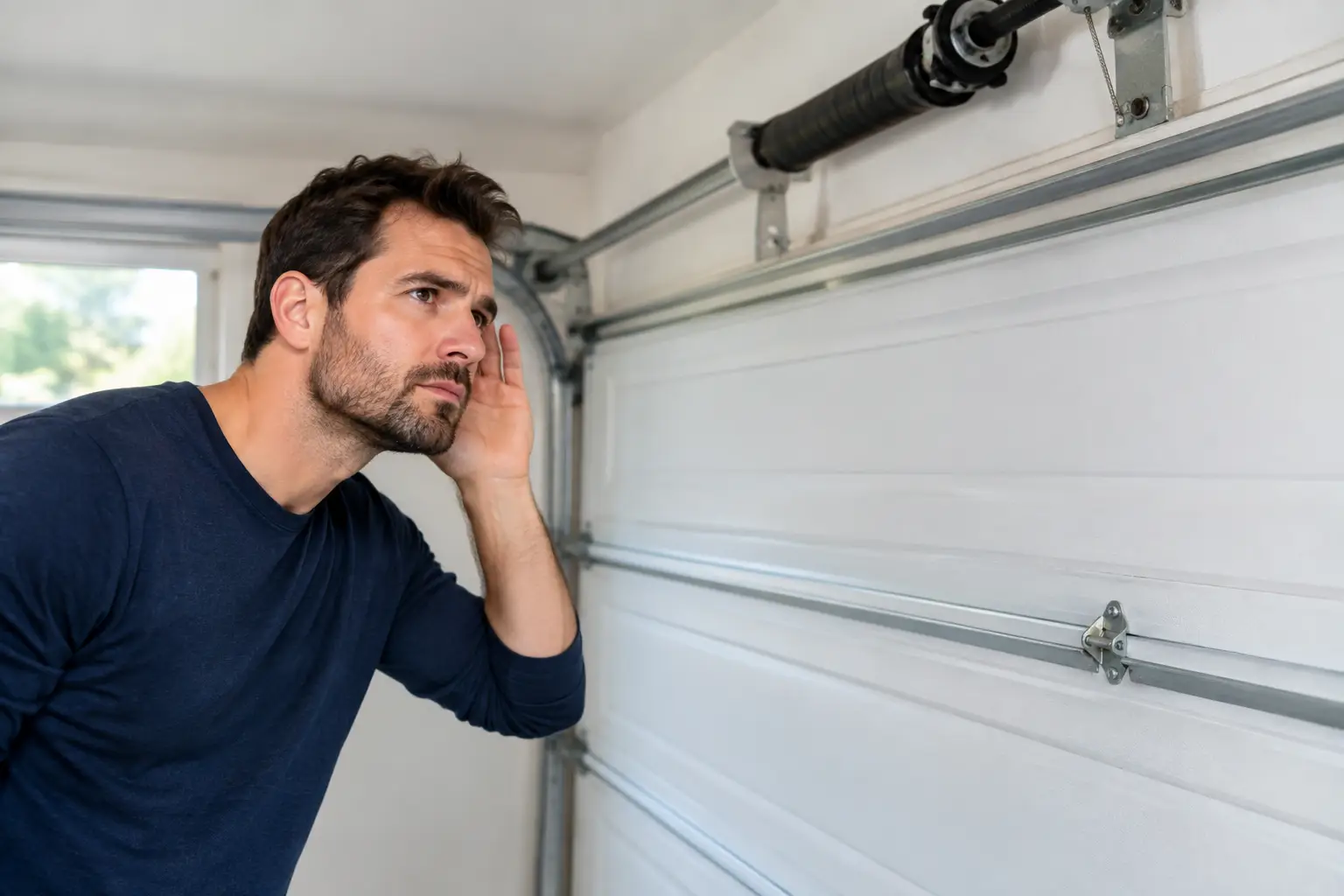
That grinding, squealing, or banging sound is not just an annoyance at 6 a.m. It is your garage door system telling you that something needs attention. Garage door noise causes range from a simple lack of lubrication to worn rollers, a struggling opener, or a part that can become unsafe if ignored. The sound itself often provides a useful clue.
A properly operating garage door will never be silent, especially with a metal door and an automatic opener. It should, however, move smoothly without sudden bangs, harsh scraping, or repeated squeaks. Knowing the difference can help homeowners and business owners in Gilbert and across the East Valley make a smart call before a small repair turns into a stuck door or an unexpected replacement.
Common Garage Door Noise Causes
Noise usually comes from moving parts rubbing, vibrating, loosening, or working harder than they should. The door, tracks, rollers, hinges, springs, cables, and opener must all work together. When one component is out of condition or out of alignment, the entire system can become louder.
Squeaking or squealing
Squeaks are one of the most common garage door noise causes, and they are often related to dry moving hardware. Rollers, hinges, bearings, and spring coils need the right garage-door-safe lubricant to move with less friction. In Arizona, dust and heat can make routine maintenance especially valuable, since dry conditions can leave hardware noisy sooner than expected.
Lubrication can help when the parts are otherwise in good shape. But it is not a cure for worn rollers or damaged hinges. If the squeal returns quickly after proper lubrication, or if the rollers wobble inside the tracks, a technician should inspect the system rather than simply adding more spray.
Avoid coating the tracks with grease. Tracks need to stay clean so rollers can travel correctly. Lubricating the track itself can attract dust and debris, creating a mess that may make movement worse.
Grinding or scraping
Grinding often points to rollers that are worn, cracked, or no longer rolling smoothly. Older metal rollers can become especially noisy as their bearings wear down. Nylon rollers are typically quieter, but they also wear over time and should be checked for cracks or missing bearings.
Scraping can also happen when a track is bent, loose, or misaligned. A door that rubs against the track, garage framing, or weather seal may continue to operate for a while, but forcing it can damage the opener and place extra strain on the door. If you can see a bent track, a gap between rollers and track, or a door that looks uneven as it moves, stop using the opener until it is evaluated.
Banging, popping, or rattling
A single loud bang during operation can be startling. In some cases, it is a loose hinge, bracket, or opener mounting point shifting under the door’s weight. Rattling can also come from loose nuts and bolts, especially after years of daily cycles and vibration.
Popping sounds may be tied to worn rollers, binding tracks, or a door section flexing as it moves. They can also occur when an extension spring system is not moving freely. Because a garage door is heavy and its spring system carries significant tension, this is not a good area for trial-and-error repairs.
Do not tighten, adjust, or remove bottom brackets, cables, or spring hardware yourself. These components are under extreme tension and can cause serious injury. A professional can determine whether the sound is a minor hardware issue or a sign that the door balance needs correction.
A loud boom or sharp snap
A loud boom from the garage is often associated with a broken torsion spring. Homeowners sometimes describe it as a gunshot-like sound because the tightly wound spring releases force when it breaks. The door may still be closed afterward, but it will usually feel extremely heavy and the opener may struggle, stop, or only lift the door a few inches.
If you suspect a broken spring, do not keep pressing the opener button. The opener is designed to guide a balanced door, not lift the full weight of an unbalanced one. Repeated attempts can damage the motor, gear, rail, or other components. Keep people clear of the door and schedule a repair.
Clicking, humming, or straining from the opener
Not every garage door sound comes from the door itself. A clicking opener may be responding to a safety sensor issue, a failing control board, or a worn internal component. A hum with no movement can indicate that the motor is getting power but cannot move the door.
Before assuming the opener has failed, check whether the door moves smoothly by hand with the opener disconnected, following the manufacturer’s instructions. If the door is unusually heavy, binds in the tracks, or will not stay partially open, the issue may be with the door balance instead of the opener. Reconnecting an opener to a door with a spring or track problem can lead to a more expensive repair.
Older chain-drive openers are naturally louder than belt-drive models. A steady chain sound may be normal, while sudden clanking, jerking, or vibration is not. If quiet operation matters because there is a bedroom above the garage, a belt-drive opener and quality nylon rollers can make a meaningful difference.
How to Narrow Down the Source of the Sound
You do not need to take apart the garage door to gather helpful information. Start by observing when the noise happens. Is it loud only as the door opens, only when it closes, or at the same spot every time? Does it happen with the opener, or also when the door is moved manually?
Next, look for visible signs of wear from a safe distance. Check for loose-looking hardware, damaged rollers, debris in the tracks, frayed cables, gaps in a torsion spring, or a door that sits unevenly. You can also listen from inside the garage while someone operates the door from a safe location.
A door that shakes, hesitates, reverses unexpectedly, or leaves one side lower than the other needs prompt professional attention. Noise combined with poor movement is more than a comfort issue. It can affect security, reliability, and safety.
When a Simple Maintenance Visit Can Help
Some garage door noise can be reduced with basic maintenance. Cleaning the tracks, applying appropriate lubricant to rollers and hinges, and having a technician check fasteners and opener settings can restore smoother operation. Maintenance also gives a trained eye the chance to catch weak springs, worn bearings, and roller damage before the door stops working.
Still, the right fix depends on the cause. Replacing a few worn rollers is very different from correcting an off-track door or replacing a broken spring. Honest service means identifying the part that is actually creating the noise, explaining the repair clearly, and giving you options without surprises.
For commercial doors, the stakes can be higher. A loud rolling steel door, sectional door, or gate may be signaling wear that could interrupt deliveries, employee access, or daily operations. Regular service is often the more affordable choice when downtime is costly.
Do Not Ignore These Warning Sounds
Call for service promptly if you hear a loud spring break, metal-on-metal grinding, repeated popping, cable noise, or an opener straining without lifting the door. Also call if the garage door is crooked, stuck, moving erratically, or no longer reversing properly when its safety sensors are blocked.
A quiet door is nice. A door that is balanced, secure, and safe is the real goal. Riggs Rescue AZ can inspect the source of the noise, explain what is happening in plain language, and help you choose a practical repair without hidden surprises.
If your garage door has started announcing every arrival and departure, do not wait for the sound to become a breakdown. A quick check now can protect your opener, keep your door dependable, and give you one less thing to worry about when you are heading out the door.

Leave a Reply