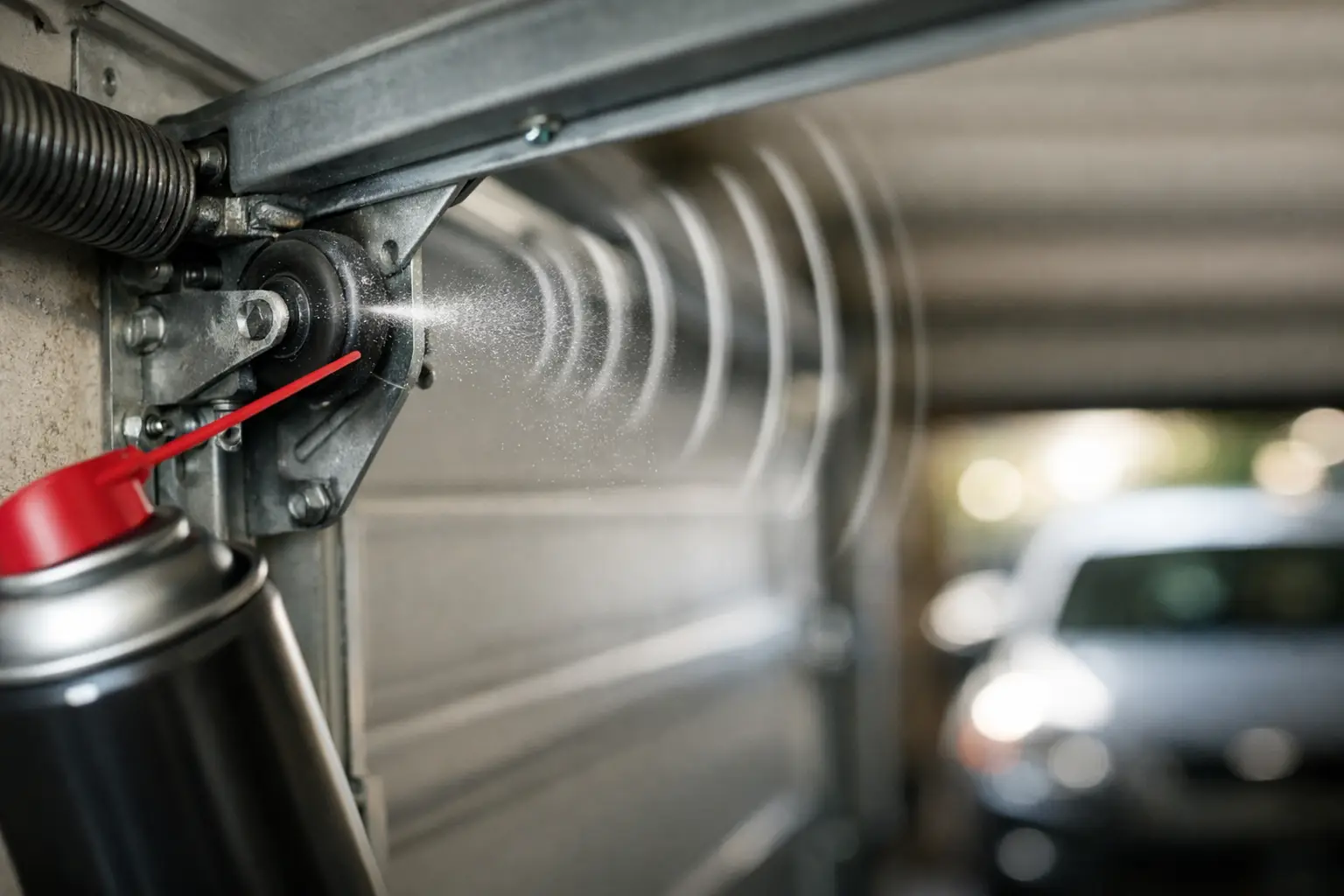
That sharp squeak when the garage door opens at 6 a.m. can feel much louder than it really is, especially when it wakes the household or echoes through a quiet neighborhood. If you are asking, “why is garage door squeaking,” the good news is that the sound often has a clear cause. The less-good news is that ignoring it can turn a small maintenance need into worn parts, a stuck door, or an unexpected repair.
A garage door is one of the largest moving systems in your home. It relies on rollers, hinges, tracks, springs, cables, and an opener working together under significant weight and tension. A squeak usually means one of those moving points needs attention. Finding the source early helps keep your door quieter, safer, and more reliable.
Why Is Your Garage Door Squeaking?
Most squeaks come from friction. In Arizona, dry air, heat, dust, and everyday use can leave metal components dry or coated with grit. When the door cycles up and down, that friction becomes a squeal, chirp, or scraping sound.
The exact sound matters. A light squeak that happens at the same spot during every cycle may point to a roller or hinge. A groan near the top of the door can indicate a spring or bearing issue. A grinding noise, a door that shakes, or a door that stops moving is more urgent and should not be treated as a simple lubrication job.
Dry rollers and hinges
Garage door rollers guide the door through the track, while hinges allow the door sections to bend as they travel. Both parts move every time you use the door. When their bearings or pivot points dry out, they can squeak loudly.
Steel rollers are especially prone to noise. They are durable, but they can become louder as they age or rust. Nylon rollers generally run more quietly, although their bearings can still wear down. Hinges may also squeak when the center pivot is dry, dirty, bent, or beginning to loosen.
Worn or dirty bearings
Your door has bearings at the ends of the torsion shaft and often in the center support. These small components help the shaft rotate as the door moves. When a bearing dries out or starts failing, it may squeak, grind, or make a rough rubbing sound from above the door.
Because the noise comes from the header area, homeowners sometimes assume the opener is the problem. The opener may be fine. A failing bearing can make noise even when the motor is operating normally.
Springs that need attention
Garage door springs carry most of the door’s weight. Torsion springs sit above the door, while extension springs run along the sides or ceiling tracks. A spring can make noise when it is dry, but springs are not a casual DIY repair item. They are under extreme tension and can cause serious injury if handled incorrectly.
A little squeaking from the coils may improve with the right garage-door-rated lubricant. But if you see a gap in a torsion spring, a loose cable, a crooked door, or a door that suddenly feels very heavy, stop using it and schedule service. Those signs point beyond routine maintenance.
Track problems and loose hardware
Tracks do not usually need lubricant. In fact, oily tracks tend to collect dust and debris, creating more problems over time. But tracks can make noise if they are dirty, bent, out of alignment, or if a roller is rubbing against the side.
Arizona temperature swings can also contribute to gradual movement in mounting hardware. Loose bolts, brackets, or hinges may allow the door to vibrate and squeak. Do not adjust track brackets yourself, since track alignment affects the door’s path and can put the system in a bind. A technician can inspect and correct alignment safely.
The opener may be amplifying the issue
Sometimes the garage door itself is quiet enough, but the opener is making the overall operation sound worse. A loose opener mounting bracket, worn drive components, or a chain that needs adjustment can create rattling and vibration. That is different from a high-pitched squeak at the rollers, but the sounds can overlap.
If the door is noisy only when the opener runs, try operating it manually only if it is safe to do so and you know how to release the opener properly. If it is still noisy by hand, the issue is likely in the door hardware. If it is quieter manually, the opener should be inspected too.
A Safe Way to Find the Squeak
Before applying anything, watch and listen through one complete open-and-close cycle. Stand clear of the door and keep children, pets, clothing, and hands away from moving parts. Look for obvious buildup, wobbling rollers, loose-looking hinges, or a section of the track where the sound becomes more pronounced.
Then disconnect power to the opener before doing basic cleaning or lubrication. Wipe visible dust and debris from the tracks with a dry cloth. Avoid spraying water into the opener or soaking electrical components.
For accessible moving metal parts, use a garage door lubricant or a silicone-based lubricant designed for garage doors. Apply a small amount to roller bearings, hinge pivot points, and the torsion spring coils if your door uses a torsion system. Open and close the door a few times to distribute it, then wipe away excess. More lubricant is not better. Excess product attracts dirt and can drip onto the floor or door.
Do not use thick grease on tracks, and do not rely on standard household oil as a long-term solution. Products like WD-40 can help displace moisture or loosen grime, but they are not usually the best lasting lubricant for moving garage door components. The right product helps reduce friction without turning your hardware into a dust magnet.
When Lubrication Will Not Fix a Squeaky Door
Lubrication is helpful maintenance, not a cure-all. If the noise returns quickly, the affected part may already be worn. Rollers with cracked wheels, missing bearings, or visible wobble need replacement. A hinge with elongated holes, cracks, or a bent leaf should be replaced rather than repeatedly lubricated.
Call for professional garage door repair if you notice any of these concerns:
- The door jerks, shakes, binds, or moves unevenly.
- A roller comes out of the track or the track looks bent.
- The door feels unusually heavy when operated manually.
- A cable is loose, frayed, or off the drum.
- You hear grinding, popping, or a loud bang near the springs.
- The door will not fully open, close, or stay in place.
These symptoms can affect both safety and security. A noisy door that still works today may become a door that leaves your car trapped inside or your garage unsecured tomorrow.
How Often Should You Service a Garage Door?
For most homes, a quick visual check every month and basic lubrication about every six months is a reasonable starting point. Homes with frequent garage use, dusty conditions, or older doors may benefit from more regular attention. Commercial doors often need a more structured maintenance schedule because they cycle far more often and protect business operations.
A professional tune-up goes beyond quieting the noise. It includes checking spring balance, roller condition, cable wear, track alignment, safety sensors, opener force settings, and fasteners. A balanced door reduces strain on the opener, which can help extend the life of the entire system.
For homeowners in Gilbert, Mesa, Chandler, and nearby East Valley communities, heat and dust make preventive care particularly worthwhile. If you are unsure whether a sound is normal, a qualified technician can identify the source before it becomes a larger issue. Riggs Rescue AZ can inspect the door, explain what is causing the noise, and recommend only the repair or maintenance that makes sense for your system.
A quiet garage door is not just a convenience. It is often a sign that the hardware is moving as it should. Give small squeaks attention early, stay clear of high-tension spring and cable repairs, and get help when the sound comes with shaking, binding, or poor door balance. That approach keeps a minor annoyance from becoming a stressful garage-door emergency.

Leave a Reply