Category: Uncategorized

  • Sliding Gate vs Swing Gate: Which Fits Best?

    Sliding Gate vs Swing Gate: Which Fits Best?

    If you’re choosing a new driveway or entry gate, the sliding gate vs swing gate question usually comes down to one thing fast – how your property actually works day to day. A gate can look great in a photo, but if it struggles on a slope, takes up too much room, or needs more upkeep than you expected, that choice gets frustrating in a hurry.

    For most homeowners and small business owners, this is less about style and more about function. You want a gate that opens reliably, protects the property, and doesn’t create new problems. The right answer depends on your space, your budget, how often the gate gets used, and what kind of wear it will face over time.

    Sliding gate vs swing gate: the core difference

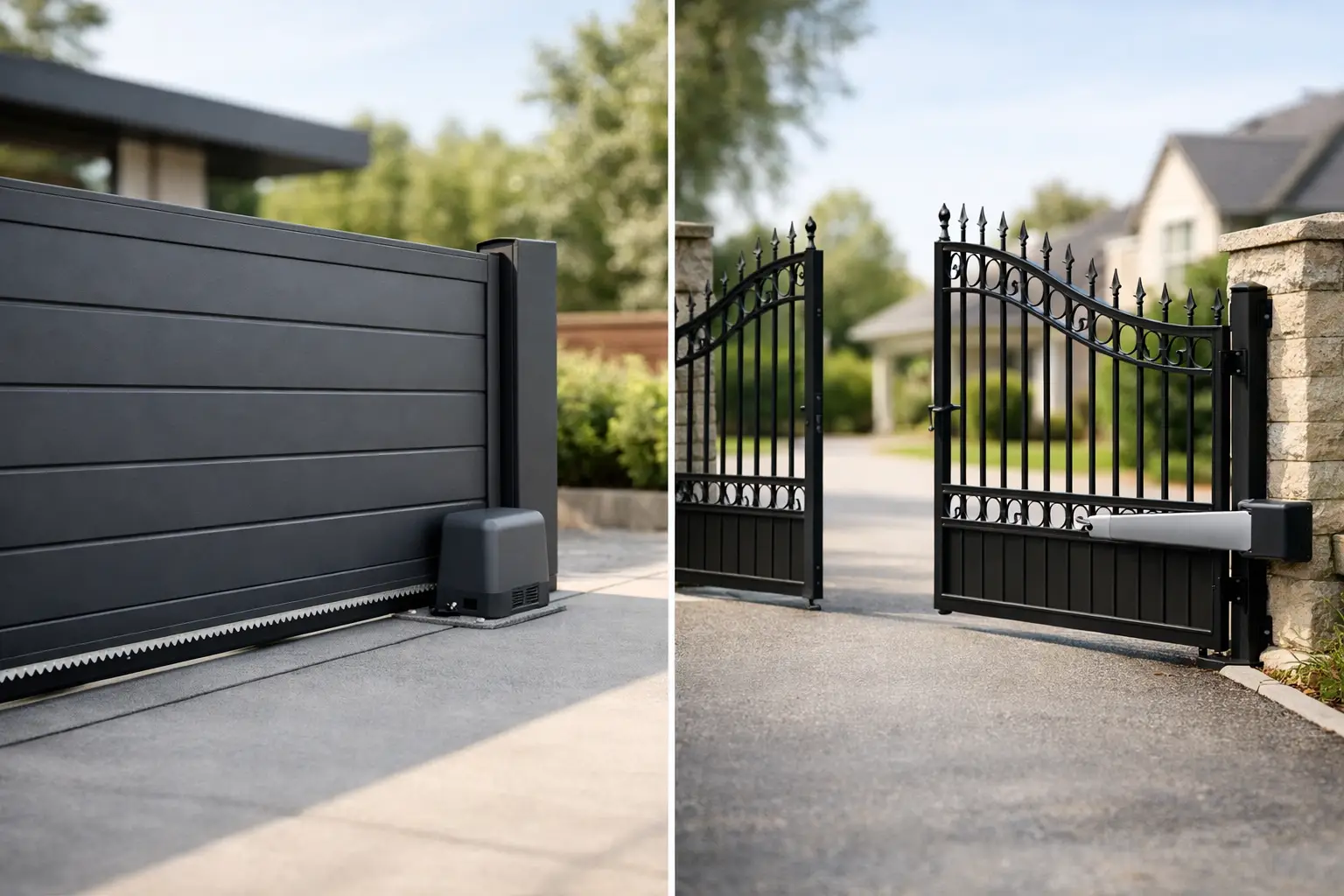
    A swing gate opens inward or outward on hinges, much like a large door. A sliding gate moves sideways along a track or cantilever system. That one difference changes almost everything, from installation layout to long-term maintenance.

    Swing gates are often the simpler design. They can be a strong fit for residential driveways with enough clearance and relatively level ground. Sliding gates are often chosen when space is tight or when the property layout makes a swinging arc impractical.

    Neither option is automatically better. The best gate is the one that matches the site.

    When a swing gate makes more sense

    A swing gate is often the first thing people picture because it has a classic look and a straightforward operating style. On many residential properties, it works well without adding too much mechanical complexity.

    If you have a flat driveway and enough room for the gate to open fully without hitting vehicles, landscaping, or sidewalks, a swing gate can be a very practical choice. In many cases, it also costs less upfront than a sliding system because the hardware and installation are simpler.

    That said, the space requirement matters more than people think. The gate needs a clear arc every time it opens. If a car stops too close, if the driveway slopes upward, or if there isn’t enough clearance inside the property line, a swing gate can become inconvenient fast.

    Best situations for swing gates

    Swing gates tend to work best on wider properties with good setback space. They’re common on single-family homes, ranch-style entries, and driveways where appearance is part of the decision. If you’re after a more traditional look and the site supports it, this style can be a solid long-term option.

    They can also be easier to service in some situations because the basic components are familiar and accessible. Hinges, posts, and operators still require attention, but the system itself is less dependent on a clean travel path across the opening.

    When a sliding gate is the better call

    A sliding gate is built for properties where a swing gate would get in the way. Instead of needing room to open inward or outward, it travels along the fence line. That makes it especially useful when the driveway is short, the entrance is close to the street, or the property has limited turning space.

    This is a big reason many commercial sites prefer sliding gates. If vehicles are coming and going regularly, the gate can operate without blocking the same clearance a swing gate needs. For some homes, especially in tighter layouts, that same benefit matters just as much.

    Sliding gates also tend to perform better on certain sloped driveways. A slope can make swing gate operation difficult or even impossible without modifying the design. A properly installed sliding gate avoids that opening arc problem.

    Best situations for sliding gates

    Sliding gates make sense when you need to preserve driveway space or control access at a busier entrance. They also tend to feel more secure to some property owners because the gate is harder to force open compared to a hinged leaf.

    The trade-off is installation complexity. A tracked sliding gate needs a clean, level path and good drainage. A cantilever system avoids a ground track, but it requires more side room and a heavier support structure. Either way, the system has to be planned carefully.

    Space is usually the deciding factor

    If you’re stuck between the two, start with the driveway layout. This is where the decision often gets made.

    A swing gate needs open space in front of or behind the gate leaf, depending on how it is configured. That sounds simple until you factor in parked vehicles, walkways, retaining walls, and landscaping. Even decorative columns can limit how far a swing gate can open.

    A sliding gate needs side room equal to the gate opening, and often a little more depending on the design. If the fence line doesn’t have enough uninterrupted length, a sliding system may not fit well either.

    This is why onsite evaluation matters. The best-looking gate on paper can be the wrong gate for the property.

    Cost differences upfront and over time

    In many cases, swing gates are less expensive to install. The hardware is usually simpler, the labor is more straightforward, and the structure may require fewer specialty components. For homeowners watching budget closely, that can make swing gates appealing.

    Sliding gates often cost more at the beginning. The track, rollers, guides, support posts, or cantilever hardware add complexity, and the gate itself may be heavier. Automation can also increase the price depending on the opener and safety features.

    But upfront cost is only part of the story. A cheaper gate that struggles with your property layout may cost more in repairs and frustration later. A gate should be judged by total value, not just the install quote.

    Maintenance and reliability

    Every gate needs maintenance. The difference is where problems tend to show up.

    With swing gates, wear often appears at hinges, posts, and opener arms. If the gate sags, the alignment can change and operation gets rough. Wind can also put extra stress on swing gates, especially if they have solid panel designs.

    With sliding gates, the biggest concern is the travel path. Debris in a ground track can interrupt movement, and roller systems need proper alignment. In Arizona, dust and dirt are part of life, so regular cleaning and inspection matter. A cantilever gate reduces some track issues, but it still depends on correctly maintained hardware.

    Neither system is maintenance-free. The better choice is usually the one that fits the site cleanly and won’t be fighting the environment every day.

    Security and safety considerations

    Security matters for both homes and businesses, but the layout changes how each gate performs.

    A sliding gate often has an advantage when security is the priority. Because it moves laterally and stays supported through its travel, it can be harder to pry or force compared to some swing designs. This is one reason it is common at commercial properties and secured private entries.

    Swing gates can still provide strong security, especially with quality construction, proper latching, and reliable automation. But they need stable posts and good alignment to stay dependable over time.

    Safety is just as important as security. Automatic gates should be equipped and adjusted properly so they don’t close on vehicles or people. That includes sensors, control settings, and a system sized for the gate’s weight and use pattern.

    Style matters, but not more than function

    A lot of homeowners begin with appearance, and that’s fair. Your gate is one of the first things people see. Swing gates often deliver the more traditional, architectural look people want for a front entry. They can feel more decorative and residential.

    Sliding gates usually look a bit more modern or utilitarian, though that depends on material and design. With the right build, they can still look clean and upscale. The key is not choosing a style that fights the property just because it looks good in a catalog.

    A good gate should look right and work right.

    Which gate is better for Arizona properties?

    In areas like Gilbert, Chandler, Mesa, and the surrounding East Valley, dust, heat, and hard use all matter. A gate that operates fine in mild conditions may show weaknesses faster in a hot, dry climate if it isn’t installed and maintained properly.

    For many residential properties, swing gates are a good fit when the driveway is level and roomy. For tighter spaces, high-traffic entries, or properties where the driveway meets the street with less buffer, sliding gates often solve more problems.

    This is where honest guidance matters. A good installer should tell you when the lower-cost option will work well and when it won’t. At Riggs Rescue AZ, that’s the kind of recommendation we believe customers deserve – clear, practical, and without surprises.

    How to make the right choice

    If you’re deciding between these two options, think less about which gate is “best” and more about which one will be easiest to live with. Measure your available clearance. Look at the driveway slope. Think about how often the gate will open each day and whether security, speed, or appearance matters most.

    A swing gate is often the right answer for simple residential layouts with enough room to operate. A sliding gate is often the smarter choice when space is limited, traffic is heavier, or the site needs a more secure and controlled setup.

    The right gate should make access easier, not give you one more thing to worry about. If you choose based on the property instead of guesswork, you’ll end up with a system that does its job quietly for years.
  • Garage Door Replacement Financing Options

    Garage Door Replacement Financing Options

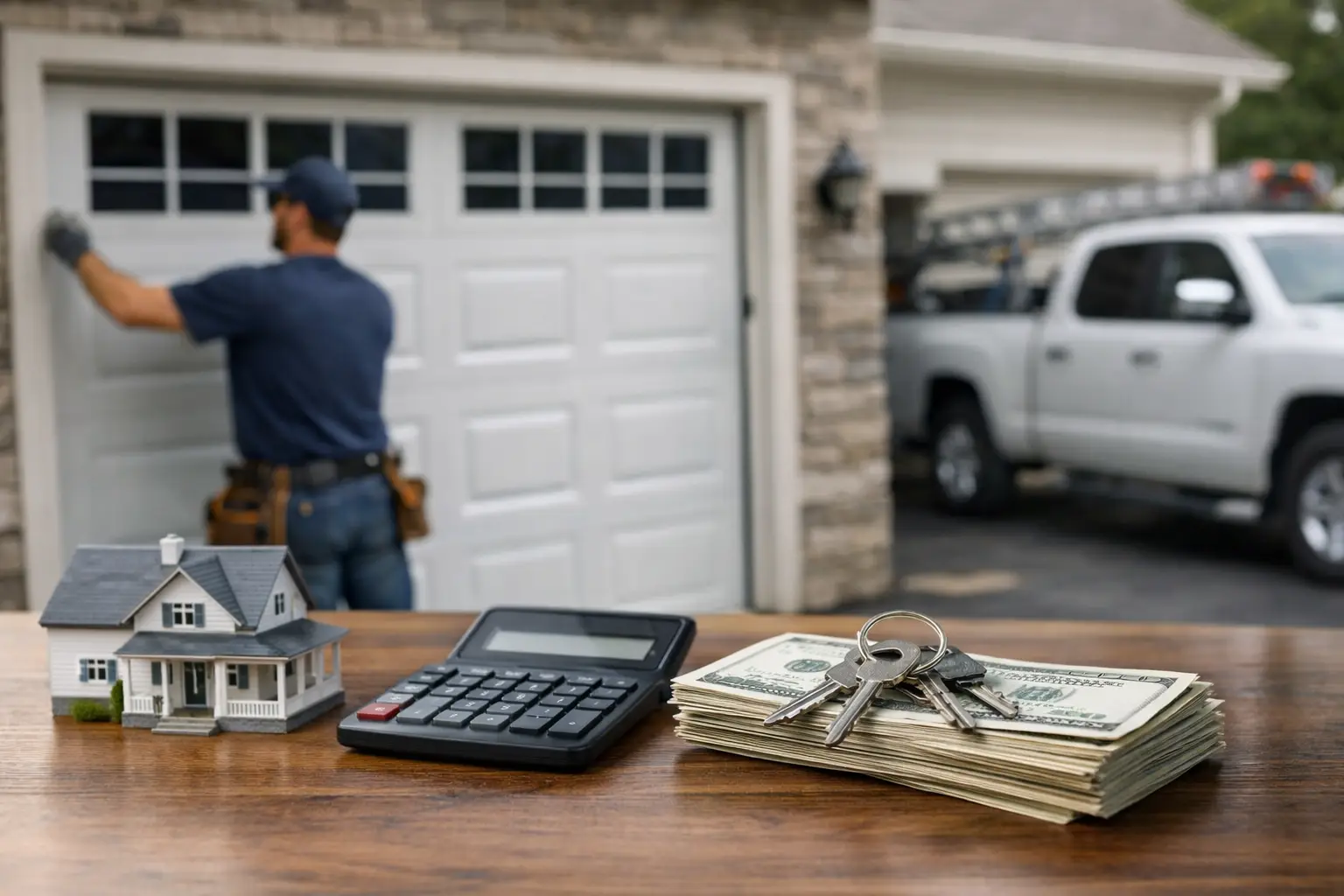
    A garage door usually picks the worst possible time to quit. Maybe the springs are shot, the panels are bent, or the opener is straining every morning until you finally decide repair is no longer worth it. When that happens, garage door replacement financing can turn a stressful expense into a manageable plan.

    For many homeowners and small business owners, the real question is not whether the door needs to be replaced. It is how to pay for it without blowing up the monthly budget. A new garage door adds safety, improves curb appeal, and can make daily life easier, but the upfront cost still matters. The good news is that financing is often straightforward when you know what to expect and what questions to ask.

    How garage door replacement financing works

    At its core, financing lets you spread the cost of a new garage door over time instead of paying the full amount upfront. Depending on the provider and lender, that could mean monthly payments over several months or a longer-term plan with interest. Some customers prefer financing because it protects their cash flow. Others use it because the replacement is urgent and waiting is not a great option.

    This matters more than people think. A failing garage door is not just an inconvenience. It can become a safety risk, a security issue, and in Arizona heat, a frustration that gets worse fast. If the door is sticking, off track, cracked, or no longer sealing properly, delaying replacement can sometimes lead to more damage or a complete breakdown.

    Financing gives you room to move now instead of putting off the job and hoping the problem stays manageable. That said, not every payment plan is the same. Terms, rates, and approval requirements can vary, so it pays to compare the full picture rather than focusing only on the monthly number.

    When financing makes sense for a replacement

    Not every project needs financing, but there are a few situations where it can be the practical choice. The most obvious is an unexpected replacement. If your garage door took damage from weather, impact, or age and you were not planning for a full install this month, breaking the cost into payments can make the decision easier.

    Financing can also make sense when your current door has turned into a repair cycle. If you are paying for repeated spring issues, panel damage, noisy operation, opener strain, or poor insulation, replacement may be the better long-term value. In those cases, financing is less about stretching your budget and more about avoiding the slow drain of ongoing repairs.

    There is also the quality factor. Some property owners settle for the cheapest possible replacement just to get the door working again. A financing option can create room for a better-fit door, stronger materials, insulation, or an opener upgrade that improves reliability and noise levels. That does not mean spending more than you should. It means choosing a solution that fits the property and holds up.

    What affects the total cost

    Before you choose a payment plan, it helps to understand what you are actually financing. Garage door replacement costs can vary based on door size, material, insulation level, design, hardware, track condition, and opener compatibility. A standard residential replacement is very different from a custom wood-look door or a commercial system with heavier-duty requirements.

    Labor also matters. If the existing setup has structural issues, worn components, or an outdated opener that should be replaced at the same time, your total project cost may be higher than the base price of the door alone. That is why transparent pricing matters so much. You want to know whether the quote includes removal of the old door, installation, balancing, hardware, and any related adjustments.

    For homeowners in places like Gilbert, Chandler, Mesa, and nearby East Valley communities, heat exposure can also influence what kind of door makes sense. An insulated door may cost more upfront, but depending on your garage use and sun exposure, it may be worth considering for comfort and performance.

    Garage door replacement financing options to compare

    There is no single best financing option for everyone. The right fit depends on your timeline, credit profile, and how long you want to carry the balance.

    A contractor-arranged financing program is often the easiest place to start. These plans are designed for home service projects, and the application process is usually simple. Approval can be faster than you expect, which helps when the door replacement cannot wait.

    A credit card may work for smaller projects or for customers who can pay off the balance quickly, especially if they already have a promotional rate available. The downside is that standard credit card interest can become expensive if the balance lingers.

    A personal loan is another option. Some customers prefer this route because it gives them a fixed monthly payment and a set payoff schedule. The trade-off is that rates and approval terms can vary a lot depending on the lender.

    If the replacement is part of a larger home improvement plan, some property owners also look at broader financing products tied to home upgrades. That approach can make sense in certain cases, but it may be more than you need for a straightforward garage door project.

    What to ask before you agree to financing

    The monthly payment is only one piece of the decision. Ask about the interest rate, the total amount paid over time, the loan term, and whether there are any penalties for early payoff. If there is a promotional offer, make sure you understand exactly when it ends and what happens if the balance remains after that period.

    You should also confirm what the financed amount includes. A low monthly number can look appealing until you realize the quote left out opener replacement, haul-away, or necessary hardware updates. Honest guidance matters here. A good provider should be able to explain the scope clearly and walk you through what is necessary now versus what is optional.

    It is also fair to ask whether financing approval affects the project timeline. If your door is stuck, unsafe, or unsecured, speed matters. A responsive local company should be able to explain both the payment process and the installation schedule without making it complicated.

    How to keep financing affordable

    The easiest way to keep financing affordable is to finance the right job, not the biggest one. Start with what the property actually needs. If your current opener is still in good shape and compatible with the new door, you may not need to replace it. On the other hand, if the opener is underpowered or worn out, forcing it to work with a heavier new door could create problems later.

    This is where clear recommendations help. You want a provider who is focused on value, not upselling. The goal is a safe, dependable system that fits your budget and avoids surprise costs down the road.

    A larger down payment can reduce your monthly cost if that option is available. A shorter term may increase the monthly payment but reduce the total paid over time. A longer term can ease the month-to-month pressure but may cost more overall. Neither is automatically better. It depends on your budget and how much flexibility you need right now.

    Why the cheapest path is not always the least expensive

    When people are under pressure, it is natural to focus on the fastest and cheapest fix. But with garage doors, low upfront cost can hide bigger issues. A bargain install using lower-grade materials or incomplete parts may lead to noisy operation, poor fit, weaker insulation, or earlier repairs.

    That does not mean every customer needs a premium door. It means the best value comes from matching the replacement to the property, the daily use, and the budget. For a busy family using the garage as the main entry point, reliability is a big deal. For a small business, downtime and security may matter even more.

    A dependable local company should help you think through those trade-offs in plain language. That is the kind of approach Riggs Rescue AZ is built around – fast, honest guidance, transparent pricing, and practical solutions that make sense for real budgets.

    Making the decision with confidence

    If you are weighing a replacement, do not let the payment question keep you stuck longer than necessary. Garage door replacement financing can be a smart tool when it helps you handle an urgent problem, avoid ongoing repair costs, or choose a better long-term solution for your home or business.

    The key is simple: get a clear quote, understand the payment terms, and choose a provider who explains your options without pressure. When the numbers make sense and the work is done right, financing is not just about covering a bill. It is about getting your property secure, functional, and back to normal with no surprises.

  • Garage Door Sensor Alignment Steps That Work

    Garage Door Sensor Alignment Steps That Work

    A garage door that starts down, then suddenly reverses, usually isn’t being stubborn. Most of the time, the safety sensors near the floor are out of line, dirty, or blocked. If you are looking for garage door sensor alignment steps that actually solve the problem, the good news is that this is often a quick fix when you know what to check first.

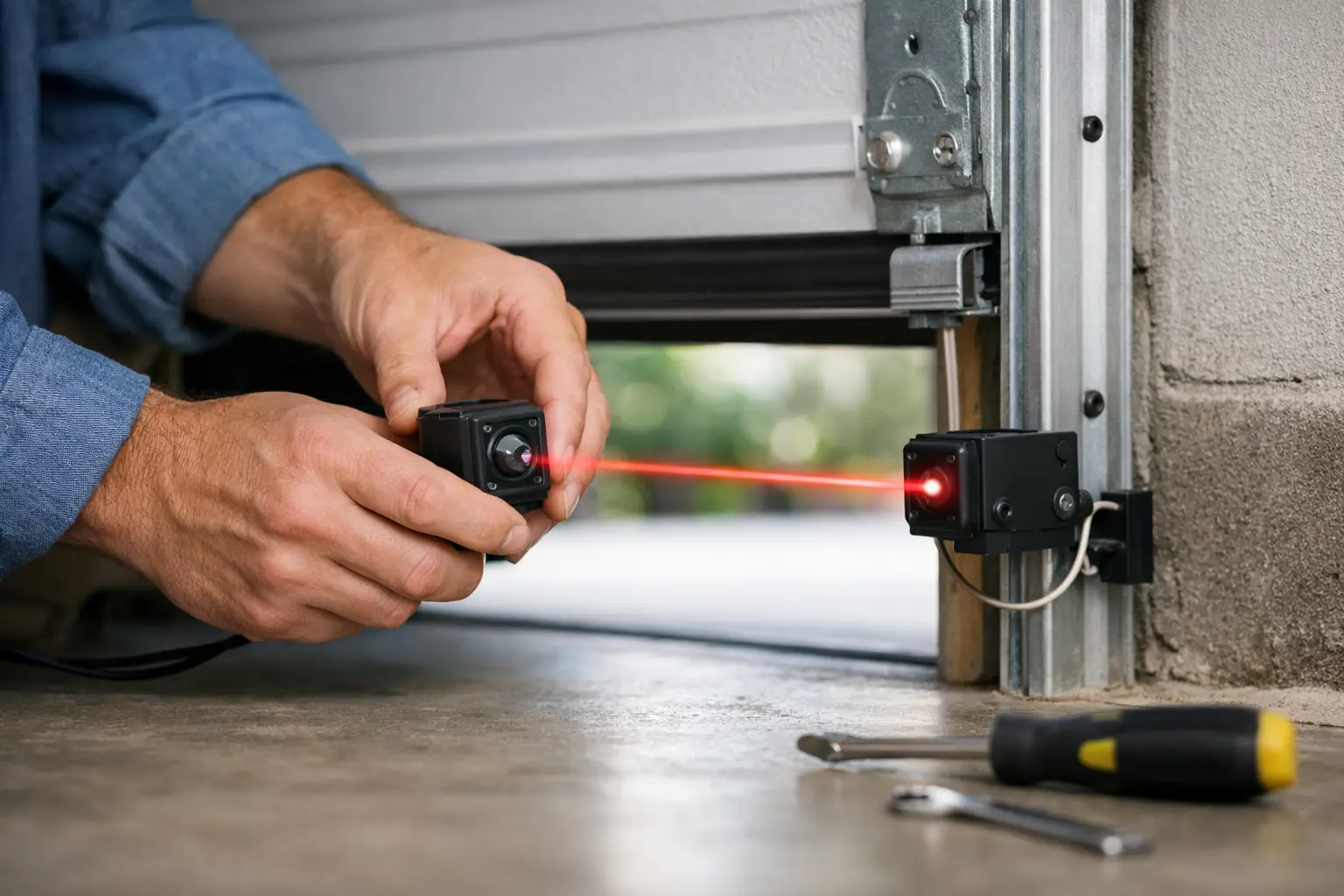
    These sensors are a small part of the system, but they do an important job. One sensor sends an invisible beam across the bottom of the door opening, and the other receives it. If that beam is interrupted, the opener treats it like a person, pet, or object is in the way and stops the door from closing. That is exactly what it should do. The trouble starts when the sensors are not aimed at each other correctly, because then the opener reads a false obstruction.

    When sensor alignment is probably the issue

    The clearest sign is a garage door that will open normally but will not close unless you hold the wall button down. You may also notice one or both sensor lights blinking, a door that reverses before touching the floor, or an opener light flashing after a failed close cycle. In many homes, sensor trouble shows up after somebody bumps the tracks, moves storage near the opening, or sweeps debris against the sensor brackets.

    Arizona garages add another wrinkle. Dust builds up fast, and that can coat the sensor lens enough to weaken the beam. Sun glare can also affect some setups at certain times of day. That does not always mean the sensors are broken. It often means they need a careful cleaning and a small adjustment.

    Before you start the garage door sensor alignment steps

    Start with safety. Do not loosen hardware while the door is moving, and keep children and pets away from the opening while you work. You do not usually need to disconnect power just to inspect or gently adjust the sensors, but avoid touching exposed wires or opening electrical components.

    You will only need a few basic items: a clean soft cloth, a level, and possibly a screwdriver or small wrench depending on the bracket style. A tape measure can help if one sensor looks visibly lower than the other.

    Take a minute to look at the area around both sensors. They are mounted low on each side of the garage door track, usually a few inches above the floor. Remove boxes, trash cans, tools, or yard items that may be crossing the beam. It sounds obvious, but plenty of service calls come down to a broom handle, a bike tire, or stored supplies sitting just close enough to interfere.

    Garage door sensor alignment steps

    1. Check the indicator lights

    Most garage door sensors have small LED lights that tell you a lot right away. On many systems, one light stays solid when it has power and the other stays solid when the beam is properly aligned. If one is off entirely, you may have a power or wiring issue instead of a simple alignment problem. If one or both are blinking, alignment is the more likely cause.

    The exact light pattern depends on the opener brand, so do not assume every blinking light means the same thing. Still, solid lights usually mean the sensors can see each other, while flickering or blinking usually means they cannot.

    2. Clean both sensor lenses

    Before adjusting anything, wipe each lens gently with a soft dry cloth. If there is stuck-on grime, use a slightly damp cloth and dry it afterward. Do not use harsh cleaner or anything abrasive. A dirty lens can mimic a bad alignment, and cleaning is the fastest fix in the whole process.

    While you are there, look for spider webs, mud, or signs that the lens housing is cracked. If the casing is damaged, alignment may not hold even if you get it right for the moment.

    3. Inspect the brackets and tracks

    If a sensor bracket is bent or loose, the sensor may drift out of position every time the door vibrates. Gently wiggle each sensor. It should feel secure, not sloppy. Also check whether the track near the bottom has been bumped. A slightly twisted track can shift the sensor angle enough to break the beam.

    This is where a lot of homeowners hit the line between DIY and repair. If the bracket just needs a minor tightening, that is usually manageable. If the track itself is bent, forcing it can create a bigger garage door problem.

    4. Compare the sensor height

    Look across from one sensor to the other. They should be mounted at the same height and facing each other directly. If one is clearly higher, lower, or tilted outward, that is likely your issue.

    Use a tape measure from the floor if needed. Then place a level against each sensor or bracket to check whether it sits straight. You do not need laboratory precision, but you do need both units lined up closely enough for the beam to connect consistently.

    5. Loosen and adjust carefully

    If the bracket allows adjustment, slightly loosen the mounting screw or wing nut just enough so the sensor can move. Then slowly point the sensor toward the one on the opposite side. Watch the LED while you do this. Once the blinking light turns solid, you are close.

    This part takes patience. A tiny movement can make the difference. Once the light goes solid, hold the sensor in place and tighten the hardware without shifting the angle. Then recheck the light. If it starts blinking again after tightening, the bracket may be warped or the sensor may be moving under pressure.

    6. Test the door more than once

    Run the door through a full close cycle. Then do it again. A sensor that works once but fails on the second or third try may still be barely out of alignment. It helps to gently shake the track area by hand and retest. If normal vibration knocks the beam out, the setup is not stable yet.

    Also test the reversal feature with an object placed in the beam path while the door is closing. The door should stop and reverse. Never use your body for this test. A cardboard box or similar object works fine.

    When alignment is not the real problem

    Sometimes the symptoms look like sensor trouble, but the actual issue is wiring damage, a failing sensor, or a problem with the opener logic board. If one sensor light never comes on, even after cleaning and checking alignment, inspect the low-voltage wire for cuts, staples driven too tight, or loose connections. Rodents and yard tools can damage those wires more often than people realize.

    Age matters too. Older sensors can become unreliable even when they look fine from the outside. If the lenses are clear, the brackets are secure, the wiring appears intact, and the lights still will not stay steady, replacement may be the smarter move.

    There is also a difference between a one-time bump and a recurring problem. If you are aligning the same sensors every few weeks, something underneath is causing movement. That could be a weak bracket, track vibration, or hardware working loose over time. Fixing the root cause saves more frustration than repeating the same adjustment.

    When to call for help

    A straightforward sensor adjustment is often a reasonable DIY task. But if the door is uneven, the track is bent, the wiring is damaged, or the opener behaves unpredictably, it makes sense to bring in a professional. Garage doors carry a lot of weight, and not every closing problem starts at the sensors.

    This is especially true for busy households and small businesses that cannot afford guesswork. If your door protects vehicles, inventory, or daily access, spending hours on trial and error may cost more than the repair itself. A good service visit should be clear, fast, and without surprises.

    For homeowners in Gilbert and nearby areas, that local, practical approach matters. Companies like Riggs Rescue AZ see these issues all the time, and the value is not just in tightening a bracket. It is in spotting whether the sensors are the problem, or whether they are just the first symptom.

    A few ways to keep sensors aligned longer

    Once the sensors are working again, a little routine attention helps. Keep the area near the bottom of the tracks clear, wipe the lenses occasionally, and avoid bumping the brackets when moving storage or tools. If you sweep out the garage often, take a quick glance at the sensor lights afterward.

    If your garage gets heavy dust or frequent vibration, check the mounting hardware every few months. That small habit can prevent the familiar moment when you are already late and the door refuses to close.

    A garage door should close when you ask it to and reverse when safety demands it. If your sensors are sending mixed signals, a calm, methodical adjustment usually gets things back on track.

  • 7 Best Ways to Quiet Garage Door Noise

    7 Best Ways to Quiet Garage Door Noise

    That rattling, grinding garage door usually picks the worst possible time – early morning, late at night, or right when a baby finally falls asleep. If you are looking for the best ways to quiet garage door noise, the good news is that many causes are fixable. The trick is knowing whether the sound is coming from normal wear, loose hardware, a dry system, or a part that is starting to fail.

    A garage door is not supposed to be silent. It is a large moving system with rollers, hinges, springs, tracks, and an opener all working together. But it should not sound harsh, shaky, or strained. When the noise changes, that is usually your first warning that something needs attention.

    Best ways to quiet garage door noise at home

    The fastest improvements usually come from basic maintenance. Dirt, vibration, and dry moving parts add up over time, especially in hot, dusty Arizona conditions. A door that used to hum along can start clanking simply because the system has been neglected for a while.

    Tighten loose hardware first

    Garage doors move up and down several times a day, and that repeated motion slowly loosens nuts, bolts, and brackets. Even a slightly loose hinge or track fastener can create a surprising amount of rattling.

    With the opener unplugged and the door in a safe position, inspect the visible hardware and snug up loose bolts on hinges, roller brackets, and track supports. Do not over-tighten anything, and do not adjust red-painted spring parts or cable components. Those are under tension and should be left to a trained technician.

    If the noise is more of a vibration than a squeal, this step alone can make a noticeable difference.

    Lubricate the right parts

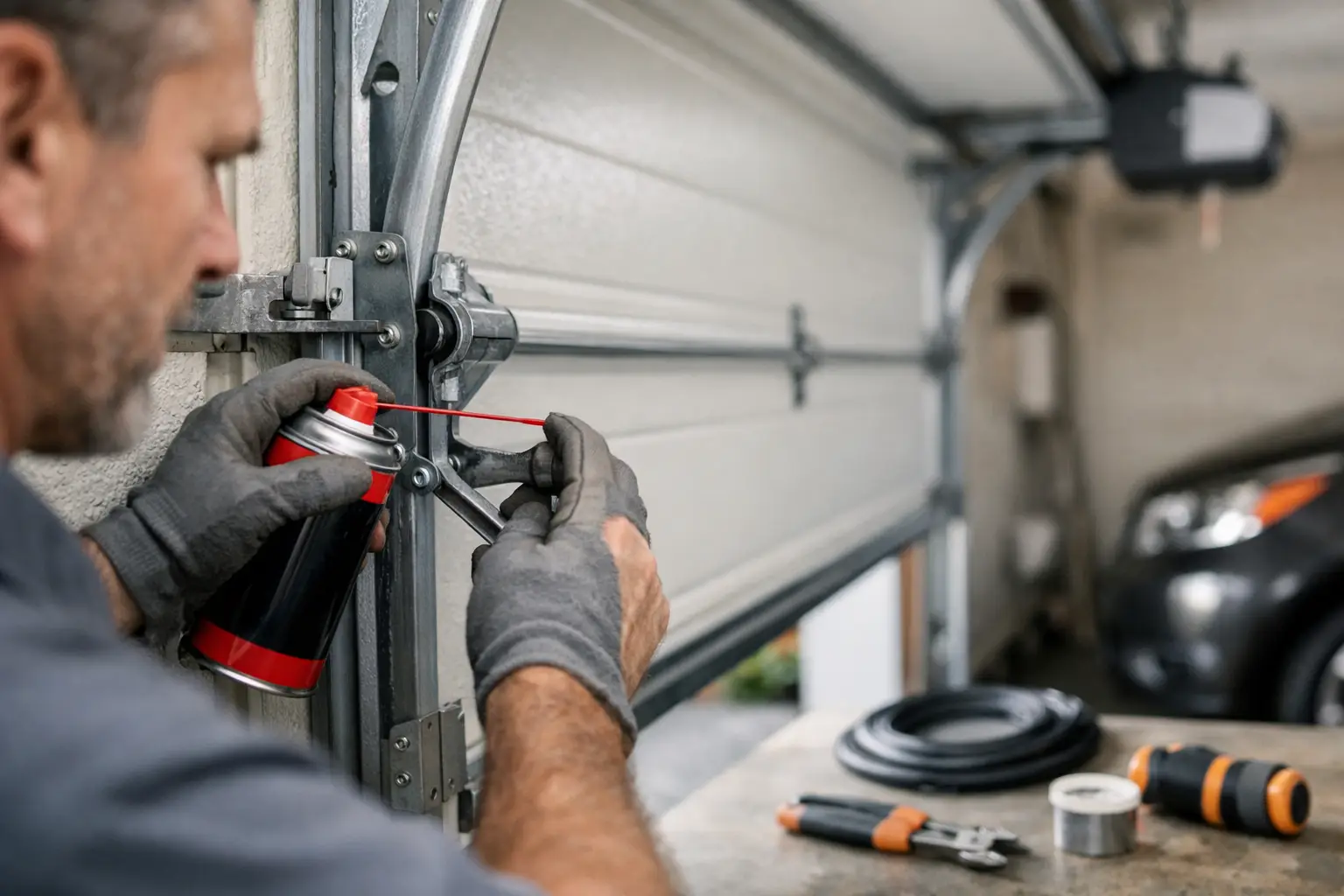
    One of the best ways to quiet garage door problems is proper lubrication. Dry metal-on-metal contact is a common reason doors start squeaking, screeching, or chattering.

    Use a garage-door-safe lubricant on the rollers, hinges, bearings, and springs if recommended by the manufacturer. A light application is enough. More is not better here. Too much product can attract dust and create buildup.

    Do not grease the tracks themselves. Tracks should generally be kept clean rather than slick. If you lubricate everything but the noise stays the same, the issue may be worn parts rather than dry ones.

    Clean the tracks and inspect the rollers

    Garage door tracks collect dust, debris, and hardened residue. That buildup can cause rollers to bump, drag, or make a scraping sound as the door moves.

    Wipe the inside of the tracks with a clean cloth and check for dents or obvious misalignment. Then look at the rollers. Older metal rollers tend to be noisier than nylon rollers, and worn rollers can click or grind each time they pass a hinge point.

    If rollers are chipped, wobbling, or sticking, replacement may be the better fix. Swapping worn metal rollers for quality nylon ones is one of the most effective noise-reduction upgrades for many homes.

    When the opener is the real problem

    Sometimes the door itself is not the loudest part. The opener can be the source of the vibration, humming, or harsh startup noise.

    Check the opener mounting and vibration

    An opener that is loosely mounted to the ceiling can transfer vibration through the framing and make the whole garage sound louder than it should. This is especially noticeable in attached garages where bedrooms or living spaces are nearby.

    Inspect the opener brackets and mounting points for looseness. If everything is secure but the vibration is still strong, adding vibration-isolating hardware can help. This is a good example of where the fix depends on the type of noise. If the door bangs through its travel, the problem is probably not the opener mount alone.

    Consider the opener type

    Chain-drive openers are durable and common, but they are usually louder than belt-drive models. If your system is older and noisy even after maintenance, the opener itself may simply be dated technology.

    A belt-drive opener is often the best upgrade for homeowners who want a noticeably quieter garage door. It tends to run smoother and with less vibration. The trade-off is cost. A tune-up is cheaper than a replacement, so it makes sense to fix maintenance issues first. But if your opener is aging, inconsistent, or already due for replacement, going quieter can be worth it.

    Parts that often cause sudden noise changes

    A garage door that has always been a little noisy is one thing. A garage door that suddenly gets louder is different. That often points to wear or damage that needs prompt attention.

    Worn hinges and bearings

    If the sound is a repeating squeak, chirp, or grinding noise during movement, worn hinges or bearings may be the issue. Hinges flex every time the door bends through the track curve. Over time, that motion creates play in the hardware.

    In some cases, lubrication helps. In others, the part is simply worn out and needs replacement. If you can see metal shavings, cracking, or uneven movement, that is a sign to stop guessing and have it inspected.

    Failing springs

    Torsion and extension springs are essential to balancing the weight of the door. When springs wear down, the opener works harder, the door moves less smoothly, and the overall system gets louder.

    A spring may not break right away. Sometimes it first shows up as straining sounds, jerky travel, or a door that seems heavier than usual. This is not a DIY area. Spring repair is one of the most dangerous garage door jobs because of the stored tension involved.

    Track alignment issues

    If the noise sounds like scraping, rubbing, or popping, the tracks may be slightly out of alignment. Rollers need to move cleanly within the track path. When that path shifts, the whole system can get loud fast.

    Minor visual issues can sometimes be spotted by homeowners, but track adjustments should be handled carefully. Moving the wrong component the wrong way can create bigger balance and safety problems.

    The best ways to quiet garage door systems long term

    If you want more than a temporary improvement, think beyond one noisy part. The quietest garage doors come from a combination of maintenance, upgraded components, and correct balance.

    Replacing metal rollers with nylon rollers is one of the biggest wins. Keeping hinges, bearings, and springs properly serviced matters too. If the opener is older, a belt-drive model can reduce startup and operating noise. Insulated garage doors can also help soften vibration and reduce the overall sound profile, although insulation alone will not solve mechanical noise.

    It also helps to stay ahead of small problems. A tune-up costs less than emergency repair in most cases, and it can catch worn parts before they fail at the worst time.

    When to stop troubleshooting and call a pro

    There is a difference between helpful maintenance and risky guesswork. If your garage door is making loud popping sounds, slamming shut, hanging unevenly, or struggling to open, it is time for professional service. The same goes for broken springs, frayed cables, bent tracks, or rollers that have come off track.

    For many homeowners, the smartest move is to handle simple cleaning and lubrication, then bring in a technician for anything involving balance, spring tension, opener force settings, or part replacement. That keeps the repair safe and gives you a better shot at a lasting fix.

    A good technician should be able to tell you whether the problem needs a quick adjustment, a few replacement parts, or a more worthwhile upgrade. That kind of honest guidance matters, especially when you are trying to avoid spending money on the wrong fix.

    If the noise is keeping your household up, bothering tenants, or disrupting a small business, getting it checked sooner can save time and frustration. Companies like Riggs Rescue AZ see this all the time – a door that starts as “just noisy” often turns out to be asking for maintenance before it becomes a bigger repair.

    A quieter garage door usually comes down to one simple thing: smooth movement. When every part is clean, secure, lubricated, and properly matched to the system, the noise drops fast. And if your door still sounds like it is fighting itself every time it opens, that is your sign to get it looked at before the next loud morning wake-up call.

  • Garage Door Installation Mesa Homeowners Trust

    Garage Door Installation Mesa Homeowners Trust

    A garage door is one of those things you barely notice until it starts failing at the worst possible time. Maybe it drags, shakes, gets loud, or simply stops opening when you need to leave for work. If you are looking into garage door installation Mesa homeowners can rely on, the goal is not just getting a new door up fast. It is choosing a system that fits your home, works safely, and holds up in Arizona heat.

    A new garage door changes more than curb appeal. It affects daily convenience, home security, insulation, noise levels, and even how hard your opener has to work. For many homeowners, installation becomes necessary after years of wear. For others, it comes after storm damage, a broken panel, or repeated repairs that no longer make financial sense.

    When garage door installation in Mesa makes sense

    Sometimes repair is still the smart move. If the issue is limited to rollers, sensors, springs, or an opener component, a targeted repair can buy you more time. But there is a point where patching an older system turns into throwing good money after bad.

    Installation usually makes sense when the door has structural damage, severe rust, cracked panels, or repeated track and spring issues. It is also worth considering if your current setup is outdated enough that replacement parts are getting harder to match. Homeowners often wait too long because the door still technically opens. But if it is noisy, unreliable, or struggling to stay balanced, that is often a sign the whole system is wearing out.

    There is also the appearance factor. A garage door takes up a large portion of the front of the house. If the rest of the property has been updated and the garage door still looks tired, a replacement can make the home feel cleaner, newer, and better cared for without a full exterior remodel.

    Choosing the right garage door for your home

    The best door is not always the most expensive one. It is the one that fits your budget, your home style, and how you use the garage every day.

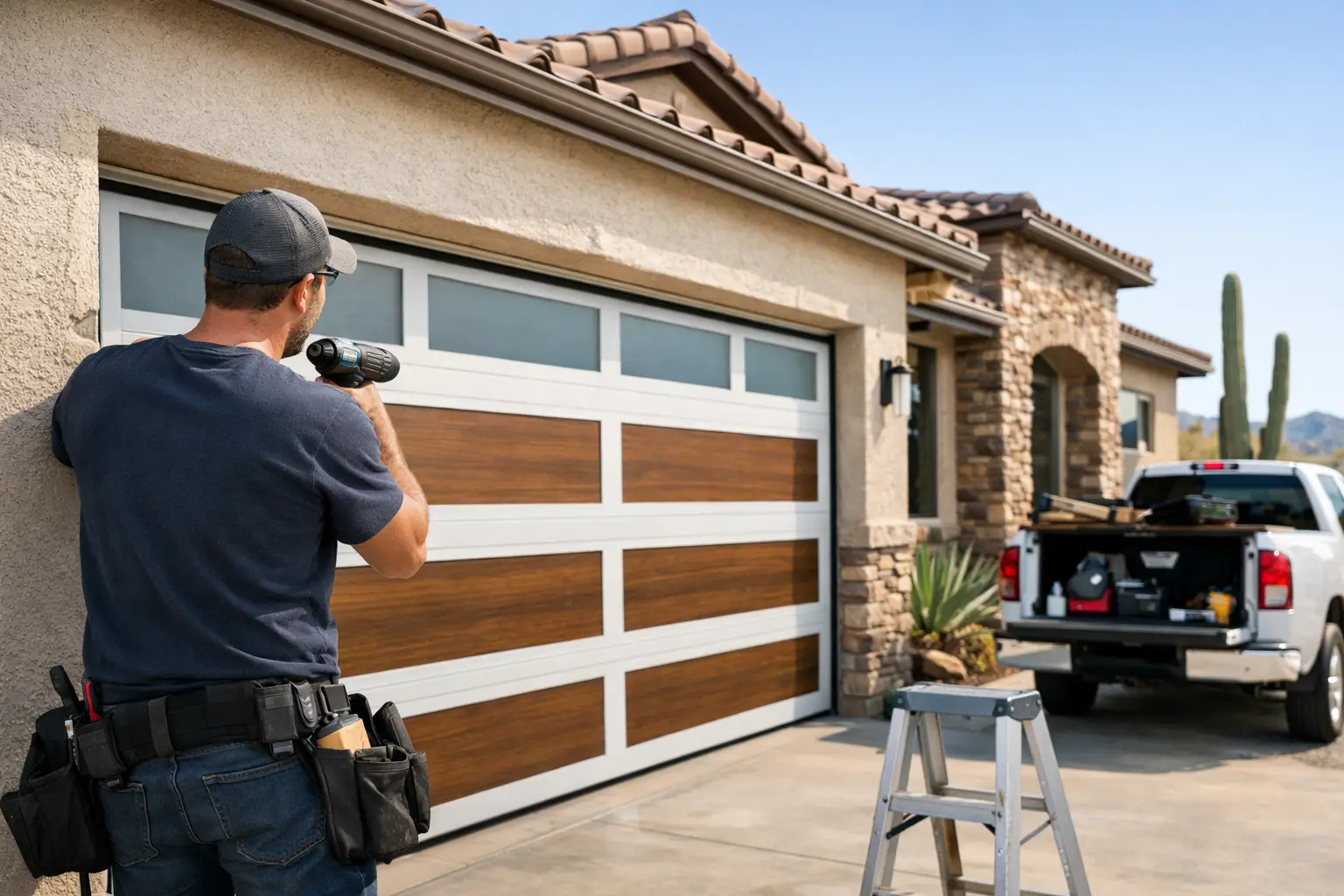
    Steel doors are a common choice because they are durable, low maintenance, and available in a wide range of styles. They work well for many homes in Mesa because they hold up well with proper installation and routine service. Insulated steel doors are especially useful if the garage shares walls with living spaces or if you want to reduce outside heat and noise.

    Wood doors offer a warm, high-end look, but they need more upkeep. In Arizona, sun exposure matters. If you love the appearance of wood, it is smart to ask about maintenance expectations before deciding. Faux wood options can be a strong middle ground because they give you the look without as much ongoing care.

    Modern glass and aluminum doors can look sharp on contemporary homes, but they are not ideal for every property. They may offer less privacy, and depending on the design, they can affect heat gain. That does not make them a bad choice. It just means style should be balanced with function.

    Color, panel design, windows, and decorative hardware also matter. A clean, simple door can raise curb appeal just as much as a more custom design. The right installer should help you think through these options without pushing you into upgrades you do not need.

    Why installation quality matters as much as the door itself

    A garage door is a heavy moving system, not a simple home accessory. Even a high-quality door can perform poorly if the tracks are off, the springs are mismatched, or the opener is not calibrated correctly.

    Good installation starts with measurements. Small errors can create bigger problems later, including uneven movement, extra strain on the opener, and premature wear on hardware. The door has to be fitted to the opening properly, balanced correctly, and tested through full cycles before the job is done.

    Spring setup is especially important. Torsion springs must match the weight and height of the door. If they do not, the opener can burn out faster and the door may become unsafe to operate. Safety sensors, force settings, and travel limits also need to be checked carefully. These are not details homeowners should have to guess about after the installer leaves.

    This is one reason local homeowners often prefer working with a company that handles both installation and ongoing service. If adjustments are needed later, it helps to have a team that already knows the setup and can respond quickly.

    What to expect during garage door installation Mesa service

    The process is usually more straightforward than people expect. After an estimate and door selection, the installer confirms measurements, hardware needs, and whether the existing opener can stay or should be replaced. Not every opener needs to go with a new door, but compatibility matters.

    On installation day, the old door is removed first. Then the new sections, tracks, springs, cables, and hardware are assembled and secured. The opener is connected or replaced, depending on the job. Once everything is in place, the system should be tested for balance, safety, and smooth operation.

    A professional team should also walk you through basic use and maintenance. That includes what normal movement sounds like, how to test the auto-reverse feature, and when to call for service. The job is not finished when the door opens once. It is finished when you know it is working correctly and what to expect going forward.

    Common mistakes homeowners make

    One common mistake is shopping by price alone. Everyone wants affordable service, and that is reasonable. But the cheapest quote is not always the best value if it skips important hardware, uses lower-grade components, or leaves out haul-away, adjustment, or warranty details.

    Another mistake is overlooking insulation. In Mesa, garage temperatures can climb fast. If your garage is attached to the house, insulation can help with comfort and energy efficiency. It may also reduce noise. For detached garages used only for parking, the value of insulation depends more on your budget and priorities.

    Homeowners also sometimes replace the door but keep an aging opener that is already near the end of its life. That can work in some cases, but not always. If the opener is underpowered, noisy, or missing current safety features, replacing both at the same time can save hassle later.

    Then there is the DIY temptation. Watching a few videos can make garage door installation look manageable, but springs and cables carry serious tension. This is not a weekend project to learn by trial and error. The risk to people, vehicles, and the home is real.

    How to choose the right installer

    Look for clear communication first. You should be able to get straight answers about pricing, timelines, door options, and whether repair or replacement makes more sense. If the conversation feels vague or rushed, that usually does not improve once the work starts.

    Transparent pricing matters. A reputable company should explain what is included and what could add cost. No one likes surprise charges, especially on a project tied to home security and daily access.

    Responsiveness matters too. If your garage door is stuck, damaged, or unsafe, waiting days for a callback is frustrating. A service-focused local company should treat your time like it matters. That is one reason many East Valley homeowners prefer working with businesses that are built around fast response, practical recommendations, and no-pressure service.

    Experience with both residential and commercial systems can also be a plus. It usually means the team has seen a wider range of setups, weights, opener types, and safety concerns. If you own a small business or manage a property, that broader experience becomes even more valuable.

    The long-term value of getting it done right

    A properly installed garage door should feel smooth, quiet, and dependable. It should open without jerking, close evenly, and work with your opener without strain. More importantly, it should give you confidence that the system is safe for your family or your business.

    That long-term value comes from a mix of good product selection, correct installation, and follow-up support when needed. The cheapest short-term solution often becomes the most expensive one when you factor in repeat service calls, early part failures, and frustration.

    For homeowners and small business owners, the better approach is simple. Ask questions, compare real value instead of just the sticker price, and choose a team that treats the job like more than a quick install. Companies like Riggs Rescue AZ understand that when your garage door stops working right, you are not just buying parts. You are paying for peace of mind, honest guidance, and a fix that holds up.

    If your current door is worn out, unreliable, or no longer worth repairing, replacing it now can save you from a bigger headache later. A good garage door should make your day easier, not add one more problem to solve.

  • Insulated vs Non Insulated Garage Door

    Insulated vs Non Insulated Garage Door

    That cheap garage door quote can look great – right up until your garage turns into an oven in July, your opener sounds louder than expected, and the door feels flimsier than you thought. When homeowners compare an insulated vs non insulated garage door, the real question is not just price. It is how the door will perform day after day in your home.

    In Arizona, that choice matters more than many people realize. Your garage may not be fully air conditioned, but it still affects comfort, noise, storage conditions, and in some homes even the rooms next to or above it. If you are replacing an old door or choosing one for a new installation, it helps to know where the extra money goes and when it actually pays off.

    Insulated vs non insulated garage door: what is the difference?

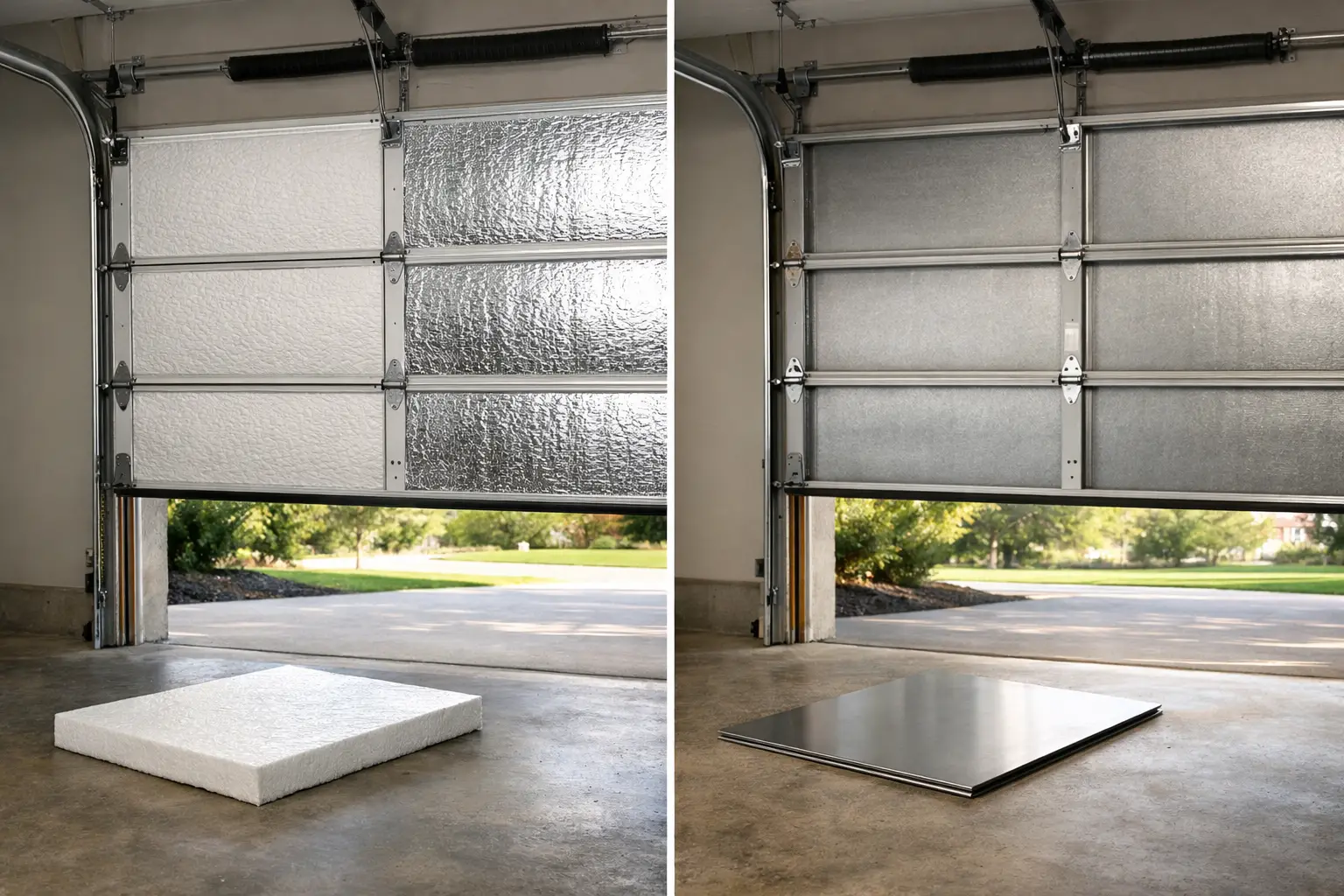
    A non-insulated garage door is usually a single layer of steel or another material without added thermal backing. It does the basic job – opening, closing, securing the garage, and protecting what is inside from sun, wind, and rain.

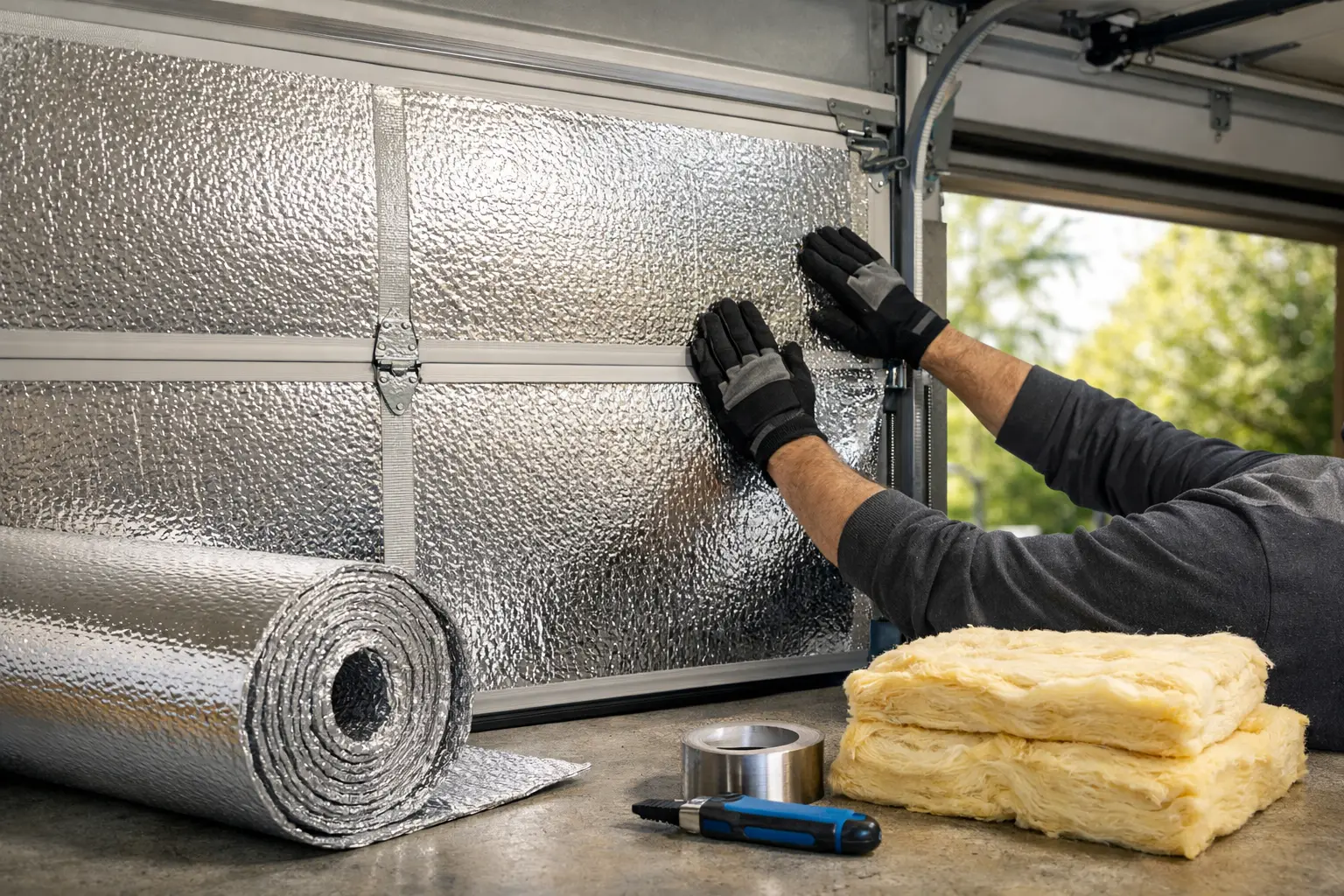
    An insulated garage door includes extra layers and insulating material inside the door sections. In many cases, that means steel on the outside, insulation in the middle, and sometimes a backing layer on the interior side. This creates a thicker, more solid door.

    That added construction changes more than temperature. Insulated doors tend to feel sturdier, sound quieter, and resist dents better than thinner non-insulated models. So while insulation is often sold as an energy feature, many homeowners end up appreciating the comfort and durability just as much.

    Why insulation matters in Arizona

    In places like Gilbert, Mesa, and Chandler, garage heat is not a small issue. Even if your garage is not part of your conditioned living space, the temperature inside can climb fast. That heat can affect stored items, tools, paint, batteries, workout equipment, and anything else you keep in the garage.

    It can also affect the rooms around it. If there is a bedroom above the garage or a wall connecting the garage to the house, a hotter garage can add strain to your cooling system. An insulated door will not turn your garage into a refrigerated space, but it can help reduce temperature swings and slow down how quickly heat moves through the door.

    That said, insulation is not magic. If your garage has no ventilation, uninsulated walls, and gaps around the door, an insulated door alone will not fix every comfort issue. It helps most when it is part of a well-sealed setup.

    The biggest reason some people still choose non-insulated

    Cost is the obvious reason. A non-insulated garage door usually has a lower upfront price, and for some properties that makes perfect sense. If you have a detached garage, use it only for parking, and are simply replacing a damaged door without upgrading the rest of the space, a non-insulated option may be the practical call.

    There is nothing wrong with choosing a simpler door when your needs are basic. A lot depends on how you use the garage. If it is more like a carport with walls, you may never notice enough of a difference to justify paying more.

    The key is to avoid buying strictly on sticker price without thinking about the long term. A cheaper door can cost less now but feel less comfortable, wear differently, and provide fewer benefits over time.

    Where insulated doors usually win

    For many homeowners, insulated garage doors make everyday life better in ways that show up immediately. The first thing people often notice is noise. Insulated doors generally open and close with less rattling and vibration. If your garage is under a bedroom, beside a living area, or you leave early for work, that matters.

    The second advantage is strength. Multi-layer insulated doors tend to be more rigid than single-layer doors. That can mean fewer dents from basketballs, bikes, trash cans, or the normal bumps that happen in an active household.

    Then there is comfort. If you work in the garage, use it as a home gym, do laundry there, or just spend any amount of time in the space, an insulated door can make it less harsh. It will not eliminate Arizona heat, but it can make the space more usable.

    Insulated vs non insulated garage door cost

    This is where the decision gets real. Insulated garage doors cost more upfront, sometimes noticeably more depending on size, material, style, and insulation level. If your priority is the lowest immediate replacement cost, non-insulated doors usually win.

    But the better question is whether the higher price lines up with how you use the garage. If the garage is attached to the house, if your family enters through it every day, or if you keep temperature-sensitive items inside, the upgrade often feels worthwhile.

    There can also be a value argument. A sturdier, quieter, more comfortable garage door may improve your experience with the home more than you expect. For some homeowners, that daily benefit matters just as much as any energy savings.

    What about energy efficiency?

    Insulation can help with efficiency, but this is where honest guidance matters. Some companies oversell garage door insulation as if it will dramatically slash utility bills on its own. Usually, the truth is more modest.

    An insulated door can reduce heat transfer, which may help if your garage is attached and influences nearby indoor spaces. But the actual savings depend on the full setup – wall insulation, weather sealing, how often the door opens, sun exposure, and whether the garage is conditioned.

    So yes, there can be energy benefits. Just do not treat them as the only reason to upgrade. Comfort, noise reduction, and durability are often the bigger everyday wins.

    When a non-insulated garage door is the right choice

    A non-insulated door can be the smart option if your garage is detached, used mainly for vehicle storage, or you are trying to stay within a strict budget. It can also make sense for some rental properties, workshops with other climate solutions, or situations where appearance and basic function matter more than added performance.

    If you go this route, quality still matters. Even a non-insulated door should be installed correctly, balanced properly, and fitted with good hardware. A budget-friendly choice should still be safe and dependable.

    When insulated is worth the upgrade

    An insulated door is often the better investment if your garage is attached to the home, you use it as a workspace, or you want a quieter and more solid-feeling door. It is also a strong choice if you plan to stay in the home for years and want fewer trade-offs in comfort and performance.

    Families often notice the benefit faster than expected. The garage is not just where the car goes. It is the main entry point, the storage room, the project zone, and sometimes the place where kids come and go all day. A better door changes how that space feels.

    A few details most homeowners overlook

    The door itself is only part of the equation. Weather stripping, bottom seals, track condition, opener settings, and overall installation quality all affect performance. A well-installed non-insulated door can outperform a poorly installed insulated one in some important ways.

    It also helps to pay attention to insulation ratings, but do not get lost in numbers alone. Higher ratings can be good, but your actual experience depends on the full door construction and how well the garage is sealed.

    This is one reason local advice matters. A good installer should ask how you use the garage, what bothers you about the current door, and what budget range feels realistic. That leads to a smarter recommendation than simply pushing the most expensive model.

    So which garage door should you choose?

    If you want the shortest answer, choose non-insulated when budget and basic function are your top priorities. Choose insulated when comfort, quieter operation, stronger construction, and better day-to-day performance matter more.

    For many Arizona homeowners, attached garages tip the scales toward insulated. For detached garages with minimal use, non-insulated can be completely fine. It depends on your home, your budget, and how much you expect from the space.

    At Riggs Rescue AZ, we have seen both choices make sense in the right situation. The best garage door is not the one with the biggest sales pitch. It is the one that fits your home, your routine, and your budget without surprises.

    If you are still weighing the options, think about how your garage actually functions for your family. That answer usually points you to the right door faster than any brochure ever will.

  • Pedestrian Gate Repair: What to Fix Fast

    Pedestrian Gate Repair: What to Fix Fast

    A pedestrian gate usually gets ignored until it stops latching, starts dragging, or won’t open without a shoulder check. That is when pedestrian gate repair moves from a minor annoyance to a safety and security issue. If the gate protects a side yard, pool area, courtyard, or business entry, a small problem can quickly turn into a daily headache.

    Most gate issues do not start with a dramatic failure. They start with subtle signs – a latch that sticks, hinges that squeak, a frame that looks slightly off, or a self-closing arm that suddenly feels weak. Catching those signs early can save money, reduce wear on the whole gate system, and help you avoid getting locked out or leaving a property unsecured.

    What pedestrian gate repair usually involves

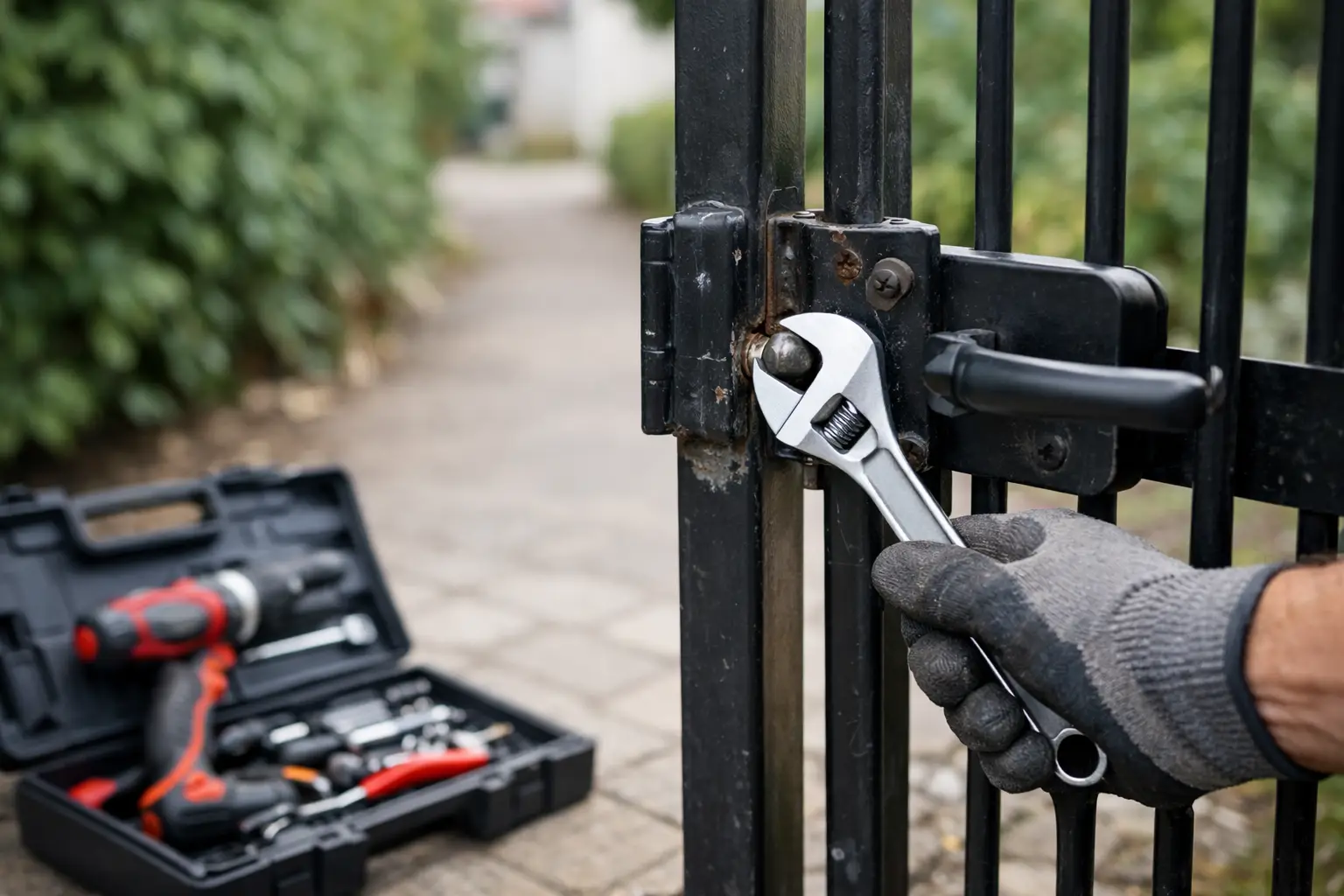
    Pedestrian gates are simpler than large vehicle gates, but they still have several moving parts that need to work together. A typical repair might involve hinges, latches, closers, locks, posts, welds, alignment, or the gate frame itself. In some cases, the issue is mechanical. In others, it comes from shifting ground, rust, heat exposure, or plain old wear.

    In Arizona, heat and sun can speed up material fatigue, especially on metal components, finishes, and hardware. Dust also gets into hinges and latch assemblies, which can make the gate feel rough or inconsistent. If a gate is installed near irrigation, moisture can add corrosion to the mix. That combination is why a gate that worked fine six months ago can suddenly start acting up.

    The most common signs you need pedestrian gate repair

    A gate rarely fails without warning. More often, it starts asking for help in small ways.

    If the gate drags on the ground or scrapes the concrete, alignment is likely off. That could mean a sagging hinge, a shifting post, or a frame that has started to twist. If the latch no longer lines up cleanly, the gate may need adjustment, hardware replacement, or post correction.

    A gate that slams shut can be just as problematic as one that will not close at all. Self-closing hardware wears out over time, and that matters even more around pool barriers or commercial access points where dependable closure is part of daily safety. If the lock sticks, the key turns poorly, or the handle feels loose, the issue may be isolated to hardware – but it can also point to a larger alignment problem.

    Rust spots, cracked welds, and loose fasteners are also worth attention. They might look cosmetic at first, but they often affect structural stability. A gate that wobbles when opened is not just inconvenient. It is telling you something is no longer secure.

    Why small gate problems get expensive

    The cheapest repair is usually the one done before other parts start compensating for the failure. When a hinge loosens, the latch starts taking extra stress. When the gate sags, people push harder, which strains the frame and post. When a closer weakens, the gate may be left partly open, exposing the property to security risks.

    For homeowners, that can mean pets getting out, side yard access left unsecured, or pool safety concerns. For business owners, it can mean employee frustration, customer access issues, or a gate that no longer meets the demands of everyday traffic.

    This is also where honest diagnosis matters. Sometimes a quick adjustment and hardware replacement is all you need. Other times, replacing one part without addressing the root cause only buys a little time. A dependable repair should solve the actual problem, not just the symptom.

    DIY or professional pedestrian gate repair?

    It depends on the issue.

    Basic maintenance like cleaning debris from the latch, tightening visible screws, or lubricating the correct hardware can help with minor sticking and noise. If the gate simply needs a small adjustment and the structure is sound, a handy property owner may be able to improve it.

    But once you are dealing with sagging, welding issues, bent frames, failing posts, lock problems, or gate closers that must be set correctly, professional repair is usually the better move. The same goes for any gate tied to a pool barrier, controlled access point, or safety requirement. A repair that looks straightforward can become frustrating fast if the gate has more than one point of failure.

    The real trade-off is time versus certainty. A DIY fix might feel cheaper upfront, but if the gate still drags, will not latch, or starts failing again a week later, you are paying twice – once in effort and again in repair.

    What a good repair visit should look like

    A proper service call should start with inspection, not guessing. The technician should check how the gate opens and closes, whether the latch aligns, how stable the post feels, and whether the frame shows stress, rust, or separation. If the gate has a closer, lock, magnetic latch, or specialty hardware, each part should be tested under normal use.

    From there, the repair plan should be clear. Maybe the gate needs hinge replacement and realignment. Maybe the post has shifted and needs correction. Maybe the latch is fine, but the gate frame has dropped enough that nothing will work right until the sag is fixed. Good service means explaining the difference.

    That is also where transparent pricing matters. Nobody wants a mystery bill for a gate that already caused enough frustration. Clear recommendations, practical options, and no-surprise communication go a long way, especially when the gate protects a home or small business.

    When repair makes more sense than replacement

    Not every bad gate needs to be replaced. In many cases, pedestrian gate repair is the smarter and more affordable option, especially if the gate frame is still in decent condition and the issue is limited to hardware, alignment, or localized damage.

    Repair often makes sense when the gate has one failing component, the post is still structurally solid, and the material is worth saving. It is also a good choice when you want to restore dependable function without taking on the cost of a full new gate installation.

    Replacement becomes more likely when the frame is severely bent, corrosion is widespread, welds are failing in multiple places, or previous repairs have turned into a patchwork. If a gate has chronic issues because it was installed poorly or no longer fits the opening correctly, replacement may save money over time.

    This is one of those areas where honest advice matters more than hard selling. A trustworthy gate company should be able to tell you when a repair is the right answer and when it is only delaying a bigger problem.

    Pedestrian gate repair for homes and small businesses

    Residential gate issues are often about convenience, safety, and peace of mind. A side gate that will not latch is an open invitation for trouble. A pool gate that does not self-close is more than inconvenient. A decorative front walk gate that sticks every day wears on you quickly.

    For small businesses, the priorities can shift a bit. Access control, consistent operation, and secure entry points matter more when staff, customers, or vendors use the gate regularly. A gate that jams during business hours can slow operations and create a poor first impression.

    That is why fast response matters. When a gate is part of daily access, waiting around for a vague service window is not helpful. Local companies that understand the area, the climate, and the equipment people actually use tend to diagnose these problems faster and fix them more efficiently.

    How to help your gate last longer

    You do not need a complicated maintenance plan to get more life out of a pedestrian gate. What helps most is paying attention.

    If the gate starts making a new noise, sticking, dragging, or missing the latch, do not force it for months and hope it works itself out. Keep hinges and moving hardware clean. Watch for rust, loose fasteners, and signs the post is shifting. If the gate closes too hard or not enough, have the closer checked before it fails completely.

    For many property owners, the biggest mistake is waiting until the gate stops working entirely. By then, the repair is often larger than it needed to be.

    If your gate has started giving you trouble, getting it checked sooner usually means a simpler fix, lower cost, and less disruption. For local homeowners and business owners who want fast, honest help, Riggs Rescue AZ is the kind of team that understands how to keep access points working without adding stress to the day. A gate should open, close, and secure the property without a fight – and when it does not, a timely repair can make life easier again.

  • Garage Door Style Selection Guide

    Garage Door Style Selection Guide

    A garage door can take up a big chunk of your home’s front view, so picking one isn’t a small cosmetic choice. A good garage door style selection guide should help you avoid the two mistakes we see most often – choosing a door that looks great online but feels wrong on the house, or choosing the cheapest option and regretting it once the Arizona heat, noise, and daily wear show up.

    If you’re replacing an old door or choosing one for a remodel, the best style is usually the one that balances curb appeal, function, and budget without creating headaches later. That means looking past the brochure photo and thinking about how the door will actually perform for your home and your routine.

    How to use this garage door style selection guide

    Start with the house, not the catalog. Your garage door should support the overall look of your exterior, not compete with it. On many homes, the garage door is one of the first things people notice from the street. If the style feels out of sync with the roofline, windows, trim, or front entry, the whole exterior can feel off even if the door itself is high quality.

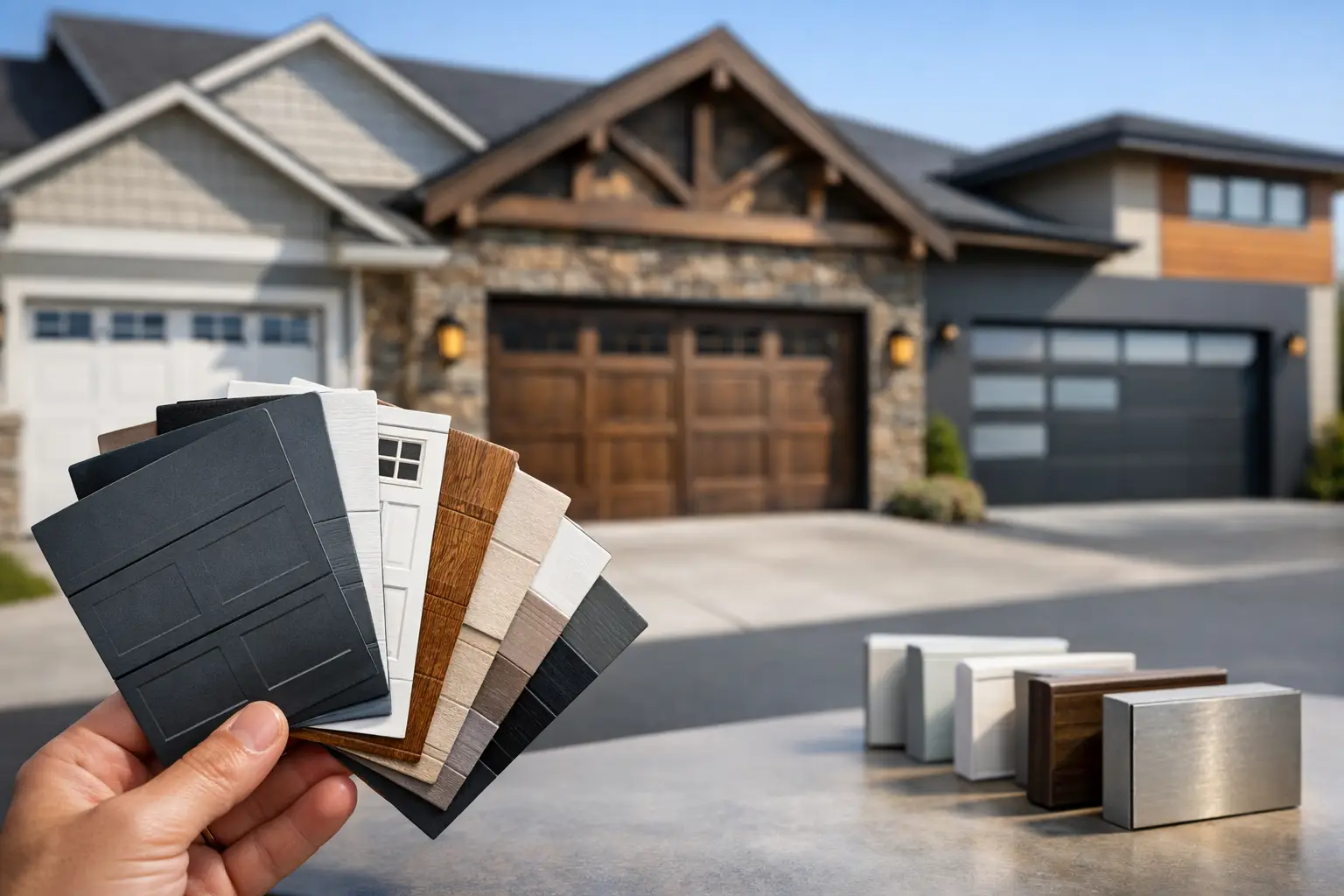
    Traditional raised-panel doors are still the most common choice because they work with a wide range of home styles. They’re clean, familiar, and usually the most budget-friendly. If you want a safe option that won’t look dated quickly, this is often where homeowners land.

    Carriage house doors have a more decorative, custom look. They can add warmth and character, especially on homes with stone, wood accents, or a more craftsman or rustic exterior. The trade-off is that they can cost more, and too much decorative hardware or texture can look busy on a simpler home.

    Modern garage doors lean on clean lines, flush panels, glass sections, and minimal detailing. They look sharp on contemporary homes, but they can also work on updated ranch-style properties when the rest of the exterior has a streamlined design. The key is making sure the garage door matches the home’s architecture. A very modern door on a traditional stucco home can feel forced unless other exterior updates tie it together.

    Match the door to your home’s architecture

    This is where many style decisions get easier. If your home has classic suburban lines, neutral colors, and standard window shapes, a raised-panel steel door is usually the simplest fit. You can still personalize it with window placement, panel design, and color, but the base style stays practical and timeless.

    If your home has wood beams, decorative trim, or a more custom-built look, carriage house styling often makes sense. It adds detail without requiring a full exterior renovation. Just be careful not to overdo it. A little design character goes a long way.

    For homes with flat roof elements, bold exterior lighting, dark window frames, or smooth stucco finishes, modern doors can look especially clean. Full-view glass doors are one option, though they are not always the best fit for every homeowner. They bring in light and look impressive, but they can also reduce privacy and may require more frequent cleaning to keep their appearance up.

    A helpful reality check is this: if the front door, light fixtures, and windows all say one style, your garage door should not say another. Consistency usually looks more expensive than mixing trends.

    Style is only part of the decision

    A garage door has to work hard. It opens and closes constantly, faces heat, wind, dust, and daily use, and affects security and noise. So while appearance matters, material and construction matter just as much.

    Steel is the most popular option for a reason. It’s durable, low maintenance, and available in a wide range of looks. You can get steel doors that mimic wood grain, modern steel doors with flush panels, or traditional raised-panel designs. For many homeowners, steel gives the best mix of price and performance.

    Wood has undeniable visual appeal, but it comes with more upkeep. In dry, sunny climates, finish maintenance matters. If you love the look of real wood, it can be worth it, but it’s usually not the best fit for someone who wants the lowest-maintenance option.

    Aluminum and glass doors are often chosen for modern designs. They can look excellent, but they’re a style-first choice that needs practical consideration. Think about privacy, sun exposure, and whether a highly contemporary look fits your long-term plans for the home.

    Insulation is another factor people often overlook until after installation. In Arizona, a garage can get extremely hot, especially if it faces direct afternoon sun. If the garage is attached to the house, used for storage, or doubles as a workspace, an insulated door can make a real difference in comfort and energy performance. It may cost more upfront, but for many households, it is money well spent.

    Color, windows, and hardware make a big difference

    Once you’ve chosen a base style, the finishing details shape the final result. Color is one of the biggest decisions. Many homeowners play it safe with white, tan, brown, charcoal, or black, and that usually works well. The best choice depends on your trim, stucco, roof, and overall contrast.

    Matching the garage door exactly to the house color can make it disappear, which some people want. Choosing a contrasting color can make it stand out, which can look great when done intentionally. Neither is automatically right. It depends on whether you want the garage door to blend in or help anchor the front exterior.

    Windows can soften the look of a large garage door and add curb appeal. They also bring natural light into the garage. But they are not always necessary. On some homes, a windowless door looks cleaner and more balanced. If privacy or heat gain is a concern, fewer windows may be the better choice.

    Decorative hardware is a similar case. Hinges and handles can give carriage-style doors more charm, but they can look out of place on modern or very simple homes. Good design is often about restraint.

    Think about your budget without thinking short-term

    A lower upfront price can be appealing, especially if the old door failed unexpectedly. But style decisions tied only to cost can lead to disappointment. If you choose a door you don’t really like because it saves a little money today, you’ll see that compromise every time you pull into the driveway.

    At the same time, the most expensive option is not automatically the smartest one. A custom wood-look door with premium windows and decorative hardware may look amazing, but if your priority is durability, quiet performance, and low maintenance, a simpler insulated steel door may serve you better.

    The best value usually comes from choosing the features that matter most to your daily life. For one homeowner, that’s insulation. For another, it’s a specific style that boosts resale appeal. For another, it’s a low-maintenance finish that still looks polished. Honest guidance matters here because the right answer is not identical for every property.

    Common mistakes this garage door style selection guide can help you avoid

    One mistake is choosing based only on a close-up sample. A panel finish or color chip can look great in your hand and completely different once it covers a full double door. Always think about scale.

    Another is ignoring the opener and hardware side of the job. A beautiful new door paired with an aging or undersized opener can lead to noise, strain, and performance issues. Style and function should be chosen together.

    Another common issue is going trendy too fast. Some styles look great right now but may not age well on every home. If you plan to stay in the house for years, classic usually beats flashy.

    And finally, many people underestimate how much expert input helps. Photos, measurements, sun exposure, and home style all matter. What looks ideal in one neighborhood may not be the best fit for another. That’s where a local team like Riggs Rescue AZ can give practical advice instead of a sales pitch.

    The right garage door should feel easy every day

    When the right style is installed, you notice more than the appearance. The house feels more put together. The garage works better. The door looks like it belongs there, and you stop thinking about it because it simply does its job.

    That’s usually the clearest sign you made the right choice. Not that it looked impressive in a showroom, but that it fits your home, your budget, and your day-to-day life without any surprises. If you’re narrowing down options, trust the style that still makes sense after you’ve looked past the surface.

  • Garage Door Tune Up Checklist That Works

    Garage Door Tune Up Checklist That Works

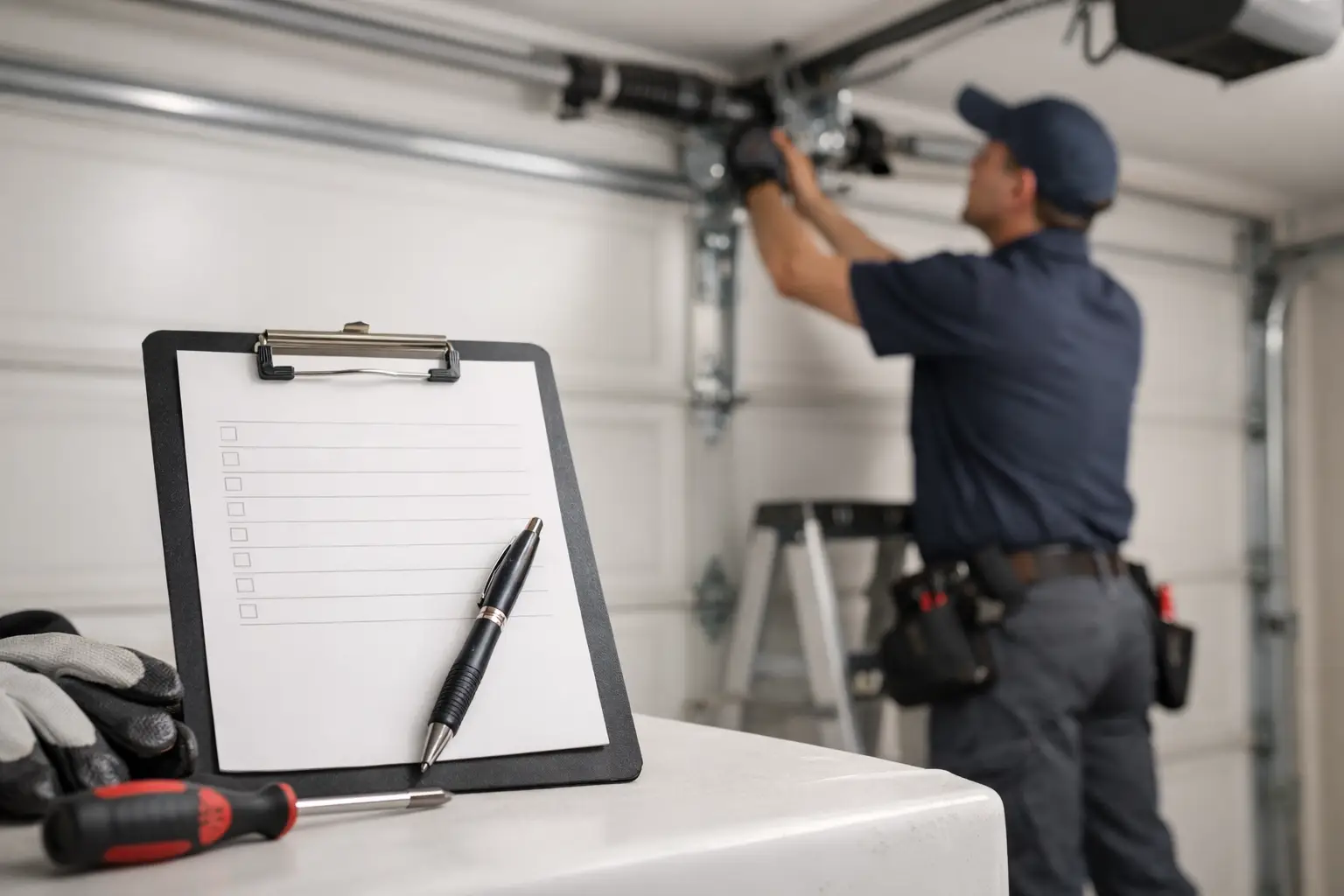
    That grinding sound usually starts small. Then the door gets a little slower, a little louder, or a little harder to trust. A solid garage door tune up checklist helps you catch those problems early, before a worn roller, loose bracket, or tired spring turns into a bigger repair.

    For most homeowners, the goal is simple. You want the door to open smoothly, close safely, and not leave you guessing whether something is about to fail. The good news is that a basic tune-up is mostly about inspection, testing, and light maintenance. The less-good news is that some parts should never be adjusted without training, especially anything tied to spring tension.

    Why a garage door tune up checklist matters

    Garage doors are heavy, used often, and easy to ignore when they seem to be working fine. But a door can be “working” while still putting extra strain on the opener, wearing out hardware faster, or creating a safety issue for your family or customers.

    A tune-up is not just about quieting squeaks. It is about finding imbalance, worn components, and safety system issues while the fix is still manageable. In Arizona, dust, heat, and daily use can make moving parts wear faster than many people expect. If your garage is the main entry point to your home, that wear adds up quickly.

    What to do before you start

    Begin with the opener unplugged or the power switched off if you are doing a close visual inspection near moving parts. Keep kids and pets away from the area. Have a sturdy ladder, a clean rag, garage-door-safe lubricant, and good lighting.

    Do not loosen or adjust torsion springs, extension springs, cables, or bottom brackets. Those parts are under serious tension. A homeowner tune-up should stay on the safe side of maintenance. Inspection is fine. Forceful adjustment is not.

    Garage door tune up checklist for homeowners

    Watch the door run through a full cycle

    Start by reconnecting power if needed and opening and closing the door with nothing in its path. Listen for scraping, popping, rattling, or grinding. Watch whether the door moves evenly on both sides.

    A healthy door should travel smoothly without jerking or shaking. If one side lags, the door looks crooked, or the opener sounds strained, stop there and schedule service. Those signs can point to balance issues, track trouble, or hardware wear that should be handled professionally.

    Check the rollers, hinges, and brackets

    Look at the rollers first. If they are chipped, cracked, wobbling, or badly worn, they are due for replacement. Rollers do wear out, and noisy operation is often one of the first clues.

    Next, inspect hinges and mounting brackets. You are looking for loose fasteners, bent metal, and signs of rust or fatigue. Tightening minor loose hardware can help, but if a bracket is attached near a spring or cable assembly, leave it alone and call a pro. This is one of those it-depends situations where location matters as much as the issue itself.

    Inspect the tracks without forcing alignment

    Tracks should look clean, secure, and reasonably straight. A little dust is normal. Heavy buildup, dents, gaps, or misalignment are not.

    Wipe debris away with a dry or slightly damp cloth. Do not grease the tracks. That usually makes things worse by attracting grime and interfering with proper roller movement. If the track is bent or pulling away from the wall, that is a repair call, not a DIY fix.

    Test door balance

    Disconnect the opener using the emergency release cord when the door is in the closed position. Then lift the door by hand to about halfway and carefully let go.

    If the door stays near that position, balance is probably in a decent range. If it slams down, shoots up, or feels unusually heavy, the spring system may be off. That is a major warning sign. An unbalanced door puts extra wear on the opener and can become unsafe fast.

    Lubricate the right parts

    A little lubricant in the right places goes a long way. Apply garage-door-specific lubricant to rollers, hinges, bearings, and springs if the product label allows for it. Wipe off excess so it does not drip or collect dust.

    Skip the tracks, and do not use heavy grease where it does not belong. If your door is still loud after proper lubrication, the issue is probably wear or alignment, not just dryness.

    Test the auto-reverse safety feature

    Place a solid object like a piece of wood flat on the floor in the door’s path. Close the door using the opener. When the door touches the object, it should reverse.

    If it does not reverse promptly, stop using the door until the opener settings and safety system are checked. This is one of the most important parts of any tune-up because it affects people, pets, and property.

    Check the photo-eye sensors

    The photo eyes should be mounted facing each other near the bottom of the door tracks. Clean the lenses gently and make sure nothing blocks the beam.

    If the opener lights blink or the door refuses to close unless you hold the wall button, the sensors may be dirty, misaligned, or failing. Sometimes a simple cleaning fixes it. Sometimes wiring or sensor replacement is needed.

    Look at the cables and springs from a safe distance

    You are not touching these parts, just inspecting them. Look for frayed cables, rust, gaps in torsion springs, stretched extension springs, or anything that looks uneven from side to side.

    If you see damage, stop using the door if possible. A failing spring or cable can go from questionable to dangerous without much warning.

    Check the opener response

    Openers should start without hesitation and stop where they are supposed to. If the motor hums, strains, or runs longer than normal, that may point to a door problem, not just an opener problem.

    Also test the wall control and remote transmitters. Replace weak batteries before assuming the opener itself is failing. Small issues sometimes have small fixes.

    How often should you do a tune-up?

    For most homes, a visual and functional check every few months is smart, with a more complete tune-up about once a year. If your garage door is the main entrance to your house, you may want to check it more often. The same goes for rental properties and small commercial spaces where the door sees heavier daily use.

    If the door is older, exposed to lots of dust, or already making noise, waiting a full year may be too long. Preventive service is usually cheaper than emergency repair.

    Signs your checklist found something you should not ignore

    Some issues can wait a few days for scheduling. Others should move to the top of your list right away. Call for professional service if the door is crooked, suddenly heavy, reverses unpredictably, has a broken spring, shows frayed cables, or makes sharp banging noises.

    Another common red flag is a door that closes partway and then goes back up. That could be sensor trouble, force-setting problems, track issues, or an emerging balance problem. The exact cause varies, which is why a hands-on inspection matters.

    When a tune-up saves money and when it doesn’t

    Routine maintenance is one of the best ways to extend the life of rollers, hinges, bearings, and openers. It can reduce noise, improve reliability, and help you avoid surprise breakdowns.

    But maintenance is not a cure-all. If the door is badly off track, panels are damaged, the spring system is failing, or the opener is at the end of its lifespan, a tune-up will not solve the root issue. Honest service means telling the difference. Sometimes the affordable move is maintenance. Sometimes the affordable move is replacing the part that keeps causing trouble.

    That is especially true for homeowners trying to get one more season out of a struggling system. A quick fix can be useful, but only if it is actually safe and cost-effective.

    A practical approach for busy homeowners

    If you like handling basic home maintenance, this checklist gives you a strong starting point. Inspect, test, clean, and lubricate what is safe to handle. Pay attention to changes in sound, speed, and balance. Those details matter more than most people realize.

    And if your door is telling you something is off, trust that instinct. Fast service, clear answers, and no-surprise pricing make a big difference when a garage door starts acting up. That is the kind of help Riggs Rescue AZ is built around.

    A garage door does not have to fail completely before it deserves attention. Catching the problem while it is still small is often the easiest way to keep your day on track.

  • Garage Door Insulation Buyer Guide

    Garage Door Insulation Buyer Guide

    That hot wall of air you feel when you open the garage in an Arizona summer is exactly why a garage door insulation buyer guide matters. If your garage sits under a bedroom, doubles as a workshop, or shares a wall with your living space, the right insulation can make a noticeable difference in comfort, noise, and day-to-day wear on your door system.

    The key is choosing insulation that matches how you actually use the garage. Some homeowners want better temperature control. Others mostly care about reducing street noise or helping the garage feel less like an oven in the afternoon. Those goals can overlap, but they do not always point to the same product.

    What garage door insulation really does

    Garage door insulation slows heat transfer through the door. It does not turn your garage into a fully conditioned room on its own, and it will not fix air leaks around the perimeter if the weather seal is worn out. But it can help reduce extreme swings in temperature, especially when paired with a well-sealed door.

    It also changes how the door sounds and feels. An insulated door usually vibrates less, sounds less tinny, and can feel more solid during operation. That matters if your garage door opens early in the morning, if you have rooms nearby, or if the garage is part of your daily living space instead of just storage.

    For Arizona homes, insulation often makes the biggest difference when the garage faces west, gets direct afternoon sun, or has attached rooms that are harder to keep comfortable. In those cases, the garage door is not a small detail. It is one of the biggest surfaces on the front of the home.

    Garage door insulation buyer guide: start with the door you already have

    Before comparing kits or insulated replacement doors, look at the door itself. Not every garage door is a good candidate for adding insulation.

    A newer steel sectional door usually gives you the best chance of a clean upgrade. It has panel cavities that can accept insulation, and the door hardware may already be in good enough shape to handle a little extra weight. An older door is a different story. If the panels are thin, dented, warped, or already struggling to open smoothly, adding insulation can create more problems than benefits.

    This is where honest guidance matters. If your door is near the end of its life, paying to insulate it may not be the most affordable path. In some cases, replacing the door with an insulated model is the smarter long-term move because you improve comfort, curb appeal, and operation all at once.

    The main insulation types and how they compare

    The three most common options are foam board, reflective insulation, and spray foam or factory-insulated doors.

    Foam board is a common retrofit choice because it is fairly affordable and offers a decent balance of insulation value and structure. Polystyrene panels are common in DIY kits. Polyisocyanurate usually offers a higher R-value per inch, which can help when space is limited inside the panel.

    Reflective insulation is different. It works by reflecting radiant heat rather than delivering high traditional R-value. In very sunny climates, that can be helpful, but it tends to perform best when installed correctly with the right air space. Homeowners sometimes buy it expecting dramatic temperature control and end up disappointed because it was not the right fit for the door or the garage setup.

    Spray foam can be effective, but it is not always ideal for a garage door retrofit. If it is applied unevenly or adds too much weight, it can affect door balance and operation. Factory-insulated doors, by contrast, are built for insulation from the start. These doors often have steel on both sides with insulation in between, giving better performance, better durability, and a cleaner finish.

    If you want the short version, foam board is often the practical middle ground for retrofits. Reflective insulation can help in the right situation. A factory-insulated door is usually the best-performing option if replacement is already on the table.

    Do not chase R-value without context

    R-value measures resistance to heat flow, and yes, it matters. But it should not be the only thing driving the decision.

    A higher R-value sounds great on paper, but the real-world result depends on installation quality, door construction, perimeter seals, and how often the garage door opens. If the bottom seal is cracked and daylight shows around the sides, even good insulation will have limited impact.

    It also depends on expectations. If your garage is unconditioned and opens several times a day, insulation can help moderate temperatures, but it will not hold a cool indoor temperature the way a fully insulated and air-sealed room would. If your garage is attached and you want nearby rooms to feel less affected by garage heat, insulation becomes more valuable even if the garage itself never feels cold.

    Weight, balance, and opener strain

    This is the part many buyers miss. Any insulation added to an existing door adds weight. Sometimes it is a modest amount. Sometimes it is enough to throw off spring balance or make the opener work harder than it should.

    A garage door should be properly balanced so the opener is guiding the door, not doing all the lifting. When insulation is added without checking the springs and overall condition of the system, you can end up with noisy operation, premature wear, or an opener that struggles.

    That does not mean retrofitting is a bad idea. It just means the door system has to be considered as a whole. If the rollers, hinges, or springs are already worn, insulation may expose those issues faster.

    A practical budget view

    This garage door insulation buyer guide would not be very useful without talking about cost. The cheapest option is usually a basic insulation kit, but cheap only wins if the result actually lasts and performs.

    If you are insulating a door that is still in solid condition, a retrofit can be a sensible upgrade. If the door is older and noisy, has damaged panels, or lacks good sealing, spending money on insulation alone may feel like a patch instead of a fix.

    A replacement insulated door costs more upfront, but it can bring better long-term value if you were already facing repairs, poor curb appeal, or ongoing comfort complaints. For some homeowners and small business owners, that is the better use of the budget because it cuts down on future service issues and improves daily performance.

    Signs an insulated replacement door may be the better buy

    Sometimes the smartest buying decision is not an insulation kit at all. If your current door shakes during operation, has visible rust or damage, feels paper-thin, or is paired with an aging opener, replacement deserves a serious look.

    A modern insulated door is designed as a complete system. It often operates more quietly, seals better, and looks better from the street. If you use the garage as the main entry point to the home, that upgrade tends to pay you back in convenience every day.

    For homeowners in hot Arizona neighborhoods where garages bake for hours, a better-built insulated door can also help take some pressure off adjacent rooms. It is not magic, but it is often more effective than trying to force a lightweight old door to perform like a newer insulated model.

    What to ask before you buy

    Ask how much weight the insulation adds, whether your current door can handle it, and whether the springs may need adjustment. Ask what kind of R-value you are realistically getting once the product is installed in your specific door. Ask whether your current weather seals are in good shape, because insulation without sealing leaves money on the table.

    You should also ask how the insulation will hold up over time. Some materials sag, peel, or absorb damage more easily than others. A clean install matters, especially if the garage is visible, used as a workspace, or attached to the home.

    If you want a straightforward answer, choose the option that fits the age and condition of the door first, then your comfort goals second. That order prevents overspending on the wrong fix.

    At Riggs Rescue AZ, we see plenty of garage doors where the best answer is not the most expensive one. Sometimes that means improving seals and adding insulation to a solid existing door. Other times it means skipping the patchwork and putting that money toward a better insulated replacement. Either way, the right decision should leave you with fewer surprises, better performance, and a garage that works better in real life, not just on paper.

    If your garage is too hot, too loud, or just feels unfinished, insulation is worth a closer look. The best buying decision is usually the one that solves the whole problem, not just the part you notice first.

man-in-blue-shirt

Exclusive Residential Service Offer 🏷️

For a limited time, homeowners can enjoy exclusive savings with a FREE Service Call, No Trip Charge, and a FREE Garage Door Safety Inspection on qualifying services.

Offer Includes :