Category: Uncategorized

  • Garage Door Remote Not Working? Start Here

    Garage Door Remote Not Working? Start Here

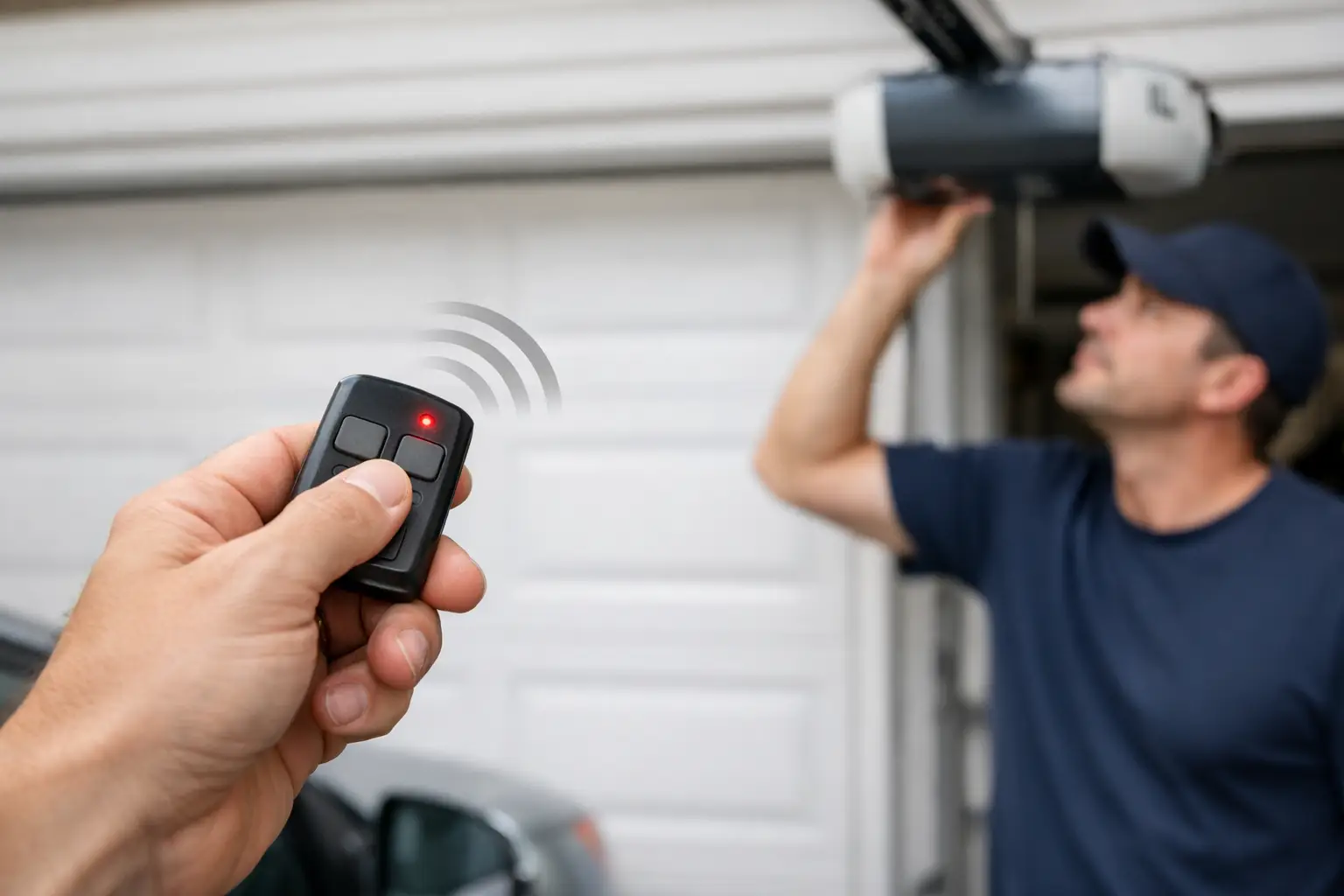
    You press the button, wait for the familiar hum, and nothing happens. When your garage door remote not working problem shows up out of nowhere, it can throw off your whole day, especially when you are trying to leave for work, get the kids inside, or close up the house at night.

    The good news is that a dead remote does not always mean a major repair. Sometimes the fix is as simple as a battery swap. Other times, the issue points to something bigger with the opener, safety sensors, or signal programming. The key is knowing what you can check safely on your own and when it makes sense to bring in a professional so you do not waste time or money.

    Why a garage door remote is not working

    Most remote problems come down to one of a handful of issues. The remote itself may have a weak battery, damaged internal contacts, or worn buttons. In other cases, the opener is receiving no signal because the remote lost its programming or because interference is disrupting communication.

    There is also the possibility that the remote is not really the problem. If the wall button works inconsistently, the opener lights blink, or the door starts to move and reverses, the real issue may be with the opener system, sensor alignment, or door balance. That is why a little troubleshooting matters. It helps you avoid replacing the wrong part.

    Start with the simplest checks first

    If your garage door remote not working issue just started, begin with the basics. Replace the battery, even if you changed it recently. Batteries can be weak out of the package, and Arizona heat can shorten their life faster than many homeowners expect.

    Next, move closer to the garage door and try again. If the remote works only when you are right in front of the door, that often points to a fading battery, signal interference, or an opener antenna issue. Check that the opener antenna is hanging down freely and is not tucked up or damaged.

    It also helps to test a second remote if you have one. If one remote works and the other does not, the problem is likely isolated to the bad remote. If neither remote works, your attention should shift to the opener or the system as a whole.

    Check whether the wall button still works

    This step tells you a lot. If the wall control opens and closes the door normally, the opener still has power and the main motor may be fine. In that case, the problem is more likely related to the remote battery, programming, or signal path.

    If the wall button does not work either, look for a more general opener problem. Maybe the unit lost power, a breaker tripped, or the opener is in lock mode. Many wall controls have a lock feature that disables remote use. It is easy to trigger by accident, especially in busy households.

    The lock feature is one of those small issues that can look like a major failure. If the opener lights flash but the remote does nothing, checking the wall console for a lock setting is worth a minute of your time.

    Reprogramming the remote may solve it

    Remotes can lose their connection to the opener after a power outage, surge, dead battery, or replacement opener board. If that happens, the remote may light up and appear normal but still fail to operate the door.

    Most garage door openers have a learn button on the motor unit. Reprogramming usually involves pressing that button and then pressing the remote button within a short time window. The exact steps vary by brand, so the process depends on your opener model.

    This is one of those fixes that is often straightforward but not always smooth. If the remote still will not pair, there may be a compatibility issue, a faulty receiver, or a logic board problem inside the opener. That is where a quick service call can save a lot of trial and error.

    Signal interference is more common than people think

    A remote can stop working consistently even when nothing is broken. Nearby LED bulbs, wireless devices, security equipment, and even some chargers can interfere with garage door radio signals. If the remote works only sometimes, or only from certain spots in the driveway, interference is worth considering.

    This can be frustrating because it does not always look obvious. Maybe the problem started after a new light bulb was installed in the opener, or after a neighbor added new electronics nearby. In these cases, the remote and opener may both be functional, but the signal is being disrupted.

    That does not mean every intermittent issue is interference. A failing receiver can act similarly. The difference is that interference tends to be location-based or timing-based, while component failure usually gets worse over time no matter where you stand.

    The remote may be fine, but the door may not be

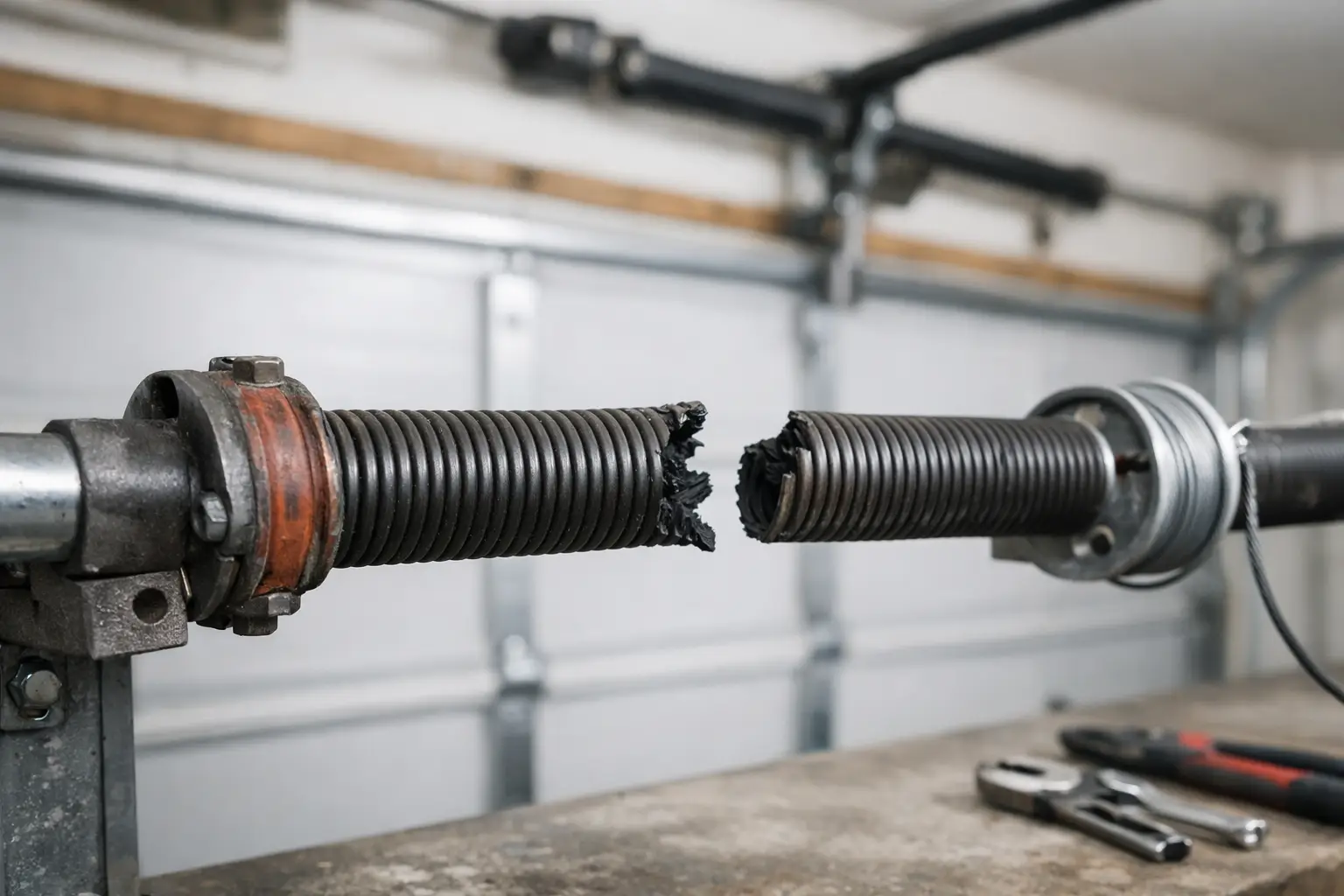
    If the opener clicks but the door does not move, the problem may be mechanical rather than electrical. Broken springs, damaged rollers, door misalignment, or a seized track can keep the system from operating even when the remote is sending the right command.

    This is especially important because homeowners sometimes keep pressing the remote, assuming the signal is weak. That can put extra strain on the opener if the door is too heavy or jammed. A properly working opener is designed to guide the door, not force a failing system to move.

    If the door feels unusually heavy, crooked, or noisy, stop there. Garage door springs and related components carry serious tension. That is not a safe DIY repair.

    Safety sensors can make the remote seem dead

    Photo-eye sensors near the bottom of the garage door track are designed to stop the door from closing on a person, pet, or object. If those sensors are blocked, dirty, bumped out of alignment, or have wiring issues, the door may refuse to close with the remote.

    This can be confusing because the door might still open normally. Many homeowners think the remote is failing, when the opener is actually responding exactly as it should by preventing a close cycle.

    Check for debris, spider webs, or storage items near the sensors. Make sure both sensor lights appear normal. If one is blinking or dark, alignment or wiring may be the issue. Cleaning the lenses gently can help, but if the problem keeps coming back, a professional inspection is the safer call.

    When replacing the remote makes sense

    Remotes do wear out. Buttons can stick, internal boards can fail, and older remotes may simply stop communicating reliably. If the battery is fresh, programming will not hold, and another remote works fine, replacement is often the most practical move.

    Still, it pays to make sure you are buying the correct remote for your opener. Not all remotes are interchangeable, and universal options can be hit or miss depending on the system. A wrong purchase can turn a simple fix into more frustration.

    If your opener is older, there is also a trade-off to consider. Replacing one remote may solve the immediate problem, but if the opener is aging, noisy, and inconsistent overall, upgrading the opener could be the better long-term value.

    When to call for help

    Some remote issues are quick fixes. Others are signs of a deeper opener or door problem. If you have replaced the battery, checked the lock feature, tested the wall button, confirmed the sensors are clear, and tried reprogramming without success, it is time for an expert to take a look.

    That is also true if the opener hums but will not run, the door reverses unexpectedly, or the remote works only once in a while. In homes and small businesses across Gilbert, Chandler, Mesa, Queen Creek, and nearby areas, these are common service calls because the symptoms feel small at first but usually point to something more than a simple remote glitch.

    A trained technician can quickly tell whether the issue is the remote, receiver, logic board, safety sensor system, or the door hardware itself. That matters because honest diagnosis saves money. You do not want to replace remotes if the opener is failing, and you do not want to replace an opener if the issue is just a misaligned sensor.

    At Riggs Rescue AZ, that practical approach matters. Fast, reliable service, clear recommendations, and no surprises make a stressful garage issue easier to handle.

    A few ways to avoid the problem next time

    A little maintenance goes a long way. Replace remote batteries before they fully die, keep sensors clean, and pay attention to changes in door speed or noise. If the door starts acting differently, addressing it early can prevent a more expensive repair later.

    It also helps to store remotes carefully. Dropping them, leaving them in extreme heat, or exposing them to moisture can shorten their life. In Arizona, that hot-car effect is real, and electronics feel it.

    When your garage door remote stops working, the right next step is not to panic or guess. Start simple, stay safe, and if the signs point beyond a battery or programming issue, get it checked before a small inconvenience turns into a door that will not open when you need it most.
  • How to Prepare for Garage Door Installation

    How to Prepare for Garage Door Installation

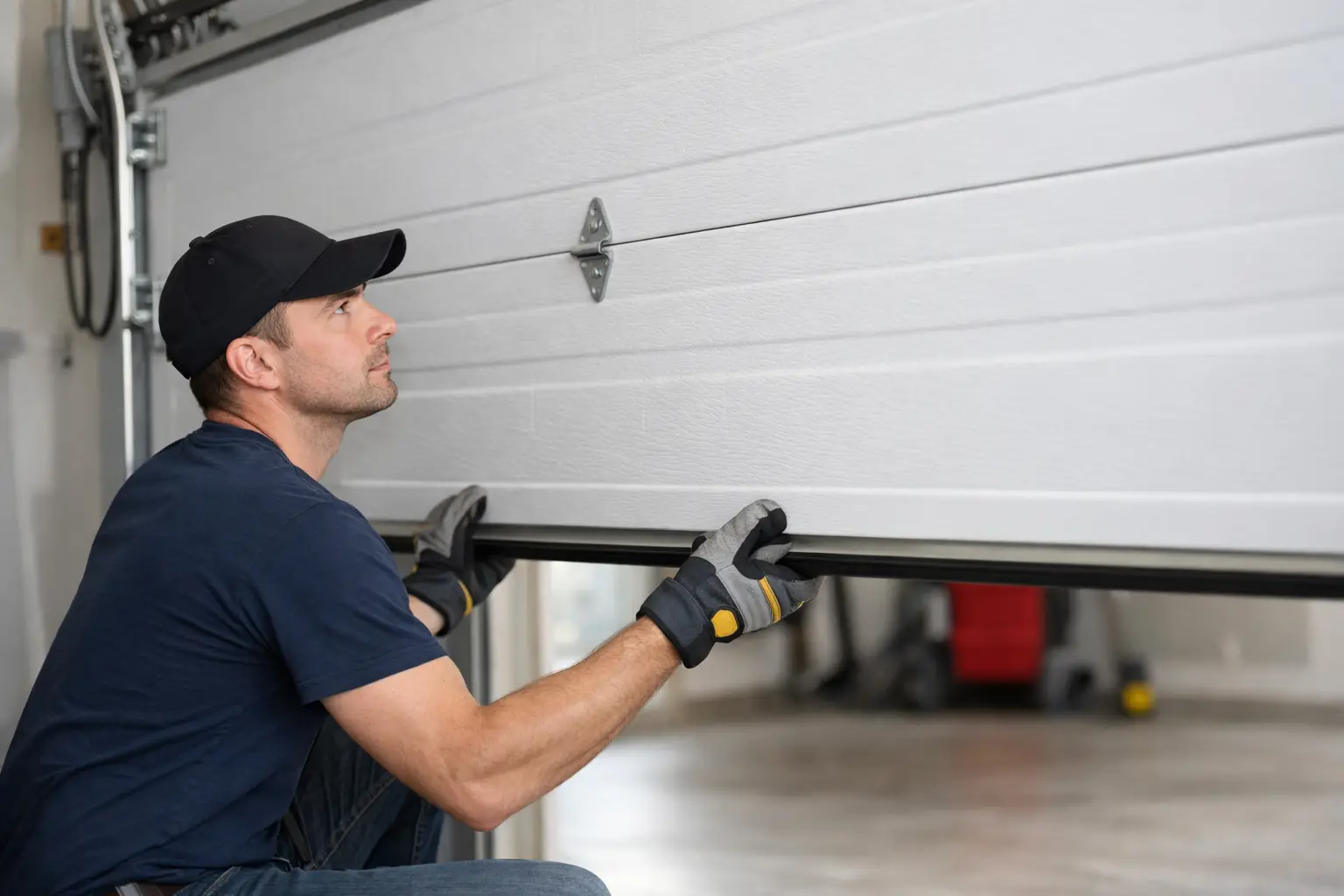
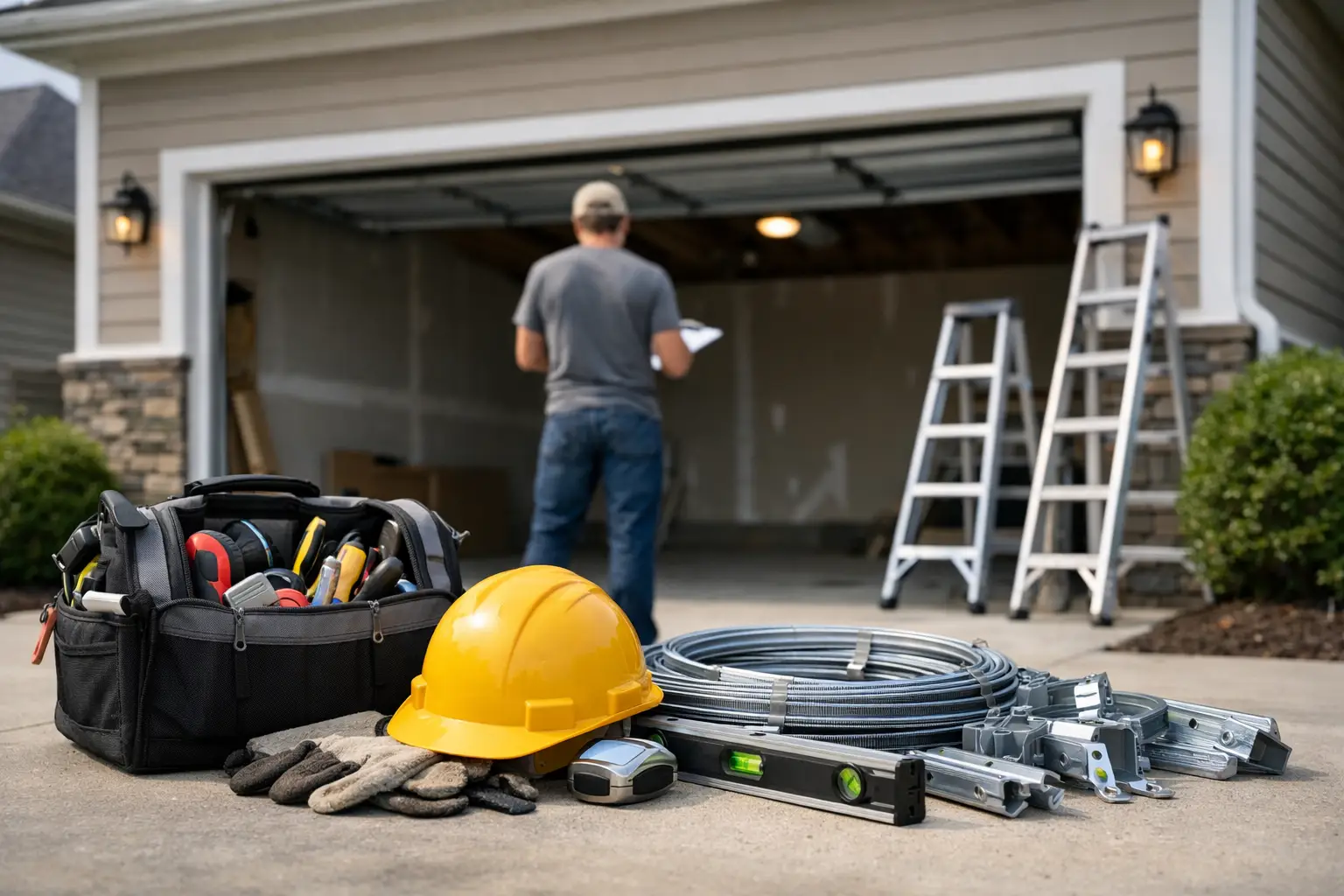
    A new garage door can change the way your home looks and works in a single day, but the smoothest installs usually start before the crew ever pulls into the driveway. If you’re wondering how to prepare for garage door installation, the goal is simple: clear the space, confirm the details, and remove anything that could slow the job down or create a safety issue.

    That preparation matters more than most homeowners expect. Garage doors are heavy systems with moving parts, tracks, springs, electrical components, and tight clearances. A little planning helps the installation team work faster, helps protect your belongings, and lowers the chance of last-minute delays.

    How to Prepare for Garage Door Installation Before Install Day

    The first thing to do is make sure everyone is working from the same plan. Confirm the door style, size, color, window layout, insulation level, and opener setup ahead of time. If you’re replacing an older door, this is also the time to ask whether your existing opener is compatible or if it makes more sense to replace it at the same time.

    This is where a lot of avoidable stress shows up. Homeowners sometimes assume the new door will work with the old track or opener, but that depends on age, condition, and model compatibility. In some cases, reusing parts can save money. In others, it creates future reliability issues. Honest installers will tell you which route makes sense and why.

    You should also ask how long the job is expected to take and whether you need to be home for the full appointment. Most standard residential installations are straightforward, but custom doors, opener upgrades, framing repairs, or uneven garage openings can add time.

    Clear the Garage So the Crew Can Work Safely

    One of the most helpful things you can do is create working room inside and outside the garage. Installation crews need space to remove the old door, assemble sections, set tracks, connect hardware, and test the system. If the area is cramped, the job gets slower and more complicated.

    Move vehicles out of the garage and out of the driveway if possible. That gives the team room to unload materials and work without weaving around obstacles. Inside the garage, clear items away from both side walls and from the area directly under the opener. A few feet of open space around the door opening makes a big difference.

    If you use the garage for storage, you do not need to empty the entire thing. You just need enough room for safe access. Bikes, tools, storage bins, ladders, and lawn equipment are common problem areas. If anything is fragile, dusty, or valuable, move it farther back or cover it.

    Pay Attention to Ceiling Space

    Many homeowners remember the floor but forget the ceiling. If you have hanging storage racks, long light fixtures, or anything suspended near the garage door tracks or opener area, mention it before install day. Some setups are fine as-is, while others may need adjustment.

    Low clearance can affect track configuration and opener placement. It does not always stop the installation, but it can change the approach. The earlier that gets addressed, the fewer surprises you deal with.

    Protect What Stays in the Garage

    Even a careful installation can stir up dust and debris, especially if the old door, hardware, or framing has been in place for years. Cover workbenches, shelves, and stored items that cannot be moved easily. If you keep paint, chemicals, or temperature-sensitive materials in the garage, make sure they are sealed and out of the immediate work zone.

    Pets and kids should stay away from the garage during the installation. That is not just for convenience. Door sections, springs, and tools can create serious safety risks while the system is being removed and installed.

    If you have an attached garage, think about the door leading into the house too. Installers may need to move in and out to access outlets, breaker panels, or controls. Make sure that route is clear.

    Make Sure Power and Access Are Ready

    If your new setup includes an automatic opener, the crew will need a working electrical outlet in the right location. If there is no outlet near the opener area, that can delay the job or require additional electrical work. It is worth checking this before the appointment instead of finding out mid-install.

    Access matters too. Unlock any side doors, gates, or interior doors the technicians may need to use. If your community has HOA rules, gate codes, or restricted access hours, share that ahead of time. For homeowners in busy East Valley neighborhoods, this can save a lot of back-and-forth on installation day.

    If you will not be home, ask whether that is an option before assuming it is fine. Some jobs require someone on-site to approve final placement, test remotes, or go over warranty and safety features.

    Think Beyond the Door Itself

    A garage door installation often brings up related decisions. If your weather seal is worn, if the bottom rubber has gaps, or if your opener is noisy and inconsistent, replacing only the door may not fully solve the issue. This is one of those it-depends situations.

    If the opener is relatively new and working well, keeping it may be reasonable. If it struggles, lacks safety features, or is nearing the end of its life, installing a new opener with the new door can save labor later and give you a more reliable system from day one.

    The same goes for insulation. In Arizona, garage heat is not a small issue. An insulated door can help with comfort, noise, and energy performance, especially if the garage is attached to the house or used as a workspace, home gym, or storage area. It usually costs more upfront, so the right choice depends on how you use the space.

    Know What to Expect With Removal and Cleanup

    If you’re replacing an existing garage door, ask whether haul-away is included. Most homeowners do not want to figure out what to do with old sections, tracks, springs, and packaging after the job is done. A good service company should explain what gets removed, what stays, and what cleanup is included.

    It is also smart to ask whether any framing issues could affect the installation. Rotten wood, cracked jambs, or uneven surfaces around the opening may not be obvious until the old door comes down. That does not mean something is wrong with the installation process. It just means older garages sometimes reveal hidden repairs once the hardware is removed.

    The best way to handle that is with clear expectations. Ask how change orders are discussed, what additional work might look like, and how pricing is approved if something unexpected comes up. People are usually less frustrated by extra work than by vague communication.

    How to Prepare for Garage Door Installation If You Have an HOA

    If your neighborhood has HOA guidelines, check them before your install date. Some associations care about panel design, color, window placement, and even decorative hardware. Waiting until the door is ordered or delivered is too late.

    This is especially important if you are trying to match an existing exterior style or replace a damaged door quickly. Fast service is great, but HOA approval can still be the thing that slows the process. A few minutes spent reviewing rules can save a much bigger headache later.

    Be Ready for the Final Walkthrough

    Once the installation is complete, do not rush through the handoff. A proper walkthrough should include how the door opens and closes, how the locks and remotes work, what the safety sensors do, and what normal operation should sound like.

    This is also the time to ask about maintenance. Garage doors do not need constant attention, but they do benefit from routine inspection and occasional service. Knowing what to watch for – unusual noises, jerky movement, slow response, or uneven closing – helps you catch small issues before they turn into expensive repairs.

    If your installer is replacing both the door and opener, ask them to show you the wall control, remote programming, emergency release, and battery backup if one is included. You do not want to figure those things out during a power outage or when you’re already late for work.

    A smooth install usually comes down to simple preparation, not complicated planning. Clear the space, confirm the details, ask good questions, and give the crew room to do the job right. When the setup is ready before installation day, the whole process feels faster, cleaner, and a lot less stressful.

  • Automatic Gate Repair Guide for Common Issues

    Automatic Gate Repair Guide for Common Issues

    A gate that stops halfway on a hot Arizona afternoon is more than annoying. It can leave your home exposed, trap your car in the driveway, or slow down business traffic when you need things moving. This automatic gate repair guide is built for property owners who want clear answers, practical next steps, and no guesswork about when a problem is simple and when it calls for professional service.

    What this automatic gate repair guide covers

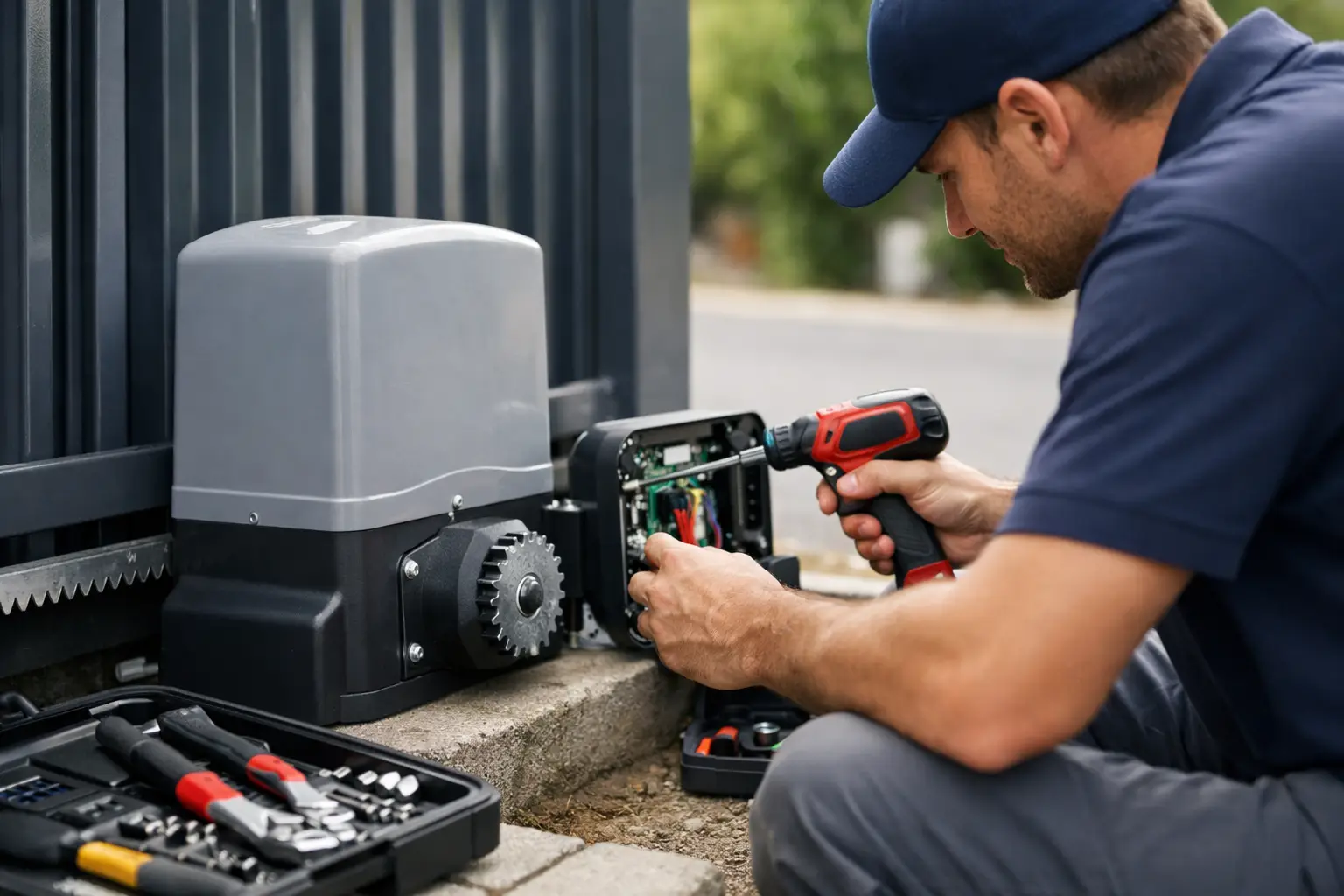
    Most automatic gate issues fall into a few categories: power problems, worn hardware, sensor trouble, remote or keypad failures, and opener or control board issues. The tricky part is that the symptom you notice is not always the real cause. A gate that will not open might have a dead remote battery, but it could also have a tripped breaker, a blocked photo eye, a failing motor capacitor, or a damaged track.

    That is why the smartest approach is to start with safe, visible checks before assuming the opener is bad. In many cases, you can narrow the problem down in a few minutes and avoid replacing the wrong part.

    Start with safety before you touch anything

    Automatic gates are heavy, under tension, and connected to electrical components. That combination makes them very different from a loose fence latch or sticky front door. If the gate is off track, sagging, making grinding sounds, or moving unpredictably, do not force it. Disconnecting a gate opener without understanding the release system can also create problems if the leaf or slide section is already under strain.

    A good rule is simple. If the issue involves exposed wiring, damaged hinges, a bent track, a failing motor, or anything that affects the gate’s weight and movement, stop there and schedule service. If the issue is clearly external, like a weak remote battery or debris blocking the path, a basic check is reasonable.

    First checks that solve a surprising number of gate problems

    Before getting into tools or parts, look at the basics. Is the opener getting power? Check the breaker, outlet, disconnect switch, and any visible transformer connection. If your system has a backup battery, see whether it is old, swollen, or unable to hold a charge.

    Next, inspect the gate path. For a sliding gate, look for rocks, sticks, mud buildup, or anything packed into the track. For a swing gate, make sure there is nothing blocking the arc of travel. Even a small obstruction can trigger a stop or reverse feature.

    Then test the access devices. Replace the remote battery, confirm the keypad has power, and make sure no settings were lost after a power outage. If multiple remotes fail at the same time, the issue is probably not the remotes themselves.

    Gate opens, then stops or reverses

    This is one of the most common service calls, and there are a few likely causes. Safety sensors may be misaligned or dirty. Many systems are designed to reverse if they sense resistance, which protects people, pets, and vehicles but can also create nuisance problems when sensors are dusty or hardware is wearing out.

    A sliding gate may also reverse if the rollers are binding or the track is uneven. A swing gate can do the same if the hinges are sagging or the arm geometry is off. Heat expansion, rust, and normal wear all play a part over time.

    You can clean photo eyes and remove visible debris, but if the gate still hesitates or changes direction, it is time for a closer mechanical inspection. Repeated reversing is not something to ignore. It usually gets worse, not better.

    Gate moves slowly or sounds rough

    A slow gate is often an early warning sign. The opener may still work, but it is working harder than it should. That extra strain can shorten the life of the motor, gears, chain, or arm assembly.

    On a swing gate, check for hinge wear, rust, and signs the gate is dragging. On a slide gate, look at rollers, chain tension, and track condition. Dry or dirty moving parts can create resistance, but over-lubricating the wrong area can also attract grit and cause buildup. It depends on the gate type and manufacturer specs, which is why random spray-on fixes are not always helpful.

    If you hear grinding, popping, or metal-on-metal contact, skip the trial-and-error. Those sounds usually point to worn hardware or alignment issues that need proper adjustment.

    Remote works sometimes, keypad does not, or the gate seems inconsistent

    Intermittent problems are frustrating because the gate seems fine until you are late for work or trying to close up for the night. Start by separating the access problem from the gate movement problem. If the gate runs normally from the wall control or board test button but not from the remote, focus on the transmitter, receiver, keypad, or programming.

    Dead batteries are the easy fix. After that, signal interference, damaged wiring, water intrusion, and memory loss after a power event are all possible. Some older systems also have receivers that simply age out.

    The trade-off here is cost versus reliability. Reprogramming a remote may restore function for now, but if the receiver or keypad is failing, a replacement often saves more time and frustration than repeated resets.

    When the opener has power but nothing happens

    If the unit has power and the gate still does not respond, there may be a problem with the control board, limit settings, capacitor, or motor. In some cases, safety loops or exit devices can also interrupt normal operation if they are damaged or stuck in an active state.

    This is where DIY usually reaches its limit. Electrical diagnosis on gate systems is not just about finding voltage. It is about understanding how the board is reading commands, safety inputs, and limit positions. Replacing parts based on a guess can get expensive fast.

    For homeowners and small business owners, the practical move is usually to document the symptom clearly. Does the unit hum? Click? Show indicator lights? Respond only after cooling down? Those details help speed up a proper repair.

    Weather, dust, and Arizona wear

    Local conditions matter more than many people realize. Dust can coat sensors and tracks. Heat can stress batteries, control boxes, and older wiring. Monsoon moisture can expose weak seals and create corrosion inside components that looked fine from the outside.

    That means a gate problem is not always about age alone. A newer system can struggle if it was poorly installed, not maintained, or left exposed to preventable wear. The best repair is sometimes a small correction made early, before the opener burns itself out trying to overcome resistance.

    Repair or replace? It depends on the system

    Not every gate with recurring issues needs full replacement. If the frame is solid and the operator is from a supported brand, repair is often the most cost-effective choice. Replacing hinges, rollers, sensors, keypads, batteries, or a control board can make sense when the rest of the system is in good shape.

    Replacement becomes more attractive when parts are obsolete, the gate is structurally compromised, or the opener has had repeated failures. Commercial properties may also choose replacement sooner if downtime affects deliveries, tenant access, or security.

    The right answer depends on age, part availability, repair history, and how critical the gate is to daily use. Honest guidance matters here. You want a fix that lasts, not a temporary patch that turns into another service call next month.

    When to call for professional gate repair

    Call for service if the gate is stuck open or closed, comes off track, sags, trips the breaker, reverses repeatedly, or shows signs of opener failure. The same goes for damaged arms, chain problems, bent hardware, exposed wiring, and safety devices that are not working correctly.

    If you manage a business or shared property, it is also smart to act early. A gate that still operates but hesitates, drags, or responds inconsistently is already warning you. Fast attention usually means a smaller repair, less downtime, and fewer surprises.

    A dependable local company should be able to explain the issue in plain language, tell you whether repair or replacement makes more sense, and give you clear pricing before work begins. That is the standard at Riggs Rescue AZ, and it is the standard property owners should expect.

    A simple maintenance habit that pays off

    You do not need a complicated schedule to protect your gate. Just pay attention to changes. If it gets louder, slower, less responsive, or harder to close, do not wait for complete failure. A quick checkup can catch worn parts before they turn into a bigger repair.

    The best closing thought for any automatic gate is this: a small problem rarely stays small when the system keeps cycling every day. Handle it early, and your gate has a much better chance of staying safe, reliable, and affordable to own.

  • Commercial Garage Door Security Guide

    Commercial Garage Door Security Guide

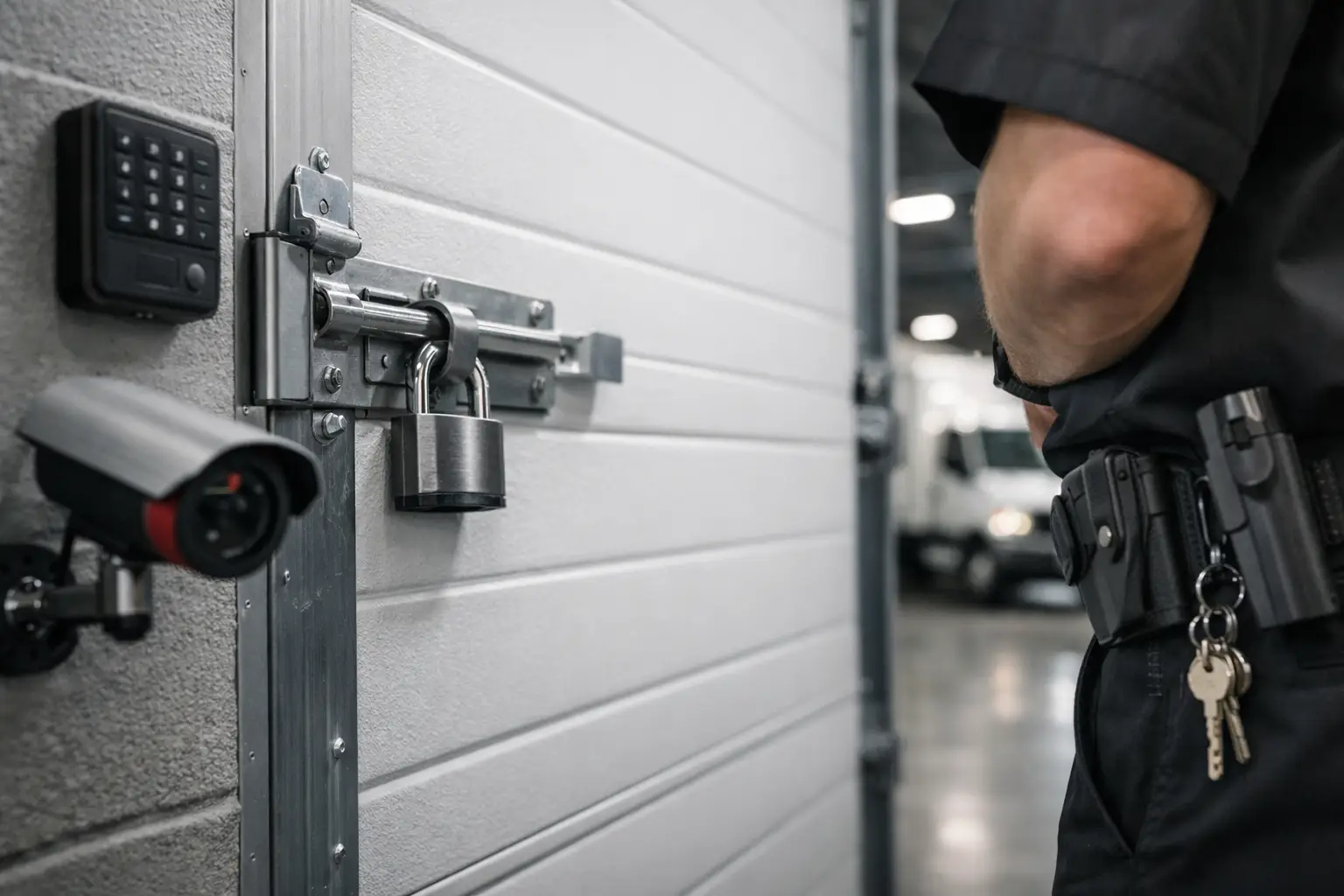
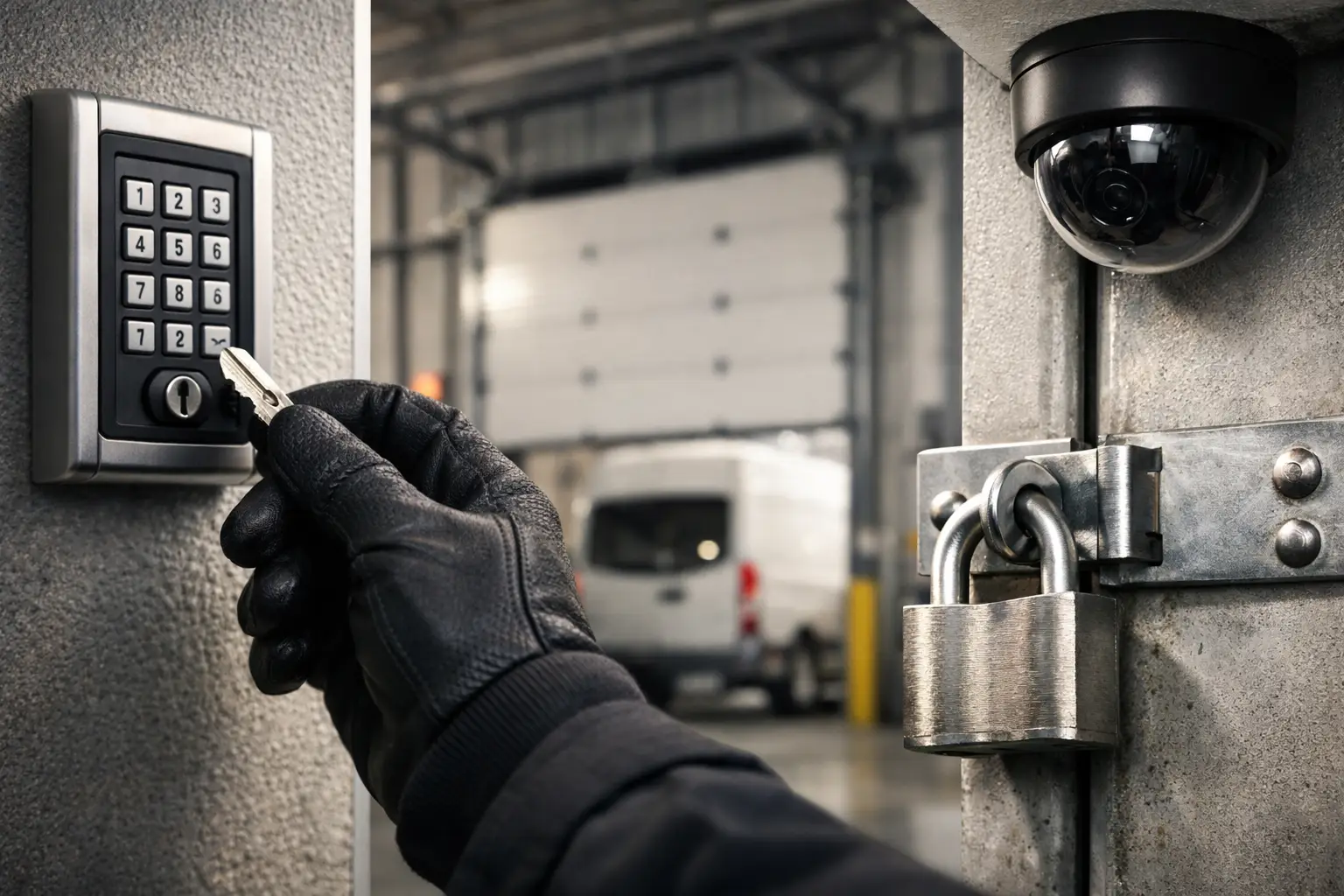
    A break-in does not always start with a smashed window or a cut fence. For many businesses, it starts with a garage door that closes unevenly, an opener that skips its lock cycle, or an access code that has not been changed in two years. That is exactly why a commercial garage door security guide matters. Your overhead door is one of the largest access points on the property, and if it is treated like just another piece of equipment, it can become the easiest way in.

    For small business owners and property managers, security is rarely about one big upgrade. It is usually about tightening a series of small weak points before they turn into expensive problems. The right plan protects inventory, reduces downtime, and helps your team feel more confident opening up in the morning and locking down at night.

    What a commercial garage door security guide should actually cover

    A good commercial garage door security guide should go beyond locks. It should look at the full picture – the door itself, the opener, the tracks, the access controls, the daily habits of employees, and the maintenance schedule that keeps all of it working the way it should.

    That matters because security failures are often mixed problems. A business may have a strong rolling steel door, but weak keypad management. Another may have modern access control, but worn bottom seals and damaged side gaps that make tampering easier. In other cases, the issue is not forced entry at all. It is employee error, delayed repairs, or a false sense of safety because the system still opens and closes.

    If your commercial door is part of daily operations, security has to be practical. The best setup is not necessarily the most expensive one. It is the one that fits your building, your traffic flow, your hours, and your level of risk.

    Start with the door itself

    Before adding accessories or smart controls, look at the physical condition of the door. If panels are bent, hardware is loose, tracks are out of alignment, or the door does not sit flush when closed, you already have a security problem. A commercial door that looks functional from a distance may still leave enough play for prying, lifting, or repeated impact damage.

    Material also matters. Sectional steel doors, rolling steel doors, and insulated commercial doors all offer different advantages. A lighter system may cost less upfront and work well for low-risk use, but high-traffic facilities or buildings storing tools, equipment, or inventory often need something stronger. Thicker materials, reinforced slats, and commercial-grade track systems make forced entry harder, but they can also cost more and require the right opener setup.

    This is one of those areas where cheap fixes can backfire. Replacing a lock on a weak door does not solve the real issue. If the structure around the lock is compromised, the lock becomes more of a delay than a defense.

    The opener is part of your security system

    Many businesses think about the opener as a convenience item. It is more than that. A commercial opener controls how reliably the door secures, how access is managed, and how the system responds during daily use.

    If the opener hesitates, reverses unpredictably, or fails to complete a full close cycle, your building may be left exposed longer than you realize. In some cases, the door appears closed but does not fully seat at the ground. In others, an old operator may not integrate well with newer access controls or may lack modern security features.

    A commercial-grade opener should match the weight and cycle demands of the door. That sounds basic, but mismatched systems are common. When an opener is undersized or aging out, security and reliability both take a hit. The result is more wear, more service interruptions, and more opportunities for something to be left unsecured.

    Access control needs rules, not just devices

    Keypads, remotes, card readers, and mobile access tools can all improve security, but only if the business uses them intentionally. One of the biggest risks is not the technology. It is loose control over who has access and when.

    If former employees still know entry codes, if shared remotes move from truck to truck without tracking, or if managers never review who can open the door after hours, the system is weaker than it looks. Strong access control means assigning access by role, changing codes when staffing changes, and limiting entry windows when possible.

    For some businesses, a basic keypad and updated code policy are enough. For others, especially multi-tenant spaces or properties with several employees, a more advanced system with user-specific credentials makes more sense. The trade-off is cost and complexity. More control usually means more setup, but it also gives you better accountability.

    Don’t overlook the simple weak points

    A lot of security problems happen in plain sight. Gaps at the bottom of the door, worn weather seals, damaged jambs, manual release vulnerabilities, poor lighting near the opening, and visible interior valuables all make your property easier to target.

    These may not sound like major issues, but together they create opportunity. A bottom gap can invite tampering. A damaged side area can make prying easier. A poorly lit service bay gives cover to anyone testing the perimeter after hours.

    In Arizona, heat and dust also speed up wear on seals, rollers, and moving components. That means a door can lose its tight fit gradually, without anyone noticing day to day. For business owners in Gilbert, Mesa, Chandler, and nearby areas, climate is not just a maintenance concern. It affects security over time.

    Maintenance is one of the cheapest security upgrades

    Security and maintenance are closely tied. When a commercial garage door is serviced regularly, technicians can catch loose brackets, frayed cables, worn rollers, alignment issues, failing springs, and opener problems before they create a bigger opening for risk.

    This is especially important for high-cycle doors. Warehouses, auto shops, storage facilities, and service businesses may open and close their commercial doors dozens of times a day. Even a well-installed system will wear faster under that kind of use.

    A good maintenance schedule helps in three ways. It keeps the door operating correctly, extends equipment life, and gives you a regular chance to spot security concerns early. That is much less expensive than dealing with a failure after a break-in or after the door stops working during business hours.

    When repair is enough and when replacement makes more sense

    Not every security issue means you need a new door. Sometimes a repair, hardware upgrade, or opener replacement is the smartest move. If the door is structurally sound and the problems are limited to worn components or outdated controls, targeted improvements can make a big difference.

    But there is a point where repeated repairs stop making financial sense. If the door has recurring alignment issues, severe panel damage, chronic opener failure, or outdated parts that are hard to source, replacement may be the better long-term investment. That is especially true if the business has grown and the original door was never designed for current traffic or security needs.

    Honest guidance matters here. A trustworthy service company should explain what can be repaired, what should be upgraded, and what is likely to keep costing you money if left in place. No surprises, just a clear picture of your options.

    A better security plan is usually a layered one

    The strongest approach combines physical strength, reliable operation, controlled access, and regular upkeep. That might mean reinforcing the door, upgrading the opener, tightening code management, improving lighting, and scheduling preventive service. No single feature does all the work.

    It also depends on your business. A retail stockroom has different priorities than an auto bay or a gated service yard. Some properties need faster entry and exit. Others need tighter after-hours control. Security works best when it supports operations instead of slowing them down so much that staff start bypassing it.

    If you are not sure where your weak points are, start with a professional inspection. A local team that works on commercial garage doors every day can usually spot issues quickly and help you prioritize what matters most. Riggs Rescue AZ takes that practical approach – fix what is urgent, recommend what adds value, and keep the process clear.

    A secure commercial garage door is not about overbuilding or overspending. It is about making sure one of the biggest openings in your building is not also the easiest one to exploit. A few smart decisions now can save you a lot of stress later, and that kind of peace of mind pays off every day your business opens and closes.

  • When Should a Garage Door Be Replaced?

    When Should a Garage Door Be Replaced?

    A garage door usually gives you plenty of warning before it quits for good. It may get louder every month, start shaking on the way up, reverse for no clear reason, or leave you wondering if the next repair bill is worth it. If you are asking when should a garage door be replaced, the real answer is not based on age alone. It comes down to safety, reliability, repair history, and whether the door is still doing its job without becoming a constant problem.

    For some homeowners, replacement is the smart move after one major failure. For others, a solid door with a minor issue still has years left. The key is knowing the difference between a fixable problem and a door that is costing you more money, more stress, and more risk than it should.

    When should a garage door be replaced instead of repaired?

    A repair makes sense when the issue is isolated and the rest of the system is in good shape. A broken spring, worn rollers, misaligned sensors, or an opener issue can often be handled without replacing the full door. But when several parts are failing at once, or the door itself is damaged, replacement starts to look a lot more practical.

    A good rule of thumb is this: if the door has recurring problems, visible structural damage, outdated safety features, or repair costs that keep stacking up, it is time to seriously consider replacement. The same goes for doors that no longer seal properly, leave your garage exposed to heat and dust, or put strain on the opener because they are no longer balanced.

    In Arizona, heat can speed up wear on weather seals, finishes, hardware, and moving parts. That does not mean every older garage door needs to be replaced right away, but it does mean small issues can turn into bigger ones faster if they are ignored.

    Clear signs your garage door may need replacement

    Some garage doors fail all at once. Most do not. Most become unreliable in ways that are easy to brush off until the problem gets expensive or unsafe.

    The door is cracked, bent, warped, or sagging

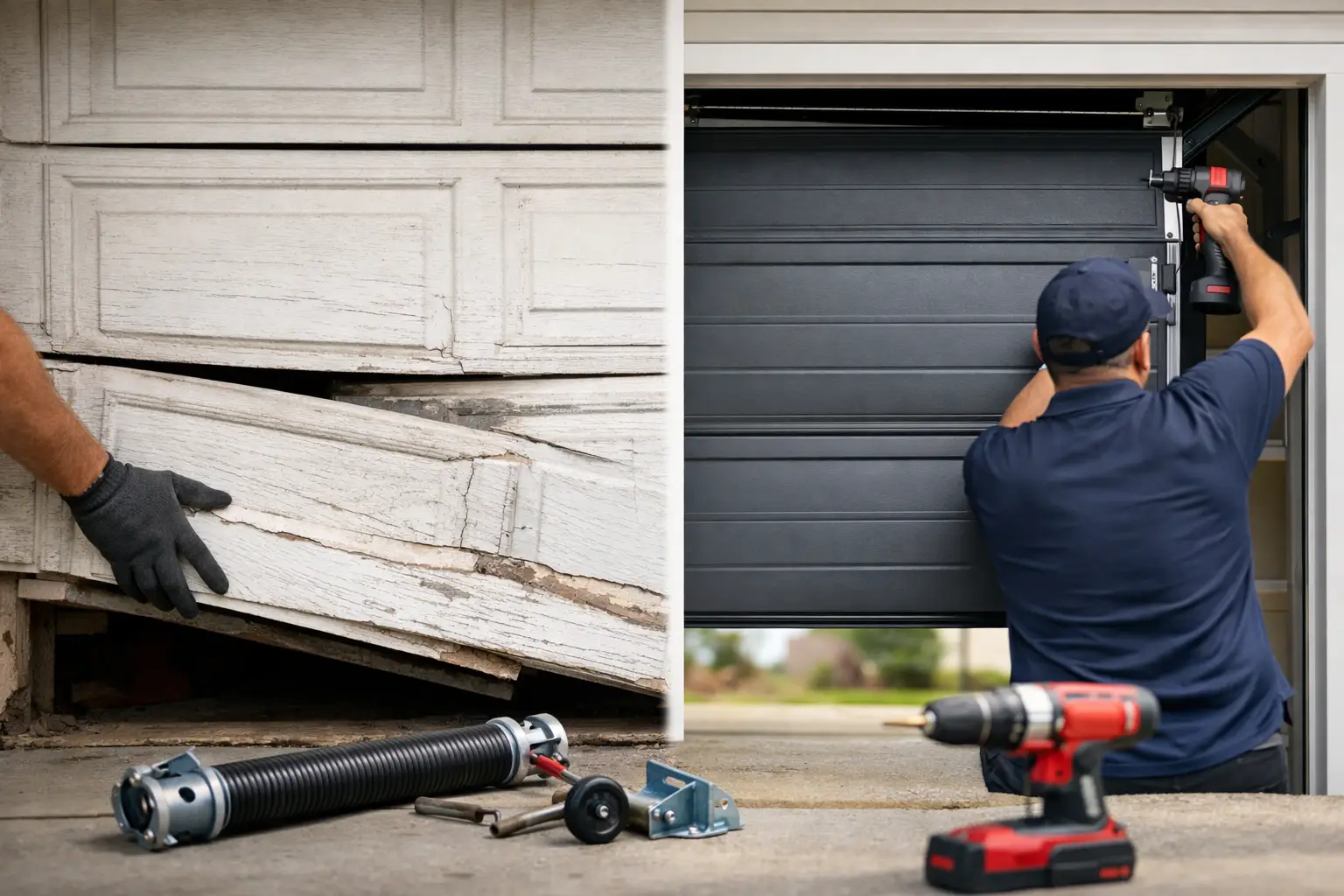
    Cosmetic damage is one thing. Structural damage is another. If sections are bent, panels are separating, the bottom is rotting, or the door looks uneven when closed, replacement is often the safer option. A damaged door can affect track alignment, spring tension, and opener performance.

    Wood doors may warp or rot over time. Steel doors can dent or rust. Aluminum can bend. If the damage is limited to one panel and the model is still available, a panel replacement may work. But if matching sections are discontinued or the frame is compromised, a full replacement is usually the better long-term call.

    It keeps breaking down

    An occasional repair is normal. Repeated service calls are not. If you have already replaced springs, rollers, cables, or opener parts and the door still does not run smoothly, you may be putting money into a system that is near the end of its usable life.

    This is especially true when multiple components are wearing out at the same time. Garage door systems work together. When one part fails, it often puts extra stress on the rest.

    It is louder than it used to be

    Garage doors are not silent, but they should not sound like a fight in your driveway. Grinding, popping, rattling, screeching, and heavy vibration can point to worn hardware, poor balance, track issues, or failing sections.

    Sometimes a tune-up solves the noise. Sometimes the noise is a warning that the door is wearing unevenly or the system is no longer moving safely. If the noise is getting worse and repairs only help temporarily, replacement may save you from bigger trouble later.

    The door feels unsafe

    This is the one sign you should not ignore. If the door drops too fast, reverses unpredictably, gets stuck halfway, or looks like it could come off track, stop using it until it is inspected. Garage doors are heavy, and worn springs, cables, and hardware can become dangerous fast.

    Older doors may also lack newer safety features. If your system does not have dependable photo-eye sensors, auto-reverse function, or a modern opener with rolling code security, replacement can improve both safety and peace of mind.

    Energy loss and poor sealing are becoming a problem

    If your garage is attached to your home, the condition of the garage door matters more than people think. Gaps around the sides, cracked weather stripping, thin uninsulated panels, and poor fit can let in heat, dust, and pests.

    In hot areas like Gilbert, Mesa, and Chandler, that extra heat load can make the garage harder to use and put more strain on nearby living spaces. If your current door is older and poorly insulated, replacement can be about comfort as much as function.

    How old is too old for a garage door?

    There is no single replacement age that fits every door. Many garage doors last 15 to 30 years depending on material, usage, maintenance, and climate. A well-maintained door used lightly may stay in service longer. A heavily used door with deferred maintenance may be ready for replacement much sooner.

    Age matters most when it comes with other symptoms. A 20-year-old door that runs well, seals properly, and has solid hardware may still be worth keeping. A 12-year-old door with frequent failures and visible wear may not be.

    The opener matters too. If the door is older and the opener is also outdated, replacing both at the same time can make more sense than trying to stretch out two aging systems.

    Repair vs. replacement comes down to cost and value

    This is where many homeowners get stuck. They do not mind paying for a repair if it solves the problem. What they want to avoid is spending money again and again without getting reliable results.

    A simple fix is usually worth doing if the door is otherwise in good condition. But if a major repair is approaching the cost of a replacement, or if you know more repairs are likely soon, replacement often gives you better value.

    There is also the issue of appearance. A garage door takes up a large part of your home’s front exterior. If it is badly faded, dented, patched, or outdated, a new door can improve curb appeal right away. That may not be the only reason to replace it, but it can be a worthwhile bonus when the old door is already on the edge.

    When should a garage door be replaced for a business?

    For small businesses and commercial properties, the standard is usually stricter. If a commercial garage door is affecting security, slowing operations, or becoming unreliable during daily use, replacement may be the safer and more cost-effective decision.

    A door that sticks, closes unevenly, or cannot handle frequent cycles can disrupt deliveries, vehicle access, and staff workflows. In a commercial setting, downtime often costs more than the repair itself. That is why business owners usually need to think less about squeezing out a few extra months and more about keeping the property secure and operational.

    A professional inspection can save you from the wrong call

    Some garage door problems look worse than they are. Others look minor until a trained tech checks spring tension, track wear, panel condition, hardware fatigue, and opener compatibility. That is why a professional inspection is the best next step when you are on the fence.

    A trustworthy company should be able to tell you clearly whether your door can be repaired safely, how much life it likely has left, and when replacement makes better sense. No pressure. No surprises. Just honest guidance based on the actual condition of the system.

    That is the kind of help homeowners and business owners want when a garage door starts acting up. If you are trying to decide what makes the most sense for your property, Riggs Rescue AZ believes the right answer is the one that keeps you safe, avoids repeat headaches, and fits your budget.

    If your garage door has become noisy, unreliable, damaged, or expensive to keep alive, do not wait for a full breakdown to force the decision. A timely replacement is often less stressful than one emergency repair too late.

  • Belt Drive vs Chain Opener: Which Fits Best?

    Belt Drive vs Chain Opener: Which Fits Best?

    If your garage door opener rattles the house every time someone leaves early, this question gets real fast: belt drive vs chain opener – which one actually makes sense for your home or business? The right choice depends less on brand names and more on how you use the door, how much noise you can tolerate, and what kind of long-term maintenance you want to deal with.

    A lot of people assume one option is simply better than the other. In practice, each has a clear place. We talk homeowners through this decision all the time because the wrong opener can be annoying for years, while the right one quietly does its job without drama.

    Belt drive vs chain opener: the basic difference

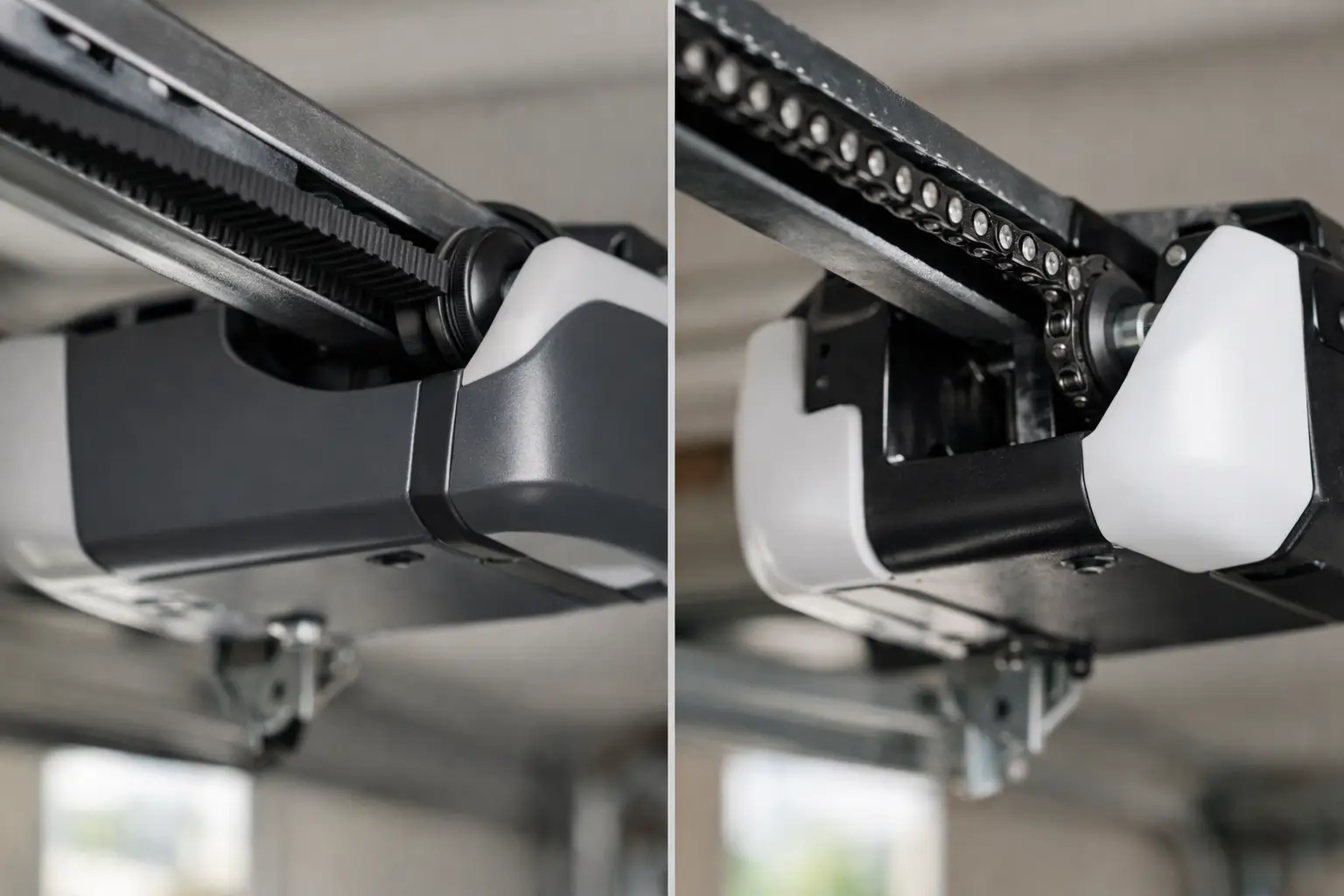
    The biggest difference is in how the opener moves the door along the rail. A chain drive opener uses a metal chain, similar to a bicycle chain. A belt drive opener uses a reinforced rubber, polyurethane, or fiberglass belt.

    That one design difference affects noise, vibration, maintenance, and price. Both can be reliable when properly installed and matched to the right garage door. The question is not which system sounds better on paper. It is which one fits your garage, your budget, and your daily routine.

    Why homeowners usually notice noise first

    For most residential customers, noise is the deciding factor.

    A chain opener is typically louder. You hear more metal-on-metal movement, and you often feel more vibration through the ceiling and walls. If your garage is detached, that may not matter much. If there is a bedroom above the garage or a living space next to it, it usually matters a lot.

    A belt drive opener runs more quietly and with less vibration. It is not silent, but it is noticeably smoother in many homes. For families with kids, shift workers, light sleepers, or anyone tired of hearing the opener shake the house, belt drive often feels like a quality-of-life upgrade.

    In places like Gilbert, Chandler, and Mesa, where attached garages are common and families may use the garage as the main entry point, that quieter operation can make a bigger difference than people expect.

    When quiet operation is worth paying for

    If your garage door opens and closes several times a day, the extra cost of a belt drive often feels justified. The same is true if you are replacing an older noisy unit and want a more comfortable setup.

    On the other hand, if the garage is separate from the home or used less often, the noise difference may not be enough to drive the decision by itself.

    Cost matters, and chain drive usually wins there

    If budget is your top concern, chain drive openers usually cost less up front. That lower entry price is the main reason they remain popular.

    For a property owner trying to replace a failed opener quickly and affordably, chain drive can be a smart call. It gets the job done, it is widely available, and it has a long track record. If you want dependable function without paying extra for a quieter ride, chain drive is often the practical answer.

    Belt drive systems usually cost more. The opener itself tends to be pricier, and some homeowners only see the value after living with one. If your budget is tight and your current need is simply getting the door working again, a chain unit may be the better fit right now.

    That said, the cheapest opener is not always the best value. If noise is going to bother you every single day, paying less up front can feel expensive later.

    Strength and performance under real use

    A common belief is that chain drive automatically means stronger. Years ago, that was easier to argue. Today, many belt drive openers are more than capable of lifting standard residential garage doors, including double doors.

    The better question is about the specific door. A heavier wood door, an oversized door, or a door with high-cycle daily use may call for a closer look at motor type, horsepower, and overall opener quality. In some of those cases, chain drive still makes sense because of its reputation for handling tough jobs and demanding use.

    But for the average residential steel sectional door, both systems can perform well when the opener is properly sized and the door itself is balanced correctly. If the door is dragging, out of balance, or has worn springs, no opener is going to perform at its best for long.

    The opener is only part of the system

    This is where honest guidance matters. A lot of opener problems are really door problems. If your garage door is heavy, jerky, or off-track, swapping opener types will not fix the root issue. Before choosing between belt drive and chain drive, it helps to make sure the door hardware, springs, rollers, and alignment are in good shape.

    Maintenance and long-term upkeep

    Chain drive openers generally need a little more upkeep. The chain may require adjustment over time, and depending on the model, lubrication may be part of routine maintenance. They are durable, but they can get noisier as parts wear or loosen.

    Belt drive systems tend to require less maintenance in normal residential use. There is no metal chain moving along the rail, so operation often stays smoother with less rattling. That does not mean belt drives are maintenance-free, but they are usually lower-fuss in day-to-day life.

    If you prefer an opener that you do not have to think about much, belt drive has an edge. If you do not mind occasional service and want to keep initial costs lower, chain drive still holds up well.

    Which opener makes more sense for small businesses?

    For small commercial spaces, workshops, storage buildings, and service bays, the answer depends on traffic and door type.

    If the door gets frequent daily use and durability is the top concern, chain drive is often a solid choice. It has the workmanlike reputation many business owners want. Noise usually matters less in these environments, and practical performance matters more.

    If the setup is more residential in feel, such as a mixed-use property or a quieter workspace, belt drive may still be worth considering. Again, there is no one-size-fits-all answer. The right opener depends on the door, the building, and how the space is used.

    Belt drive vs chain opener for resale and comfort

    Most buyers will not choose a home based on the opener type alone. Still, upgrades that reduce noise and improve convenience tend to make a home feel better maintained.

    A quiet opener is one of those details people notice during everyday use, even if they do not talk about it much. If you are investing in your home for the long term, belt drive can feel like a smarter comfort upgrade. If you are focused on function and affordability, chain drive still delivers strong value.

    So which one should you choose?

    If you want the short answer, choose a belt drive opener if quiet operation, smoother performance, and lower day-to-day annoyance matter most. Choose a chain drive opener if your priority is lower upfront cost and dependable lifting power.

    Here is where it really depends.

    A belt drive is usually the better fit for attached garages, homes with bedrooms near the garage, and families who use the garage as the main entrance. A chain drive is often the better fit for detached garages, tighter budgets, rental properties, and situations where some extra noise is not a dealbreaker.

    If you are replacing an opener because the old one failed, this is also a good time to look at smart features, battery backup, safety sensors, and keypad access. Sometimes the better decision is not just belt vs chain. It is choosing a complete opener setup that better matches how you use the garage now.

    At Riggs Rescue AZ, we believe this choice should be simple, clear, and free of surprises. A good opener should fit your space, your budget, and your daily life without leaving you stuck with a noisy or underpowered system.

    The best opener is the one you do not have to second-guess every time the garage door goes up and down.

  • Roll Up Door Service: Repair or Replace?

    Roll Up Door Service: Repair or Replace?

    A roll up door usually picks the worst possible time to act up – right before you leave for work, during a delivery window, or when you need to lock up for the night. That is why roll up door service is less about convenience and more about security, safety, and keeping your day on track. When a door starts sticking, slamming shut, making harsh grinding sounds, or refusing to open at all, the real question is not just what broke. It is whether a repair will solve the problem or whether the system is telling you it is time for a replacement.

    What roll up door service actually covers

    Many people use the term loosely, but roll up door service can mean several different things depending on the property and the door type. In a home, it may involve a garage door with a rolling or sectional system, the tracks, springs, opener, cables, and safety sensors. In a commercial setting, it often refers to a steel rolling door or overhead system designed for frequent use, tighter security, and larger openings.

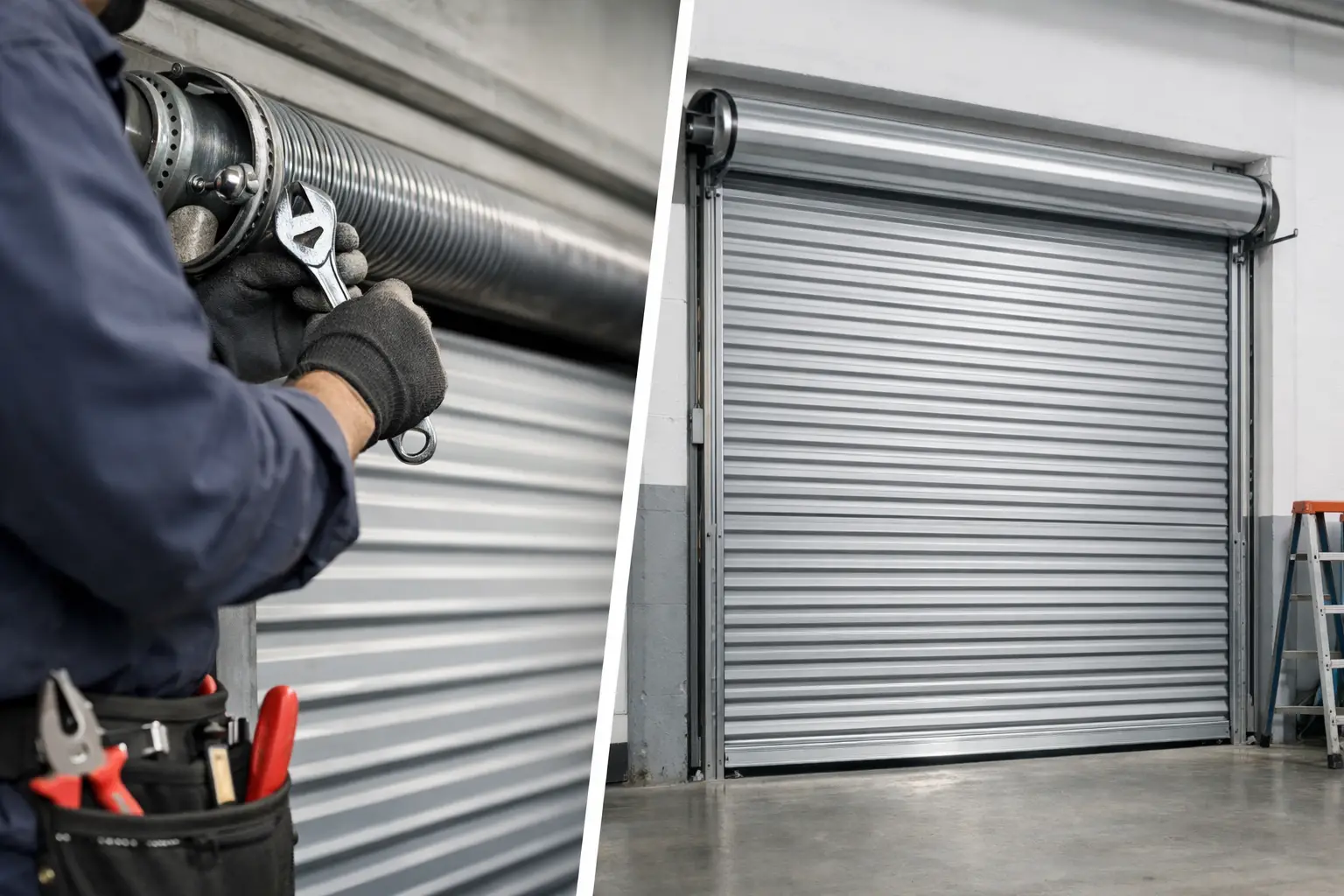
    That difference matters because the service approach changes with the door. A homeowner dealing with a noisy, slow-moving garage door may need a spring adjustment, track alignment, or opener repair. A business owner with a damaged rolling steel door may be looking at curtain slat repair, chain hoist issues, motor problems, or a full replacement if the door has taken an impact.

    The common thread is simple. A good service call should identify the root problem, explain the options clearly, and fix what makes sense without pushing work you do not need.

    The signs you need roll up door service now

    Some door problems are annoying but manageable for a few days. Others are safety issues that should be handled right away. If the door is off track, hanging unevenly, dropping too fast, or getting stuck halfway, it is time to stop using it until a professional inspects it.

    The same goes for loud popping sounds, frayed cables, bent tracks, delayed opener response, or a motor that keeps running after the door stops moving. These issues tend to get worse, not better. A small spring problem can turn into a full system failure. A misaligned track can wear down rollers, strain the opener, and increase the chance of the door jamming at the worst moment.

    For commercial properties, response time matters even more. A malfunctioning roll up door can interrupt deliveries, expose inventory, create a security problem, or slow down staff. When access is part of your daily operation, downtime costs more than the repair itself.

    When repair makes sense

    Repair is usually the right call when the door is structurally sound and the failed part is limited to a few components. Springs wear out. Rollers crack. Hinges loosen. Openers lose force settings or burn out after years of use. These are common problems, and in many cases they can be fixed quickly and affordably.

    A good example is a door that still looks solid but has become noisy and jerky. If the panels are intact and the tracks are not badly damaged, replacing worn rollers, adjusting tension, and tuning the opener may restore smooth operation. The same goes for a door that reverses unexpectedly because of sensor alignment issues or debris in the track.

    Repair also makes sense when the door is relatively new. If your system is only a few years old, replacement may be unnecessary unless there is major impact damage or a serious installation problem that keeps causing repeat failures.

    The key is whether the repair solves the issue for the long term. If a technician is replacing one failed part inside an otherwise healthy system, that is money well spent. If the fix is only buying a few weeks before the next breakdown, it may not be.

    When replacement is the smarter move

    There are times when replacing the door or opener is the more practical and affordable decision over time. Age is one factor, but not the only one. A door can be old and still serviceable, or newer and already beyond a smart repair if it was damaged, installed poorly, or heavily used.

    Replacement is often worth considering when the door has repeated breakdowns, significant rust, bent sections, track damage, or parts that are hard to source. The same applies when a commercial door has visible structural damage after an impact. You can repair a lot of things, but once the integrity of the door is compromised, safety becomes the deciding factor.

    For homeowners, upgrading can also bring better insulation, quieter performance, and more reliable openers with modern safety features. For business owners, replacement may improve cycle performance, security, and day-to-day dependability. In both cases, the cheapest fix is not always the lowest-cost decision a year from now.

    Why DIY is riskier than it looks

    It is tempting to treat a stuck door like any other home repair, especially when the issue seems obvious. Maybe the remote stopped working. Maybe the track looks a little off. But roll up door systems carry heavy weight and high spring tension. That combination can turn a simple mistake into a serious injury fast.

    Springs and cables are the biggest concern. They are under enough force to lift and lower a heavy door repeatedly. Improper handling can cause sudden release, damage to the door, or personal injury. Even smaller jobs, like replacing rollers or adjusting tracks, can go sideways if the door is not secured correctly.

    There is also the issue of misdiagnosis. What looks like an opener failure may actually be a spring issue. What seems like a sensor problem may be caused by a warped track or worn hardware. A professional inspection usually saves time because it focuses on the real cause instead of guessing through symptoms.

    What good service should look like

    Not every service call is equal. A dependable company should inspect the full system, not just the part that failed first. Doors work as connected systems, so fixing one worn component without checking the others can leave you with another breakdown right around the corner.

    You should also expect clear pricing, a straightforward explanation of the problem, and realistic advice about repair versus replacement. That means no scare tactics and no vague recommendations. If a repair is enough, the technician should say so. If replacement makes more sense, the reasons should be specific and easy to understand.

    Speed matters too, especially when your car is trapped, your home cannot secure properly, or your business cannot open and close as it should. Local service has real value here. A team that knows the area and responds quickly can reduce stress and get the problem handled before it affects more of your day.

    That practical, no-surprises approach is exactly what homeowners and small business owners tend to want from a company like Riggs Rescue AZ. Fast help, honest answers, and repairs that make sense.

    Preventing emergency calls before they happen

    Most emergency door failures start as smaller warning signs. Regular maintenance helps catch those problems early, before they lead to a stuck door, broken spring, or opener burnout. That does not mean every property needs an aggressive service schedule, but it does mean routine checks are worth it.

    For residential doors, annual inspection is often enough unless the door gets unusually heavy use. For commercial doors, service frequency depends on cycle count, door size, and the role the door plays in daily operations. A warehouse door used constantly will need more attention than a storage bay that opens a few times a week.

    Basic maintenance includes checking spring wear, tightening hardware, inspecting rollers and hinges, testing balance, confirming opener function, and making sure safety features respond properly. Lubrication helps, but it is not a cure-all. If a door is binding, sagging, or drifting out of alignment, lubrication alone will not solve the real issue.

    Choosing the right fix for your property

    The best answer depends on the age of the system, how often it is used, how severe the damage is, and what you need the door to do every day. A family garage door and a commercial roll up security door do not have the same demands, so they should not be evaluated the same way.

    If you are dealing with one isolated failure, repair is often the smart move. If the problems keep piling up, or the door no longer feels safe and dependable, replacement may be the better investment. Either way, the goal is the same – restore secure, reliable access without wasting money on the wrong fix.

    A roll up door should open when you need it, close when you tell it to, and stay out of your way the rest of the time. If yours is no longer doing that, the most helpful next step is a professional inspection and an honest recommendation you can trust.

  • How to Secure Commercial Garage Doors

    How to Secure Commercial Garage Doors

    A commercial garage door can be the weakest point in your building security if it is treated like just another entry. For many shops, warehouses, service bays, and storage spaces, it is actually the largest moving access point on the property. If you are wondering how to secure commercial garage doors, the answer is not one product or one quick fix. It is a combination of the right door, the right hardware, smart access control, and consistent maintenance.

    That matters even more for small businesses that cannot afford downtime, stolen inventory, or a door that fails at the worst possible time. A break-in is expensive, but so is a jammed commercial door that keeps your crew from opening on schedule. Good security protects both.

    How to secure commercial garage doors starts with the door itself

    Before you add cameras, alarms, or keypad systems, look at the condition and type of door you already have. If the door panels are bent, the bottom seal is missing, the track is loose, or the locking points do not line up correctly, your security plan is already compromised.

    Older commercial doors often have wear that is easy to miss during daily use. A door may still open and close, but if it can be pried up from the bottom or flexed at a damaged panel, it becomes a much easier target. Steel rolling doors, sectional overhead doors, and insulated commercial doors all have different strengths, and the best setup depends on how the building is used.

    A high-traffic auto shop has different needs than a storage unit, a warehouse, or a retail back-of-house loading area. In some cases, upgrading the door is more cost-effective than adding layers of security to a system that is already worn out.

    Match the door to the risk level

    If your building stores tools, vehicles, equipment, or expensive inventory, lightweight material and aging hardware may not be enough. Heavier-gauge steel doors, reinforced struts, tamper-resistant brackets, and commercial-grade track systems provide better resistance than entry-level setups.

    That does not mean every business needs the heaviest door available. More security usually brings a higher upfront cost, and some operations need speed, visibility, insulation, or ventilation just as much as they need forced-entry resistance. The goal is to choose a door system that fits your actual operation, not just the cheapest option on the estimate.

    Secure the opener and access points

    Many commercial break-ins do not start with someone smashing through the center of the door. They happen because the opener, remote system, keypad, or side entry access is easy to exploit. If your opener is outdated or your staff shares one code with everyone, the problem is bigger than the door itself.

    Commercial openers should be designed for heavier cycles and integrated with controlled access. Basic consumer-style setups are not a good fit for busy businesses. They wear out faster, offer fewer security features, and can create reliability issues that show up as both safety and security problems.

    Use modern access control

    A keypad with a code that never changes is convenient, but it is not strong security. If employees come and go, vendors need occasional access, or staff turnover is common, you need better control. Commercial access systems can allow unique codes, scheduled access windows, and audit trails that show who opened the door and when.

    For some businesses, a keypad is enough if the code is changed regularly and managed well. For others, key cards, mobile credentials, or integrated access systems make more sense. It depends on how many users need entry, how often schedules change, and how sensitive the contents of the building are.

    Protect remotes and wall controls

    Remotes left in company vehicles, taped above visors, or handed out casually create unnecessary risk. Wall stations inside the building should also be placed where visitors or unauthorized staff cannot reach them easily. If a remote is lost or an employee leaves, access should be removed immediately.

    This is where a lot of businesses get tripped up. They invest in a solid door, then leave everyday access management loose and informal. Strong hardware cannot fix weak habits.

    Add physical security that slows forced entry

    If someone targets your building after hours, time matters. The longer it takes to force the door, the more likely they are to give up or get noticed. That is why physical reinforcement still matters, even with alarms and cameras.

    Slide locks, interior bar locks, commercial-grade hasps, and reinforced bottom bars can all improve resistance when used correctly. Some properties also benefit from bollards or barriers in front of vulnerable doors to prevent vehicle impact attacks. If the door is not used overnight, interior locking methods can add another layer of protection beyond the opener alone.

    The trade-off is convenience. Extra locking hardware can slow down morning opening routines, and if staff is not trained to use it consistently, it becomes one more security step that gets skipped. The best setup is one your team will actually use every day.

    Maintenance is part of security, not a separate issue

    One of the biggest mistakes business owners make is separating security from maintenance. In reality, worn rollers, loose hinges, misaligned tracks, frayed cables, and failing springs all affect how secure a commercial garage door really is.

    A door that does not close fully leaves gaps. A misaligned track can keep the locking system from engaging properly. A failing opener may reverse unexpectedly or stop short of a full close. These may look like service issues, but they also create easy opportunities for intrusion.

    Inspect the weak points regularly

    At a minimum, commercial property managers should keep an eye on the bottom seal, side gaps, lock engagement, opener response, photo eyes, track alignment, and door balance. If the door looks crooked, sounds louder than usual, jerks during travel, or leaves visible daylight around the edges, it needs attention.

    Arizona heat can make this worse. High temperatures, dust, and heavy use can wear components faster, especially on doors that cycle throughout the day. Staying ahead of repairs is usually cheaper than dealing with a full failure after hours.

    How to secure commercial garage doors with better daily routines

    Even a well-installed commercial door can become a problem if the people using it are inconsistent. Security often breaks down in the routine moments, not the dramatic ones.

    Train staff to fully close the door every time, even during short gaps between deliveries or service calls. Make sure supervisors know who has access, when codes were last updated, and what the lockup procedure is at the end of the day. If your team props doors open for convenience, leaves remotes in plain sight, or ignores unusual noises, small habits can turn into expensive problems.

    It also helps to assign ownership. When everyone assumes someone else is checking the door, nobody really is. One clear person or role should be responsible for access reviews, code changes, and service scheduling.

    Use security systems that support the door

    Cameras, motion lighting, and alarms work best when they support a physically sound door system. They are not replacements for it. A camera may record a break-in, but it will not stop a weak bottom bar from being forced up.

    That said, smart monitoring has real value. Exterior lighting reduces concealment. Camera coverage at the garage door and approach path improves visibility. Contact sensors can alert you if the door opens after hours, and some systems can notify managers when the door has been left open too long.

    For higher-risk sites, integrating the garage door with the broader alarm or access control system is often worth it. For smaller operations, even a basic setup with motion lighting and after-hours alerts can be a meaningful upgrade.

    When repair is enough and when replacement makes more sense

    Not every security concern means you need a brand-new commercial door. Sometimes replacing worn locks, upgrading the opener, reinforcing the track, or fixing alignment issues will solve the problem. In other cases, repeated breakdowns and outdated components make continued repair the more expensive path.

    A good service provider should be honest about that difference. If the structure of the door is still sound, targeted upgrades may give you years of better performance. If the system is patched together, unreliable, and difficult to secure, replacement may save money and stress over time.

    That is especially true for growing businesses. If your current door was installed for lighter use than you have now, security and performance usually decline together. Upgrading to a true commercial-grade system can improve both.

    For business owners in Gilbert, Chandler, Mesa, and nearby areas, local service matters here. When a commercial garage door will not close or a security issue needs fast attention, waiting days is not a realistic option. Companies like Riggs Rescue AZ understand that the job is not just fixing a door. It is helping you protect your building, your schedule, and the people who rely on both.

    The best security plan is the one that fits your building, your hours, and your day-to-day reality. Start with the door, tighten up access, stay on top of maintenance, and do not wait for a failure to tell you where the weak spot is.

  • How to Test Garage Door Balance Safely

    How to Test Garage Door Balance Safely

    A garage door that feels “a little off” usually is. If it slams shut, feels unusually heavy, or your opener sounds like it is working too hard, balance is one of the first things to check. Knowing how to test garage door balance can help you catch a problem early, before it turns into a broken spring, opener damage, or a door that will not move when you need it most.

    This is one of those simple checks that can save you money, but only if you do it carefully. Garage doors are heavy, and the springs that help lift them are under serious tension. Testing balance is a reasonable DIY task for many homeowners. Adjusting springs is not.

    Why garage door balance matters

    A properly balanced garage door should stay in place when opened halfway by hand. That is the basic idea. The springs are supposed to carry most of the door’s weight so the opener is not doing all the work.

    When the balance is off, the whole system starts compensating. The opener strains harder than it should. Rollers and cables take on uneven stress. Hinges, tracks, and brackets wear out faster. Over time, what starts as a minor balance issue can lead to a larger repair bill.

    For homeowners, the biggest concern is safety. For small business owners with commercial doors, poor balance can also mean downtime and extra wear on a door that gets used all day. Either way, an unbalanced door is not something to ignore.

    How to test garage door balance step by step

    Before you start, make sure the area is clear. Keep kids and pets away from the garage door while you test it. If the door already looks crooked, has a loose cable, or makes sharp snapping noises, stop there and have it inspected instead.

    Start with the door closed

    Close the garage door completely. You want the door at rest before disconnecting it from the opener.

    If you have an automatic opener, pull the emergency release cord. This is usually the red handle hanging from the opener rail. Pulling it disconnects the opener so you can move the door by hand.

    At this point, the door should move manually. If it feels stuck in the tracks or jams immediately, the issue may be more than balance alone.

    Lift the door halfway

    Raise the door slowly by hand until it is about halfway open, then let go carefully.

    A balanced door should stay close to that halfway position with very little movement. It may drift an inch or two, and that can still be normal. What you do not want to see is the door dropping quickly, shooting upward, or refusing to stay anywhere except fully open or fully closed.

    If the door falls, the springs may not be providing enough support. If it rises on its own, the spring tension may be too strong. In either case, the balance is off.

    Test it at other positions

    The halfway test is the main one, but it helps to check a couple more positions. Lower the door gently and then lift it to about one-quarter open. See whether it wants to stay put. Then try three-quarters open.

    A healthy system should feel fairly steady through the full range of motion. If the door behaves differently at different heights, that can point to spring issues, worn hardware, or track problems.

    Listen and feel for resistance

    As you move the door by hand, pay attention to how it feels. It should lift with moderate, even resistance. Grinding, binding, jerking, or uneven movement can mean the problem is not just balance.

    Sometimes homeowners assume the springs are the issue when the real culprit is a worn roller, bent track, or dry hinge. Balance testing helps narrow that down, but it does not replace a full inspection.

    Signs your garage door is out of balance

    Sometimes you do not need to run a test to suspect a problem. The door often tells you first.

    One common sign is an opener that sounds louder than usual. Another is a door that closes too fast or seems heavy when you try to lift it manually. You might also notice the door sitting unevenly on the ground or pausing strangely during travel.

    In Arizona, heat can speed up wear on parts like rollers, hinges, and seals, and heavy daily use does the rest. That does not always cause a spring problem directly, but it can reveal weak points in the system faster.

    What causes garage door balance problems

    The most common cause is spring wear. Torsion and extension springs are designed to counterbalance the weight of the door, but they do not last forever. As they age, they lose tension. Eventually they can break.

    Cable wear, track alignment issues, and damaged rollers can also affect how the door moves. In some cases, the door itself has gained weight over time from water damage, panel repairs, or added insulation, and the spring system is no longer matched correctly.

    That is why balance problems are not always a one-part fix. Sometimes the springs need adjustment. Other times the system needs a broader repair so the door moves evenly and safely again.

    When not to test it yourself

    There are times when a DIY balance check is not the right call. If you see a broken spring, frayed cable, bent track, or hanging hardware, do not operate the door. If the door is extremely heavy to lift or appears crooked, stop and schedule service.

    The same goes for commercial garage doors. Because they are larger, heavier, and often used more frequently, the risks are higher. A quick test may still show there is a problem, but repairs and adjustments should be handled by a trained technician.

    If you are unsure whether the door is safe to move by hand, trust that instinct. A fast inspection is a lot cheaper than an injury or a damaged opener.

    Can you fix an unbalanced garage door yourself?

    For most homeowners, the safe answer is no, not beyond basic maintenance. You can test the balance, keep moving parts lubricated, and watch for obvious wear. But spring adjustment is a professional job.

    Garage door springs store a large amount of energy. One wrong move can cause serious injury or damage to the door system. The trade-off here is simple. Saving a service call is not worth the risk if spring tension needs to be changed.

    What you can do is make the visit more productive. Tell the technician what you noticed. Did the door drop at halfway? Did it rise on its own? Did it feel heavy or noisy? Those details help pinpoint the issue faster.

    How often should you test garage door balance?

    A good rule of thumb is about twice a year for residential doors. If your garage door is the main entry to your home, or if it gets used multiple times a day, checking it a little more often makes sense.

    For business owners, frequency depends on door use. A commercial door that cycles many times each day should be inspected more regularly because wear builds up faster.

    You do not need to turn this into a major project. The test itself only takes a few minutes. What matters is catching changes early, before the opener gets overworked or a spring fails.

    A few simple habits that help prevent bigger problems

    Balance is only one part of garage door health, but it connects to everything else. Keeping rollers, hinges, and tracks in good shape helps the door move with less stress. Listening for changes in noise level also helps. Most doors do not fail without warning. They usually get louder, heavier, or less predictable first.

    It is also smart to schedule maintenance if your door is older or has not been inspected in years. A trained technician can catch worn parts that are easy to miss from the ground.

    If your door fails the balance test, do not keep running it with the opener and hope it works itself out. It will not. It will just keep putting extra strain on the system. That is where a local team like Riggs Rescue AZ can make things easier with honest guidance, no surprises, and a fix that actually solves the issue.

    A balanced garage door should feel smooth, steady, and uneventful – and that is exactly what you want from something you rely on every day.

  • What Causes Garage Door Spring Failure?

    What Causes Garage Door Spring Failure?

    A garage door usually gives you a warning before a spring fails. Maybe the door suddenly feels heavier, starts jerking on the way up, or makes a loud bang that sounds like something hit the wall. If you are wondering what causes garage door spring failure, the short answer is wear – but that is only part of the story. Heat, rust, poor maintenance, wrong spring sizing, and everyday use all play a role.

    For homeowners and small business owners, spring problems are more than an inconvenience. A broken spring can leave your car trapped, stop a business from opening on time, or create a real safety issue. Knowing what leads to spring failure helps you catch problems earlier and avoid the bigger repair bill that often comes with waiting too long.

    What causes garage door spring failure most often?

    The most common cause is simple cycle fatigue. Garage door springs are designed to do a certain amount of work. Every time the door opens and closes, the spring goes through one cycle. Over time, the metal weakens from that repeated tension until it cracks or snaps.

    Most standard residential springs are rated for a limited number of cycles, often around 10,000. That might sound like a lot, but for a family that uses the garage as the main entrance, those cycles add up fast. If the door goes up and down four to six times a day, the spring can reach the end of its life sooner than many people expect.

    Commercial doors and busy households often wear springs out even faster. Heavier doors, frequent deliveries, multiple drivers, and constant daily traffic all put more demand on the system. In those cases, spring failure is not unusual – it is predictable.

    Rust is a bigger problem than most people think

    Rust does not just make a spring look old. It changes how the spring moves and adds friction between the coils. That extra friction creates stress as the spring twists and releases, which can speed up wear.

    Rust also weakens the metal itself. Once corrosion sets in, the spring becomes more brittle and less able to handle normal tension. In Arizona, people often think dry weather means rust is never an issue. But garages still deal with moisture from monsoon humidity, rain blowing in, condensation, and even stored items that affect airflow. A neglected spring can corrode more than you might expect.

    Lubrication helps here, but only if it is done correctly and often enough. A dry spring tends to work harder, make more noise, and wear out sooner.

    Heat and temperature swings can shorten spring life

    Garage door springs live under constant tension, and metal does not stay unaffected by temperature. In hot climates like Gilbert, Mesa, Chandler, and surrounding areas, extreme heat can gradually affect metal performance over time. The spring may lose some resilience and become more vulnerable to stress, especially if it is already aging.

    Temperature changes can also expose weak points. A spring that has been wearing down for months may finally fail during a colder morning or after a stretch of intense summer heat. The weather did not cause the entire problem by itself, but it often helps push an already weak spring over the edge.

    This is one of those cases where it depends. Weather alone does not usually destroy a healthy spring. But heat, dryness, dust, and changing conditions can absolutely speed up failure when combined with age and poor maintenance.

    Wrong spring size leads to early failure

    Not every spring fits every garage door. Springs are selected based on door weight, height, track setup, and usage demands. If the wrong spring is installed, the whole system has to work harder than it should.

    A spring that is too weak may struggle to lift the door properly and wear out quickly. A spring that is too strong can throw off the door balance and create strain on other parts, including the opener. In both cases, the spring is not operating the way it was designed to, and early failure becomes much more likely.

    This is a common issue after a quick repair done without proper measurements. It can also happen when a homeowner replaces one part without realizing the entire system needs to be matched correctly. The door may still move for a while, but that does not mean the setup is right.

    Poor maintenance quietly adds stress

    Garage door springs do not usually fail all at once without a reason. In many cases, the system has been under extra strain for a long time. Dirty tracks, worn rollers, loose hardware, poor balance, or an opener that keeps forcing the door can all increase the load on the springs.

    Think of the spring as one part of a team. If the other parts are not doing their job, the spring picks up the slack. That extra effort shortens its life.

    A door that is not balanced correctly is especially hard on springs. If the door feels heavy when lifted manually or drops too quickly, the spring system may already be wearing unevenly. Regular inspection can catch those issues before they turn into a snapped spring and an urgent service call.

    One broken spring can overwork the other

    Many double garage doors use a two-spring system. When one spring breaks, the other has usually been through the same number of cycles and is close to the end of its life too. Even before that second spring snaps, it may be carrying an uneven load if one side has weakened.

    This is why replacing just one spring is not always the best long-term value. You might save a little upfront, but if the second spring fails shortly after, you are dealing with another repair, another interruption, and more labor. In many cases, replacing both at the same time is the more practical move.

    Signs your spring is close to failing

    A spring does not need to be fully broken to be a problem. There are usually clues that something is off. The door may open a few inches and stop. It may look crooked, move slower than normal, or make squeaking and popping sounds. You might also notice a visible gap in a torsion spring or see stretching in an extension spring.

    Another common sign is when the opener seems to struggle. People often assume the opener is failing, but the real problem is that the spring is no longer doing enough of the lifting. The opener is meant to guide the door, not carry all of its weight.

    If the door suddenly feels unusually heavy, stop using it until it is inspected. Forcing it can damage the opener, bend panels, or create a bigger safety issue.

    Can you prevent garage door spring failure?

    You cannot stop springs from wearing out forever, but you can make them last longer and avoid surprise breakdowns. Routine maintenance matters. Keeping springs lubricated, having the door balance checked, and addressing small issues early can reduce unnecessary strain.

    Usage habits matter too. If possible, avoid running the door up and down more than necessary. For households that use the garage as the main front door, upgrading to high-cycle springs may be worth considering. They cost more upfront, but they often provide better long-term value for busy homes and commercial properties.

    The biggest preventive step is paying attention to changes. A noisier door, uneven movement, or a sudden change in lifting speed is often the system asking for help before a failure happens.

    Why spring repair is not a DIY job

    Garage door springs are under high tension. That tension is what allows the door to lift, but it is also what makes repair dangerous. A spring that is handled incorrectly can release force suddenly and cause serious injury.

    This is not like replacing a loose hinge or tightening a bracket. Correct spring repair requires the right tools, the right measurements, and the right safety process. It also requires checking the full system, because sometimes the spring is only part of the problem.

    That is why professional service matters. A good technician does more than swap out a broken part. They make sure the door is balanced, the correct springs are installed, and the rest of the hardware is not setting you up for another failure a month later.

    If your garage door is showing signs of spring trouble, acting quickly usually saves money and stress. A noisy or heavy door today can become a stuck door tomorrow. And when that happens, fast, honest help makes all the difference. At Riggs Rescue AZ, that is exactly the kind of problem we are built to solve.

man-in-blue-shirt

Exclusive Residential Service Offer 🏷️

For a limited time, homeowners can enjoy exclusive savings with a FREE Service Call, No Trip Charge, and a FREE Garage Door Safety Inspection on qualifying services.

Offer Includes :