A door can look perfectly ordinary and still play a major role in how a fire spreads through a building. That is the practical difference behind fire rated versus standard doors. One is designed and tested to slow fire and smoke for a specified time. The other is built for everyday access, security, privacy, or weather protection, but may not offer tested fire resistance.
For homeowners, this question often comes up at the door between an attached garage and the house. For business owners and property managers, it may involve back rooms, stairwells, warehouses, tenant spaces, or commercial garage door openings. The right answer depends on the location of the opening, the building design, and local code requirements – not simply on which door costs less.
Fire Rated Versus Standard Doors: The Core Difference
A fire-rated door is part of a tested fire-protection assembly. It is made to hold back fire, heat, and sometimes smoke for a defined period, commonly 20, 45, 60, 90, or 180 minutes. Its rating is verified by a permanent label on the door or frame from an approved testing and listing organization.
That label matters. A fire door is not just a heavy door slab. The frame, hinges, latch, closer, glazing, seals, and other hardware may all be part of the approved assembly. Changing the wrong component, drilling an unapproved hole, or propping the door open can reduce the protection the door was meant to provide.
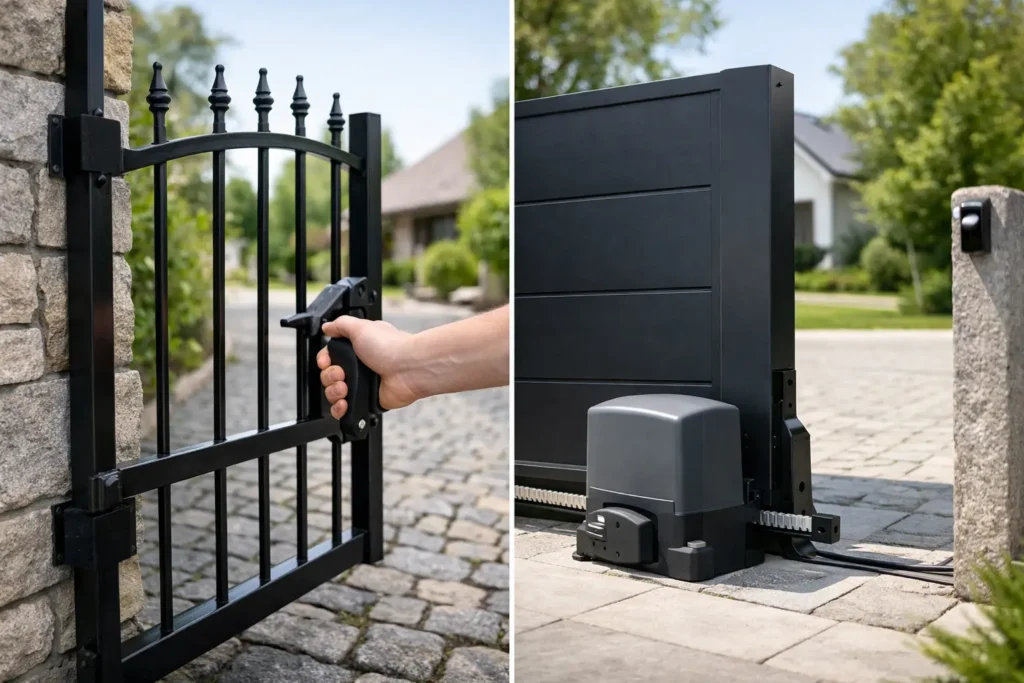
A standard door does not carry that fire-resistance rating. It can still be a quality product. Standard doors may be insulated, impact-resistant, attractive, durable, and secure. They are often the right choice for exterior entries, bedrooms, offices, storage spaces, and many garage applications where a rated opening is not required.
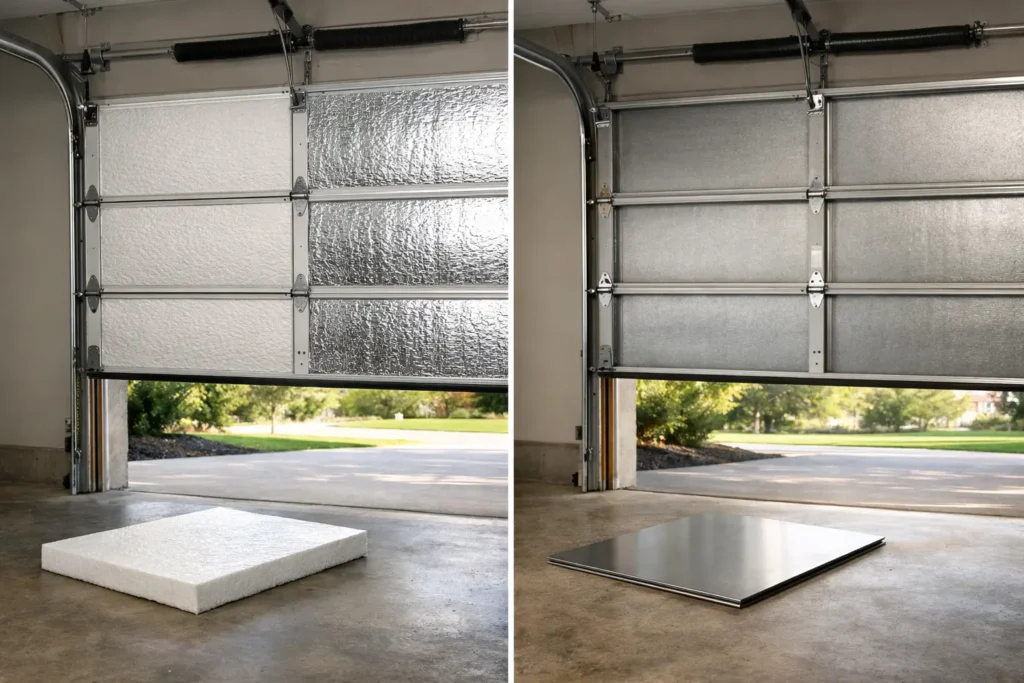
The key is not to assume that steel automatically means fire-rated. Many steel doors and steel garage doors are excellent products, but they are not fire doors unless they have been tested, labeled, and installed as a rated assembly.
Where Fire Ratings Matter Most
Fire-rated doors are used to protect the openings in fire-resistance-rated walls. Those walls are intended to divide a structure into safer sections and give occupants more time to exit while helping limit damage.
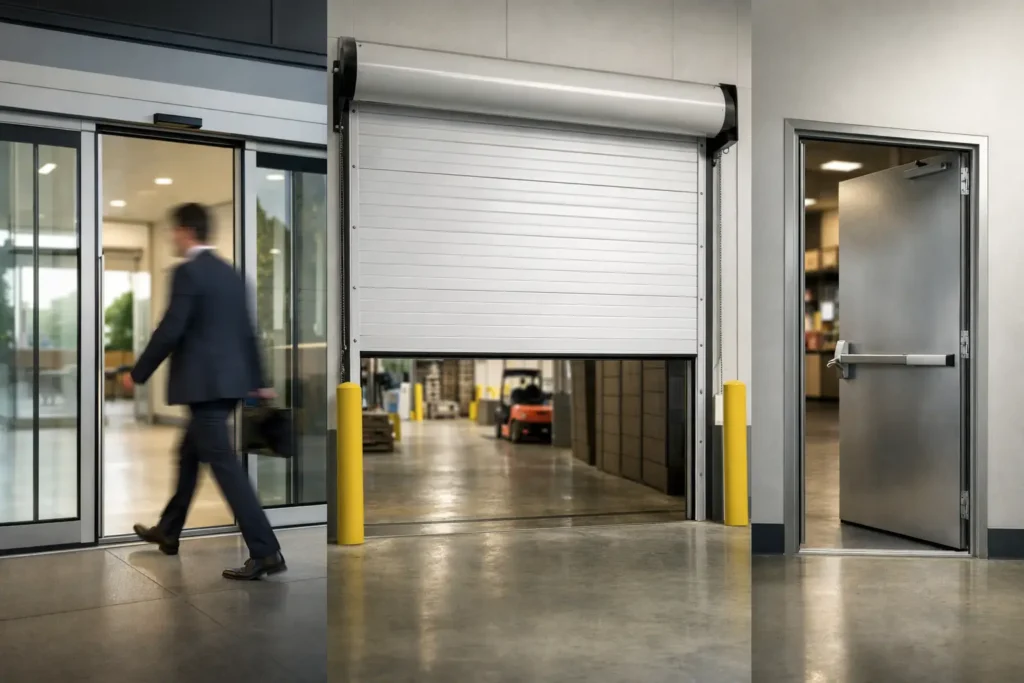
In a commercial building, you may see rated doors at stairwells, corridors, mechanical rooms, storage areas, between tenant spaces, or in walls separating a warehouse from an office area. A retail shop with a stockroom, an auto facility, or a multi-tenant property may have specific door requirements based on occupancy and layout.
In a home, the separation between an attached garage and the living space deserves special attention. Garages contain vehicles, fuel, batteries, chemicals, tools, and equipment that can create a higher fire risk than a typical room. Building codes often require a protective door assembly between the garage and house. Depending on the applicable code and local enforcement, that may mean a solid wood door, a solid or honeycomb-core steel door, or a 20-minute fire-rated door.
Requirements can vary by jurisdiction and by the age and design of the property. A replacement project is a good time to verify what applies to your specific opening rather than relying on what a neighbor has installed.
What About the Main Garage Door?
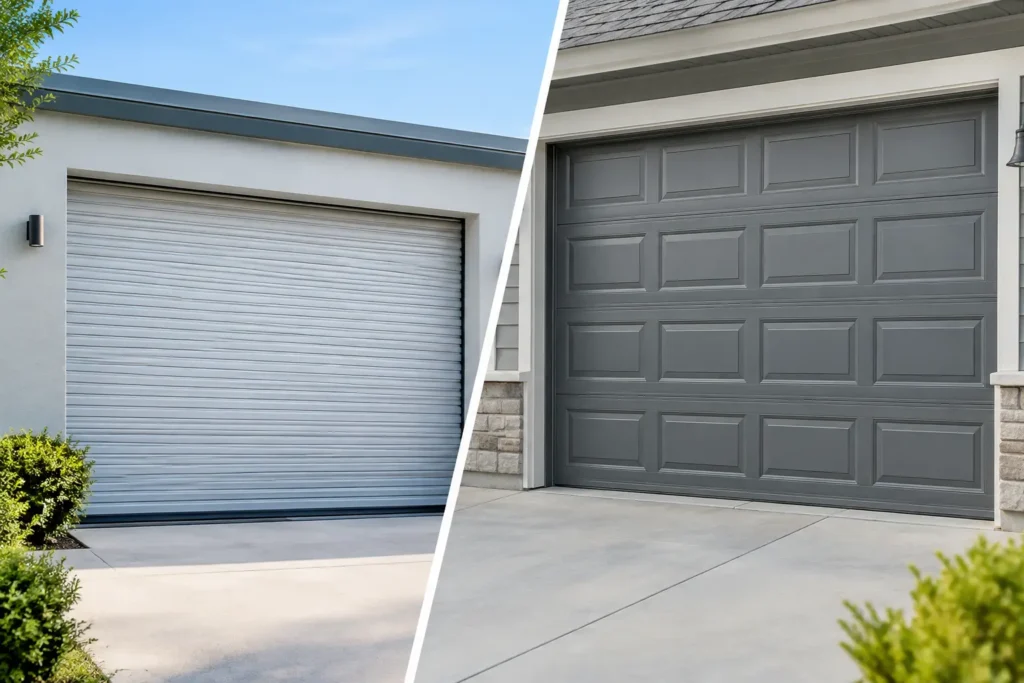
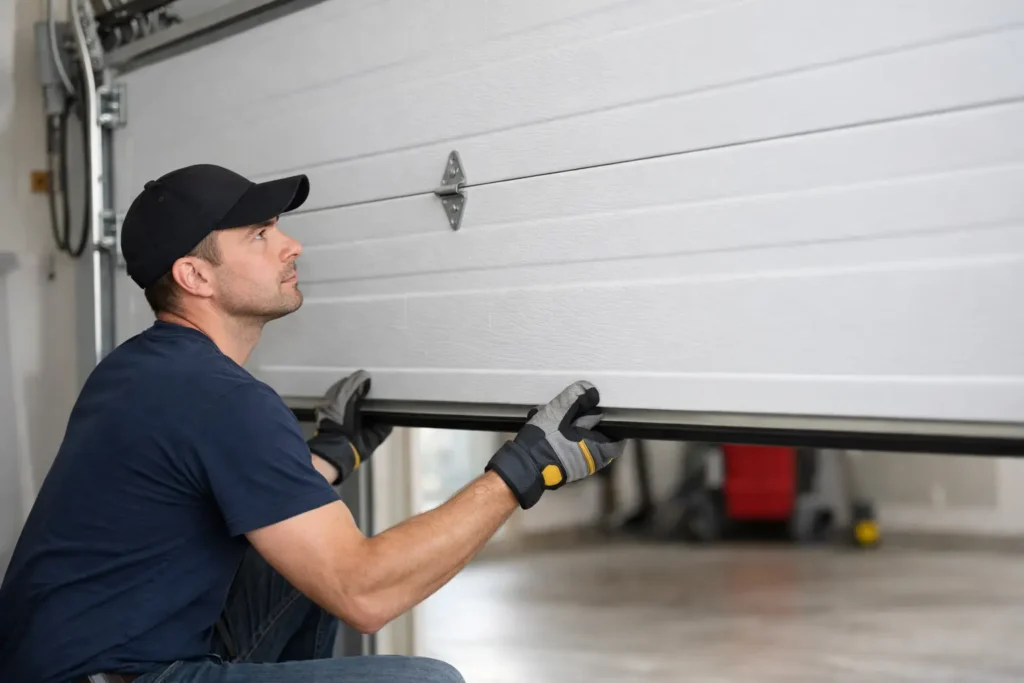
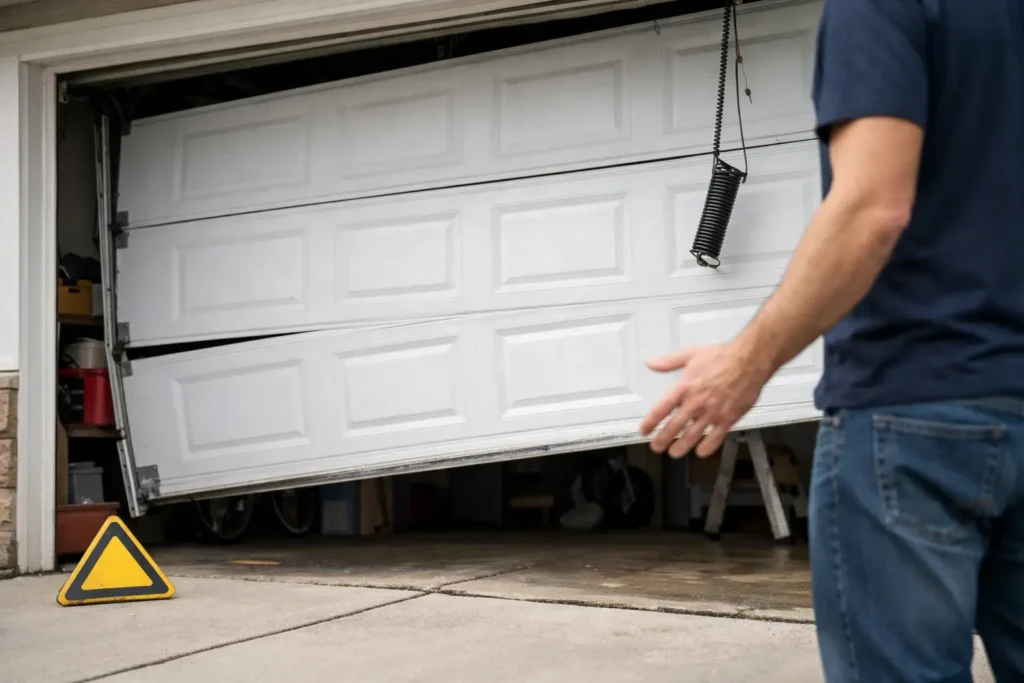
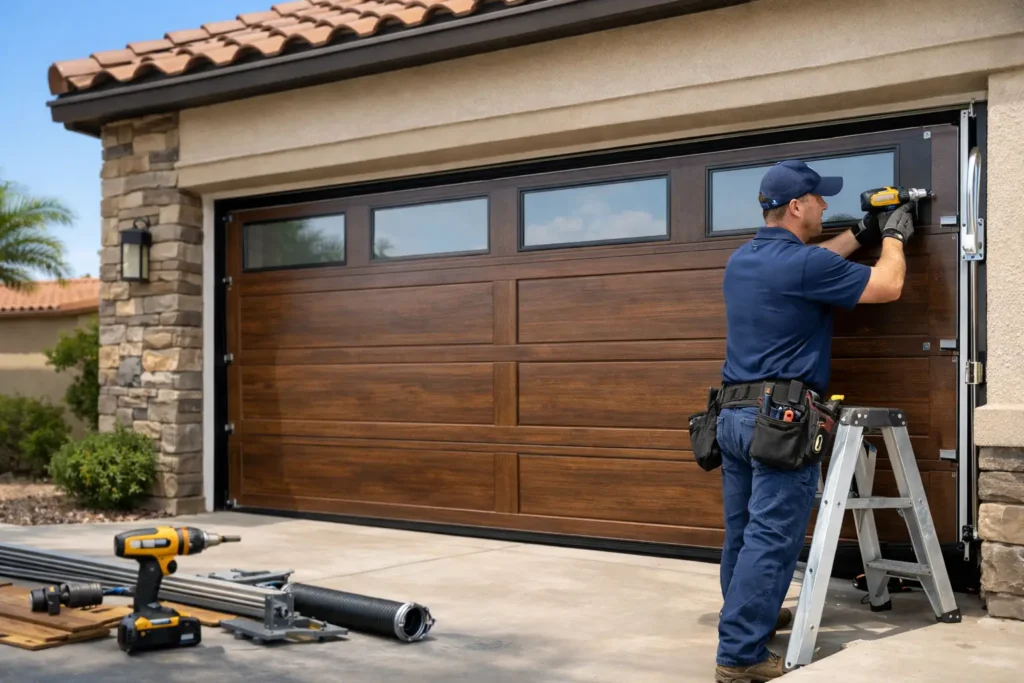
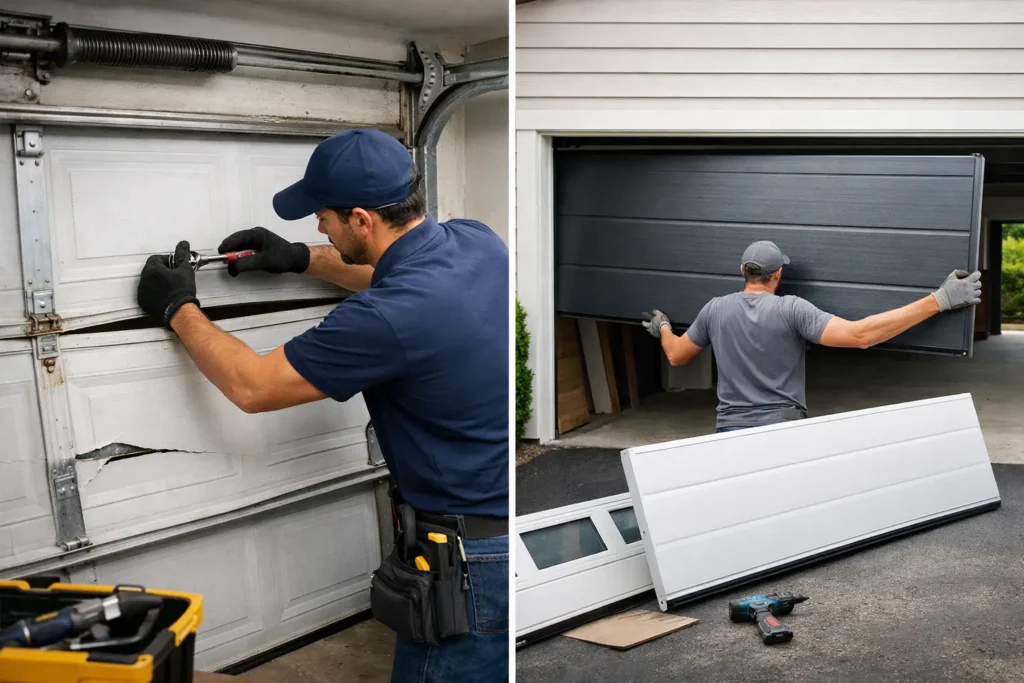
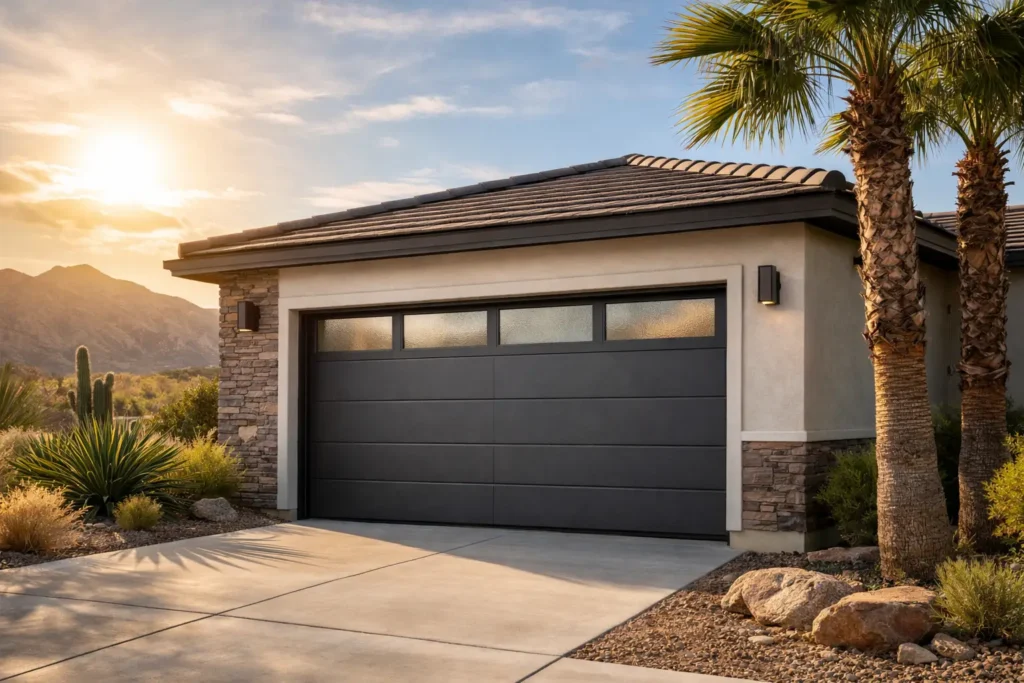
Most residential sectional garage doors are not fire-rated doors. Their job is to provide security, insulation, curb appeal, and reliable access at the vehicle opening. The fire separation concern is more commonly the pedestrian door leading from the attached garage into the home.
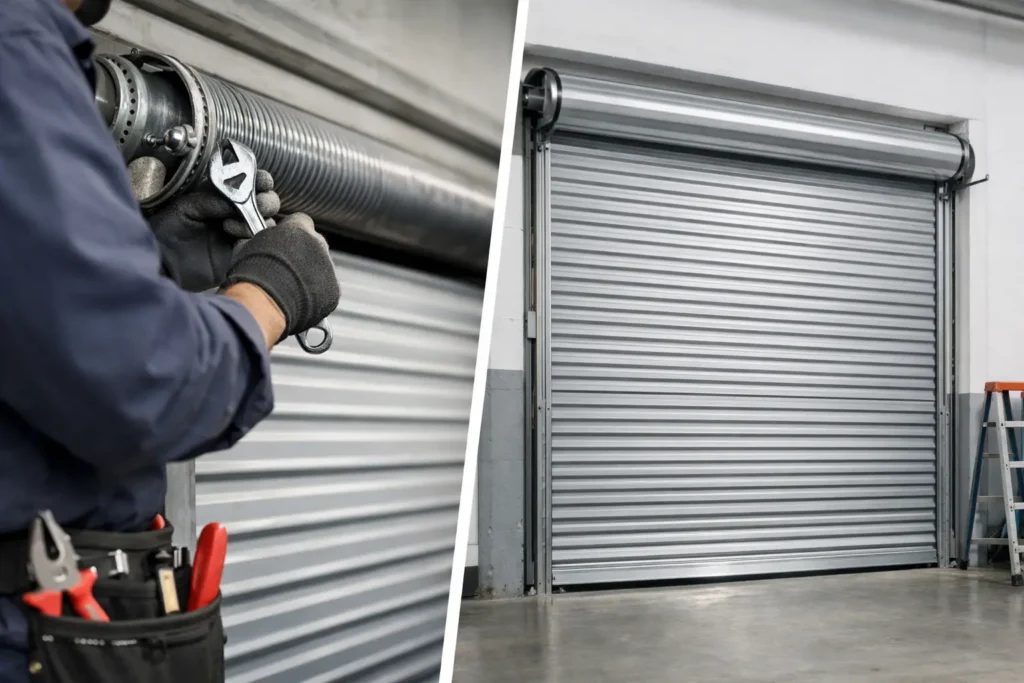
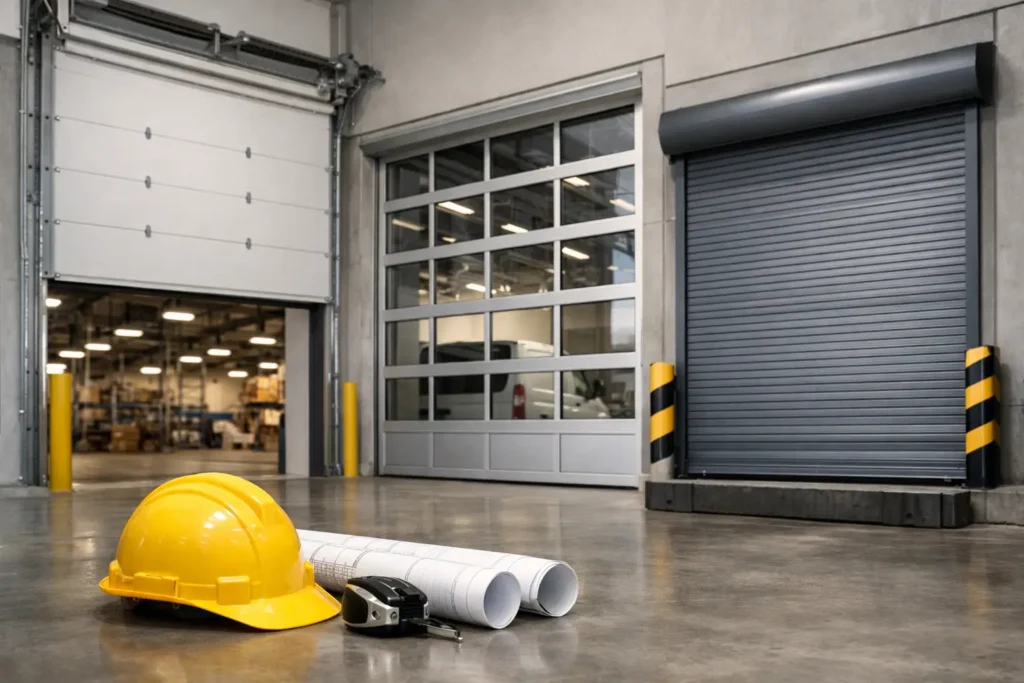
Commercial properties are different. Some larger openings in rated walls require a labeled fire-rated rolling steel door, counter door, shutter, or another specialized closing system. These products may close automatically when an alarm system activates or when a fusible link releases during a fire.
A standard commercial overhead door should not be substituted for a fire-rated rolling door when the opening is required to be protected. The two may look similar at a glance, but their listing, operation, installation requirements, and maintenance needs are not the same.
How Fire Doors Work During a Fire
A properly installed fire door buys time. When closed and latched, it helps contain flames and hot gases in one area instead of allowing them to move quickly through a building. Some assemblies also use smoke seals or intumescent materials that expand with heat to close small gaps around the door.
The word “closed” is critical. A rated door that is wedged open does not provide its intended protection. In commercial settings, a door that needs to remain open for day-to-day operations should usually use a code-compliant hold-open device connected to the fire alarm system, not a doorstop or a box on the floor.
For a door to perform as designed, it generally needs a positive-latching mechanism. A closer may be required so the door shuts on its own. Hardware has to match the listing, and the door cannot be blocked, warped, damaged, or altered beyond what the manufacturer allows.
That is why fire-door maintenance is more than cosmetic upkeep. A sticking latch, missing closer, damaged edge, or field modification can turn a rated opening into a weak point.
Choosing the Right Door Without Paying for the Wrong One
The best door is the one that matches the opening’s actual requirements. Paying extra for a fire rating where it is not needed may not make sense. On the other hand, installing a standard door where a rated assembly is required can create safety, insurance, inspection, and liability problems.
Start by identifying where the door is located and what it separates. Is it between an attached garage and the home? Is it in a stair enclosure? Does it sit in a wall that is already rated? Is it a commercial opening that must close automatically in an emergency? These answers guide the decision.
Then look for the label. On a swinging fire door, labels are often found on the hinge edge of the door or the frame. On rolling or overhead fire doors, the label may be attached to the curtain, guides, barrel, or another manufacturer-designated component. If there is no visible label, do not assume the door is rated.
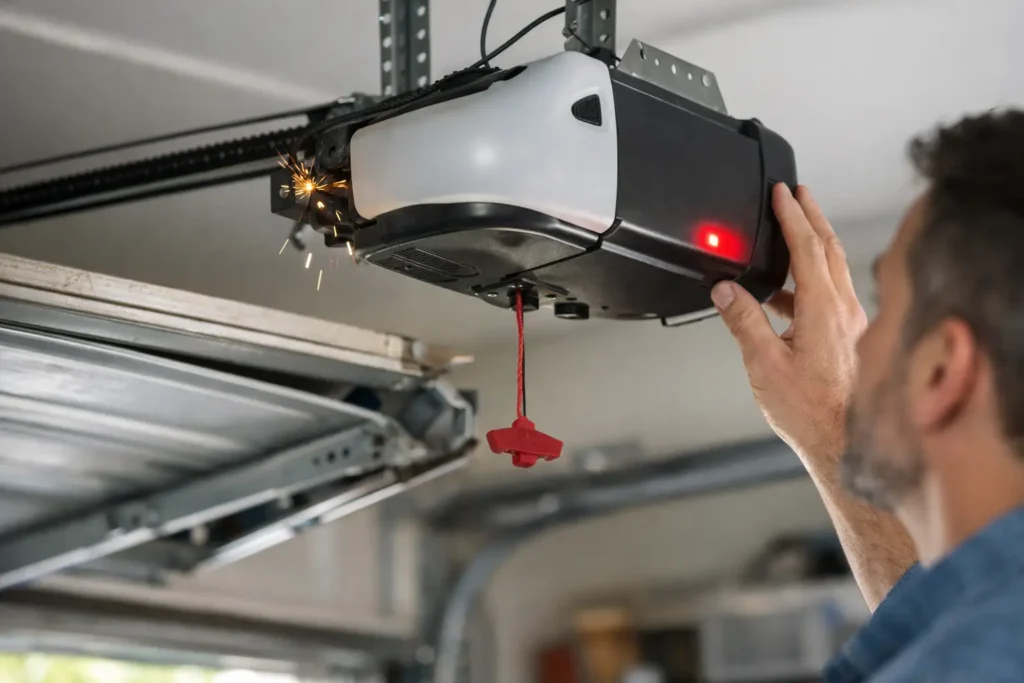
Finally, consider the complete system. A new rated door installed in an incompatible frame with the wrong hardware is not a simple upgrade. Professional installation matters because clearances, hardware, closing action, and operator integration can all affect performance.
Common Mistakes to Avoid
A few mistakes come up repeatedly during door repairs and replacements:
- Assuming a metal door is automatically fire-rated.
- Replacing a labeled fire door with a standard door because the dimensions match.
- Installing decorative hardware, pet doors, windows, or vents that are not approved for the assembly.
- Disabling a closer because it feels inconvenient or allowing a door to remain propped open.
- Treating a fire-rated commercial door like a standard overhead door during repairs.
If a door is part of a required fire barrier, small changes can have bigger consequences than homeowners or maintenance teams expect. It is always better to ask before modifying the door, frame, closer, opener, or hardware.
Fire Door Maintenance for Homes and Businesses
Homeowners can check the door between the garage and house a few times a year. Make sure it closes fully, latches securely, and does not have large holes, cracks, or damaged weatherstripping that interferes with operation. If it has a self-closing hinge or closer, confirm that it works without slamming hard enough to damage the frame.
For businesses, regular inspection is especially valuable. Check that the door closes and latches, the label remains visible, the opening is not obstructed, and all hinges, closers, and panic hardware work properly. Fire-rated rolling doors may need specialized inspection and drop testing based on their design and local requirements.
If your property has an unusual opening, an attached-garage access door that needs replacement, or a commercial door that may be part of a rated wall, get clear answers before work begins. Riggs Rescue AZ can help evaluate garage and access-door concerns, explain your practical options, and provide straightforward service with no surprises. A properly chosen door is one less thing to worry about when it matters most.