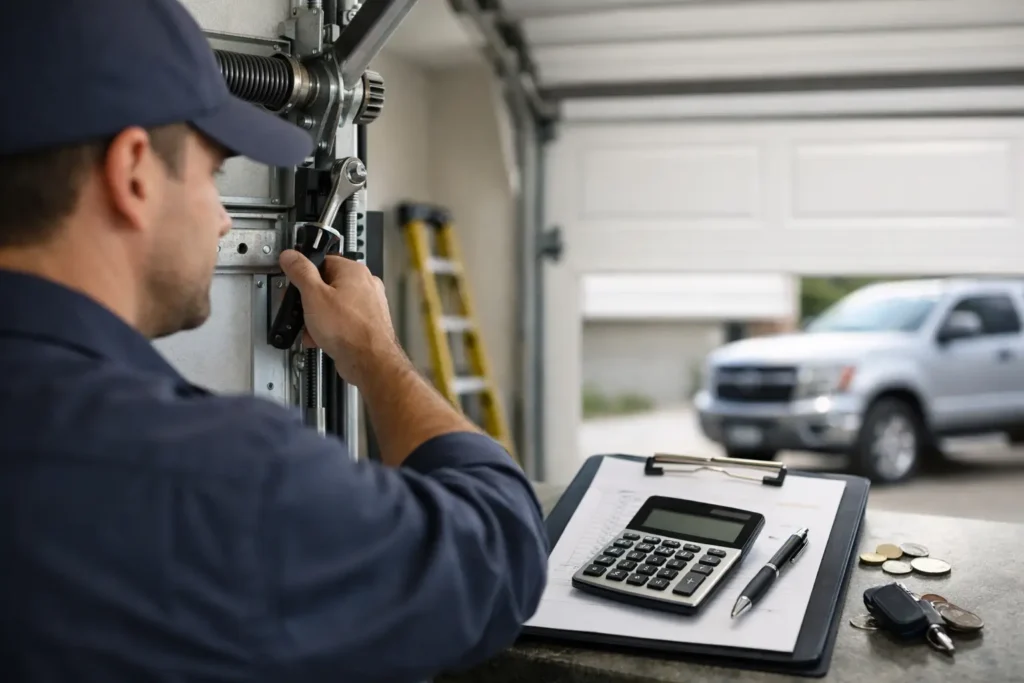
A driveway gate should make coming home easier, not leave you waiting in the street while it struggles to open. The best driveway gate opener systems are not simply the strongest motors on the shelf. They are properly matched to the gate’s weight, length, design, daily use, power source, and the Arizona conditions they must handle year after year.
For homeowners and small businesses, the right system adds security and convenience without creating a new maintenance headache. Here is what to look for before choosing an opener or replacing one that has become unreliable.
What Makes a Gate Opener a Good Fit?
A gate operator does one job, but it has to do that job safely and consistently. A system that is oversized or undersized can lead to premature wear, poor movement, or safety concerns. The best choice depends less on a brand name and more on whether the operator matches the gate and the property.
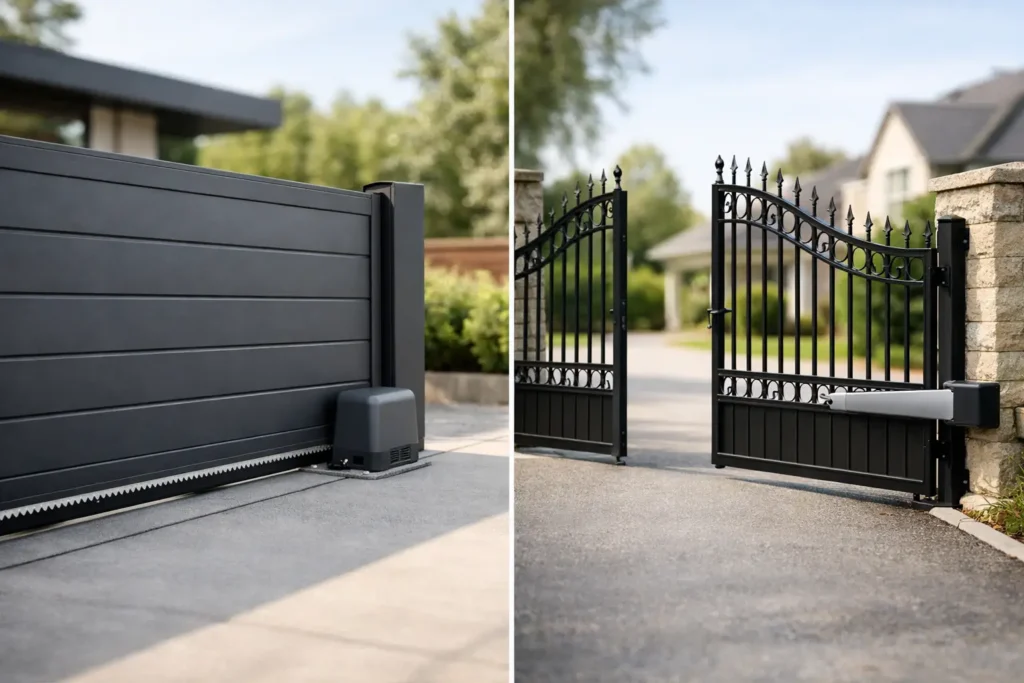
Start with the gate type. Swing gates move inward or outward on hinges, while sliding gates travel horizontally along a track or cantilever system. Each needs a different style of operator. Then consider the total gate weight, the length of each leaf, and how many times it will open each day. A single residential gate used a few times daily has very different needs than a commercial entrance serving employees, customers, deliveries, and vendors.
Arizona heat matters, too. Electronics, batteries, control boards, moving hardware, and exposed wiring all need proper installation and protection. A quality operator helps, but correct setup and routine service are what keep it dependable through summer temperatures, dust, monsoon weather, and daily use.
Best Driveway Gate Opener Systems by Gate Style
Swing gate opener systems
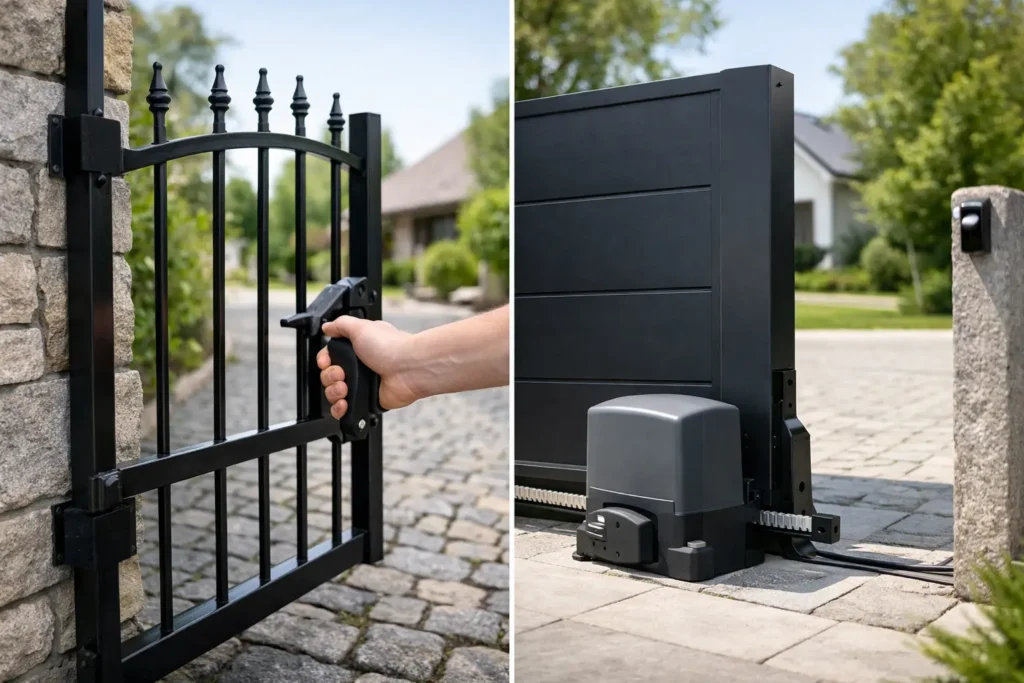
Swing gate systems are common on residential properties because they offer a traditional appearance and work well with many decorative steel, wood, and aluminum gates. A linear actuator is often used for lighter or moderate-duty swing gates. It uses an extending arm to push and pull the gate open. For heavier gates or more frequent use, an articulated arm or underground operator may be a better fit.
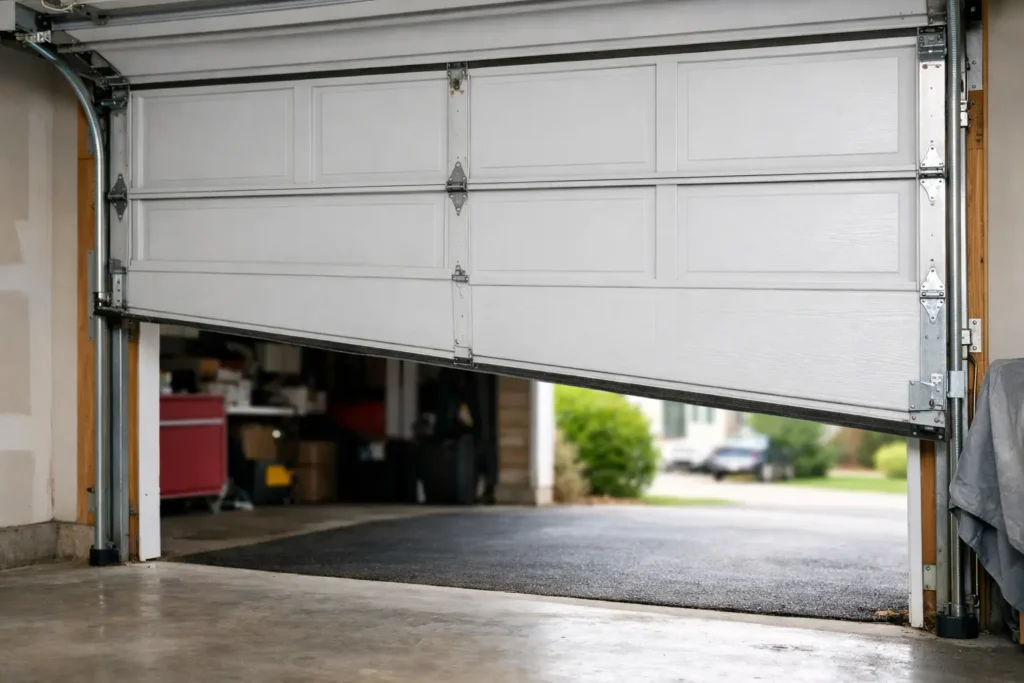
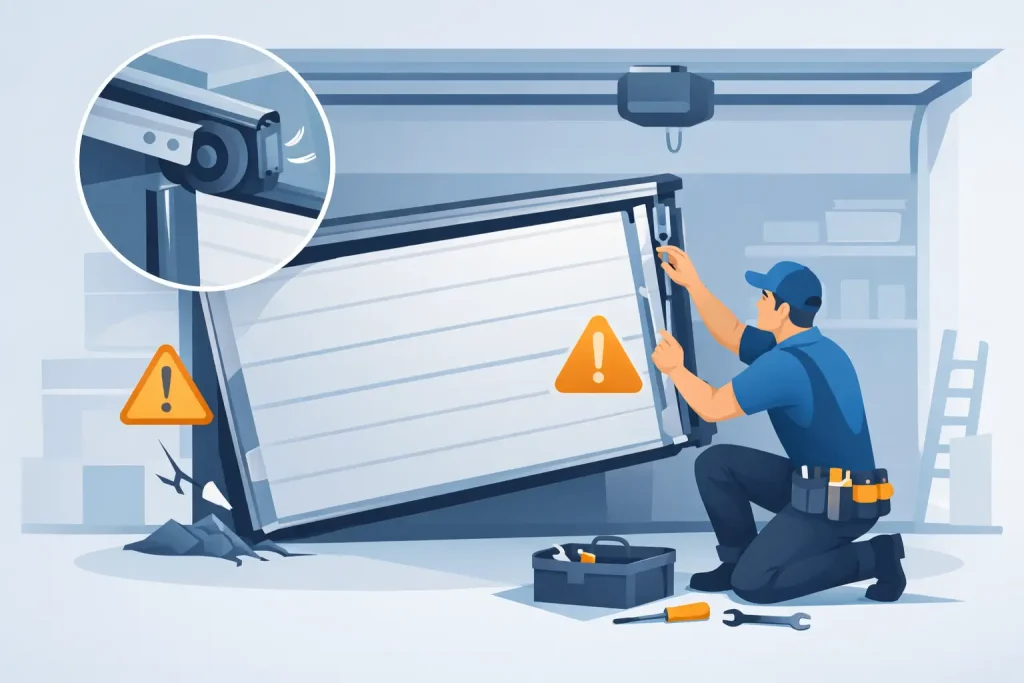
A dual swing gate setup is usually the right approach when two gate leaves meet in the center. Both leaves need to move in sync, stop correctly, and reverse if something enters the path. If one side is dragging, sagging, or catching on the ground, a new opener alone will not solve the problem. The hinges, posts, gate frame, and driveway grade must be addressed first.
Swing operators are a smart choice when there is enough clear space for the gate to travel. They are less practical on steep driveways, tight approaches, or properties where a gate would swing into a public sidewalk or roadway.
Sliding gate opener systems
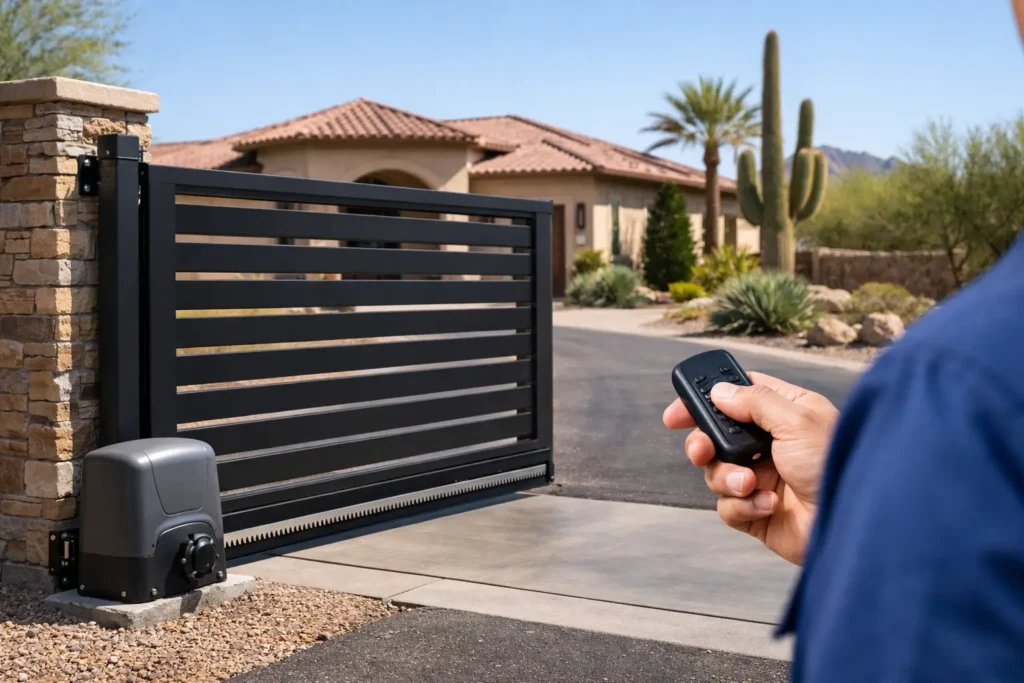
Sliding systems are often the better answer for wide openings, heavy gates, and high-traffic entrances. Instead of swinging into the driveway, the gate slides parallel to the fence line. That makes it a strong option when space behind the gate is limited or the driveway rises quickly.
A tracked slide gate rolls on wheels along a ground track. A cantilever gate is supported above the driveway and does not use a ground track across the opening. Cantilever designs can be especially helpful where dirt, gravel, leaves, or water would repeatedly interfere with a track.
For commercial properties, a sliding gate operator with a proper duty cycle is essential. A light residential motor may work at first, then overheat or wear out under frequent traffic. Business owners and property managers should plan for the heaviest realistic use, not just the average day.
Solar-powered gate opener systems
Solar power can be an excellent option for a gate located far from electrical service. It can reduce the need for trenching and bring dependable access control to rural or larger properties. But solar is not a one-size-fits-all answer.
Panel placement, battery capacity, shade, gate weight, and daily cycles all affect performance. A system that works well for a low-use residential gate may not keep up with an active commercial entry. Battery backups also need occasional attention, especially after years of heat exposure. Solar is convenient when it is properly sized, but an undersized solar package can become a frustrating source of slow or inconsistent operation.
Do Not Choose an Opener by Horsepower Alone
It is easy to focus on motor strength, but horsepower is only one part of the equation. Gate condition is just as important. Before an opener is installed, the gate should move smoothly by hand, stay level, and have secure posts, hinges, rollers, and stops.
A gate that binds or drags forces the operator to work harder every cycle. That can damage gears, arms, chains, and internal components. It can also create an unsafe closing condition. Think of the opener as the system that moves a healthy gate, not the part that compensates for a failing one.
Duty cycle deserves the same attention. Residential systems are typically built for intermittent use. Commercial-grade operators are designed for more frequent cycles and may include heavier components, stronger controls, and more advanced access features. Paying for commercial equipment at a quiet private driveway may be unnecessary. Installing residential equipment at a busy business entrance often becomes more expensive in the long run.
Safety Features Are Not Optional
An automatic driveway gate is a moving piece of equipment. It needs the right safety devices, correctly installed and tested. A remote control and a motor are not enough.
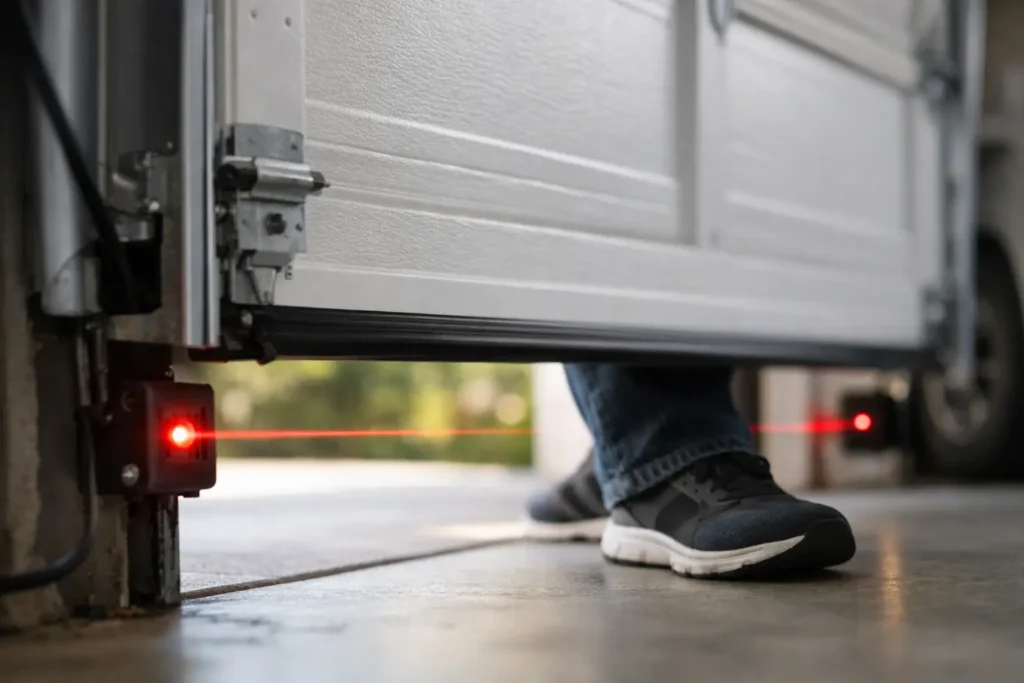
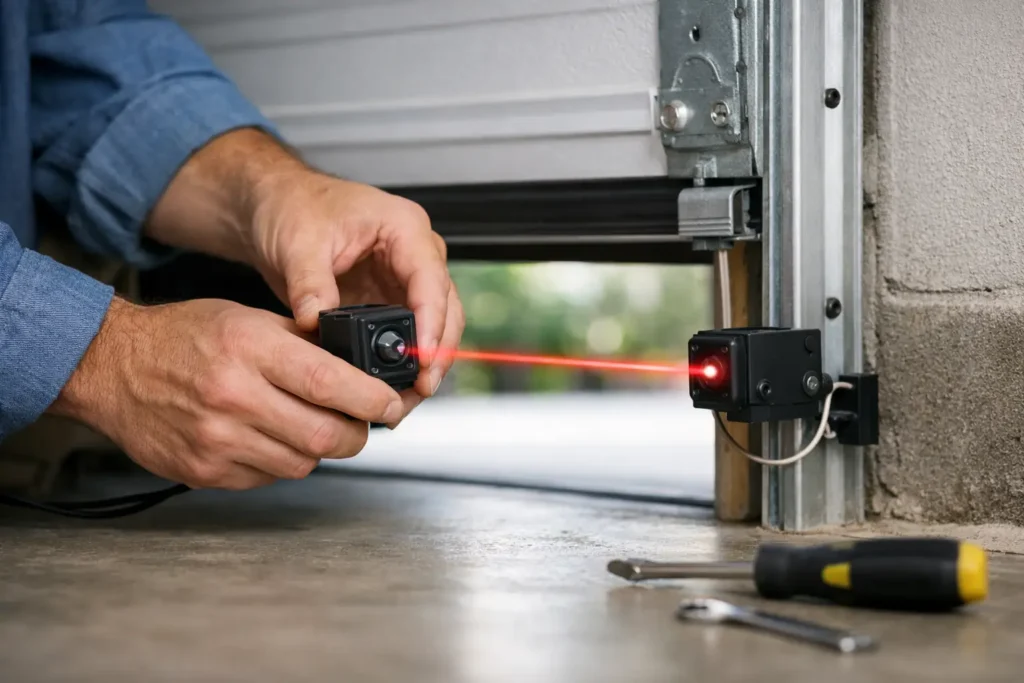
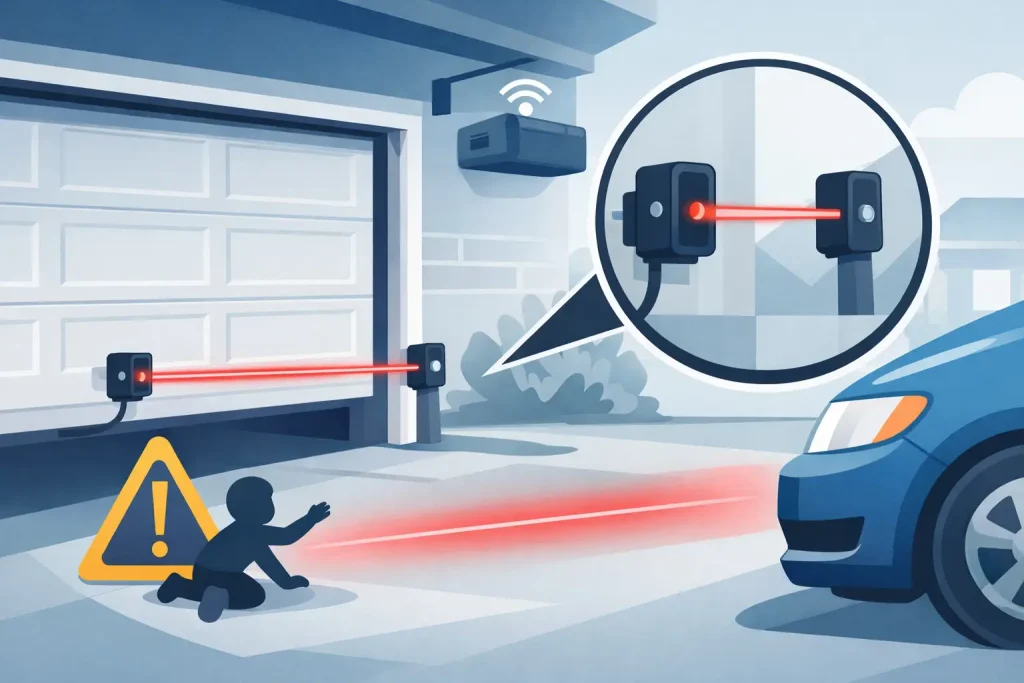
A properly planned system may include photo eyes that detect people, vehicles, or objects in the gate path; monitored edge sensors that respond to contact; a manual release for power failures or emergencies; and reliable entrapment protection that causes the operator to stop or reverse when needed. Vehicle loops, keypads, telephone entry systems, and remote controls can improve convenience, but they should never replace core safety measures.
Safety is especially important for homes with children, pets, guests, or delivery traffic. Gates should not be treated like garage doors. They have different movement patterns, greater pinch-point risks, and more room for installation mistakes. If a gate closes unexpectedly, reverses inconsistently, or has damaged safety devices, stop using the automatic function until it can be inspected.
Access Control Should Match How You Actually Use the Property
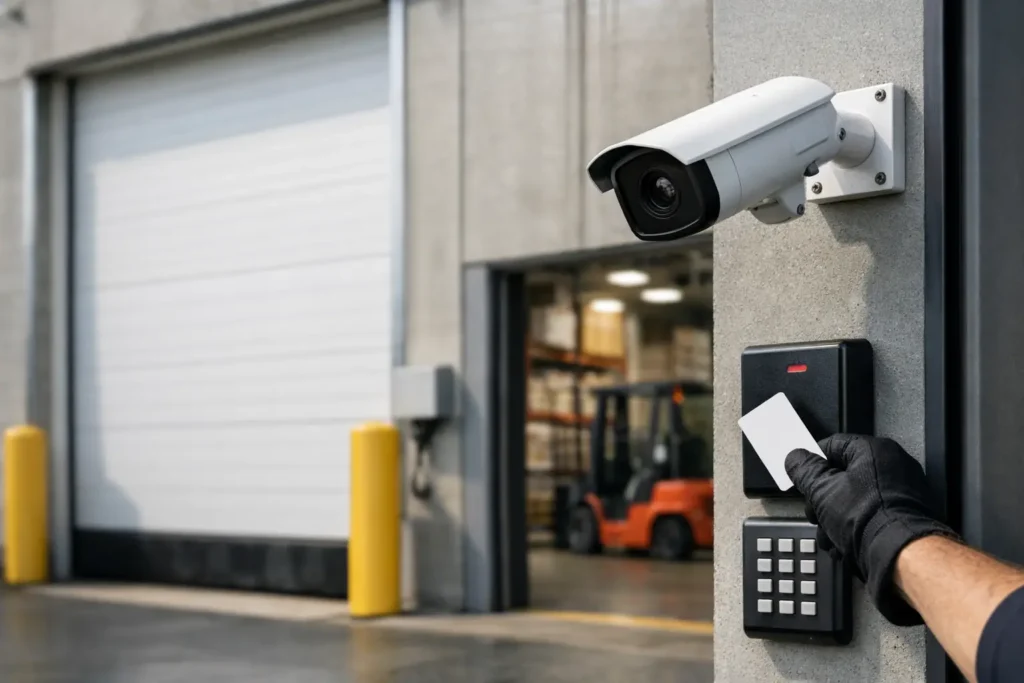
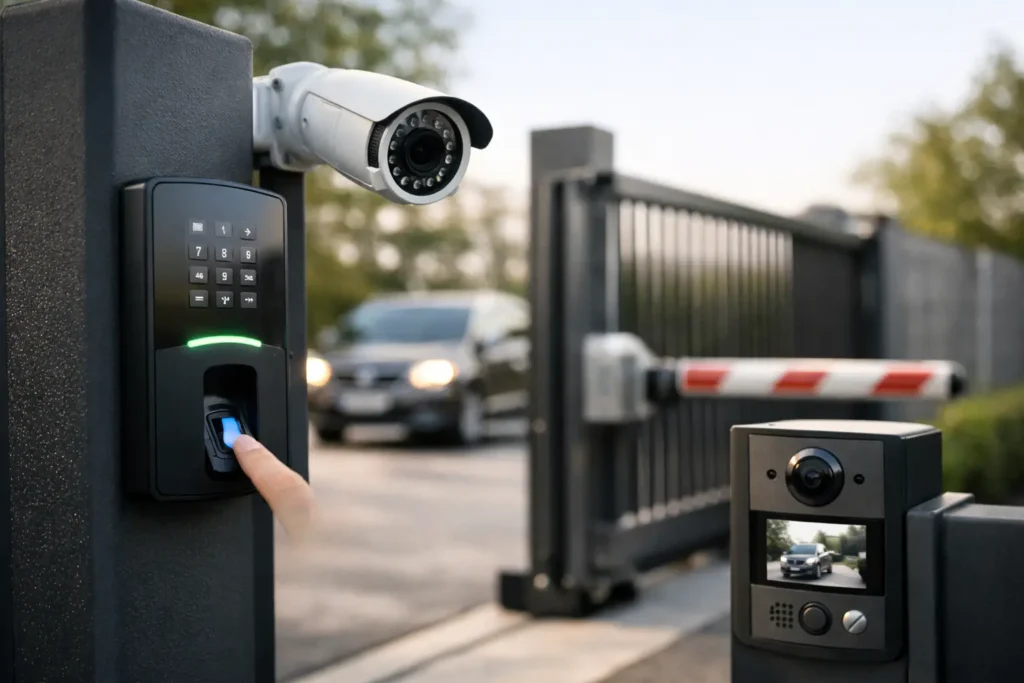
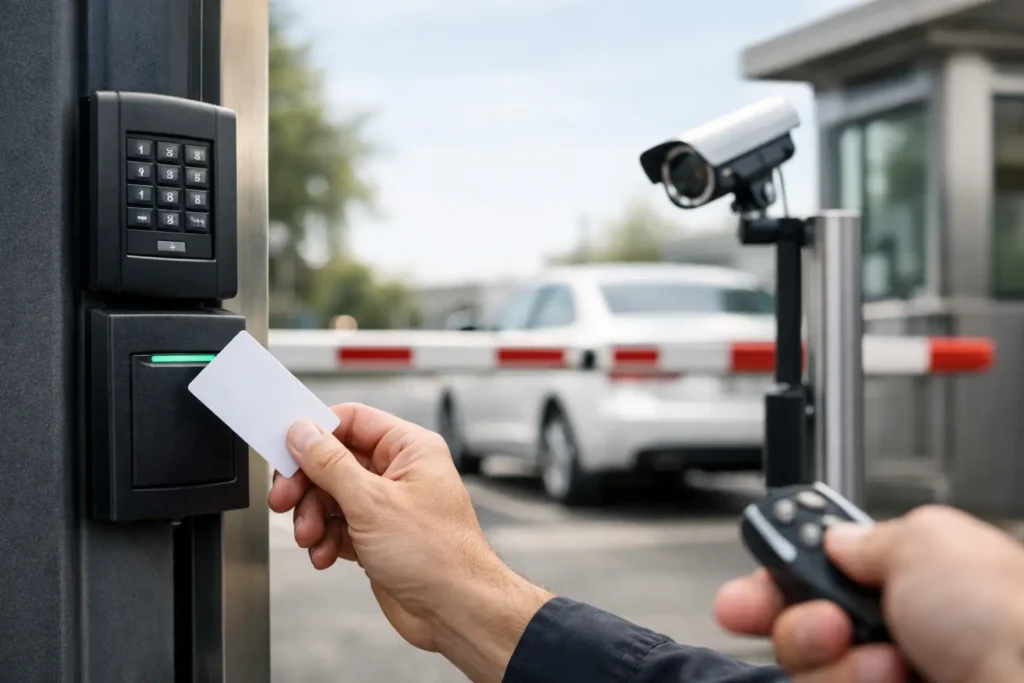
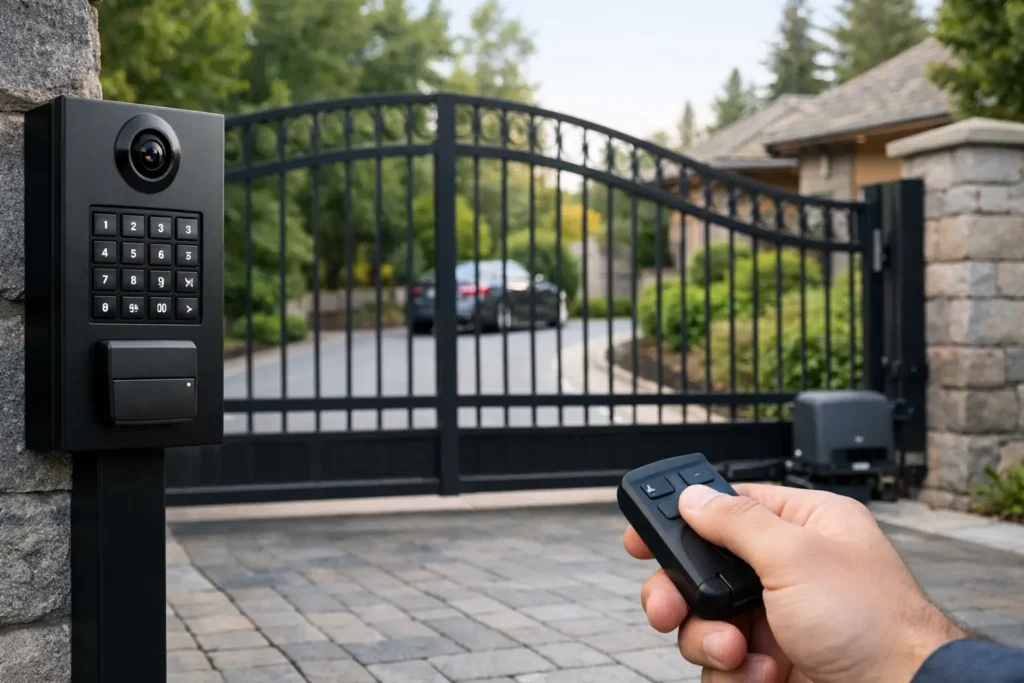
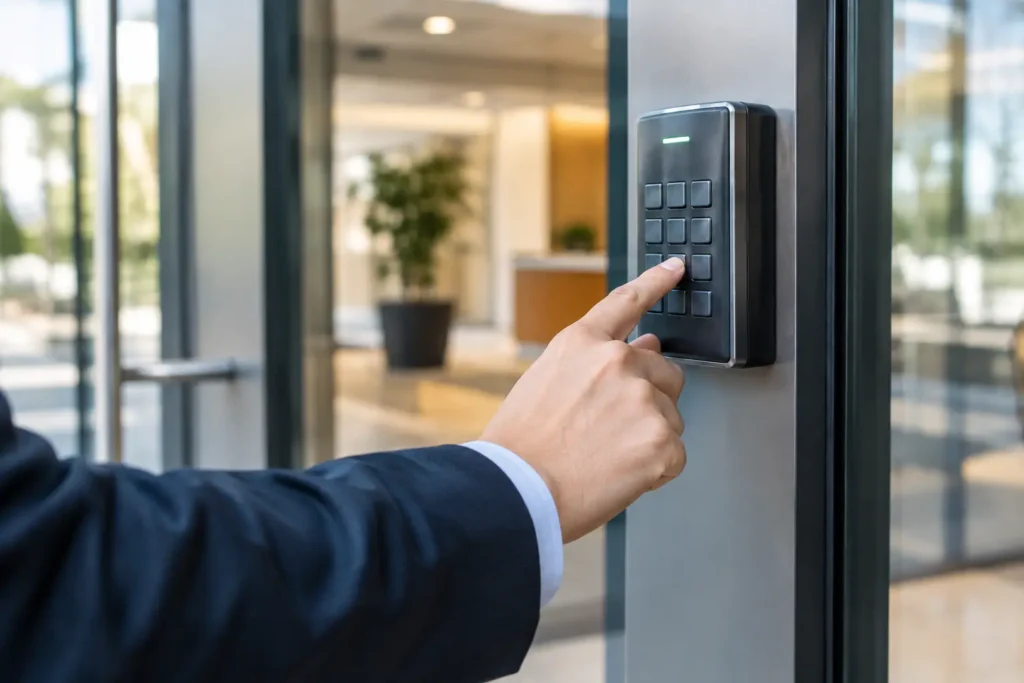
The best opener system is one your household or team can use without workarounds. A remote may be enough for a simple residential driveway, while a keypad can make access easier for family members, service providers, or trusted guests. Video intercoms and telephone entry systems can be useful for properties that receive frequent visitors.
For small businesses, consider who needs entry at different times of day. Employees, vendors, delivery drivers, and property managers may all need different access options. A well-planned system can reduce the temptation to leave a gate open for convenience, which defeats much of its security value.
It also helps to think ahead. If you expect to add a keypad, exit loop, camera, or second gate later, choosing an operator and control board that can support those additions may save time and labor down the road.
When Repair Makes Sense and When Replacement Is Smarter
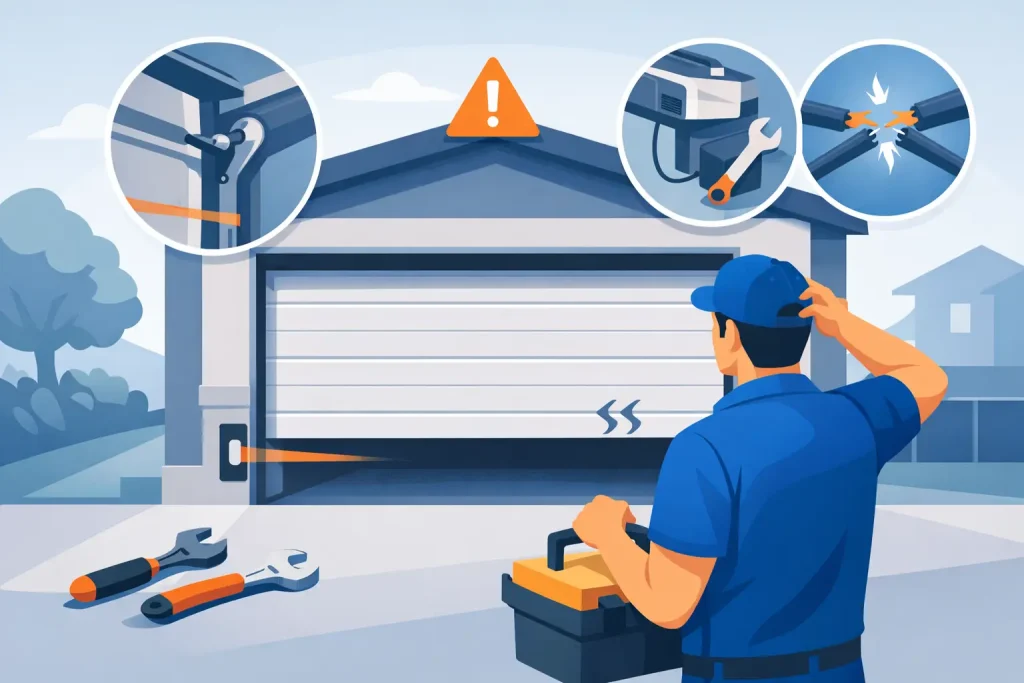
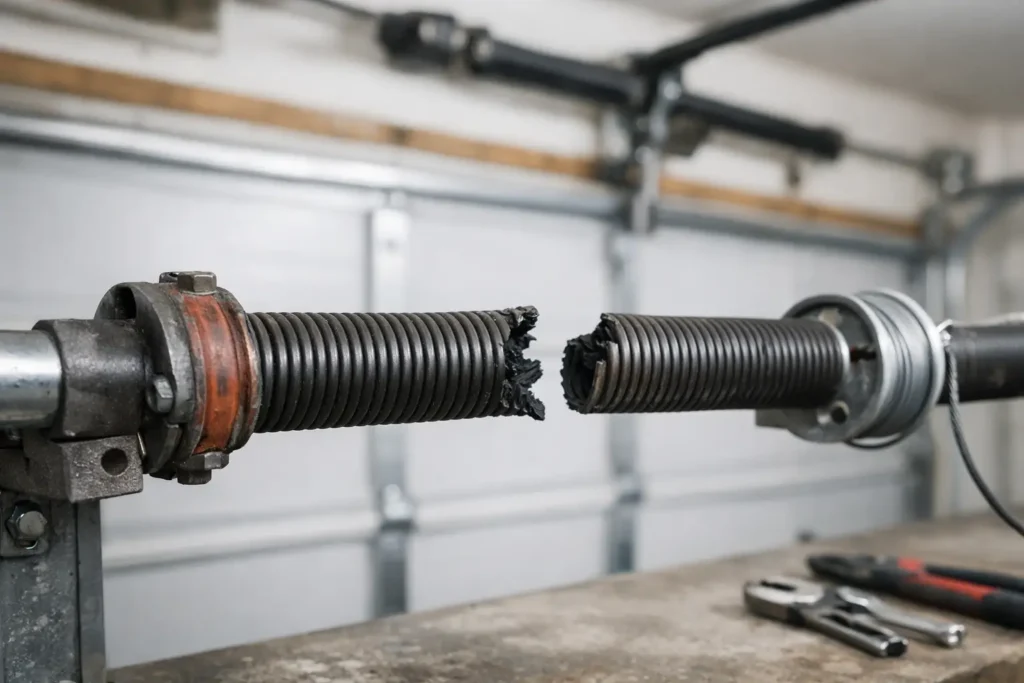
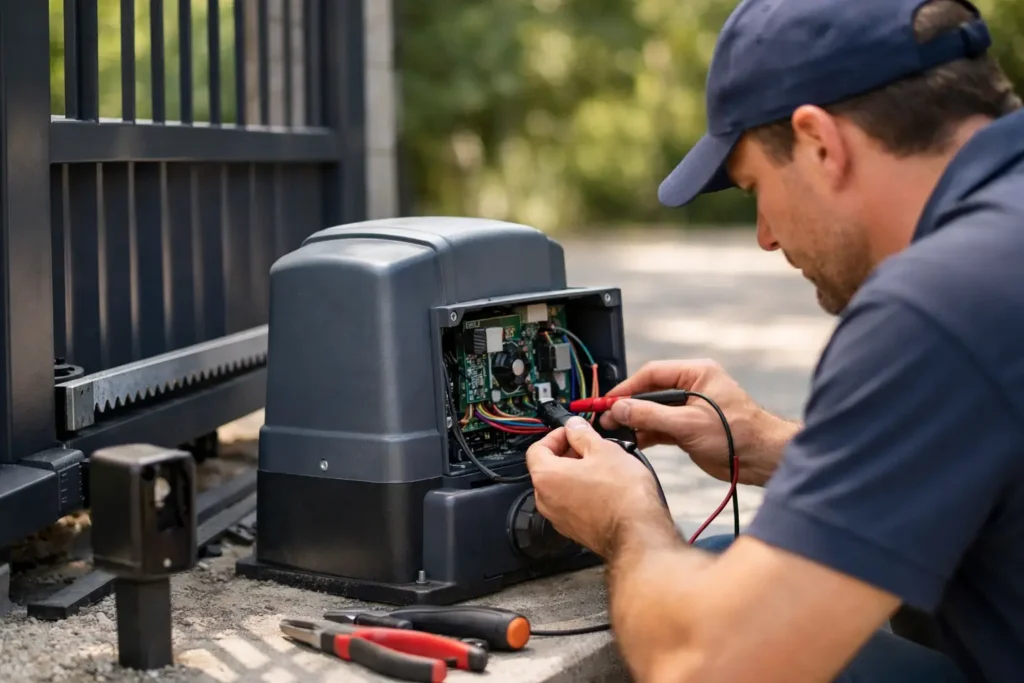
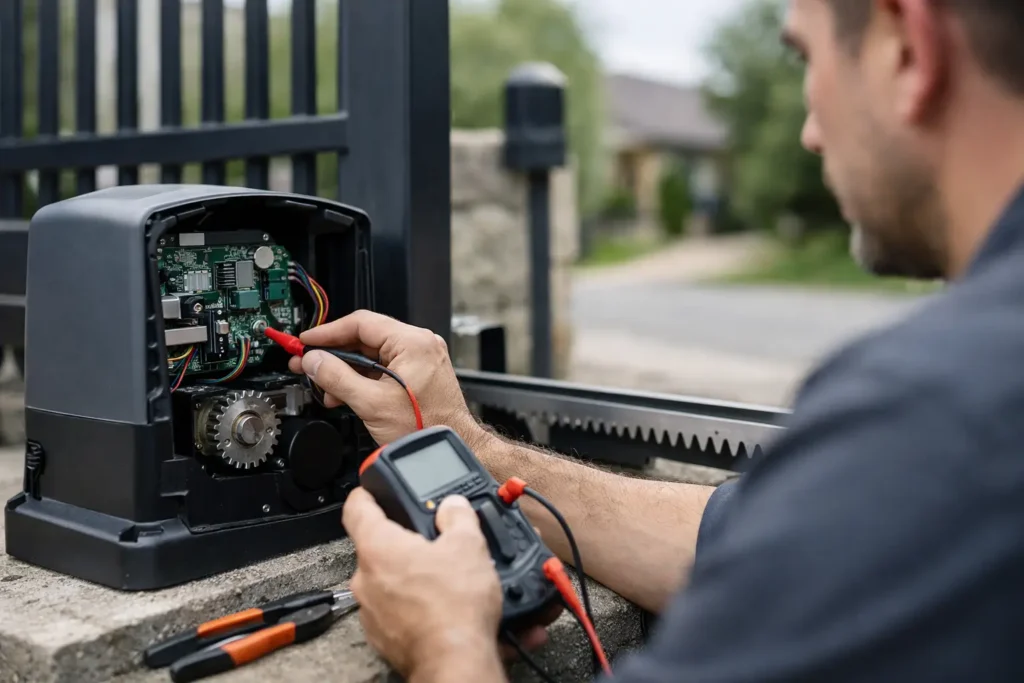
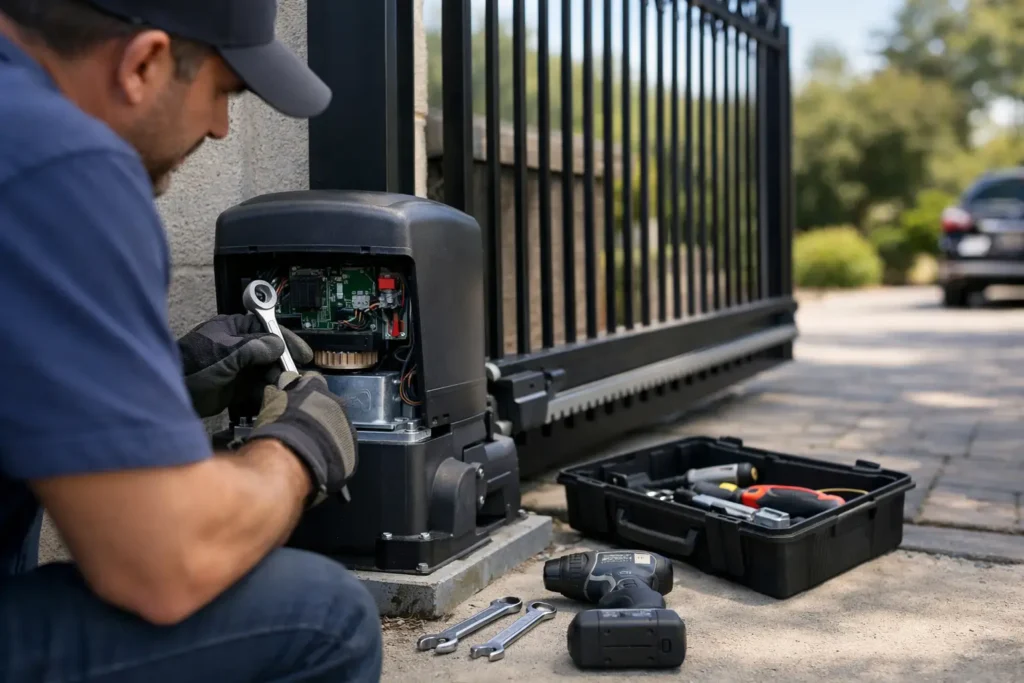
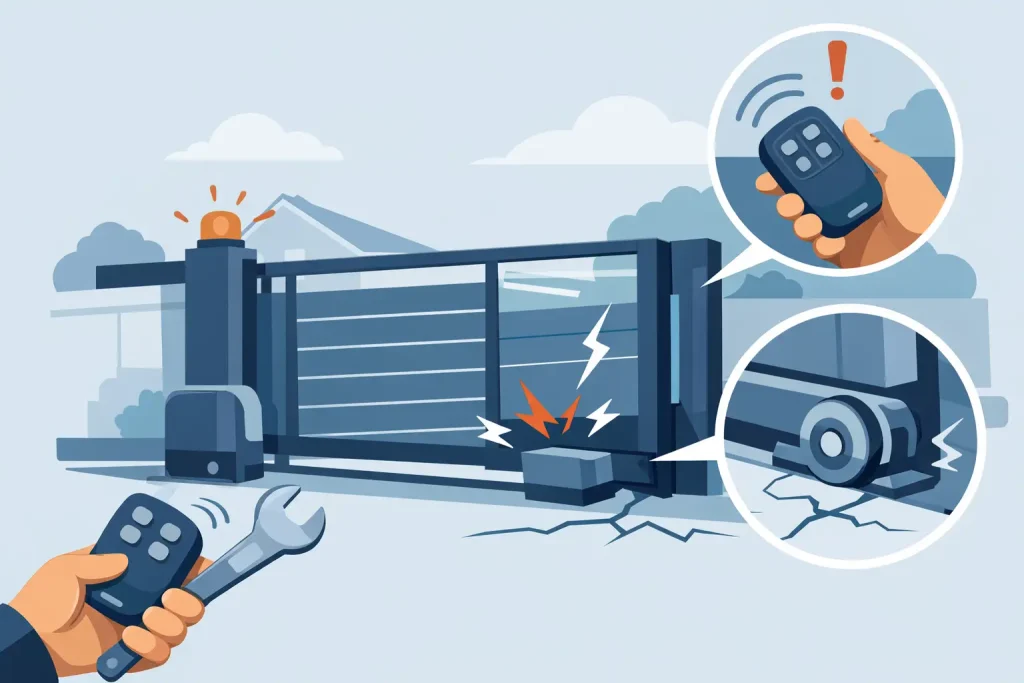
Not every unreliable gate opener needs to be replaced. Worn remotes, a weak battery, misaligned photo eyes, damaged wiring, or a gate that needs adjustment can often be repaired. Regular maintenance can also catch small issues before they turn into a gate that will not open at all.
Replacement is often the better choice when the operator is obsolete, parts are no longer available, the motor repeatedly fails, or the system lacks current safety equipment. It may also be time to upgrade if the gate has changed, traffic has increased, or the original operator was never correctly matched to the job.
A professional evaluation should look at the full system: gate structure, operator, electrical supply, safety devices, access controls, and the way the property is used. That gives you an honest recommendation instead of a quick fix that does not last.
Get a Gate System That Works When You Need It
For properties in Gilbert, Chandler, Mesa, Queen Creek, and across the East Valley, dependable gate access is about more than convenience. It is about getting home safely, protecting your property, and avoiding an avoidable delay at the end of a long day.
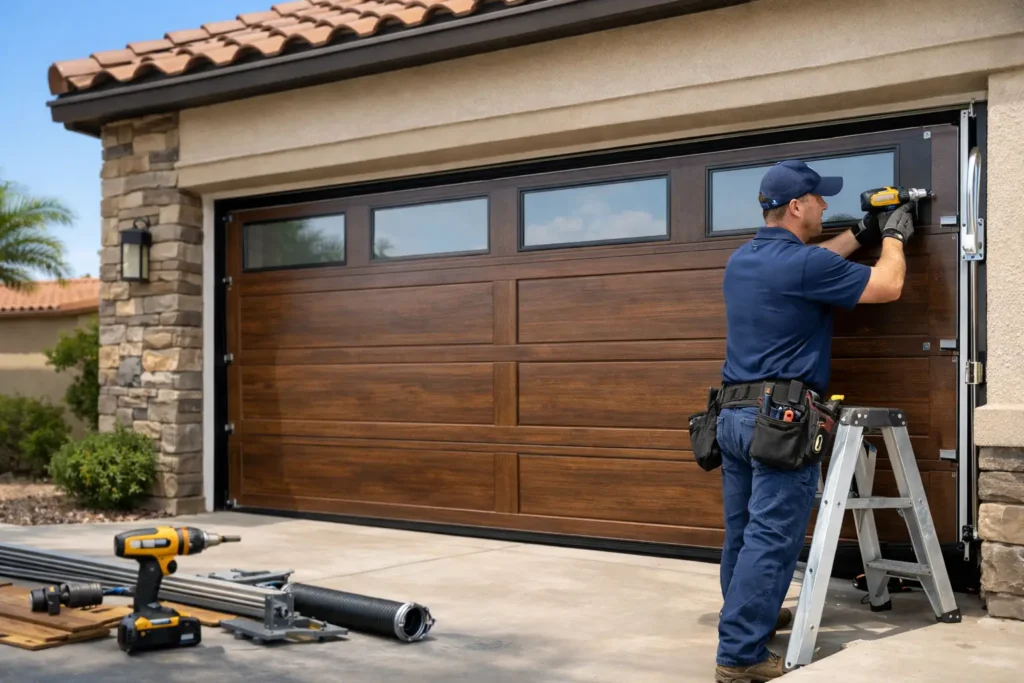
Riggs Rescue AZ can help identify whether a repair, adjustment, or replacement is the most practical path. The right driveway gate opener should fit your gate, your traffic level, and your budget, with clear pricing and no surprises. If your gate is slowing down, making unusual noises, or failing to close safely, addressing it now is usually easier and more affordable than waiting for a complete breakdown.