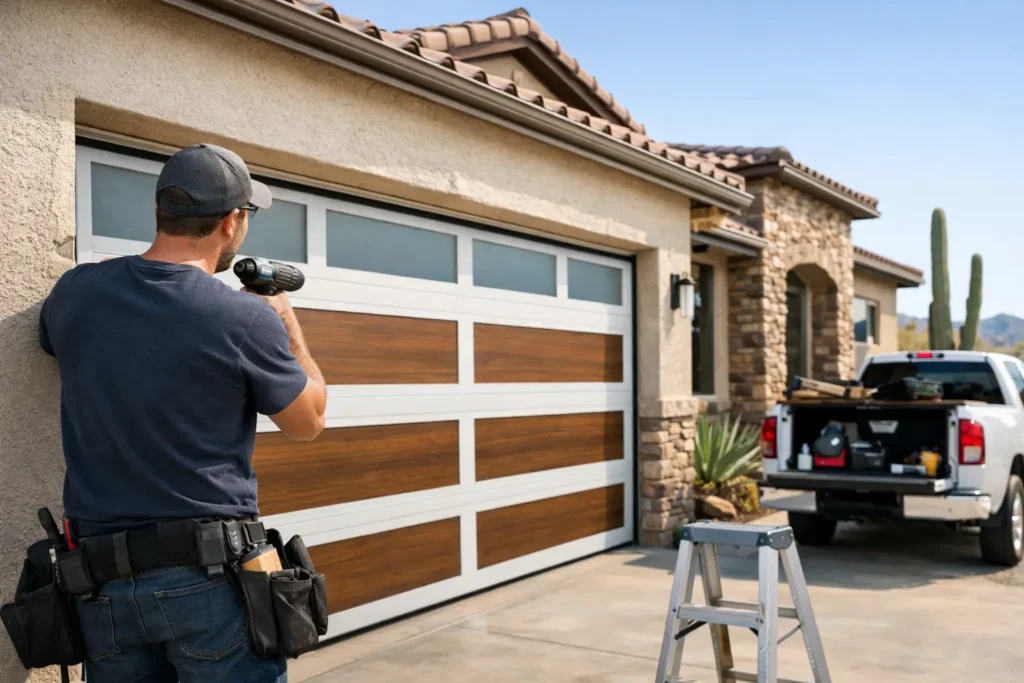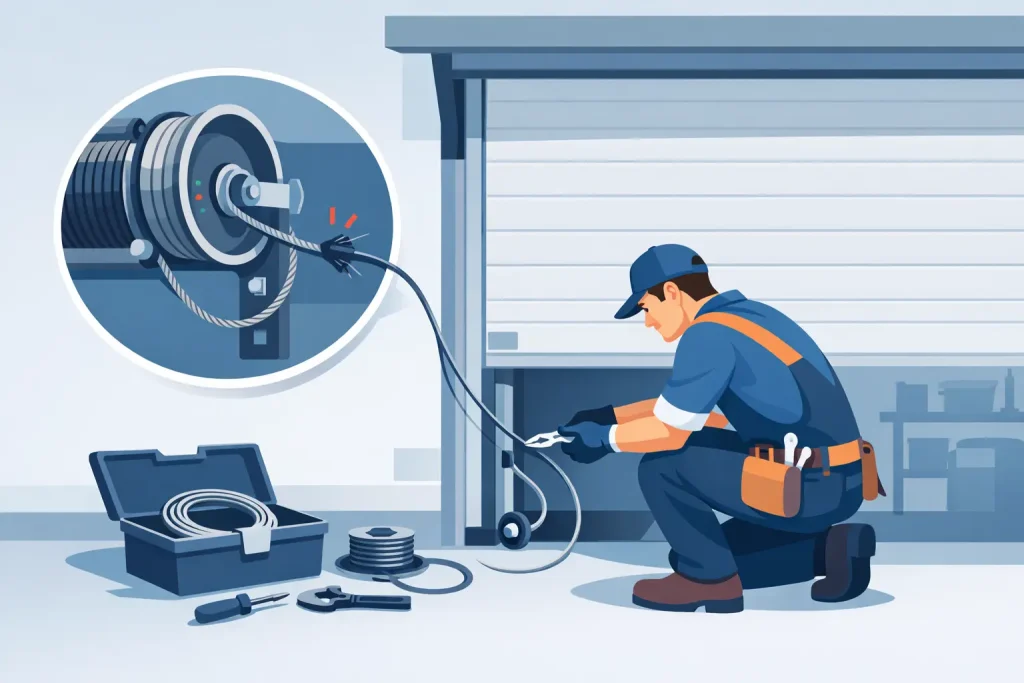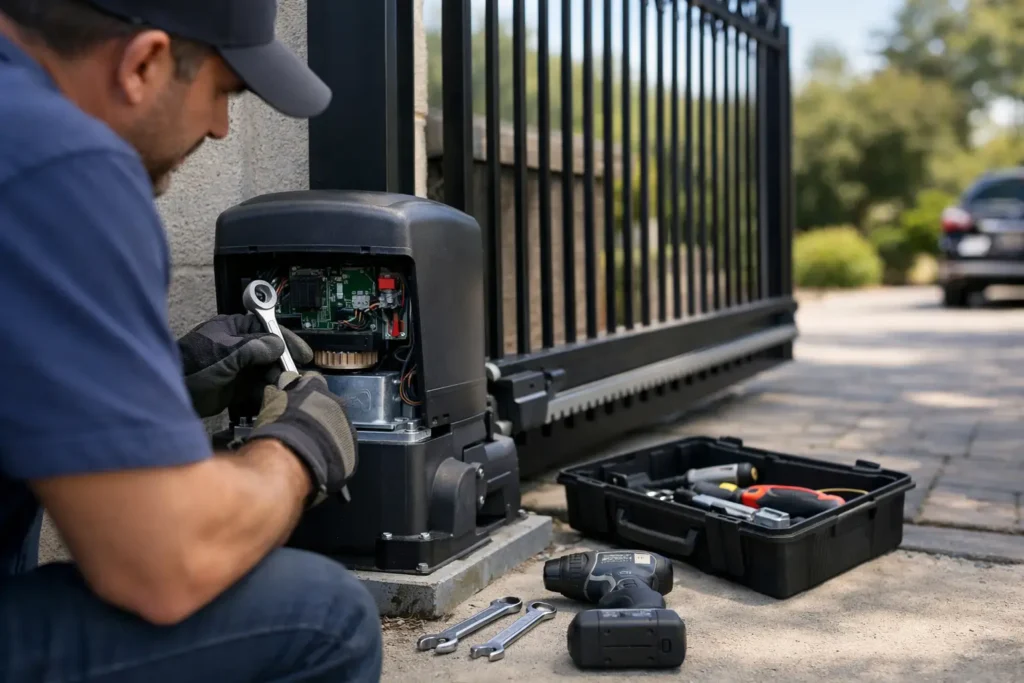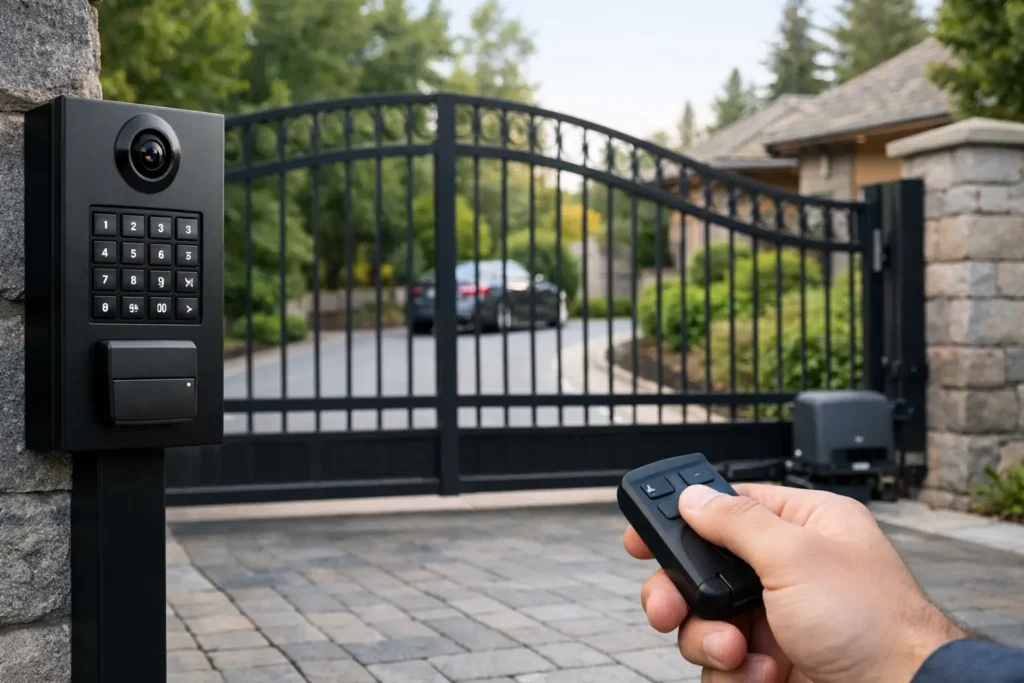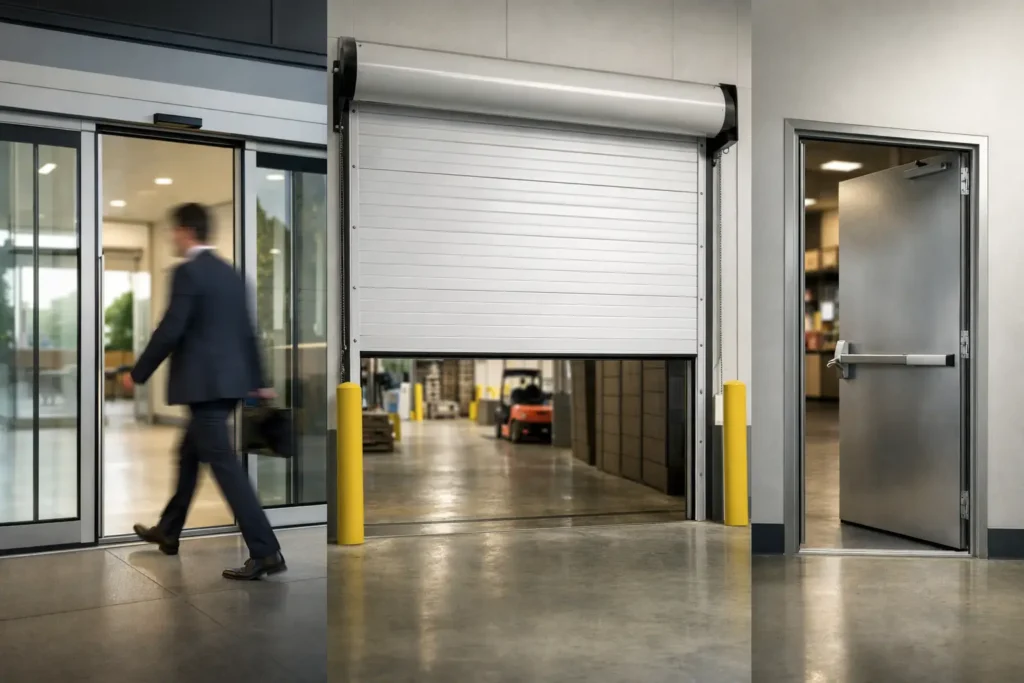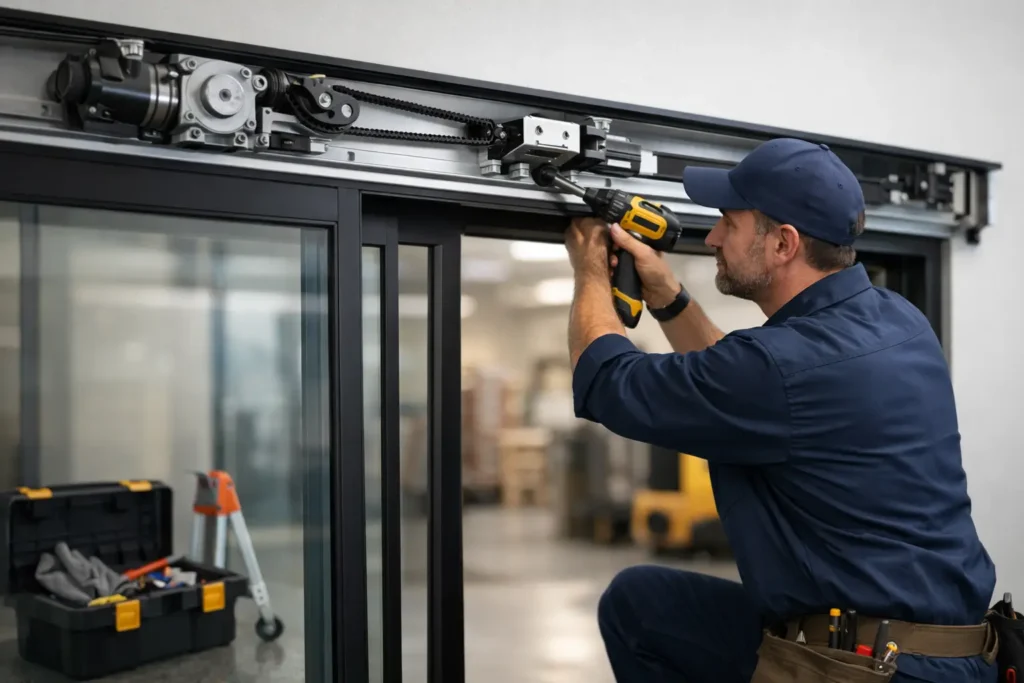
A garage door can look perfectly fine and still become a daily headache when the opener starts acting up. Maybe the door reverses for no clear reason, the remote only works from a few feet away, or the motor suddenly sounds like it is working far too hard. Garage openers do more than save a few seconds when you pull into the driveway. They support safe access to your home, protect what is stored inside, and keep a busy morning from getting derailed.
For homeowners and small business owners, the right answer is not always an immediate replacement. Some opener problems have straightforward fixes. Others are warning signs that continued repairs will cost more, create more stress, and leave you without dependable access when you need it most.
Start With the Problem, Not the Product
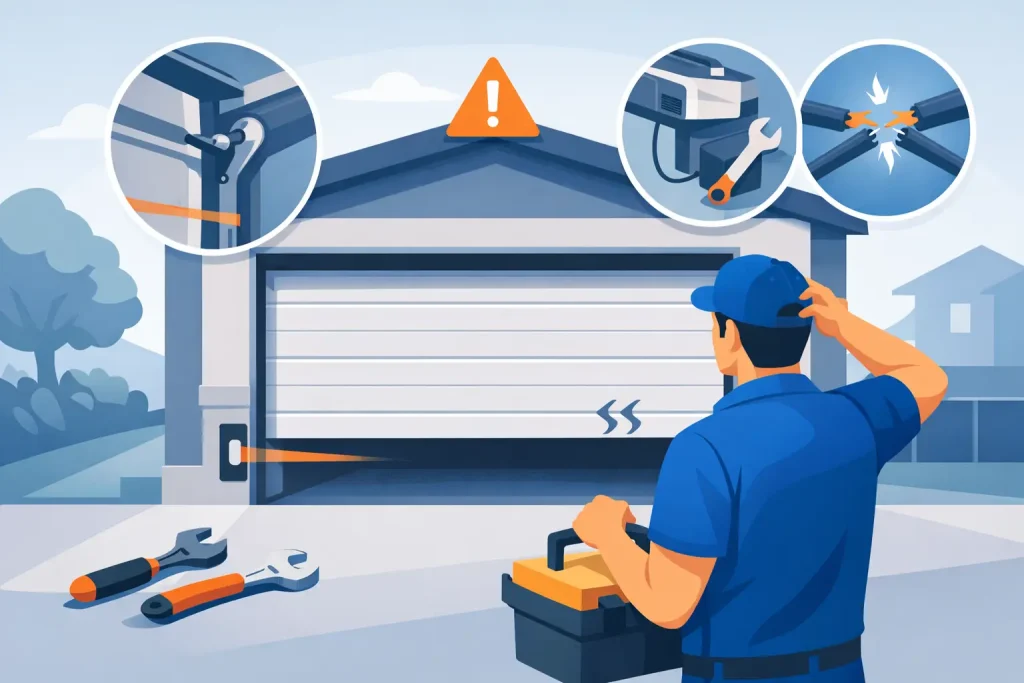
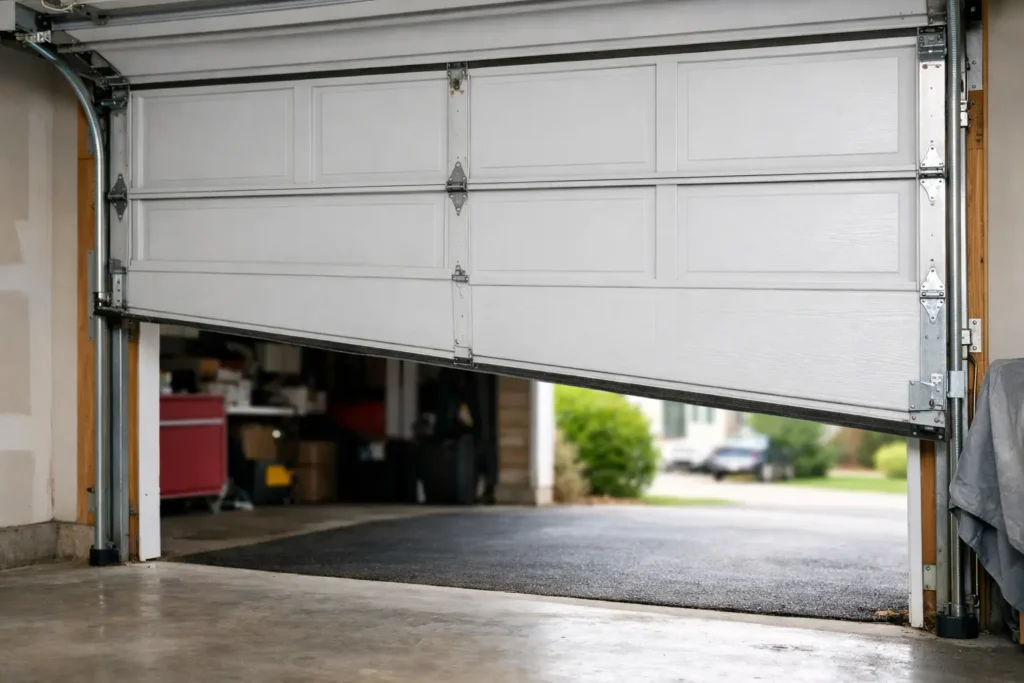
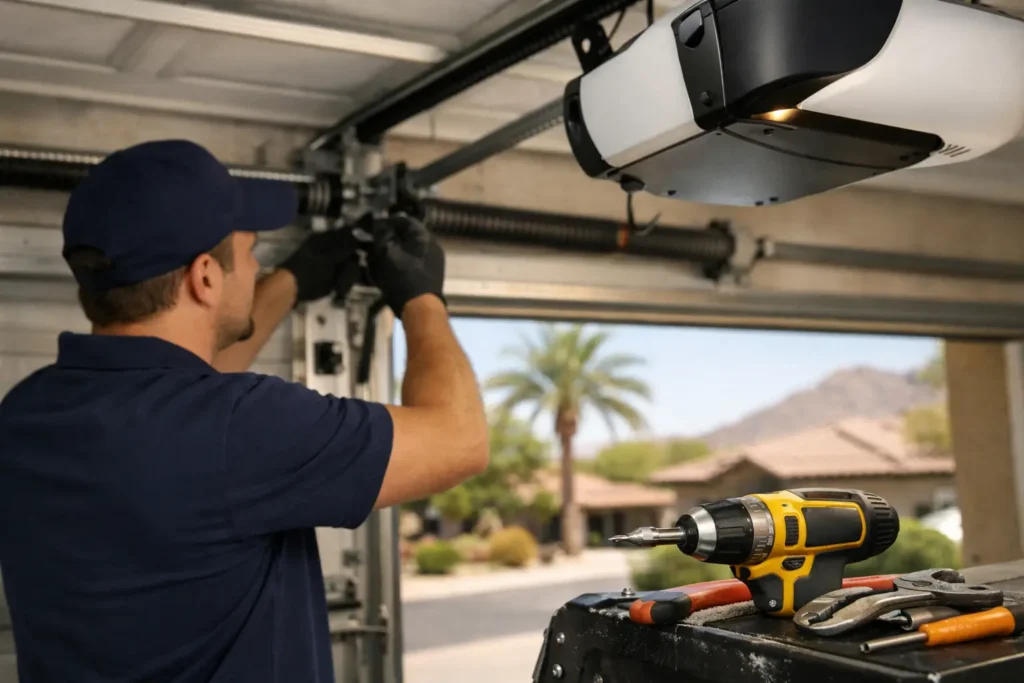
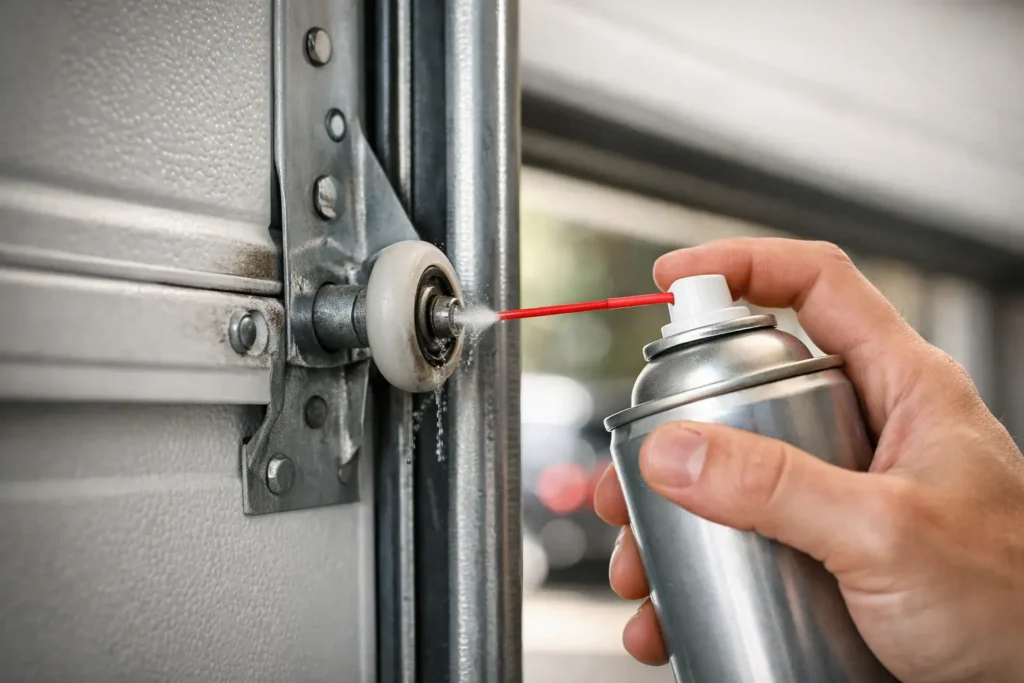
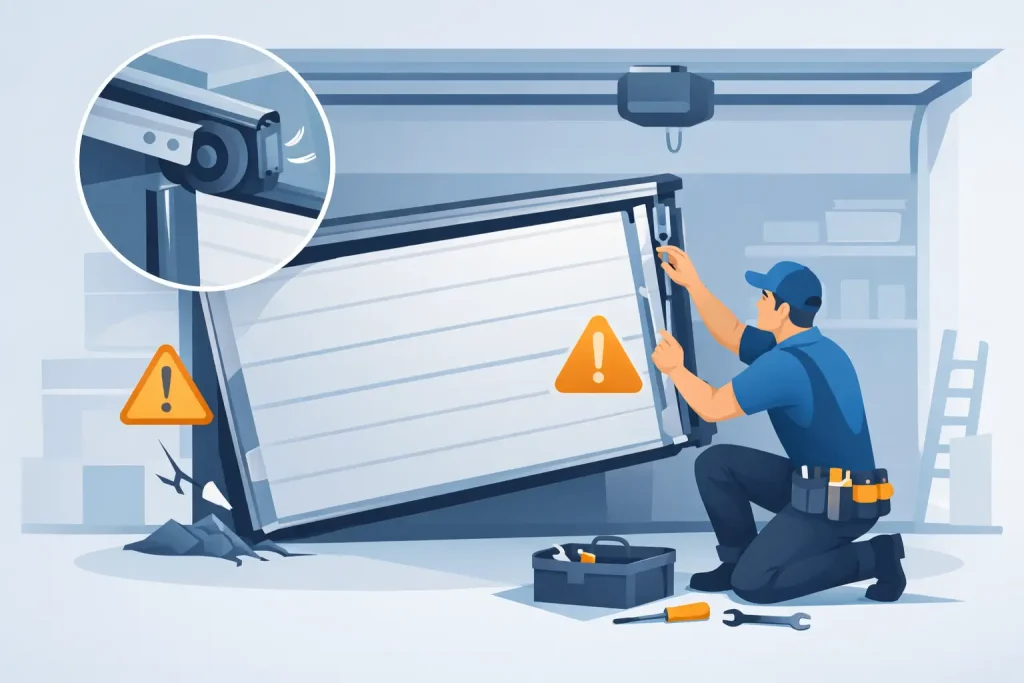
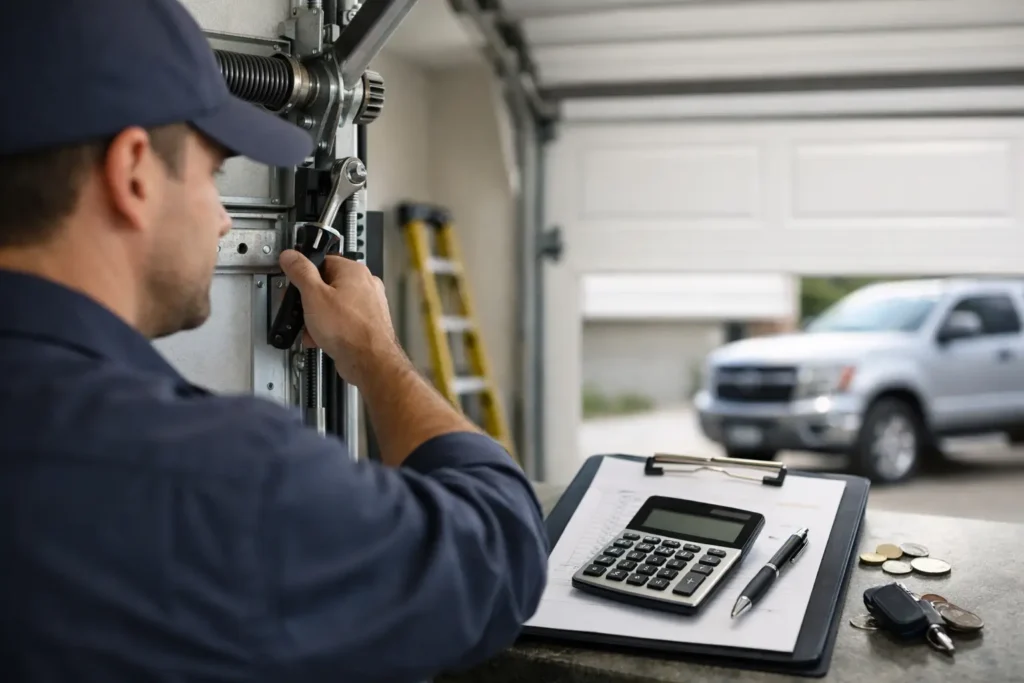
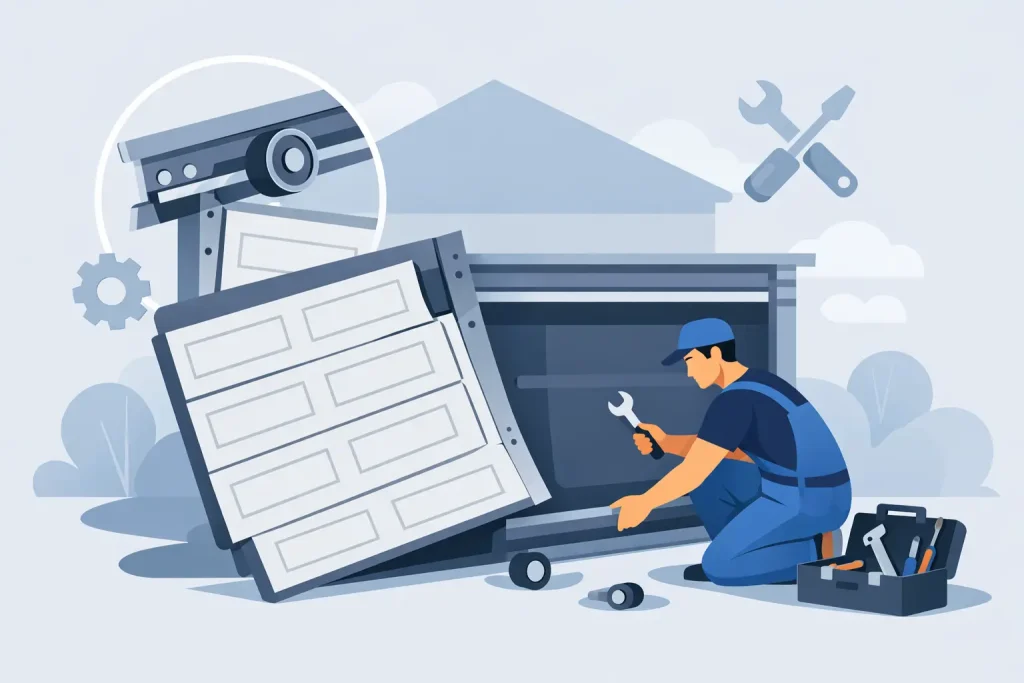
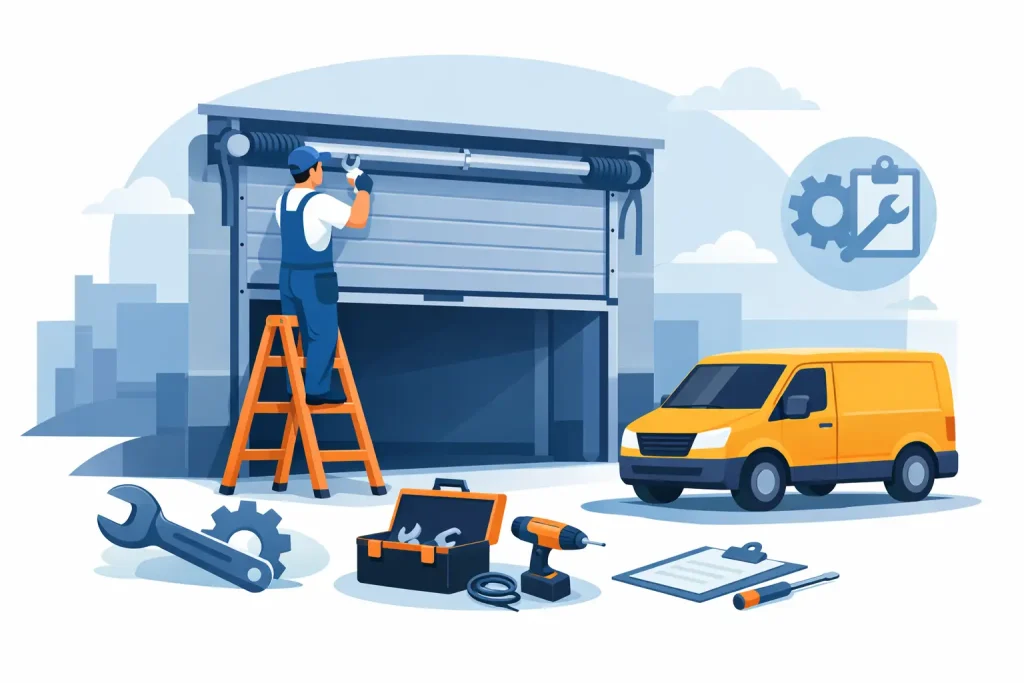
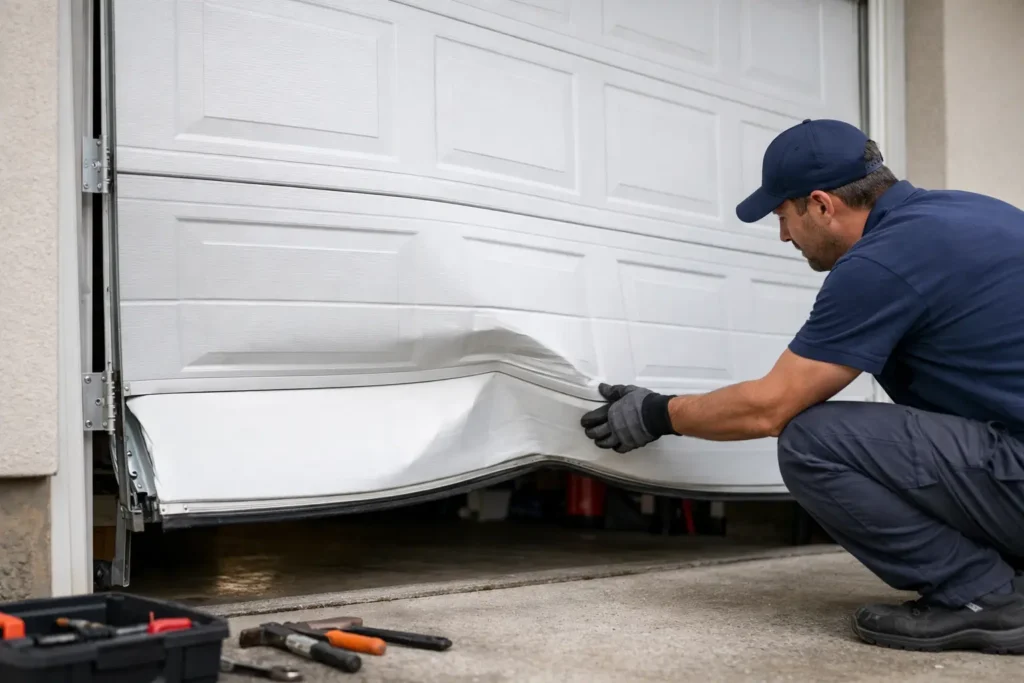
Before choosing a new opener, it helps to identify what is actually failing. A garage door system has several moving parts, including springs, cables, rollers, tracks, sensors, and the opener itself. A door that is heavy, unbalanced, or binding in the tracks can make a healthy opener appear weak.
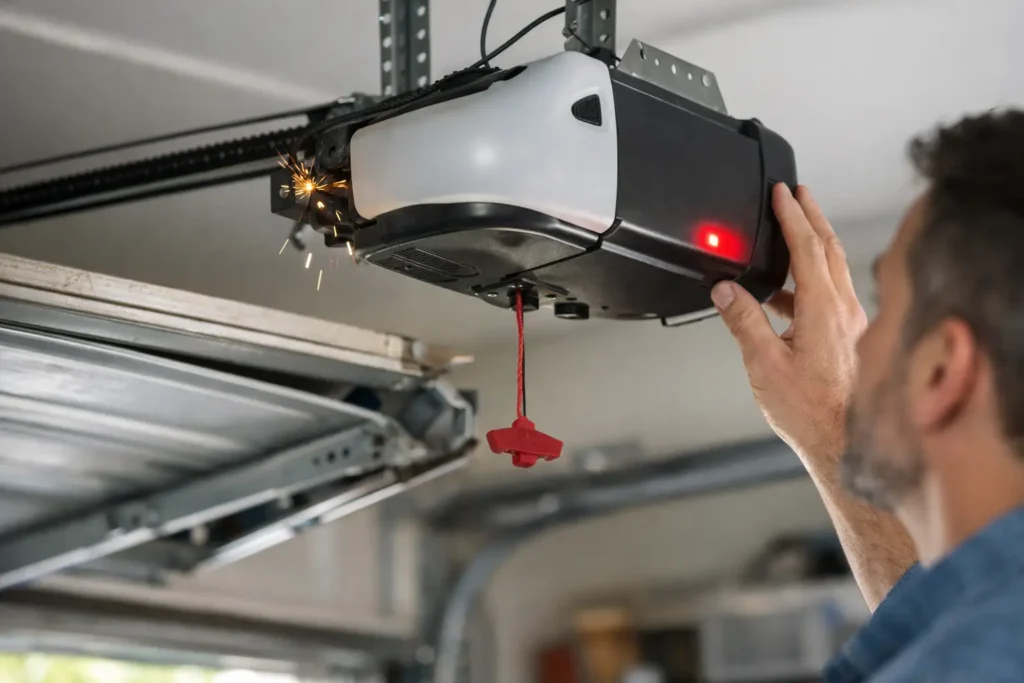
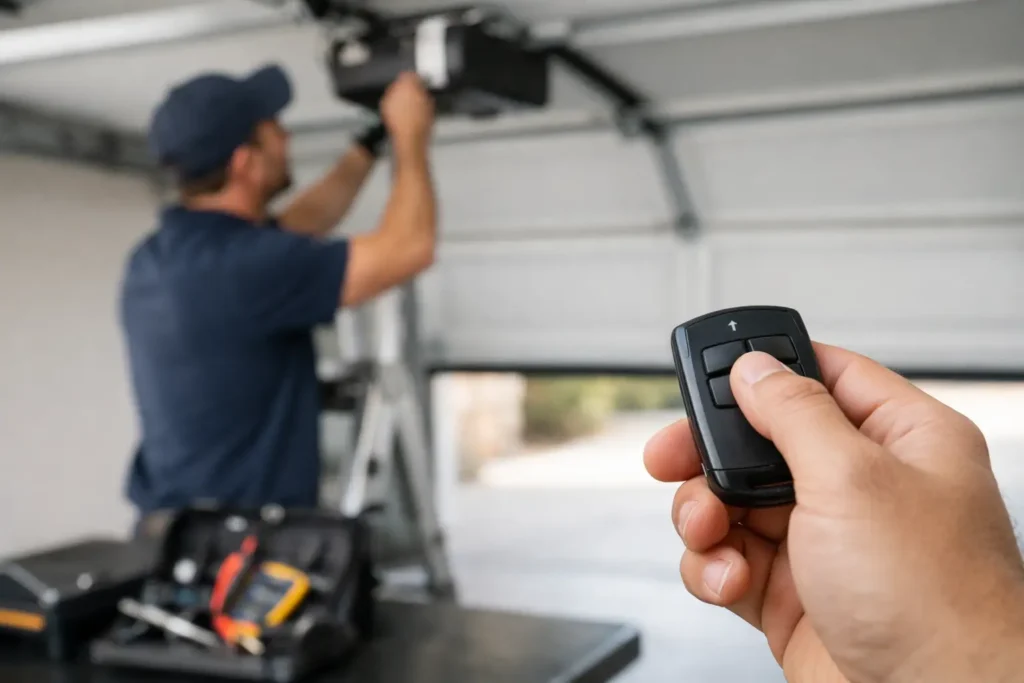
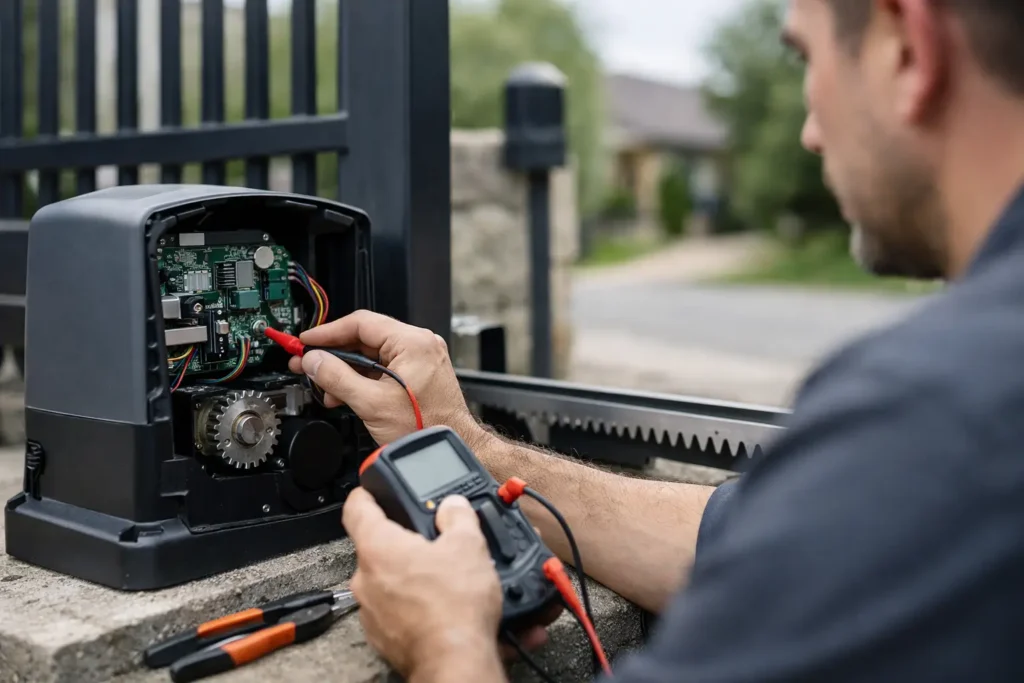
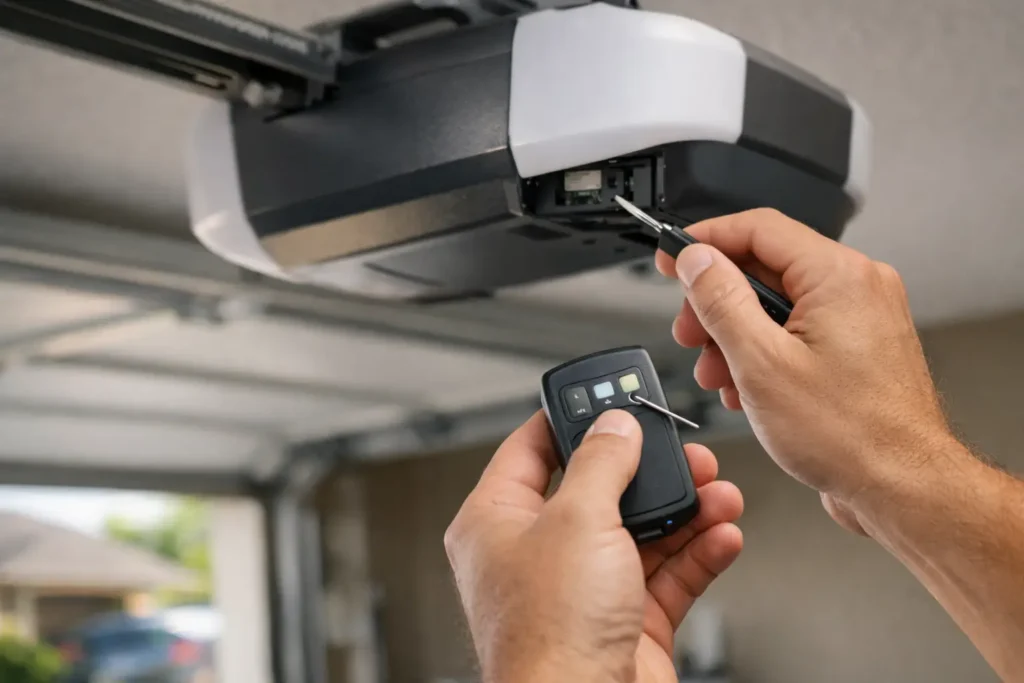
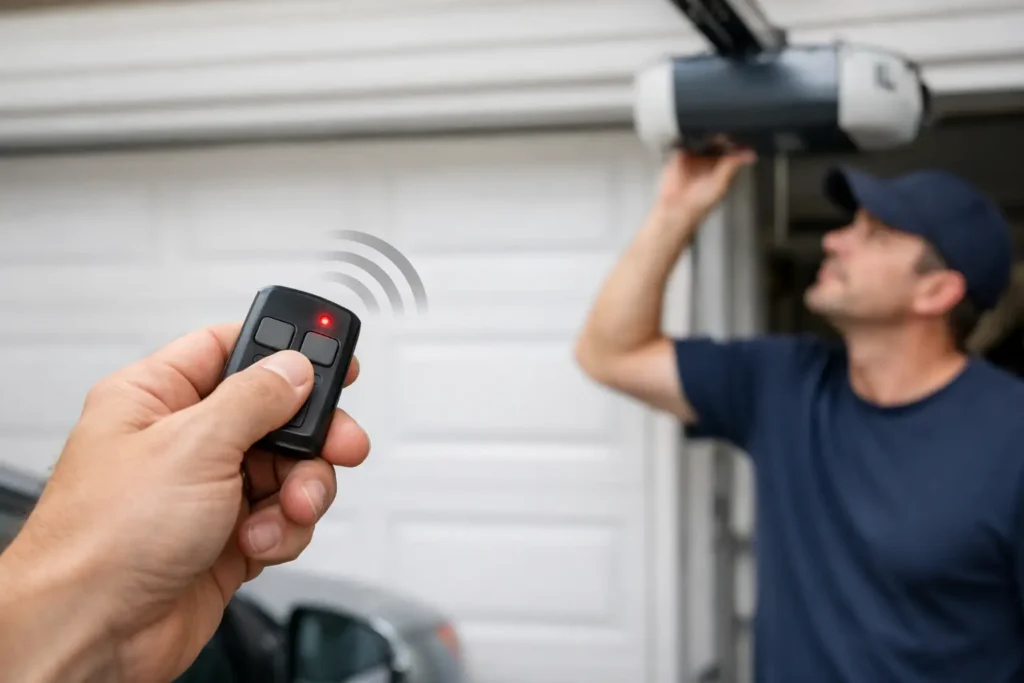
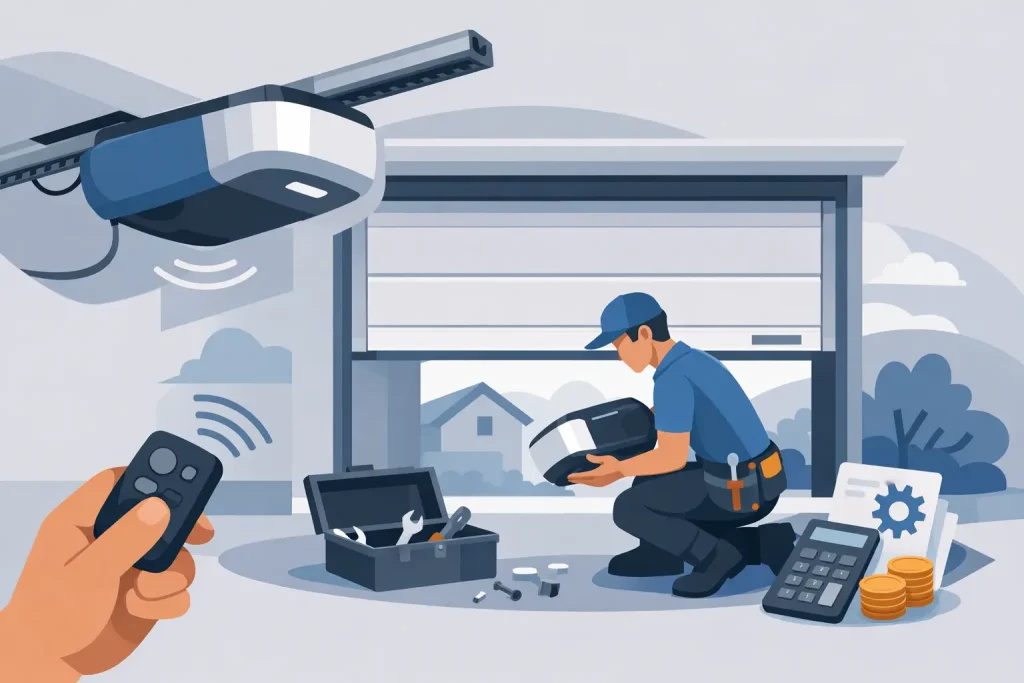
If the opener hums but the door does not move, the issue could be a stripped internal gear, a disengaged trolley, or a door problem that is putting too much strain on the motor. If the door starts down and immediately reverses, misaligned safety sensors, dirty sensor lenses, or an obstruction near the door may be the cause. A remote that works inconsistently can point to a weak battery, interference, antenna issues, or an aging receiver.
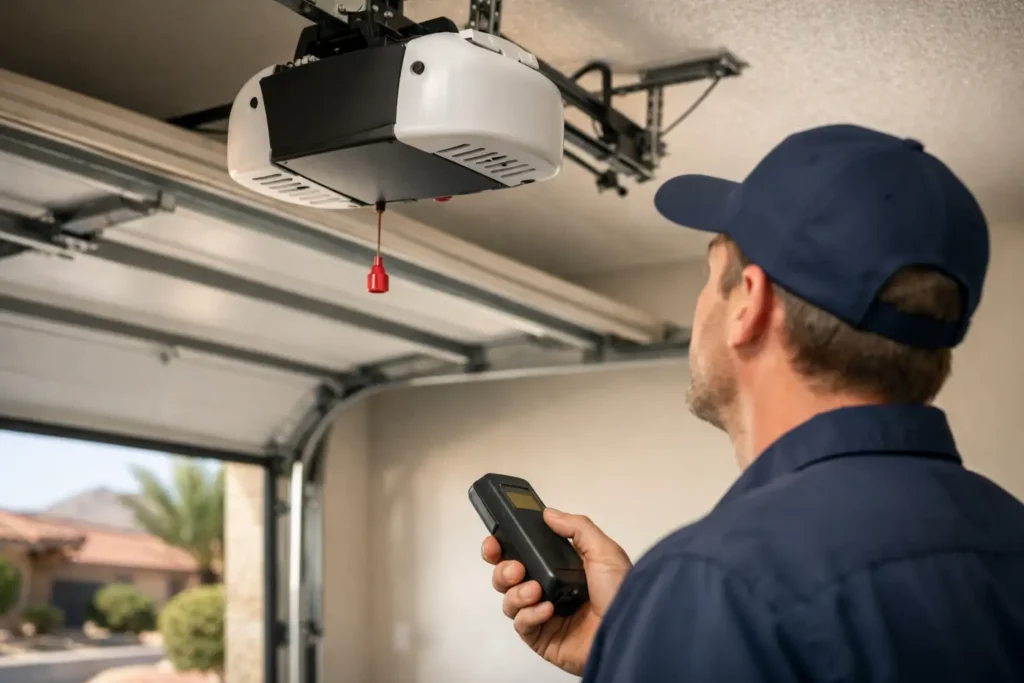
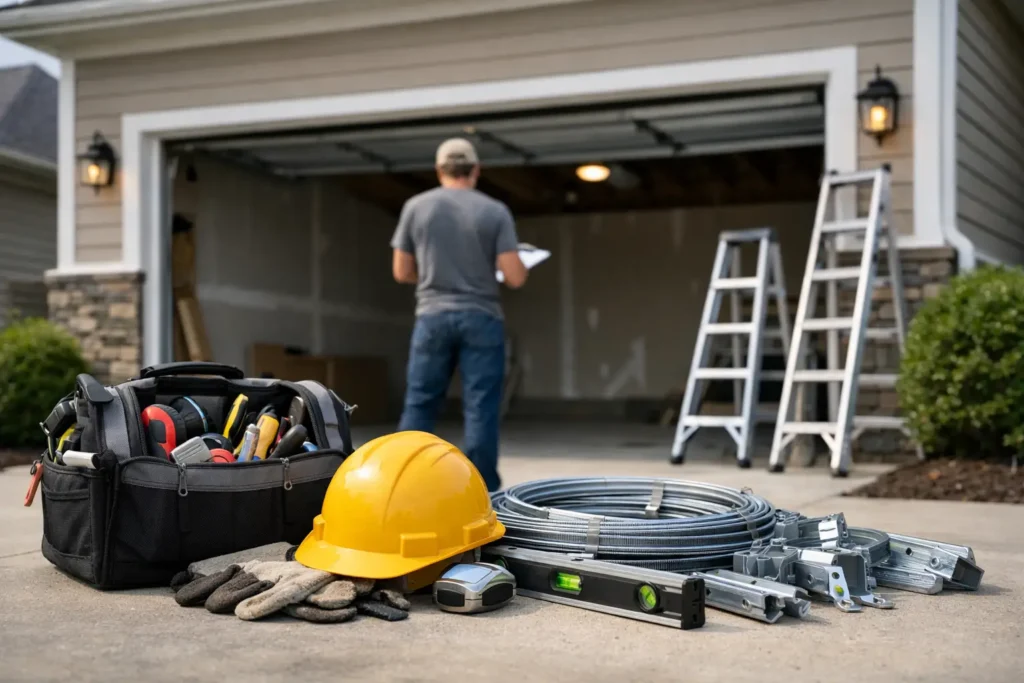
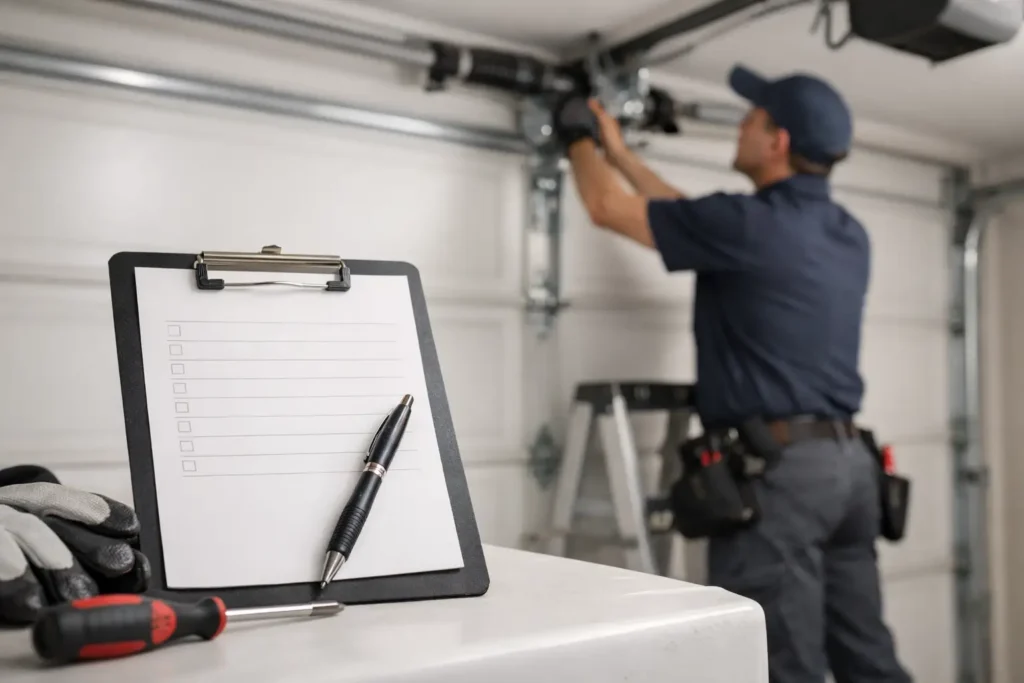
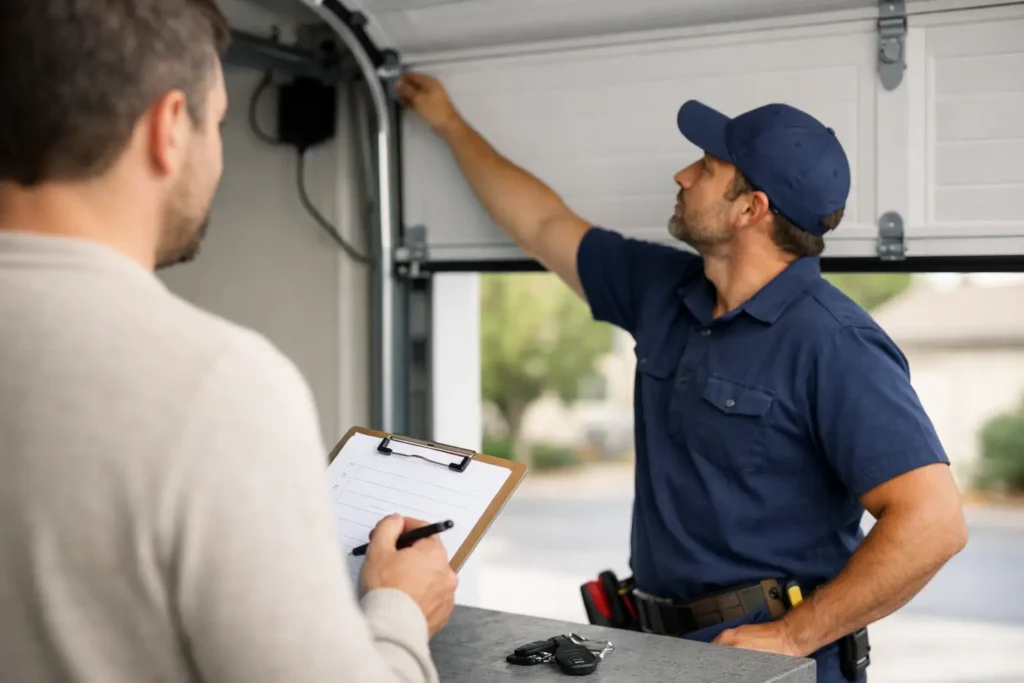
That distinction matters. Replacing an opener without correcting a worn-out door system can shorten the life of the new equipment. A professional inspection should include the entire system, not just the motor unit hanging from the ceiling.
When a Garage Opener Repair Still Makes Sense
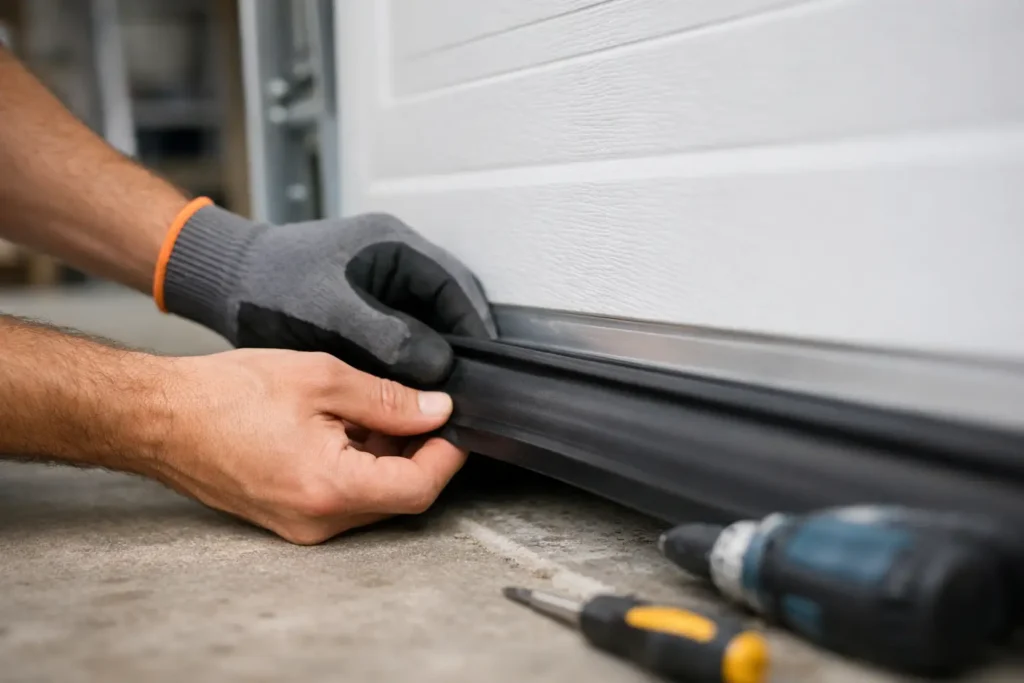
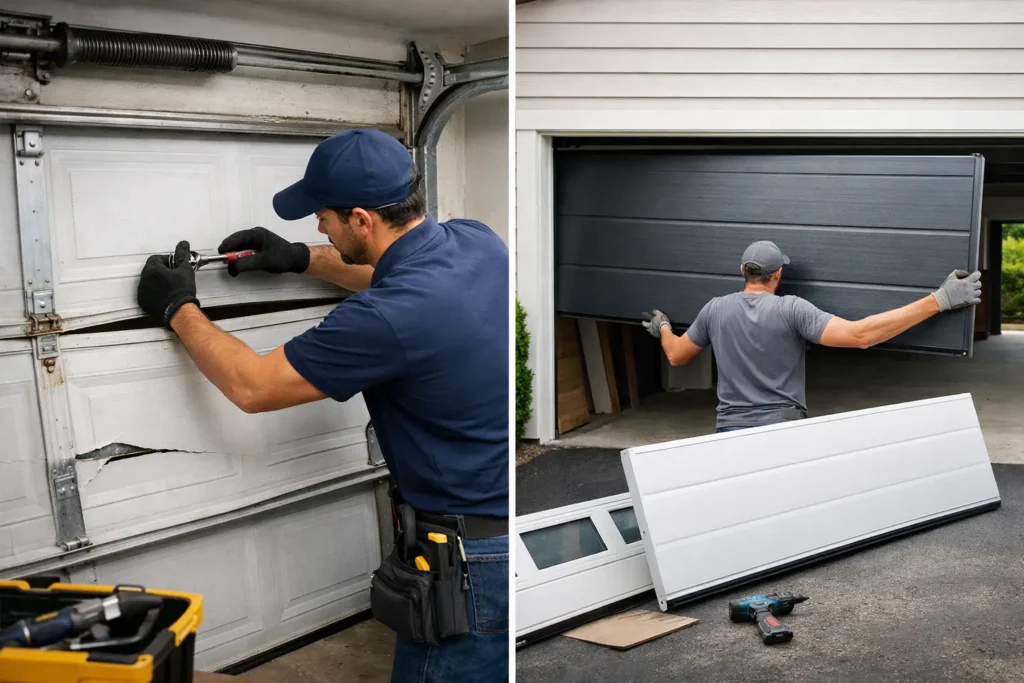
Repair is often the practical choice when the opener is relatively new and the issue is isolated. Replacing a worn gear, a damaged belt, a failed capacitor, a remote, or a sensor can restore reliable operation without the cost of a complete upgrade.
It is also reasonable to repair an opener when it has been dependable, fits the door properly, and includes the features your household needs. There is no reason to replace good equipment simply because newer models exist.
A repair is less appealing when breakdowns are becoming routine. One service call does not necessarily mean an opener is finished. Several problems in a short period, however, usually mean you are paying to extend the life of equipment that is nearing the end of its useful service. Older units may also lack modern safety and security features, and replacement parts can become difficult to find.
For commercial properties, the decision can be even more time-sensitive. A malfunctioning opener can interfere with deliveries, employee access, vehicle storage, and daily operations. In that situation, the cost of downtime deserves as much attention as the cost of the repair itself.
Signs It Is Time to Replace Your Opener
An opener does not have to fail completely before replacement becomes the smarter move. Pay attention to patterns that suggest the system is no longer dependable.
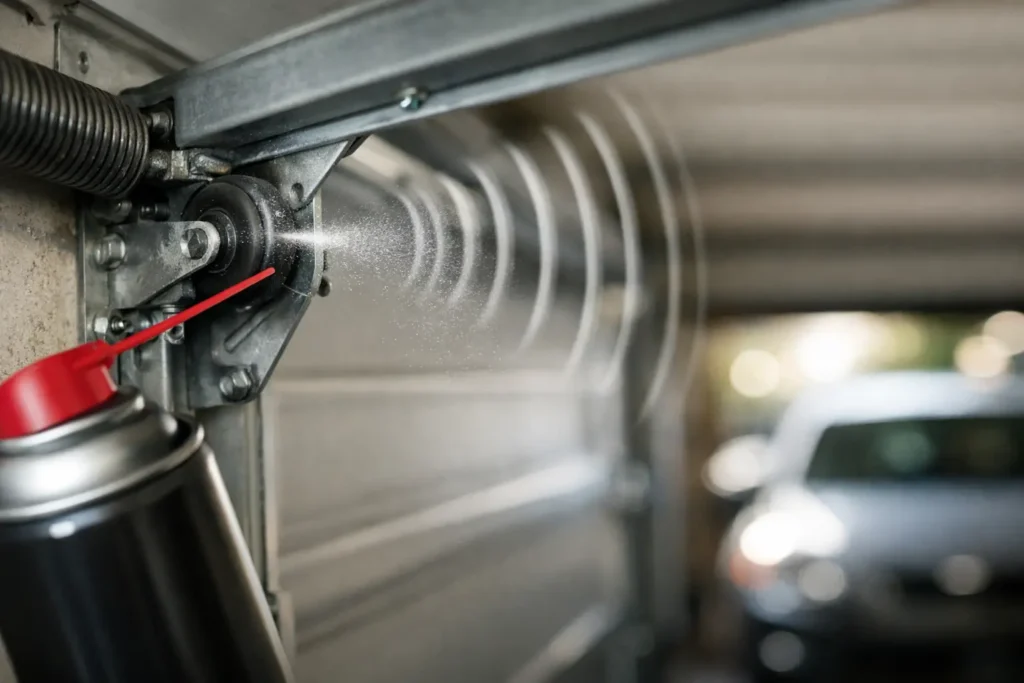
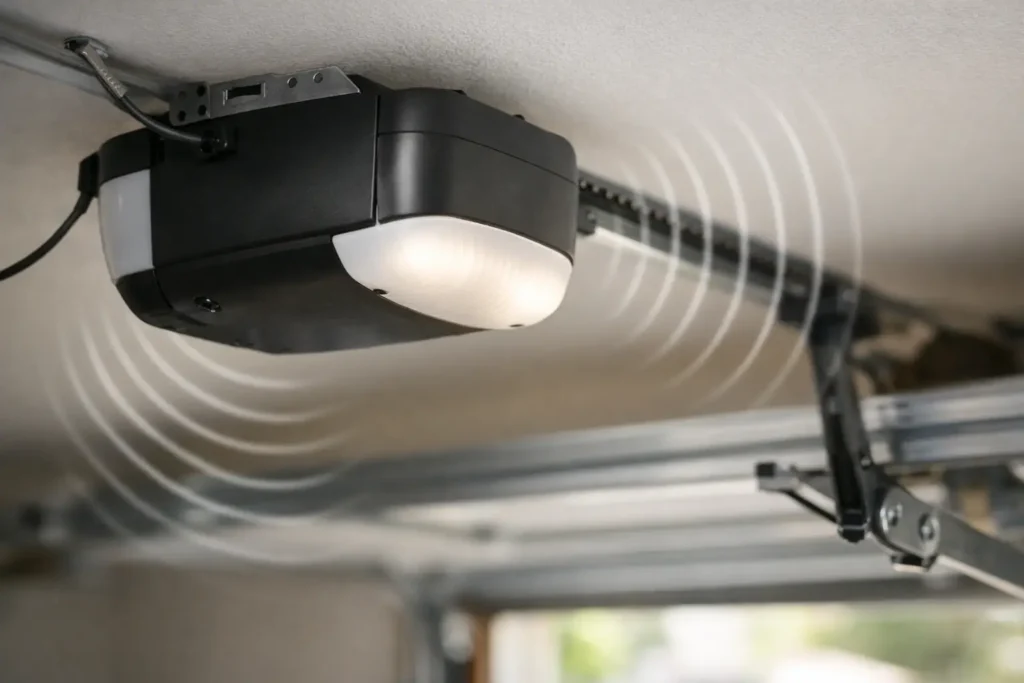
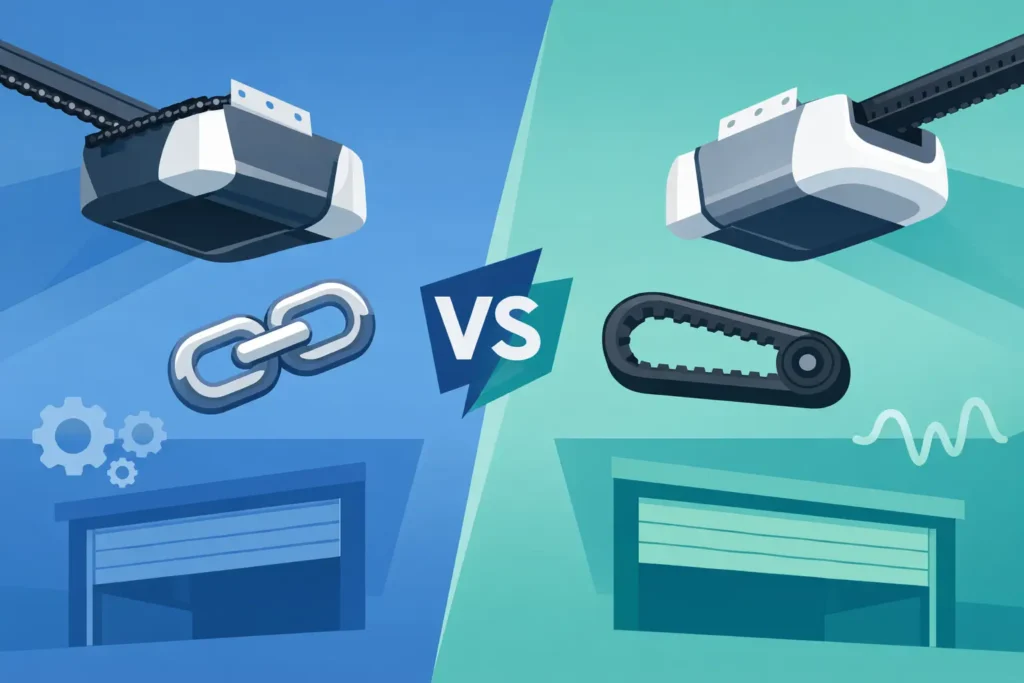
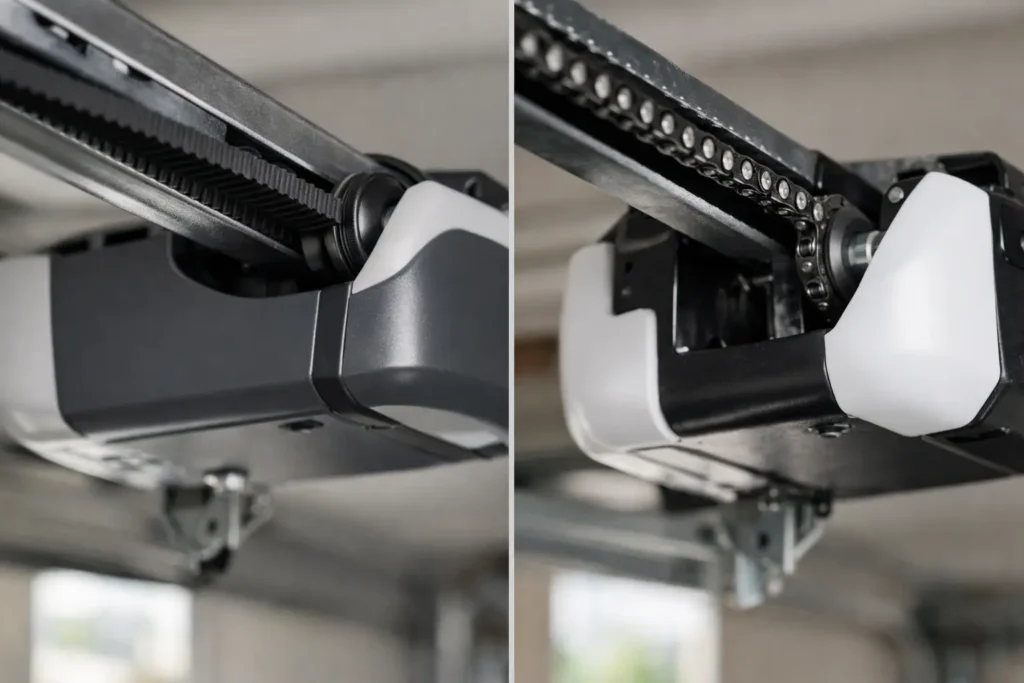
Excessive noise is one common sign. Chain-drive models naturally make more sound than belt-drive models, but grinding, popping, screeching, or a sudden change in motor noise should not be ignored. Noise may be repairable, but it can also signal worn internal components or a door that needs service.
Slow, inconsistent operation is another concern. If the door hesitates, stops mid-cycle, or only works after several attempts, do not assume it is a minor inconvenience. A garage door that will not close reliably is a security issue. A door that will not open can trap vehicles inside during a rushed morning or prevent a business from getting started on time.
Age plays a role too. Many openers provide years of good service, but equipment installed long ago may no longer offer the reliability, safety features, or parts availability that homeowners expect. If repair costs are adding up, putting that money toward a new unit is often the better long-term value.
Choosing Between Belt, Chain, and Wall-Mount Garage Openers
The best opener depends on the door, the garage layout, and how the space is used. There is no single model that is right for every property.
Belt-drive openers
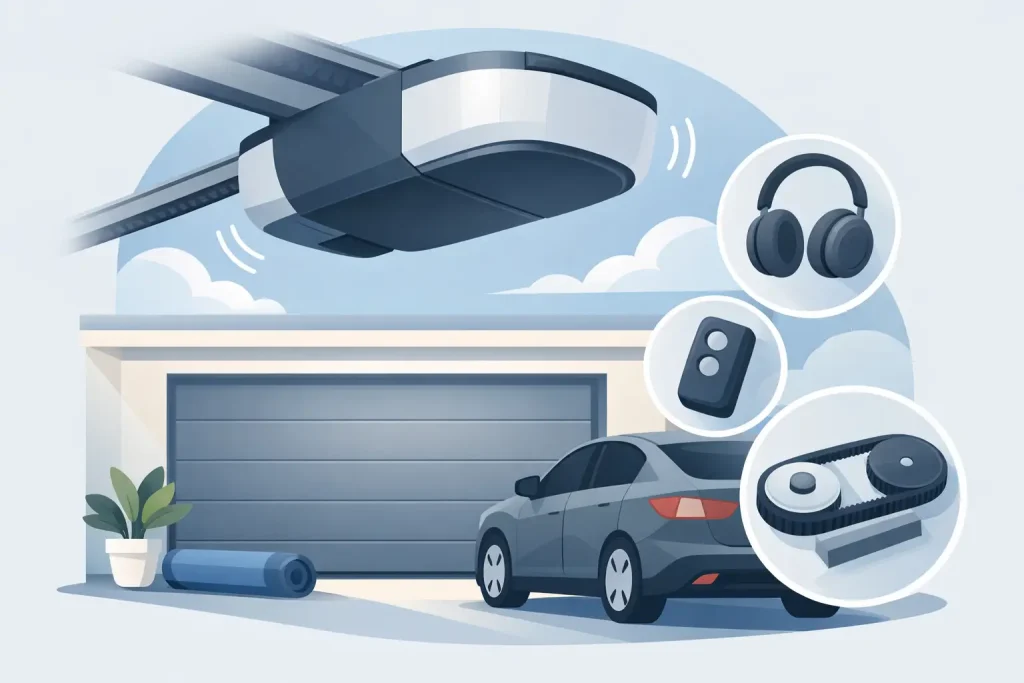
Belt-drive openers are a popular choice for attached garages, especially when a bedroom, office, or living area sits above or beside the garage. They operate smoothly and quietly because the door moves on a reinforced belt rather than a metal chain. They typically cost more upfront, but many homeowners consider the lower noise level worth it.
Chain-drive openers
Chain-drive openers use a metal chain and are known for durability and straightforward performance. They can be a solid value for detached garages or spaces where noise is not a major concern. The trade-off is sound. A chain system usually produces more vibration and operating noise than a belt-drive unit.
Wall-mount openers
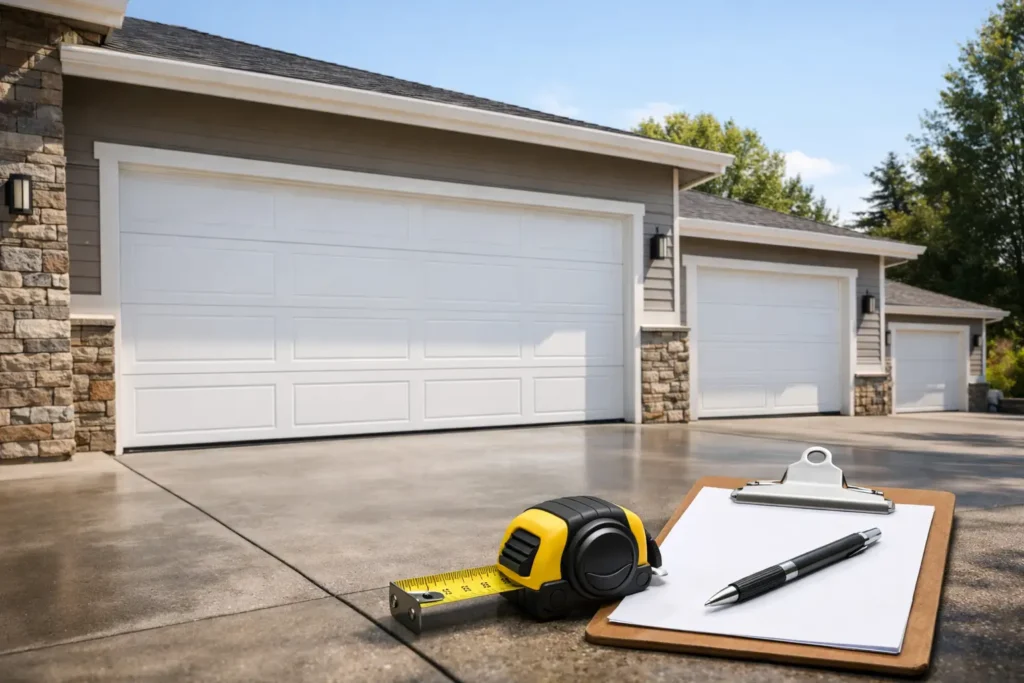
Wall-mount, or jackshaft, openers install beside the garage door instead of overhead. They can free up ceiling space for storage, lighting, or a vehicle lift and can be an excellent fit for garages with high or unusual ceilings. They are not right for every door configuration, so proper measurement and installation are essential.
Horsepower also deserves attention, although more is not automatically better. A properly balanced door should not require an oversized motor. The opener needs to be matched to the door’s size, weight, construction, and use. Oversizing cannot compensate for broken springs, worn rollers, or a door that is out of balance.
Features That Make Everyday Access Easier
Modern garage openers can offer meaningful upgrades beyond opening and closing the door. The best features are the ones that solve real problems for your household or business.
Battery backup is especially useful during power outages. In Arizona, severe weather and utility interruptions can happen with little warning. A battery backup lets you operate the door when standard power is unavailable, which can be a major convenience and a safety benefit.
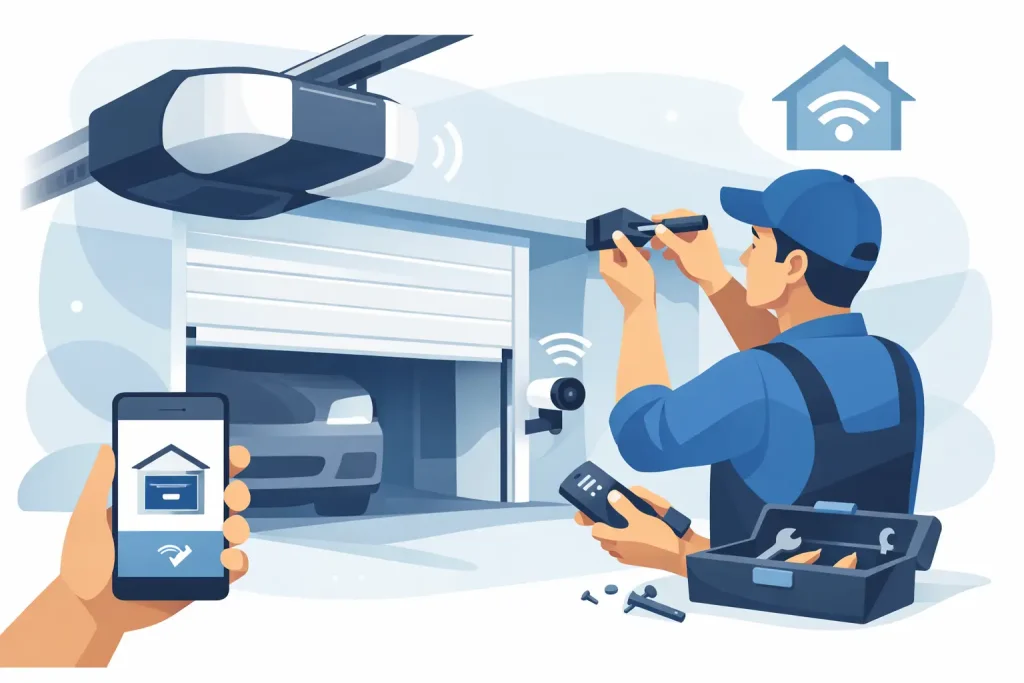
Wi-Fi connectivity lets you check door status and control access from a smartphone. This is helpful when you cannot remember whether you closed the garage, when a family member needs to get inside, or when you want to provide temporary access to a trusted service professional. The feature is convenient, but it should be set up with a secure password and used with care.
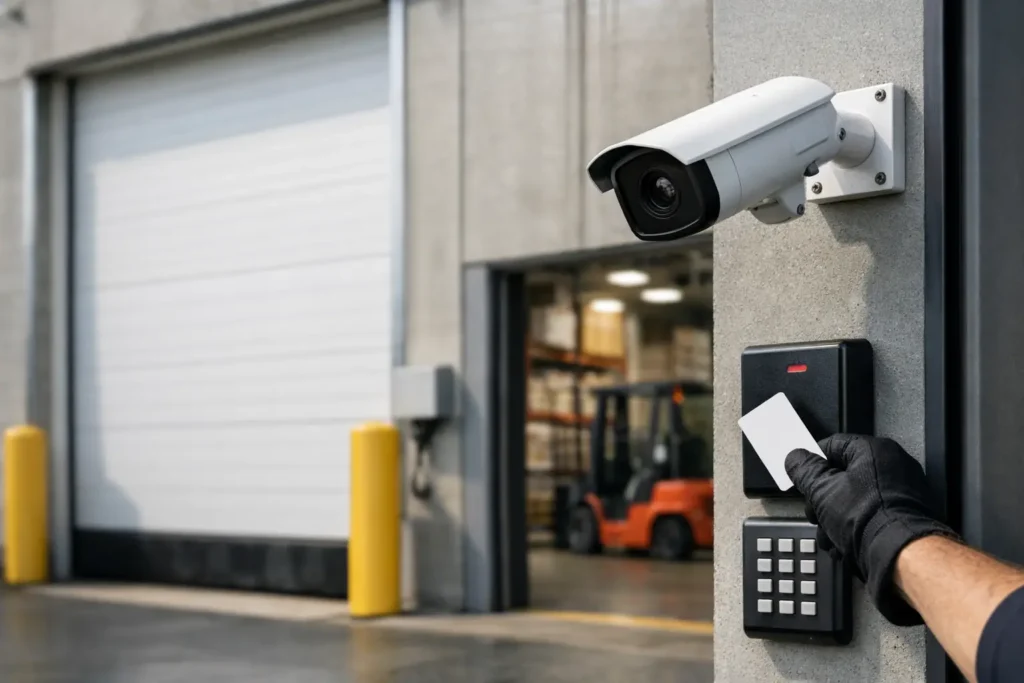
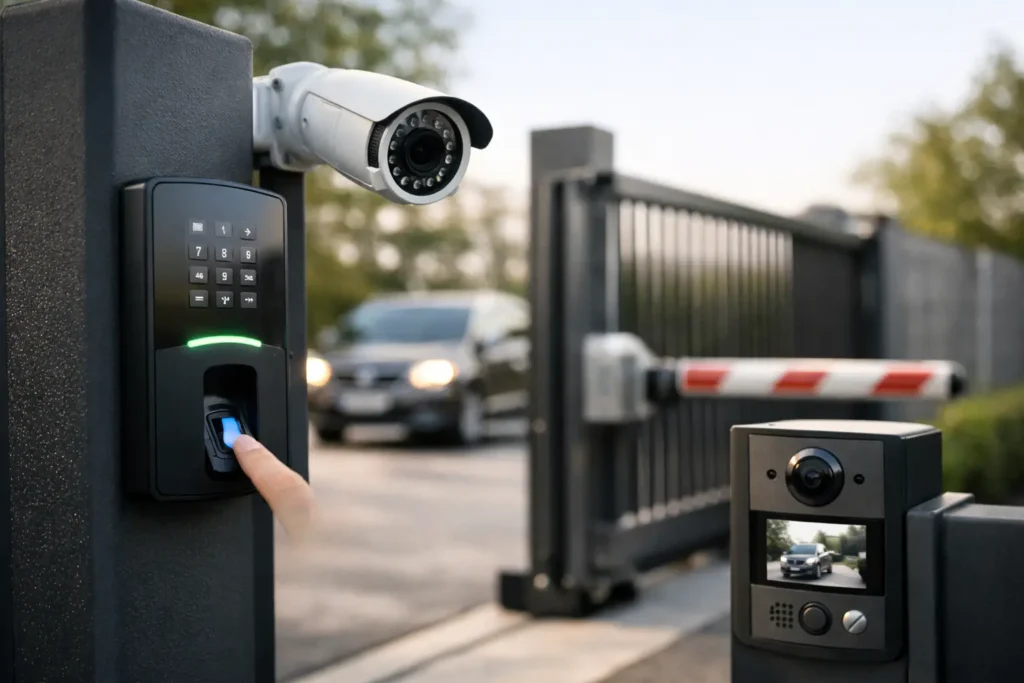
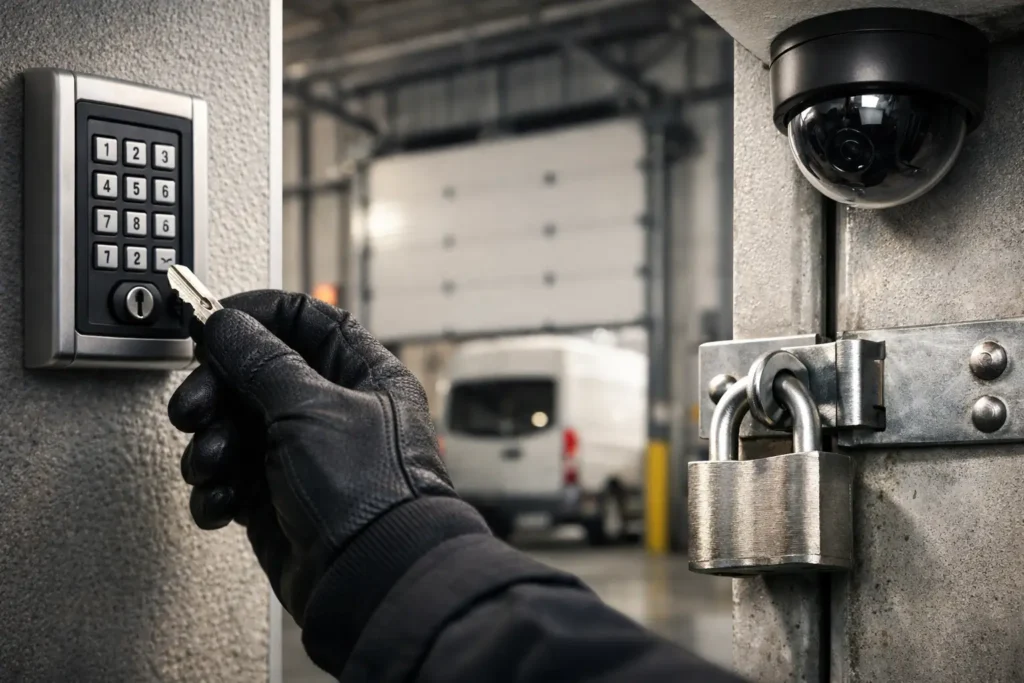
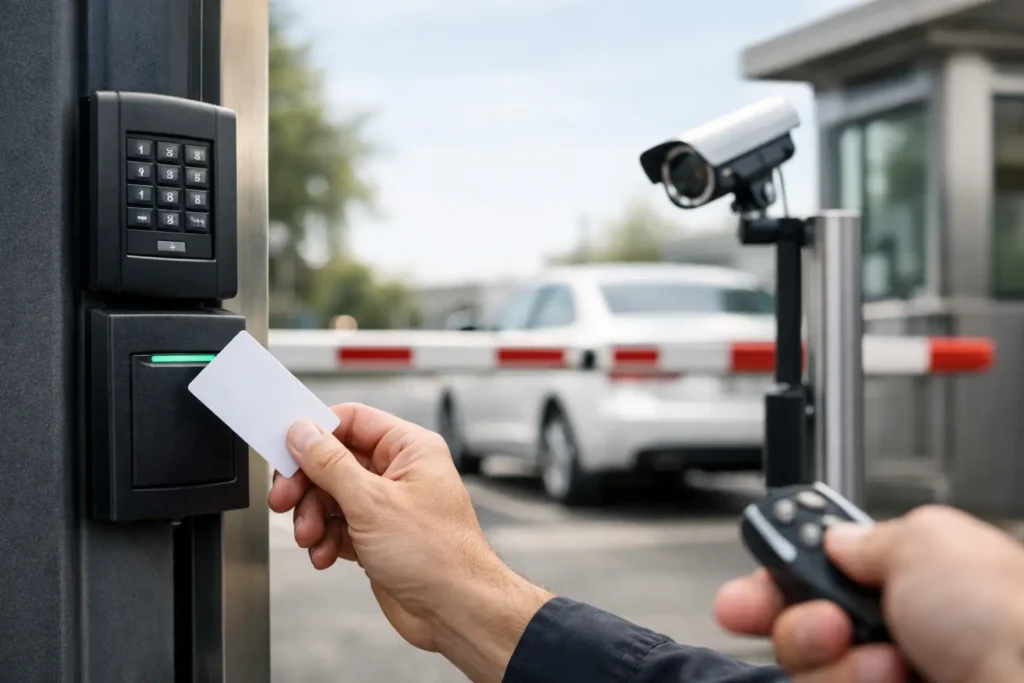
Rolling-code technology changes the access code each time the remote is used, helping reduce the risk of unauthorized entry. Motion-activated lighting can also make the garage safer and more useful after dark. For businesses, access controls and compatible commercial operators may be more important than app features, particularly when multiple employees need authorized entry.
Do Not Overlook Safety Sensors and Door Balance
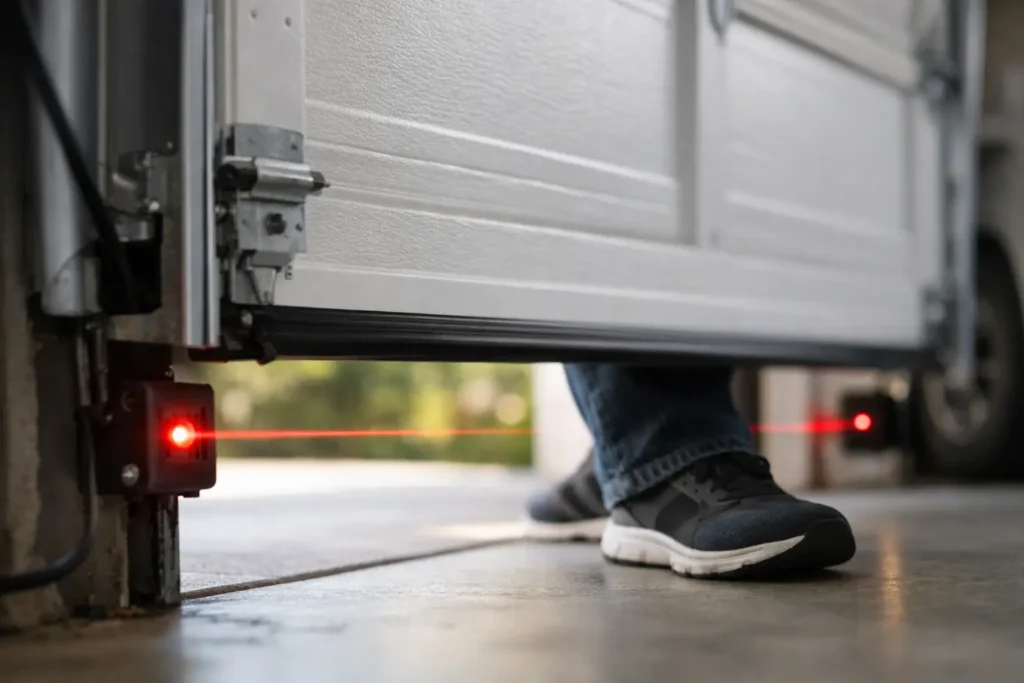
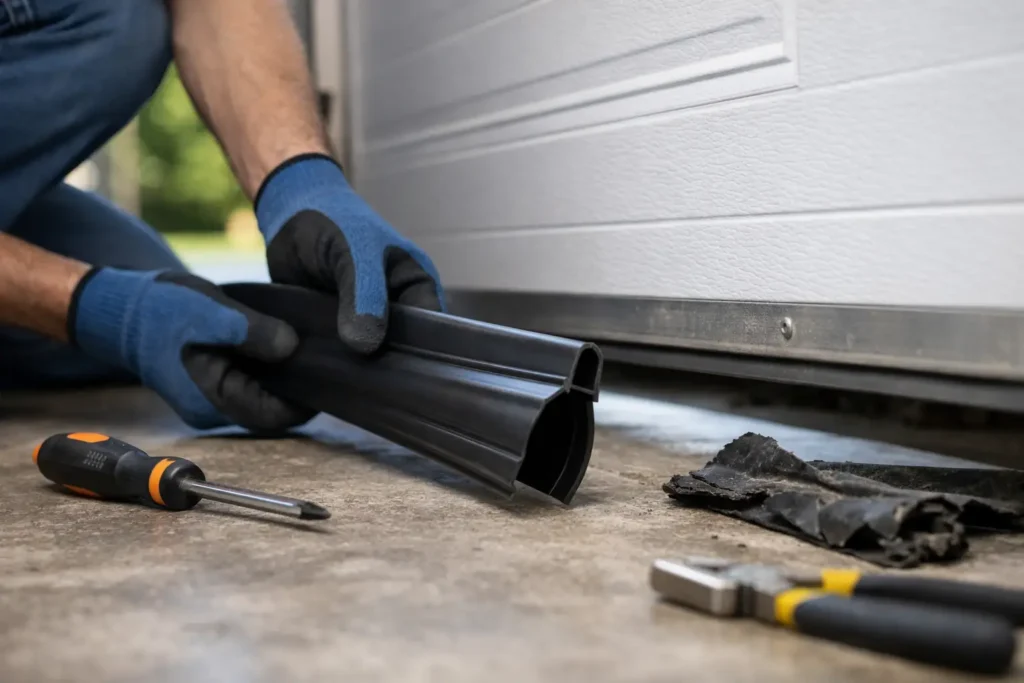
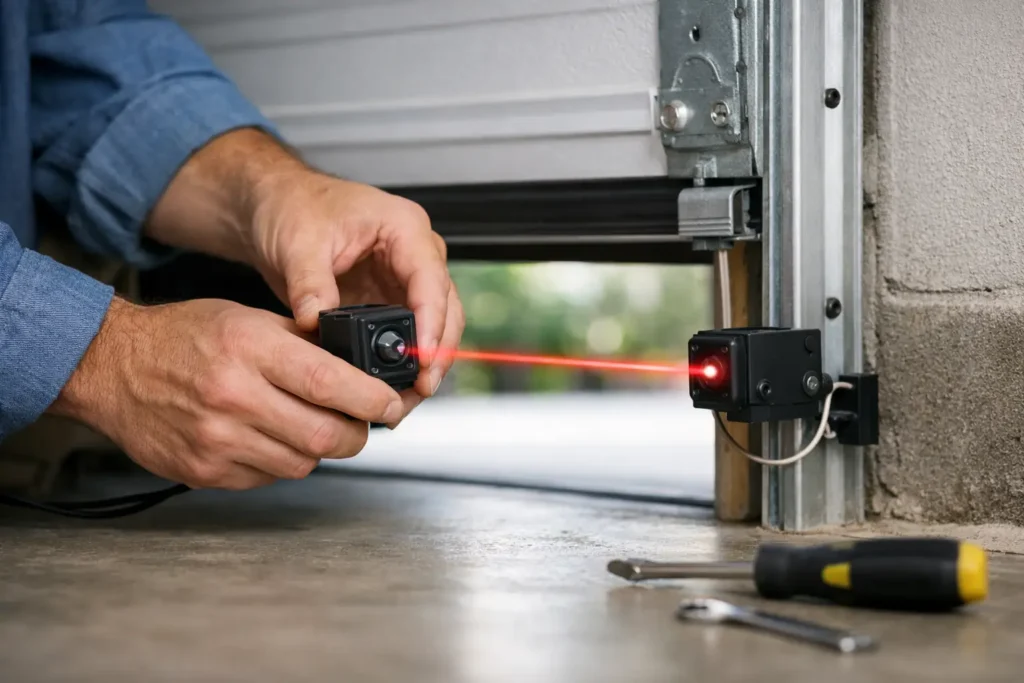
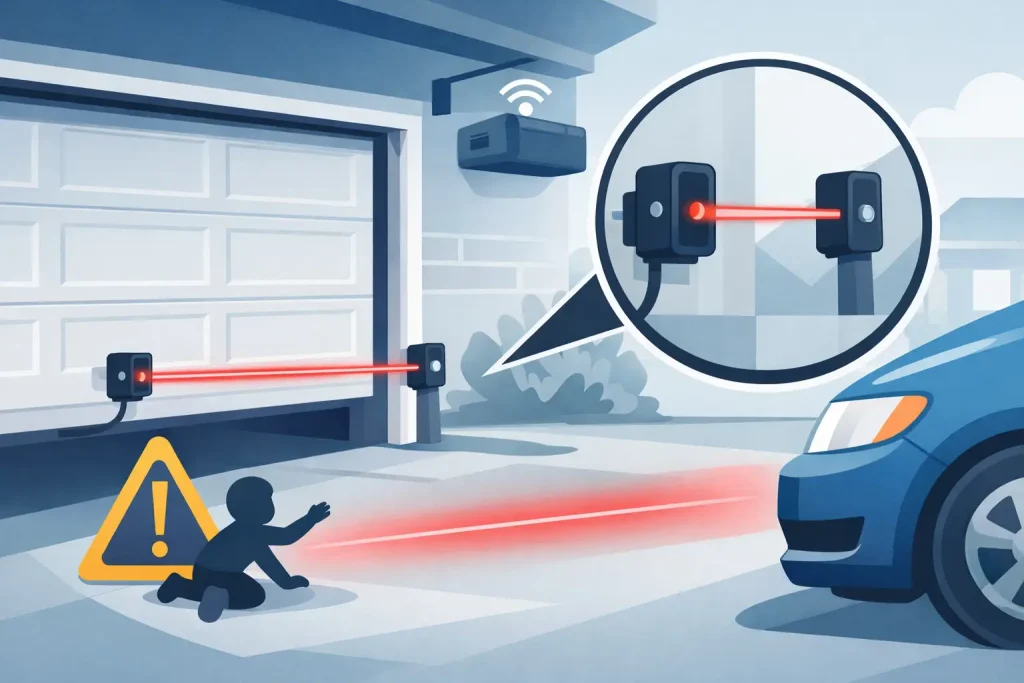
Every automatic garage door system relies on photo-eye safety sensors near the bottom of the tracks. These sensors help prevent the door from closing on a person, pet, vehicle, or object in its path. If the sensor lights are off, blinking, dirty, or out of alignment, the door may refuse to close or reverse unexpectedly.
Never bypass or disable the sensors to get the door moving. That creates a serious safety risk and can hide a problem that needs proper correction. Keep the sensor area clear, gently clean the lenses, and make sure both units are aligned. If the issue continues, have the system checked.
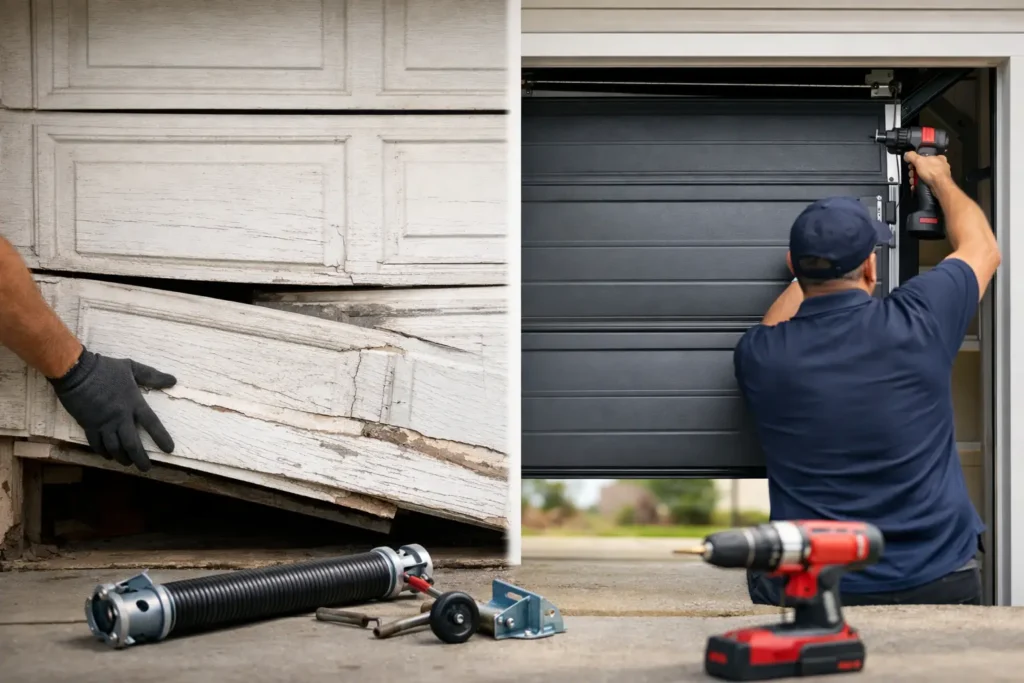
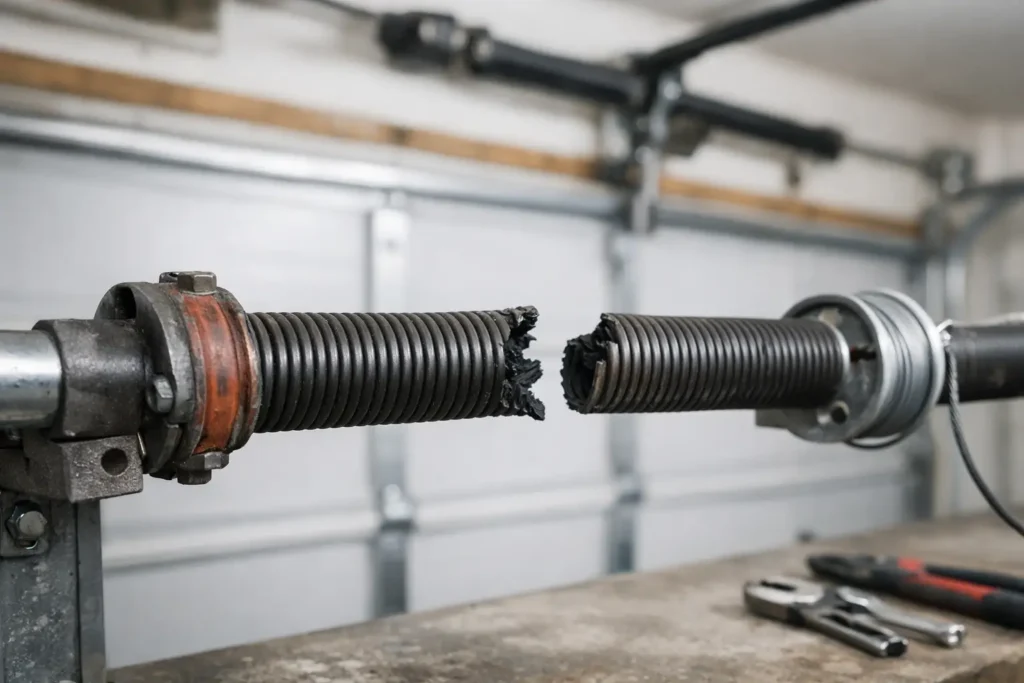
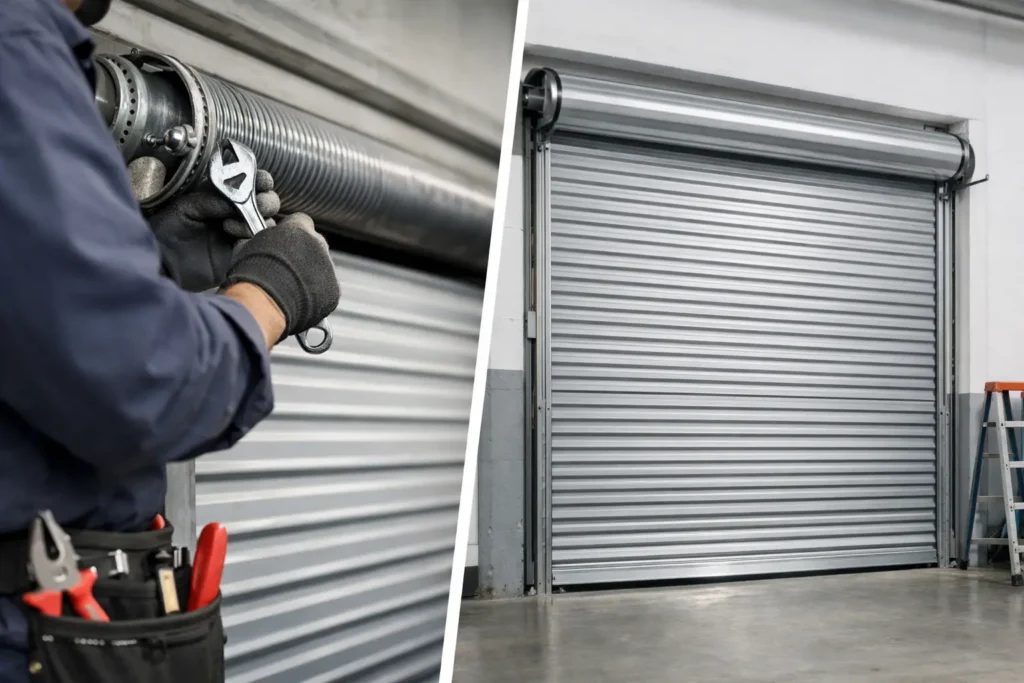
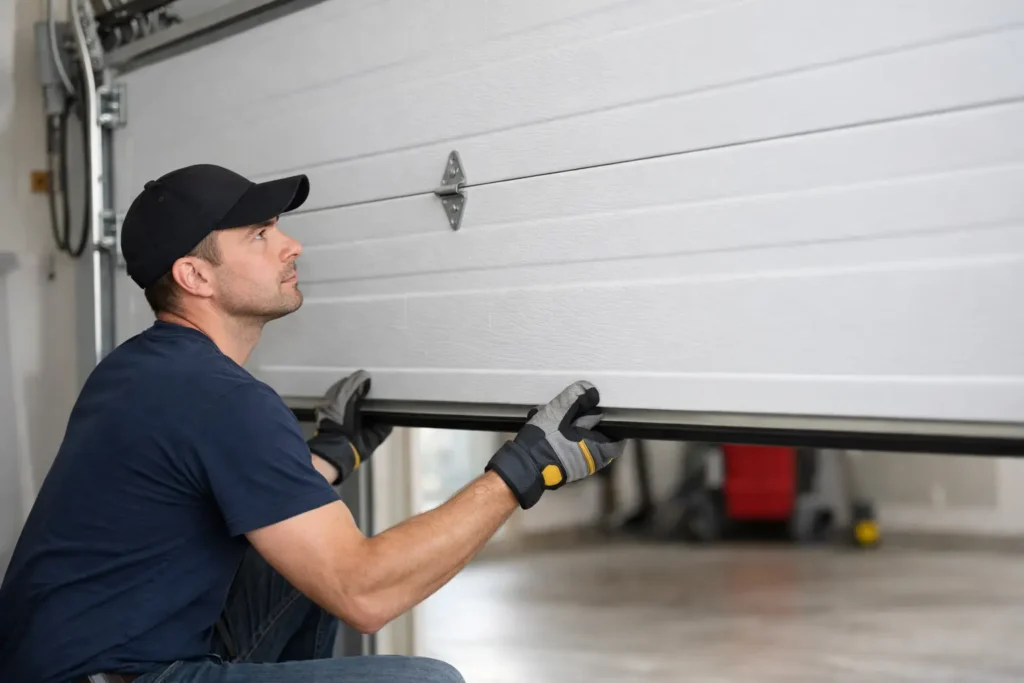
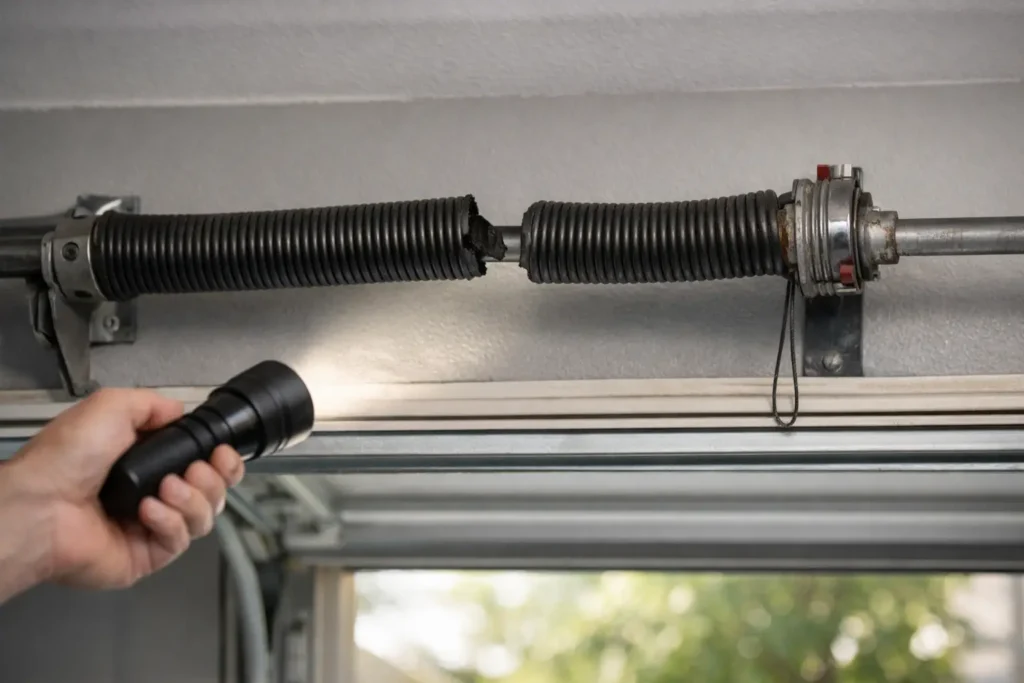
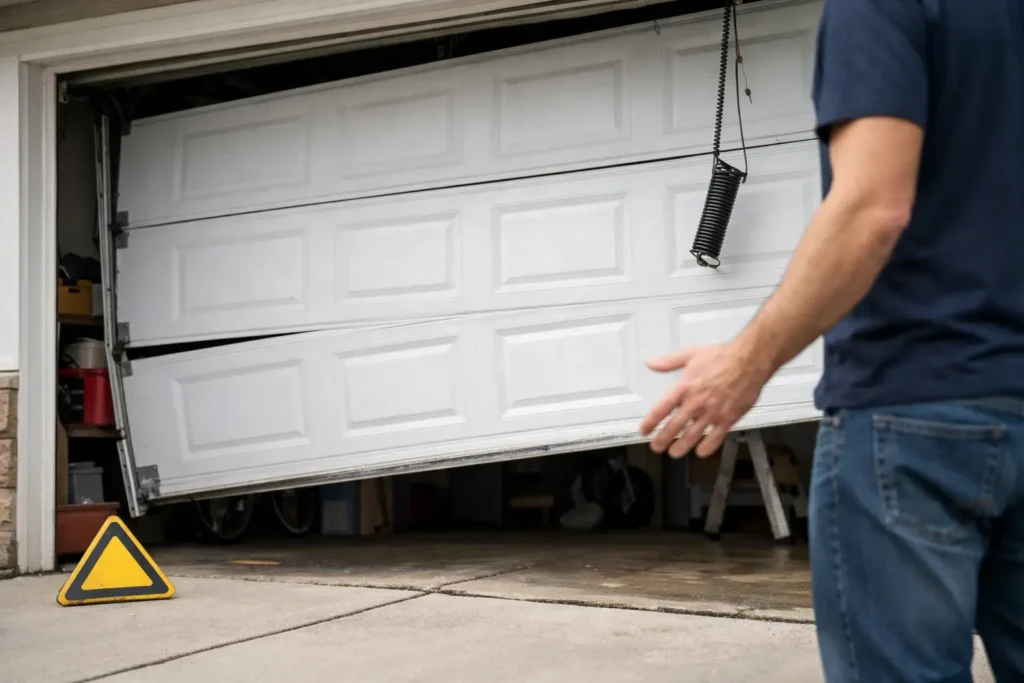
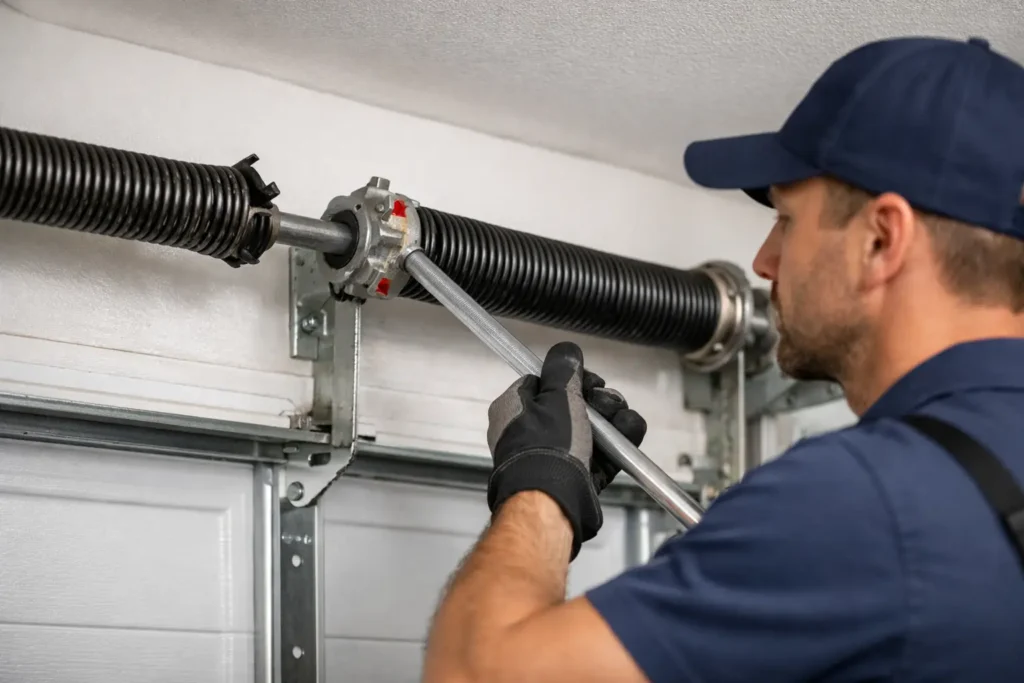
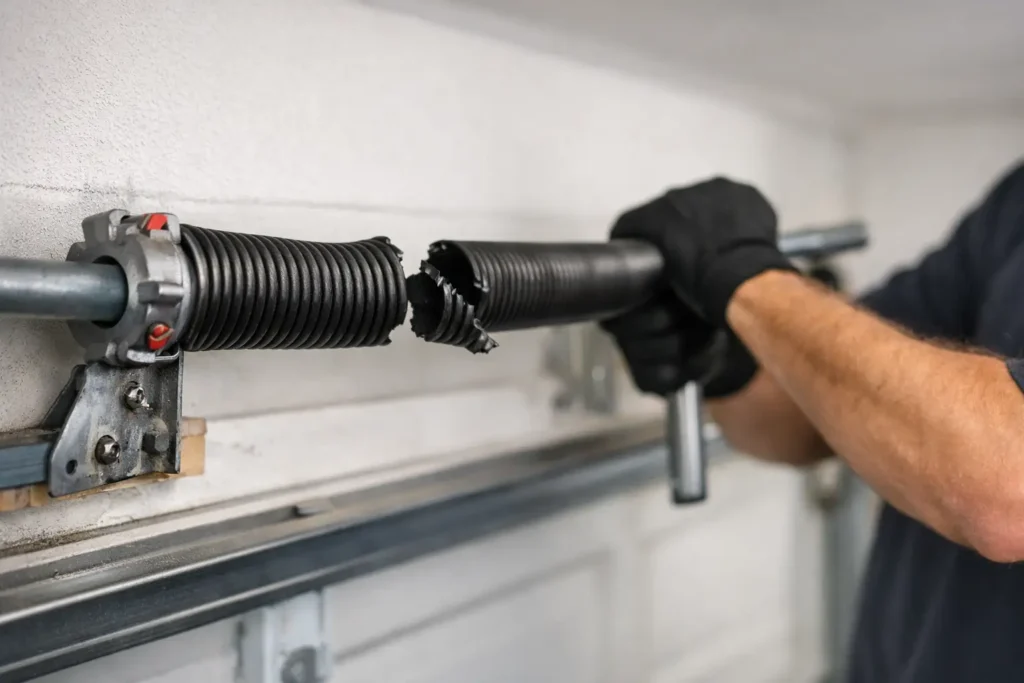
Door balance is just as important. With the opener disconnected, a properly operating door should be manageable by hand and should not slam to the ground or race upward. Because springs are under extreme tension, spring adjustments and replacements are not a DIY task. The safer choice is to have a trained technician inspect the door and correct the underlying issue.
A Better Way to Plan an Opener Replacement
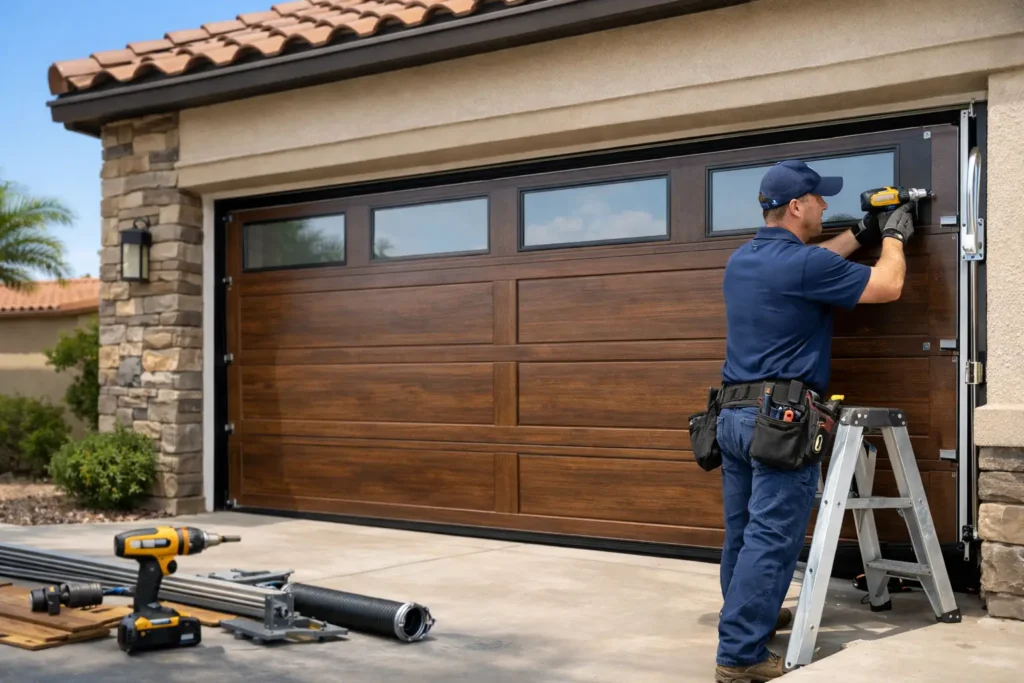
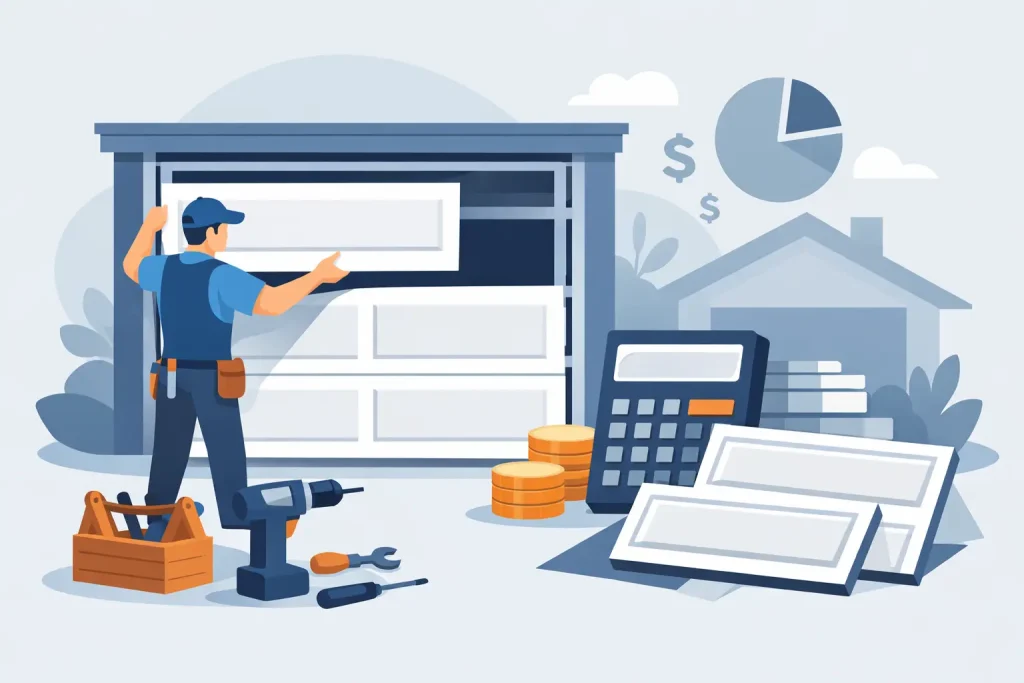
A good replacement starts with a clear recommendation, not a pressure sale. Ask for an assessment of the door’s condition, the opener options that fit your layout, and the total cost before work begins. You should know whether the quote includes installation, programming, remotes, safety sensor work, removal of old equipment, and any repairs needed to make the door operate correctly.
For homes in Gilbert, Mesa, Chandler, Queen Creek, and nearby East Valley communities, a local team can also account for the conditions your equipment faces every day. Heat, dust, frequent use, and a garage that doubles as storage or a work area can all affect which setup makes the most sense.
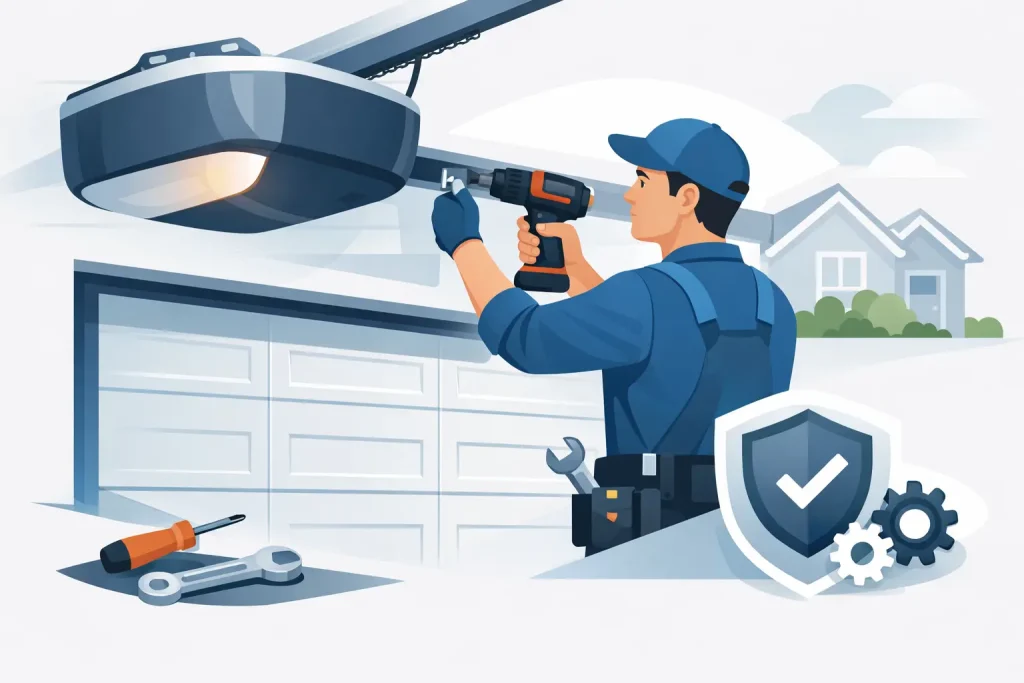
Riggs Rescue AZ approaches garage opener service with the same goal homeowners want: get the system working safely, explain the options clearly, and avoid surprises. Whether a focused repair is enough or replacement is the more dependable investment, the right choice should leave you with a door that works when you need it.
If your opener has become noisy, unreliable, or hard to trust, do not wait for the day it leaves your car stuck inside. A quick system check now can give you clear answers and help keep your next departure as simple as pressing a button.