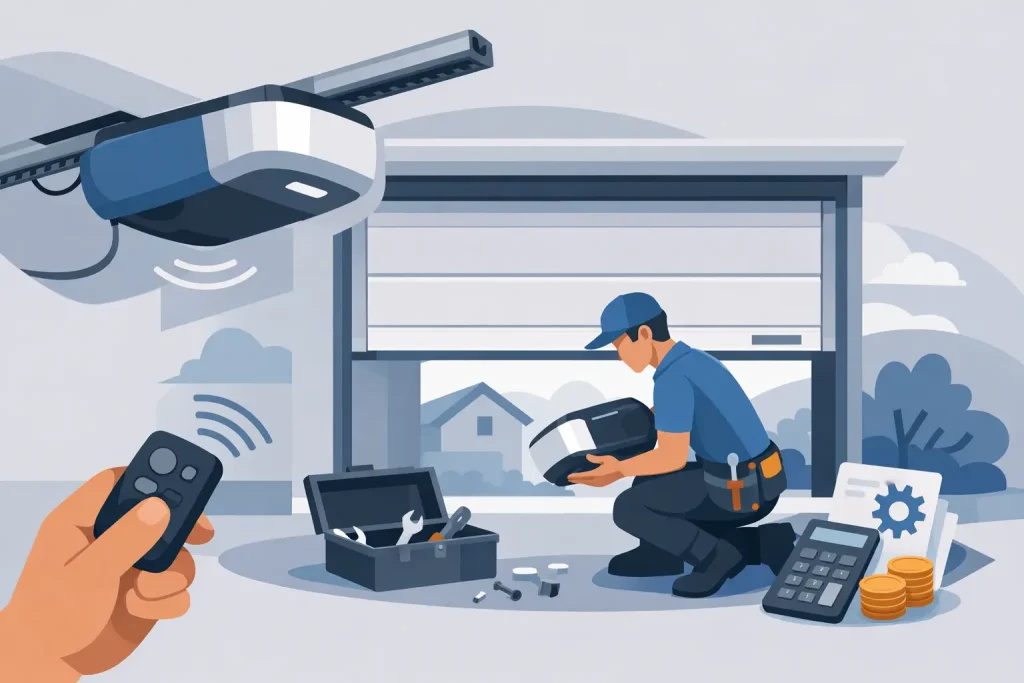
A garage door opener usually gets attention at the worst possible time: when the door will not close before work, the remote quits in the driveway, or the motor starts making a noise that does not sound right. This LiftMaster opener review looks at what homeowners and small business owners can realistically expect from the brand, where it shines, and when another setup may make more sense.
LiftMaster is one of the most recognized professional-grade garage door opener brands. It is commonly chosen for reliability, safety features, smart-home convenience, and a broad range of models. That does not mean every LiftMaster opener is the right fit for every garage. The best choice depends on your door weight, ceiling space, daily use, noise tolerance, and whether you want app-based access.
LiftMaster Opener Review: What Stands Out
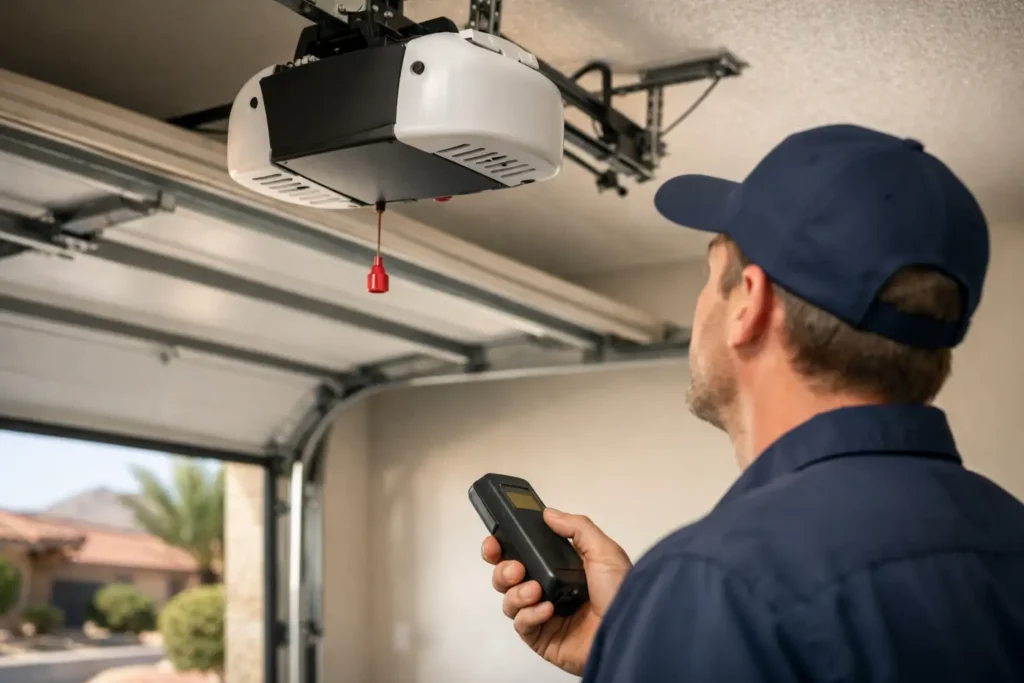
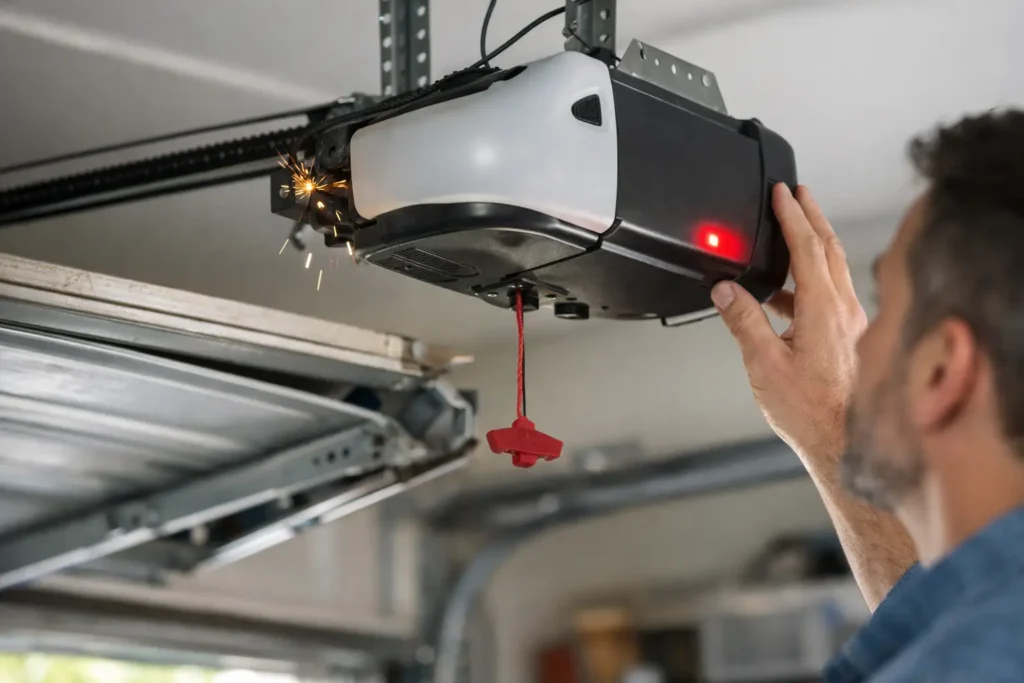
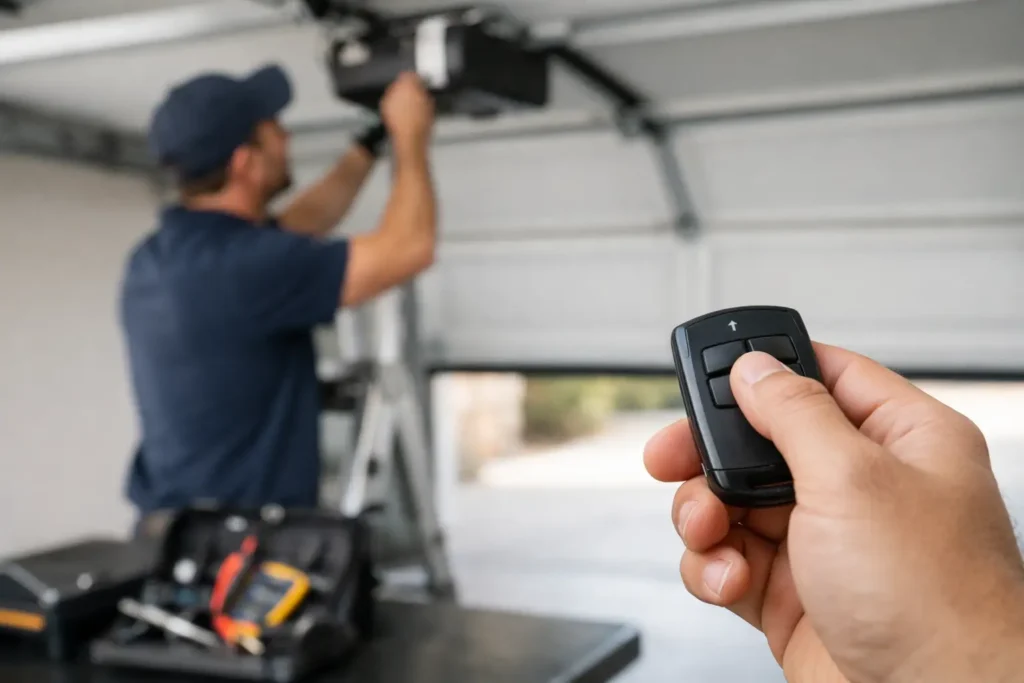
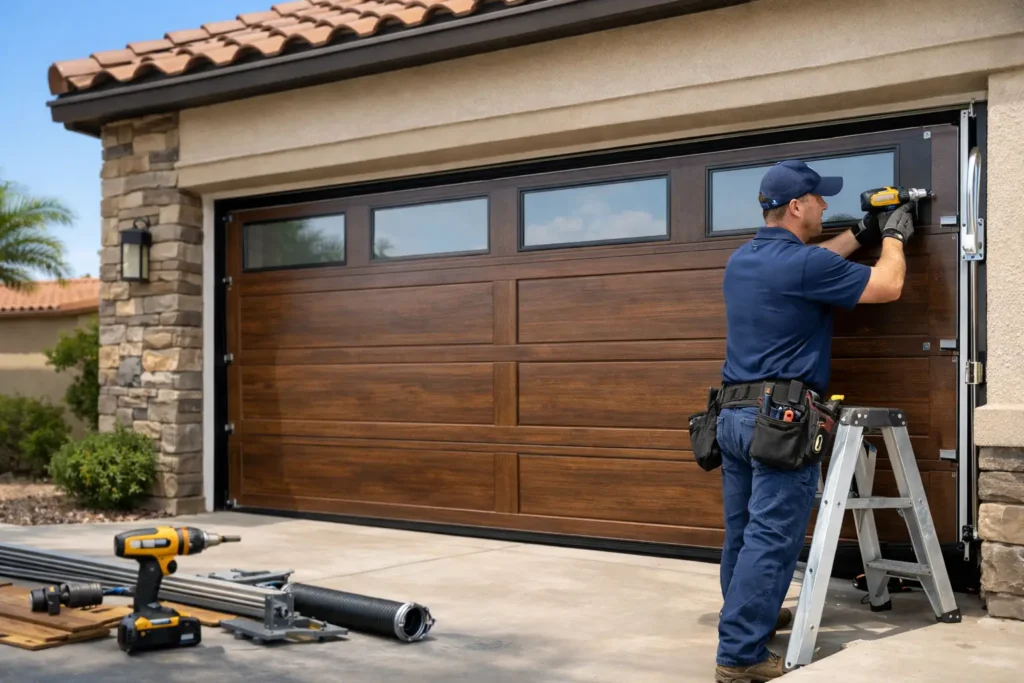
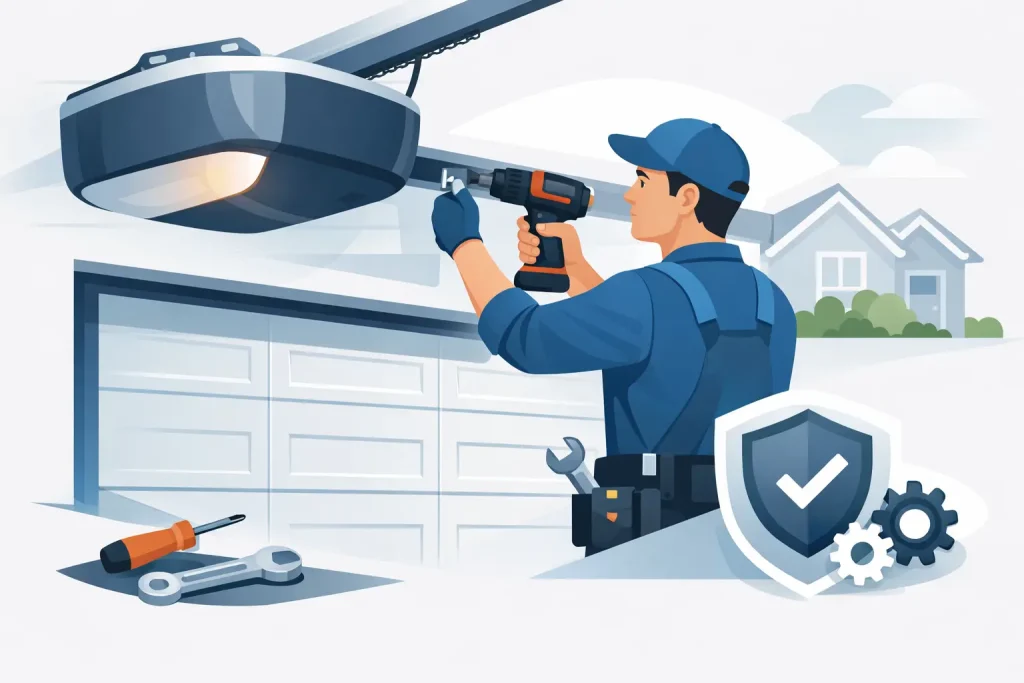
LiftMaster openers are generally built for people who want a dependable system rather than the lowest upfront price. Many models are installed through garage door professionals, which helps ensure the opener is paired correctly with the door, springs, track, and safety sensors. That matters because an opener is not meant to lift a poorly balanced or damaged garage door by itself.
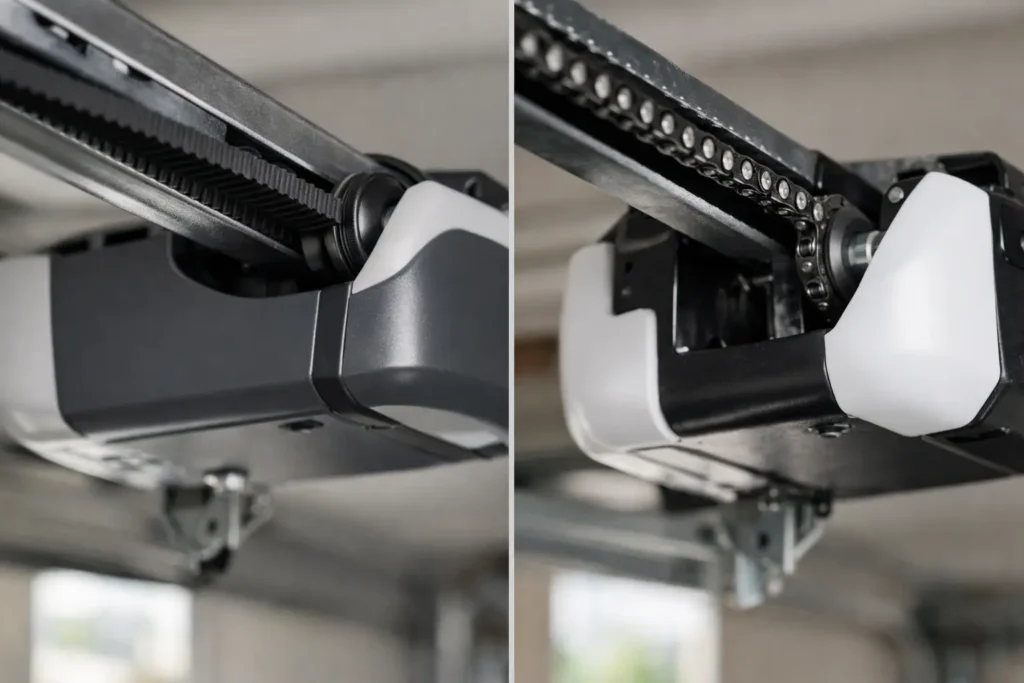
The brand offers chain-drive, belt-drive, wall-mount, and commercial-duty options. This variety is a real advantage. A homeowner with bedrooms over the garage has different needs than a shop owner opening a heavy sectional door several times each day.
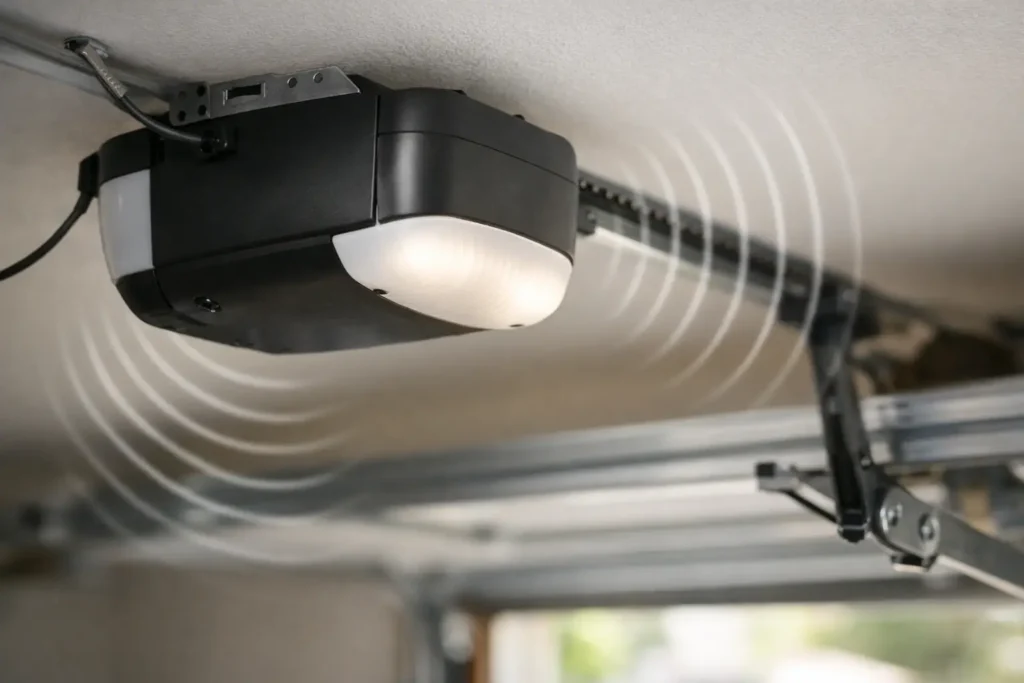
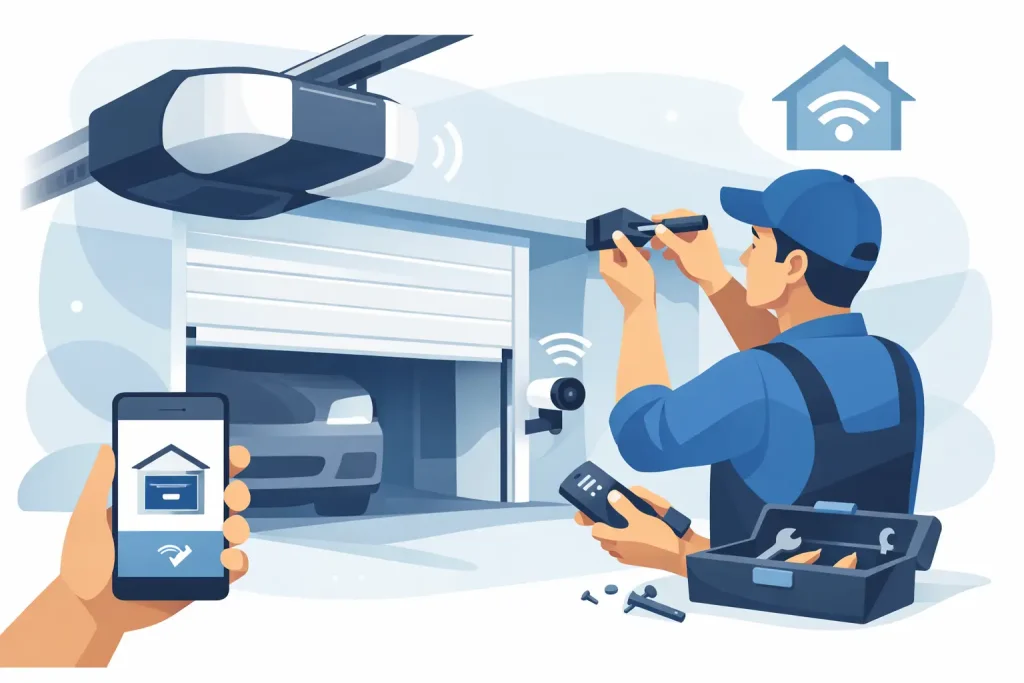
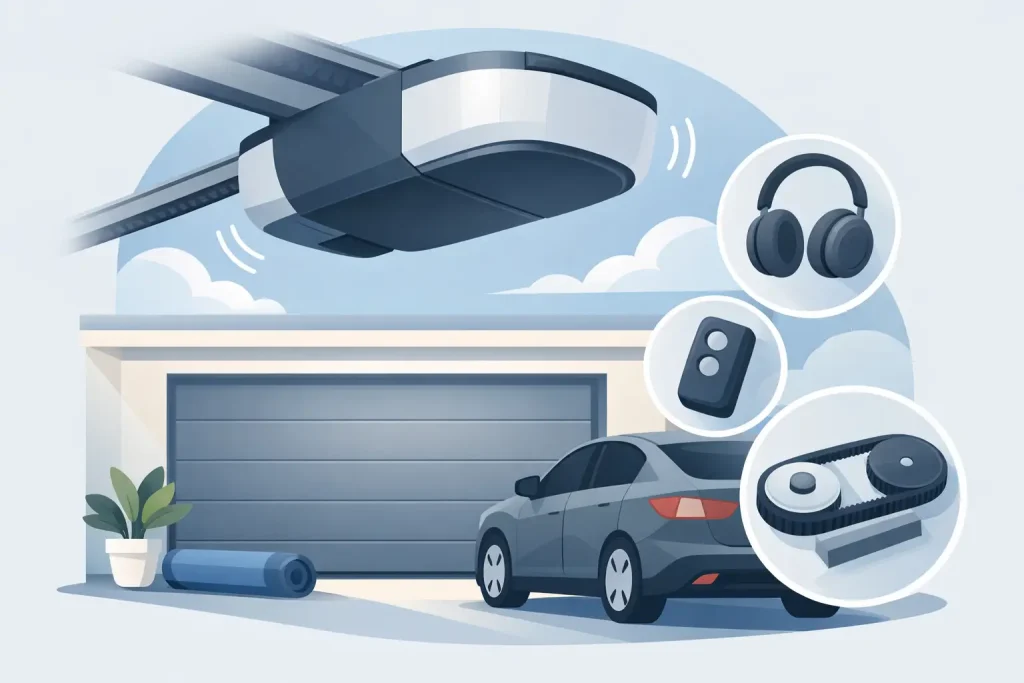
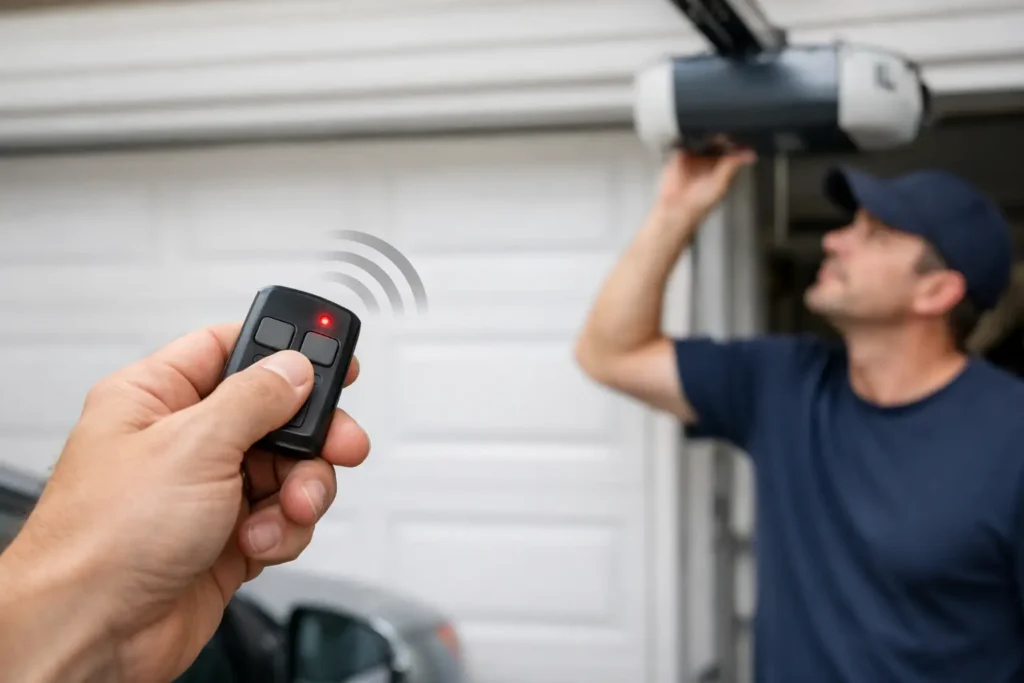
For most residential customers, LiftMaster’s strongest selling points are quiet operation on belt-drive models, dependable radio controls, integrated safety features, and myQ compatibility on many current models. myQ allows users to monitor and control a compatible garage door from a phone, receive activity alerts, and check whether the door is open or closed. For busy families, that simple confirmation can prevent a lot of second-guessing after leaving home.
Reliability Depends on the Whole Door System
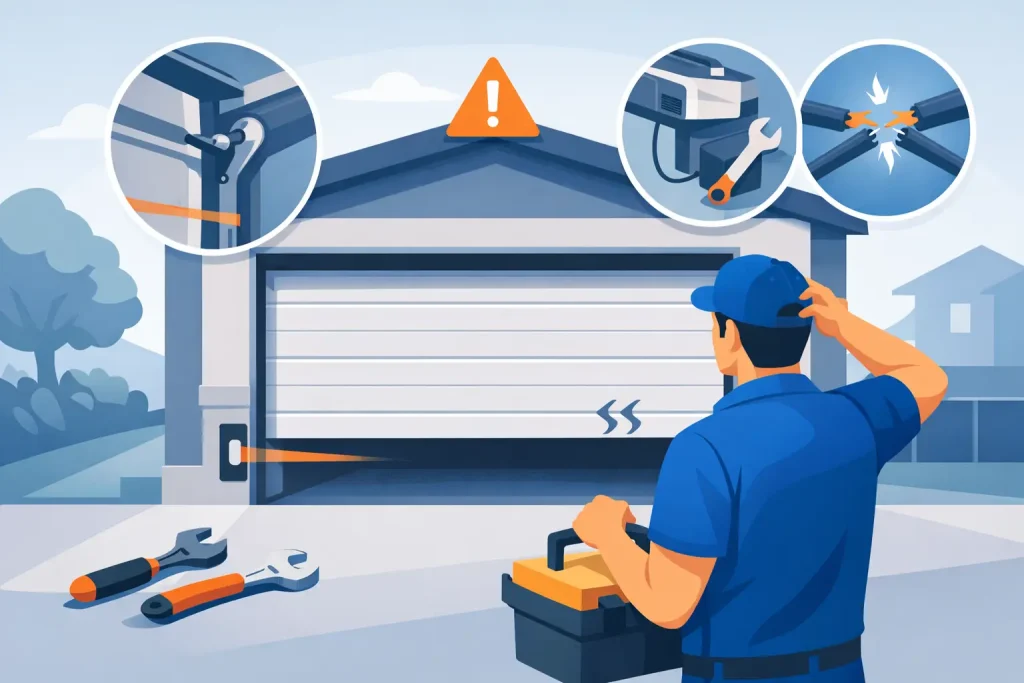
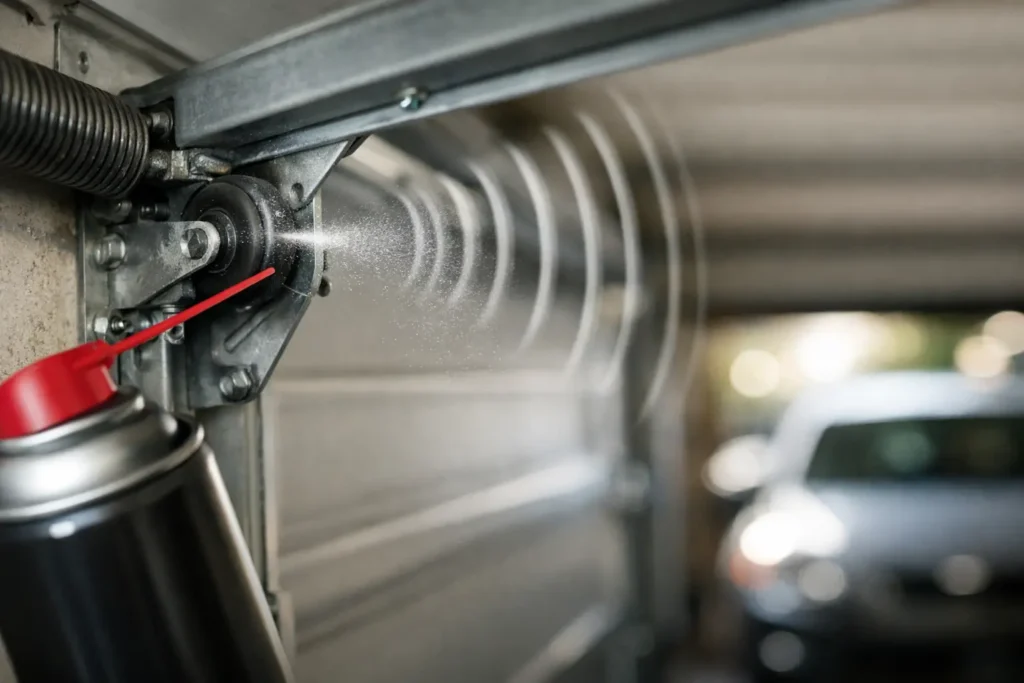
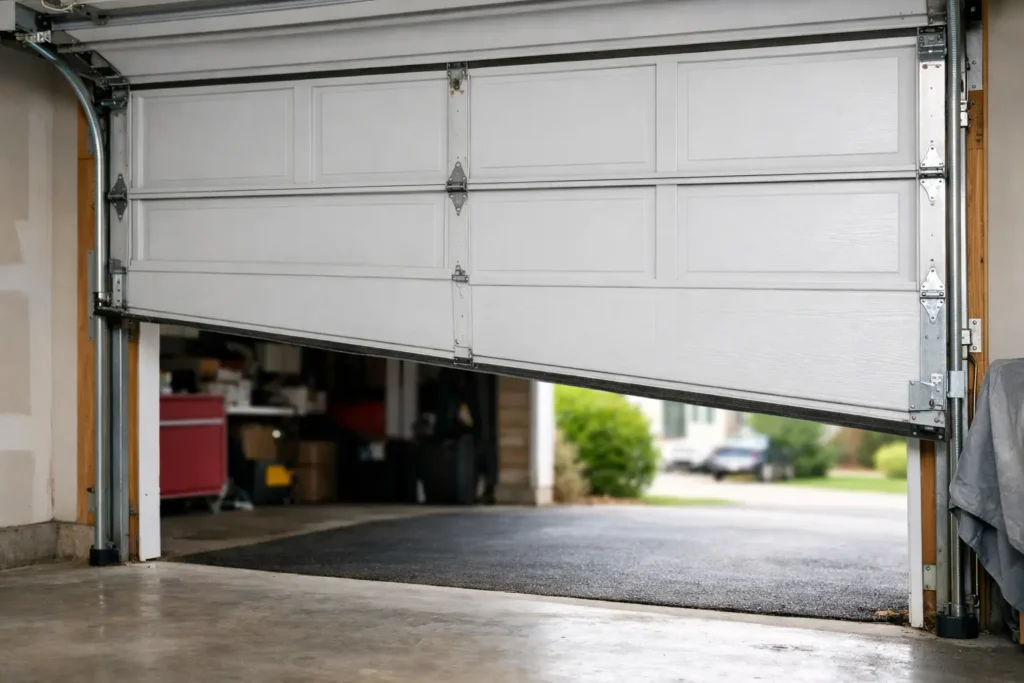
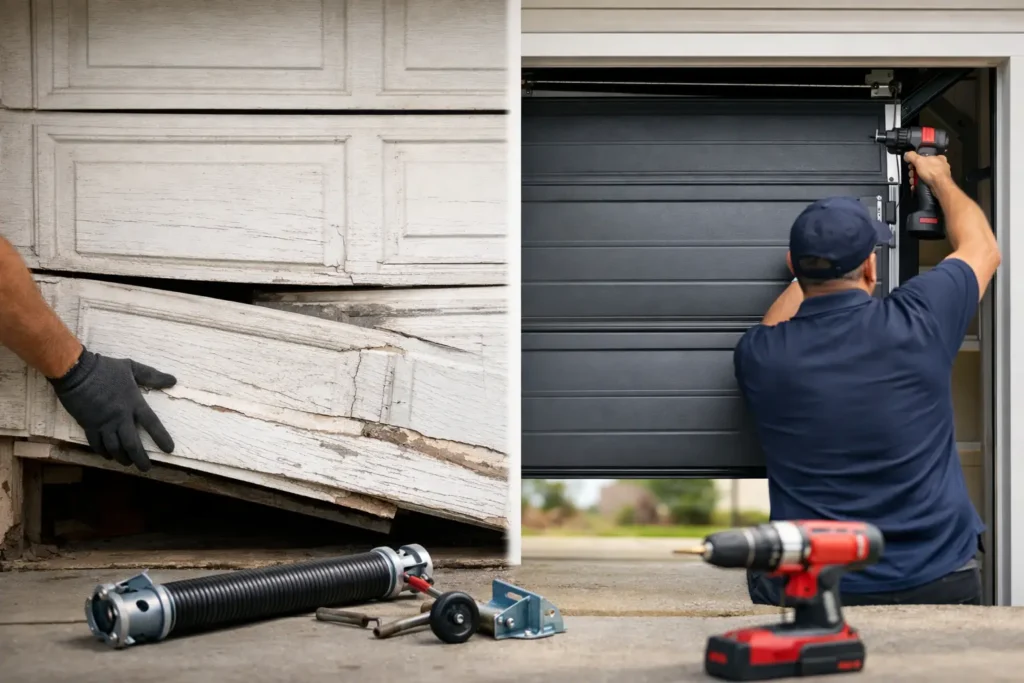
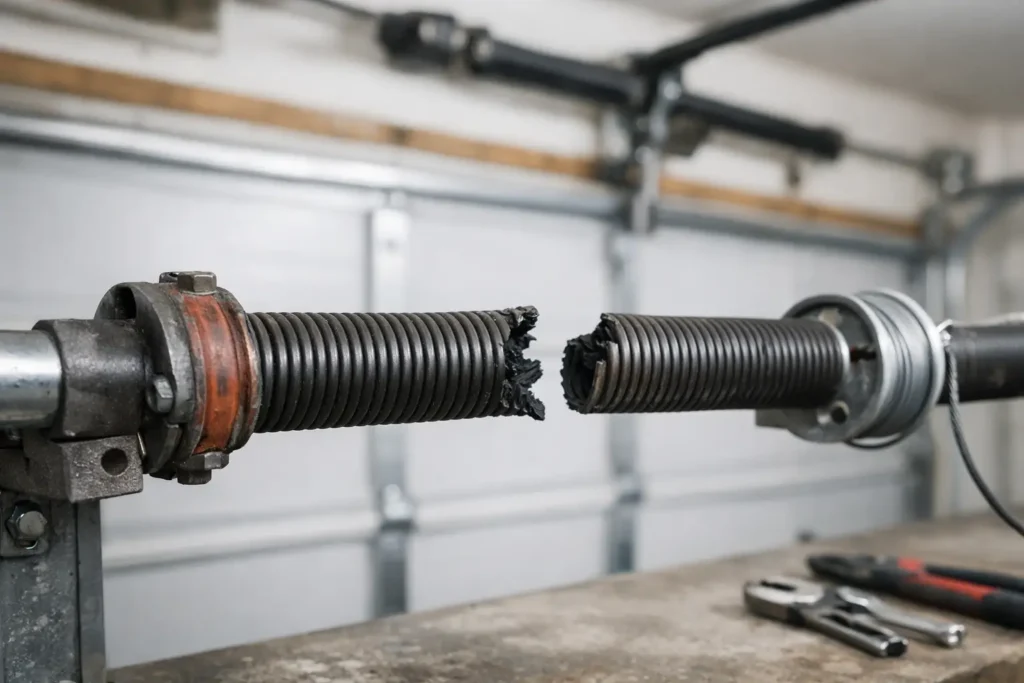
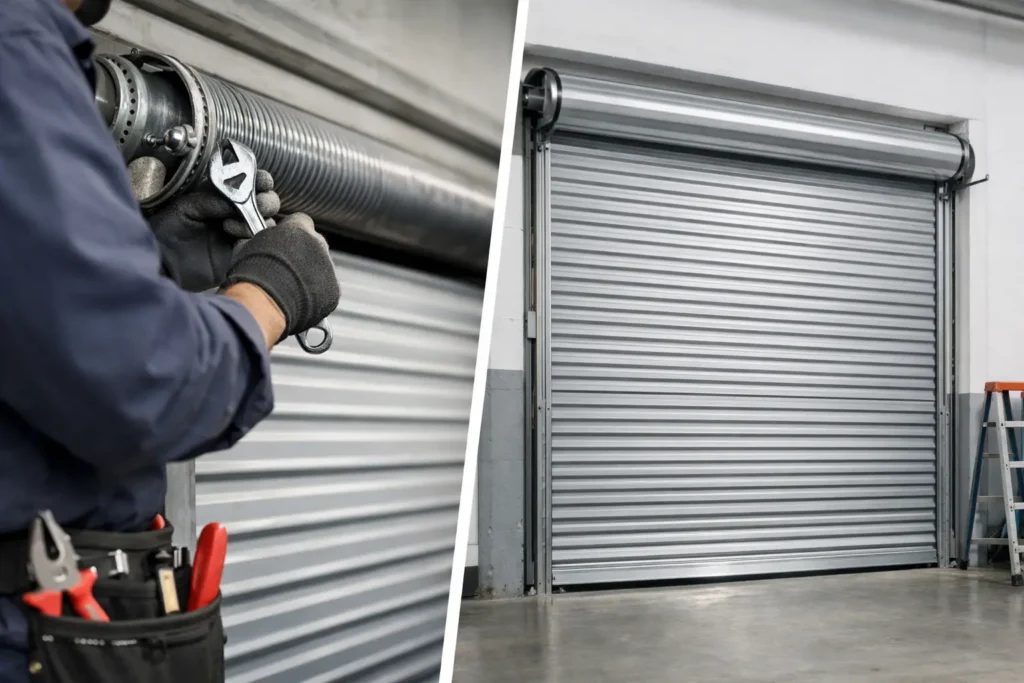
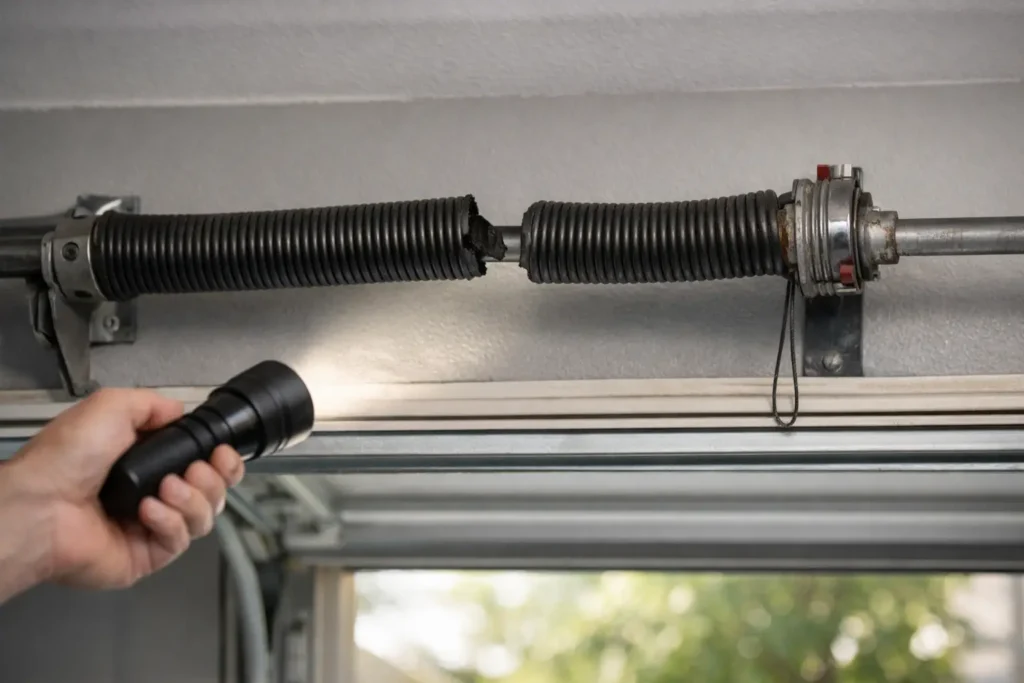
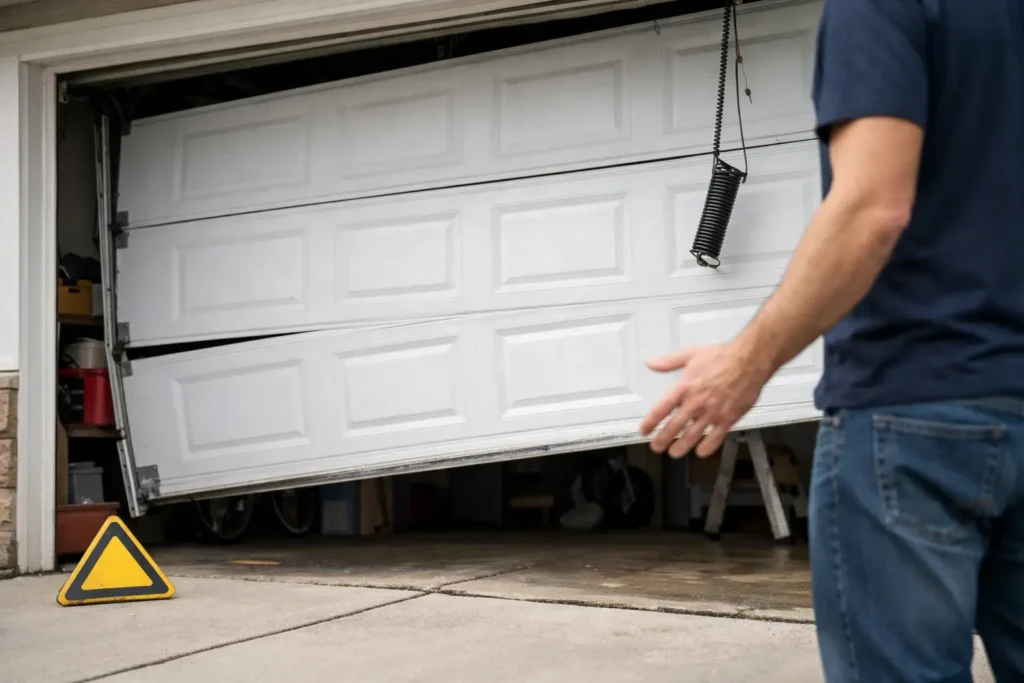
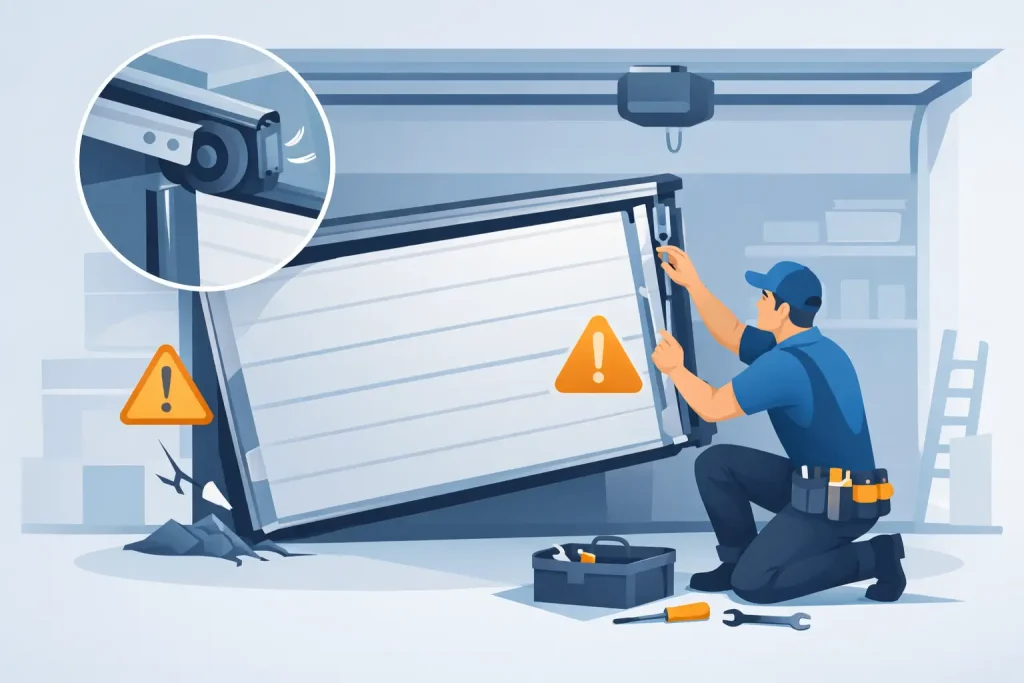
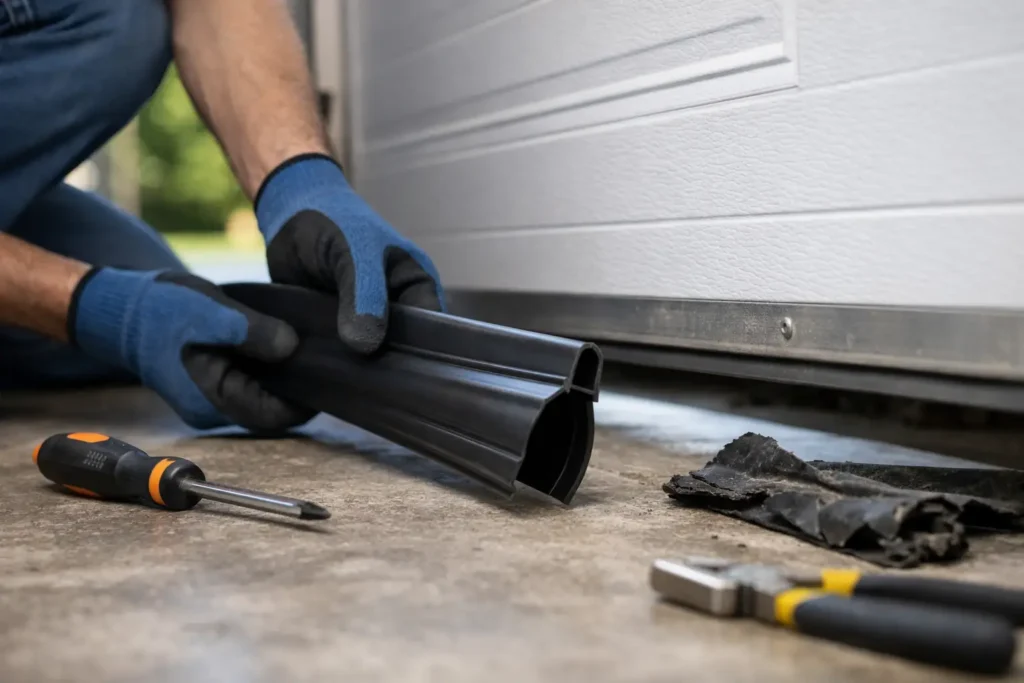
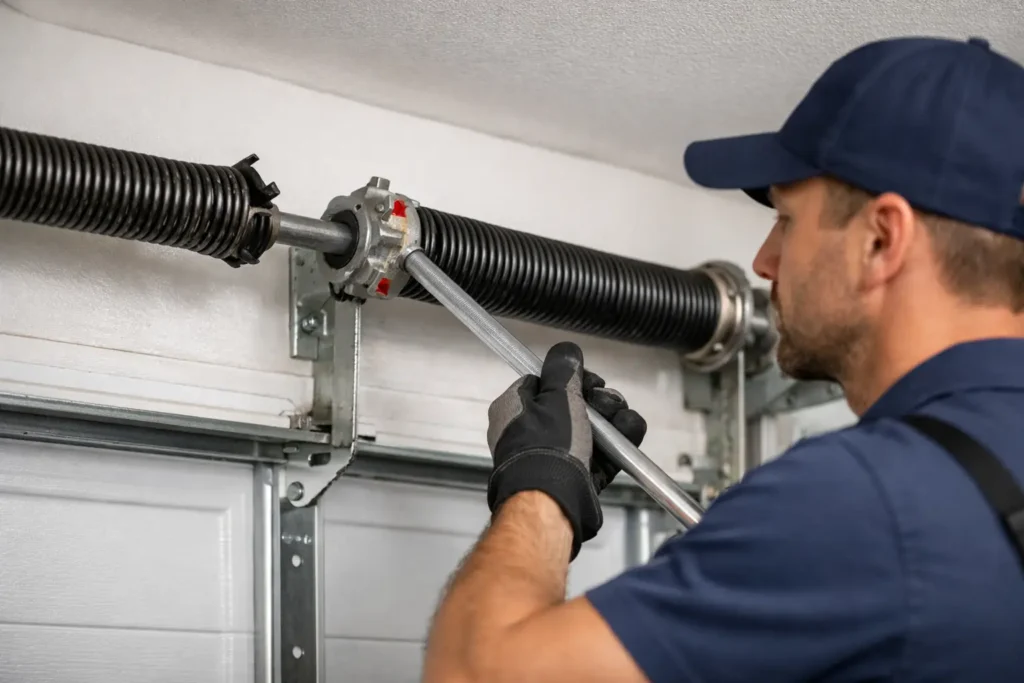
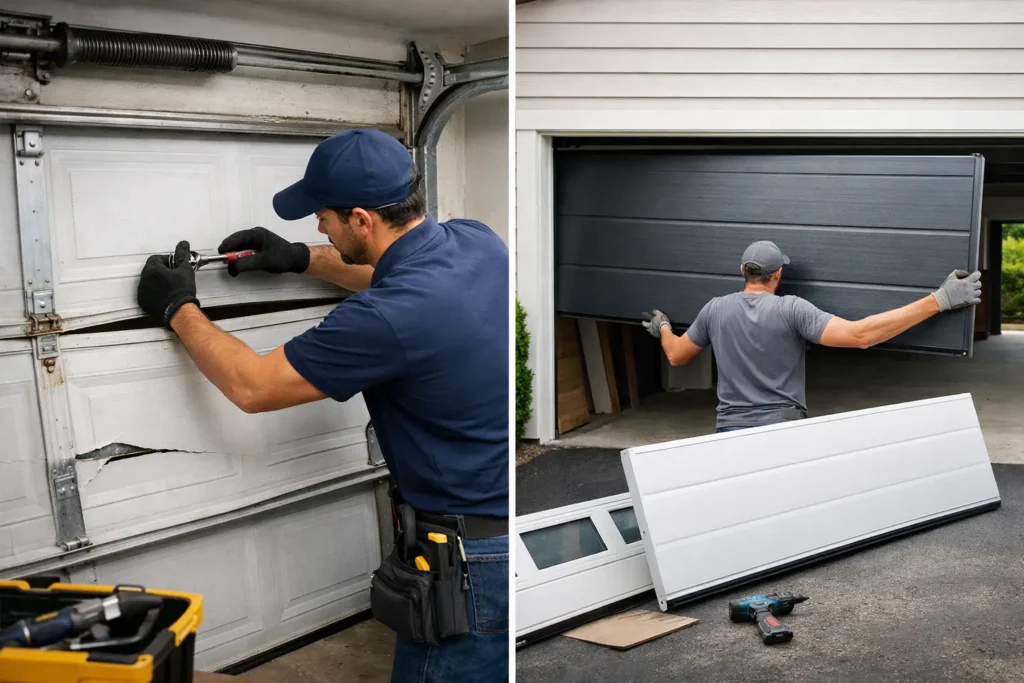
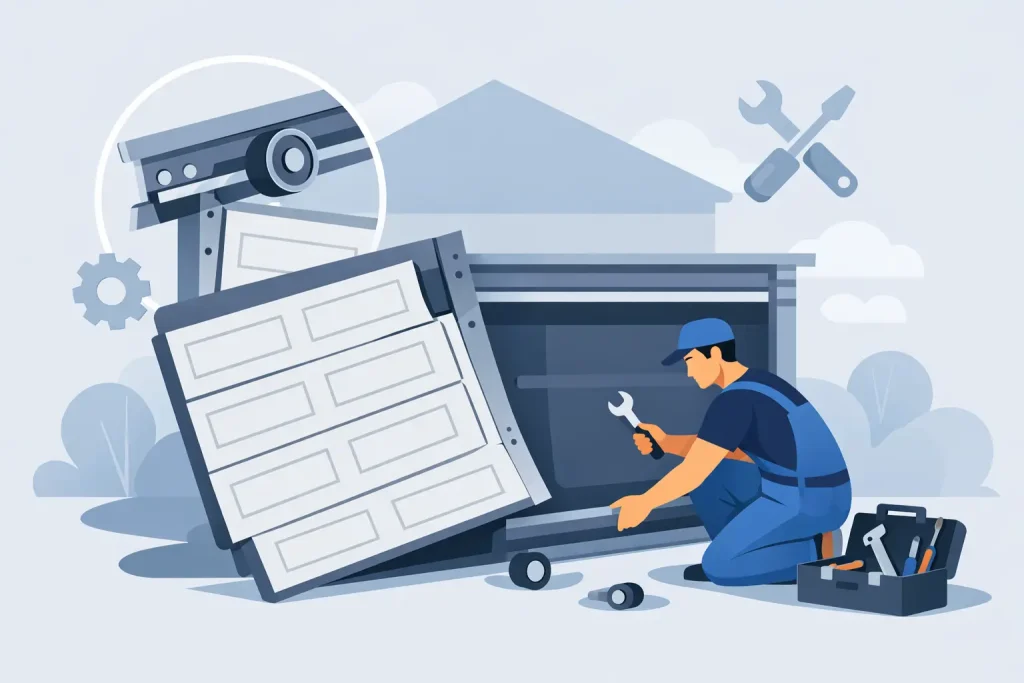
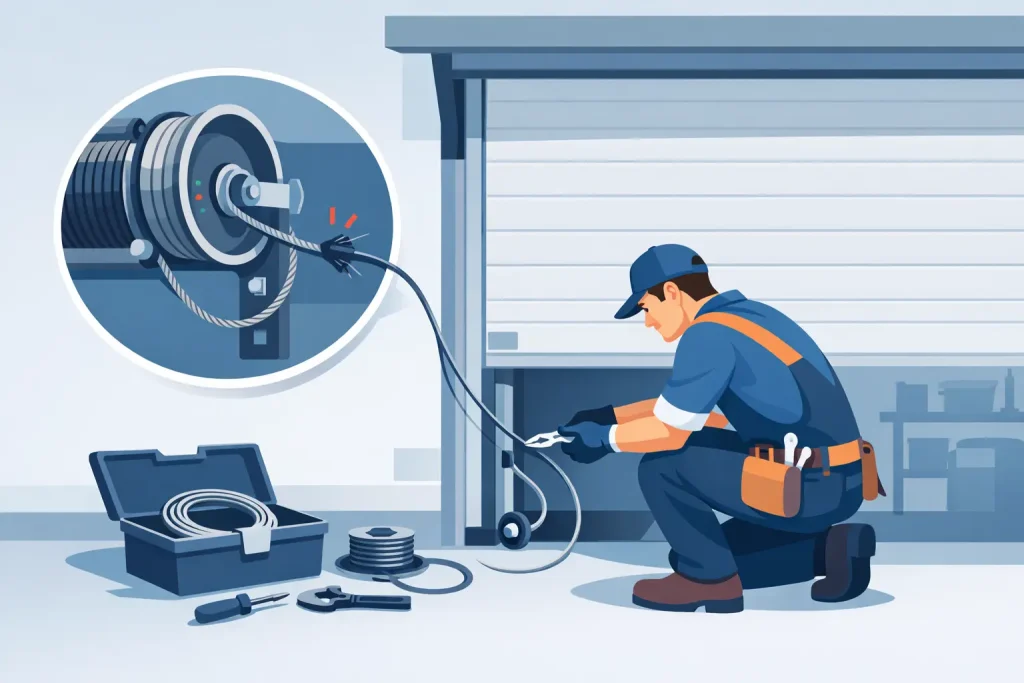
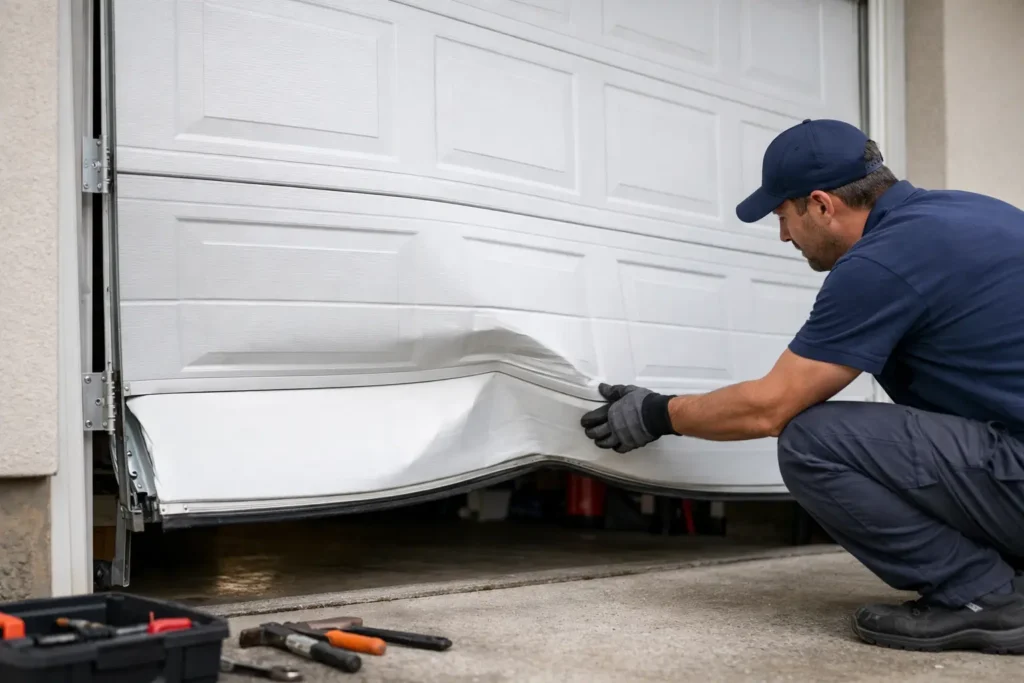
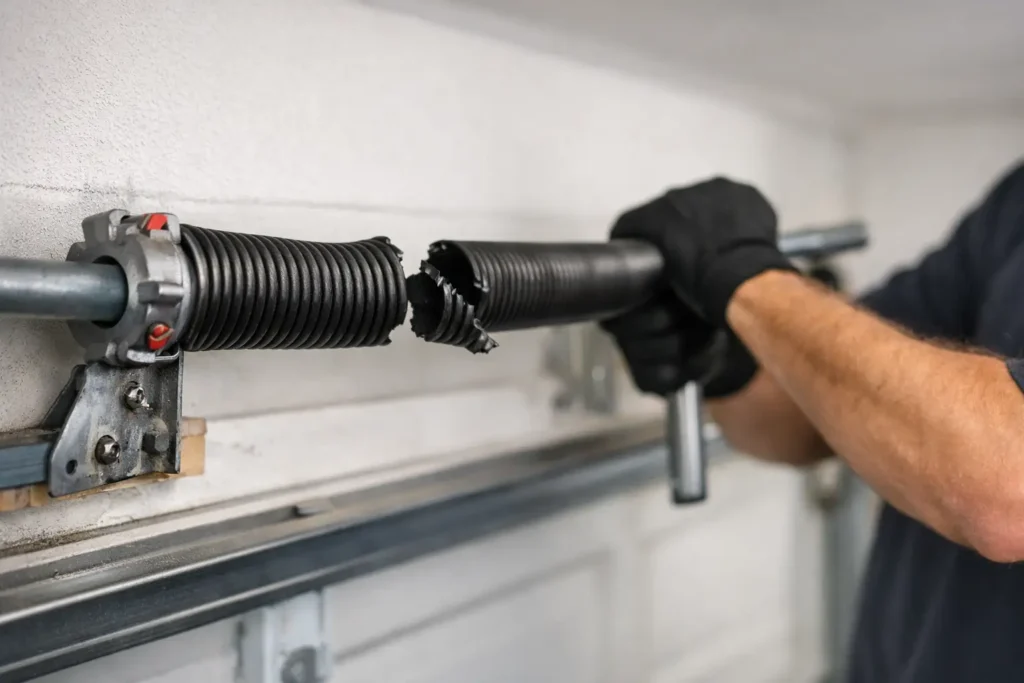
A quality opener can last for years, but it cannot correct problems with the garage door itself. Worn rollers, weak springs, bent track, frayed cables, or a door that is out of balance can make any opener work harder than it should. Eventually, that extra strain can cause premature motor, gear, or rail issues.
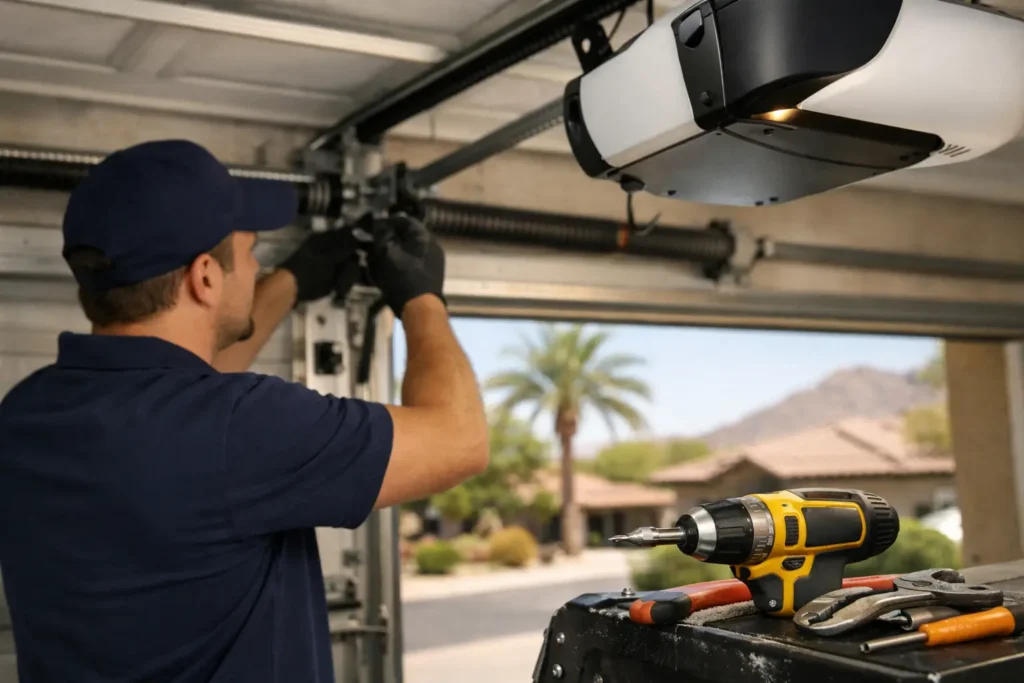
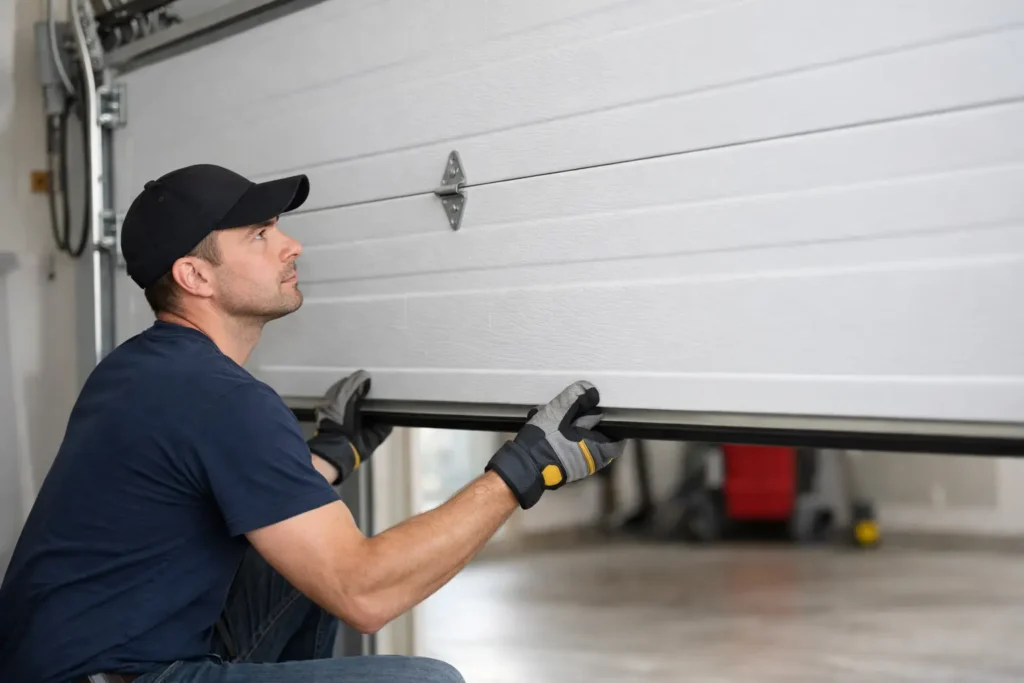
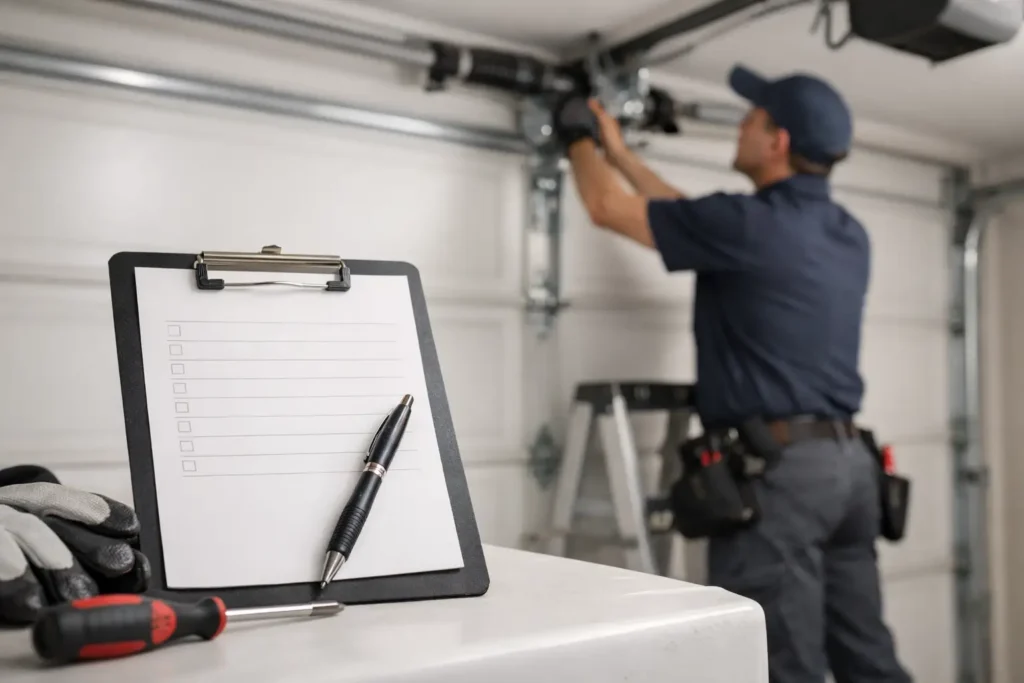
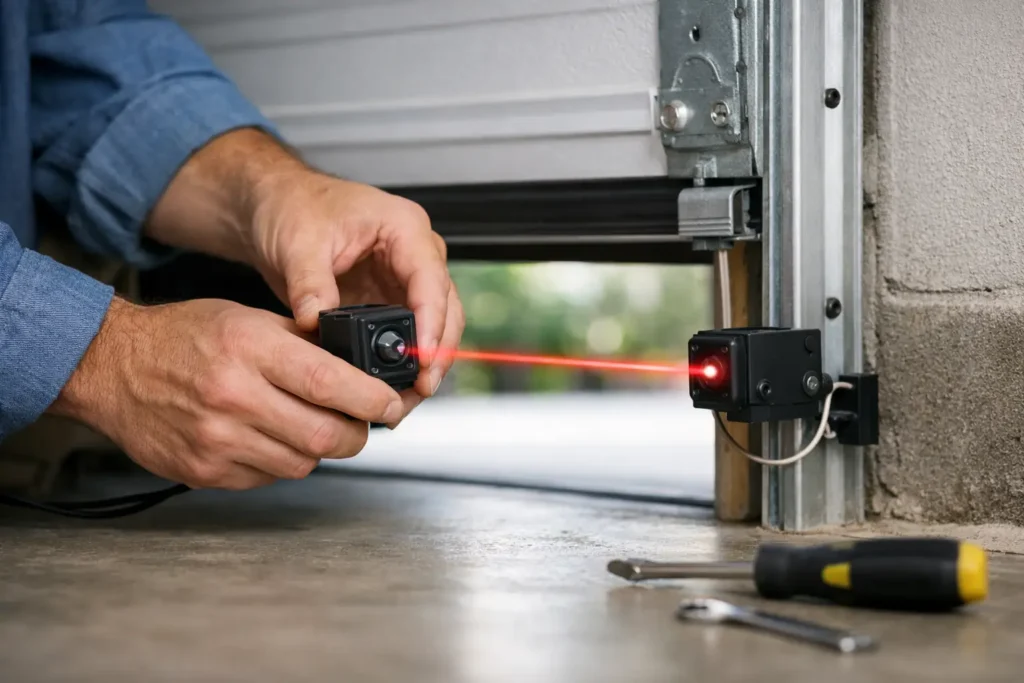
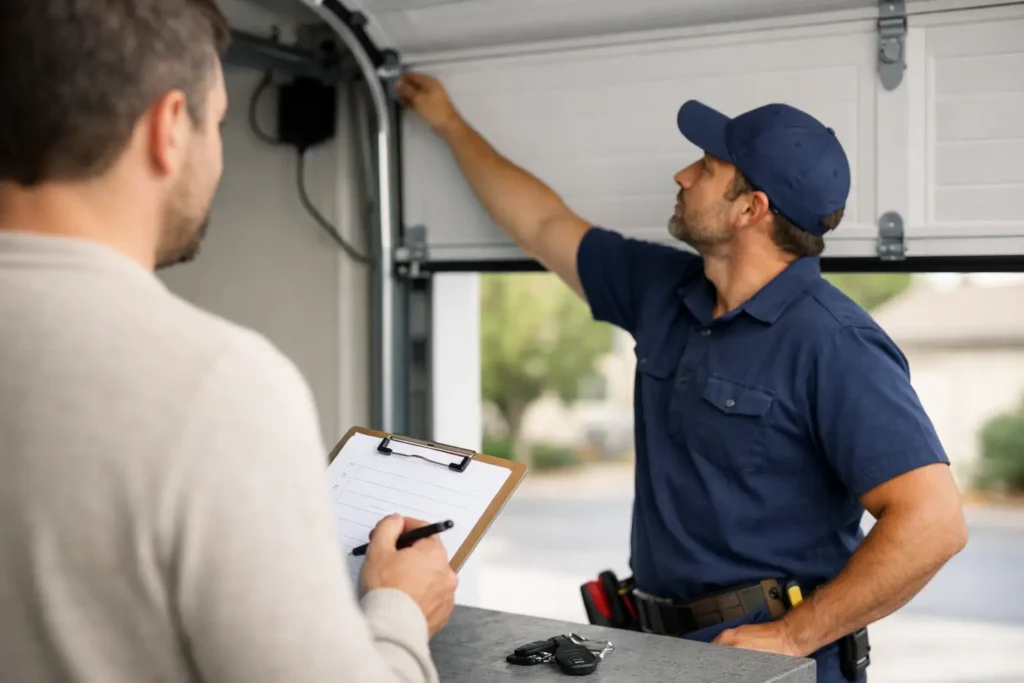
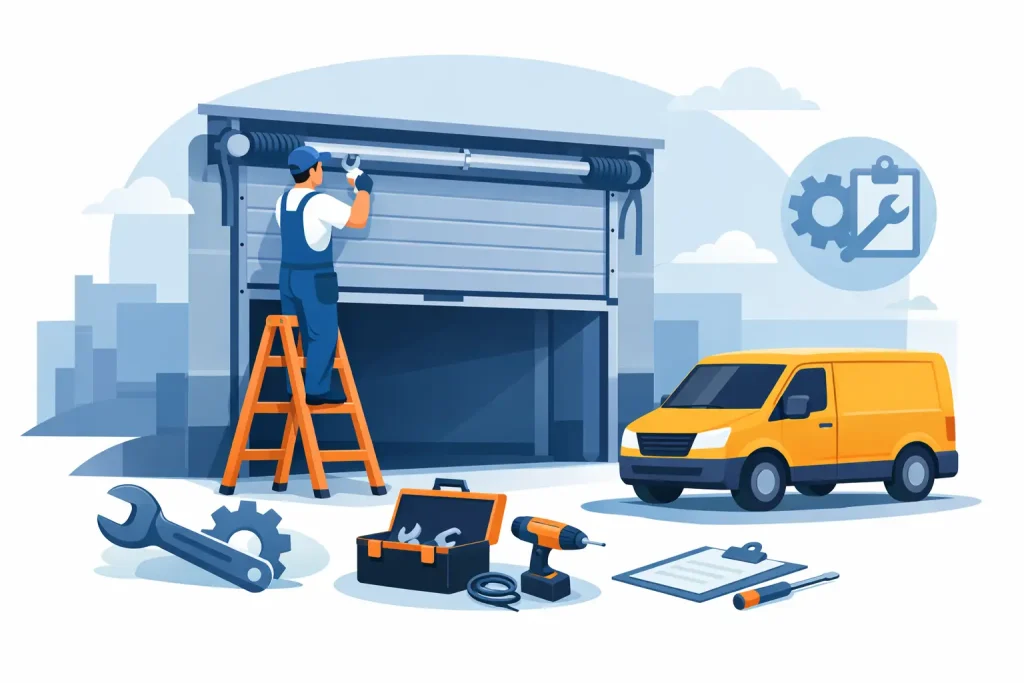
That is why a proper installation begins with the door, not just the opener box. The door should lift smoothly by hand when disconnected from the opener, and the safety sensors should be aligned and tested. Homeowners sometimes replace an opener when the real culprit is an aging spring or damaged hardware.
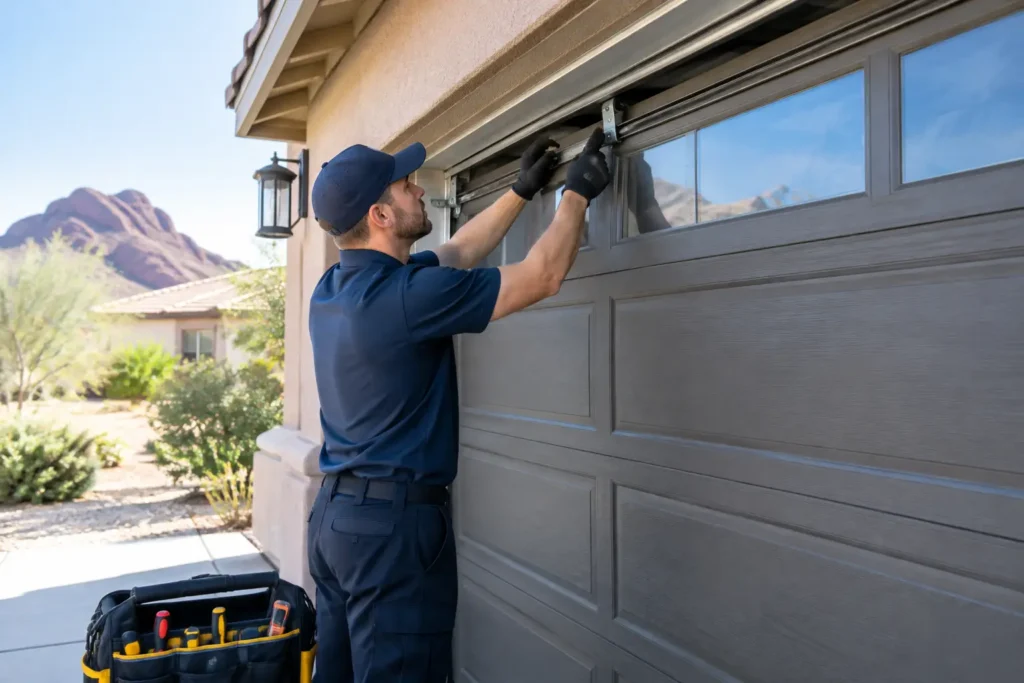
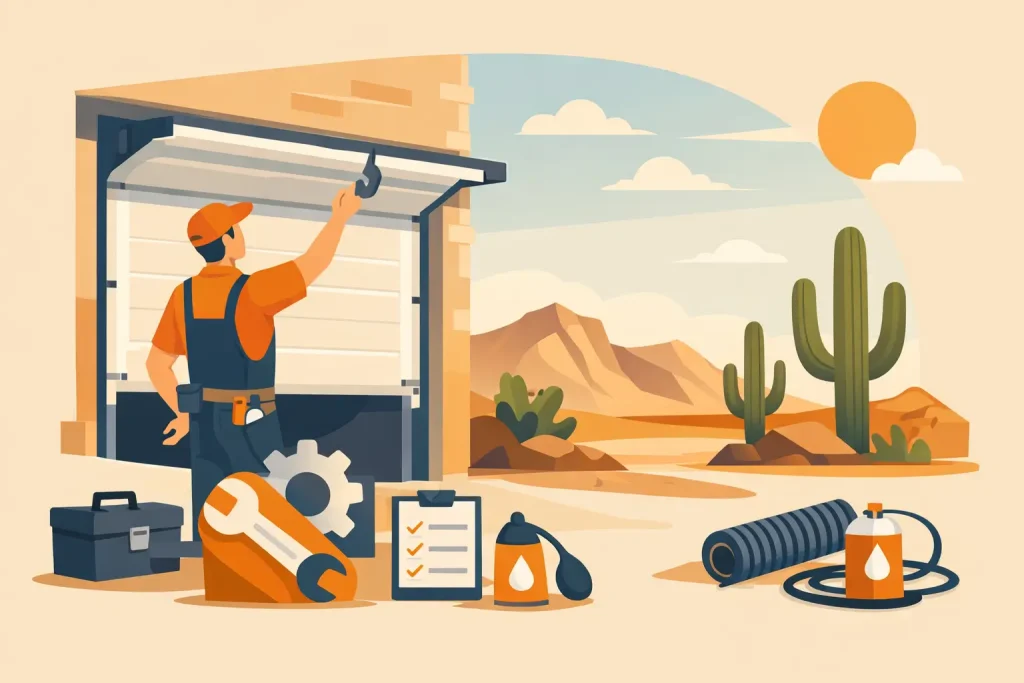
In Arizona, heat also deserves consideration. Garage temperatures can climb fast, especially in attached garages with west-facing doors. LiftMaster units are designed for garage use, but extreme heat, dust, aging batteries, and sun exposure around exterior keypads can still affect performance over time. A professional inspection can catch small issues before they turn into a stuck door on a hot afternoon.
Choosing the Right LiftMaster Opener Model
There is no single “best” LiftMaster model for every home. A well-matched opener should be based on the door and how your household uses it.
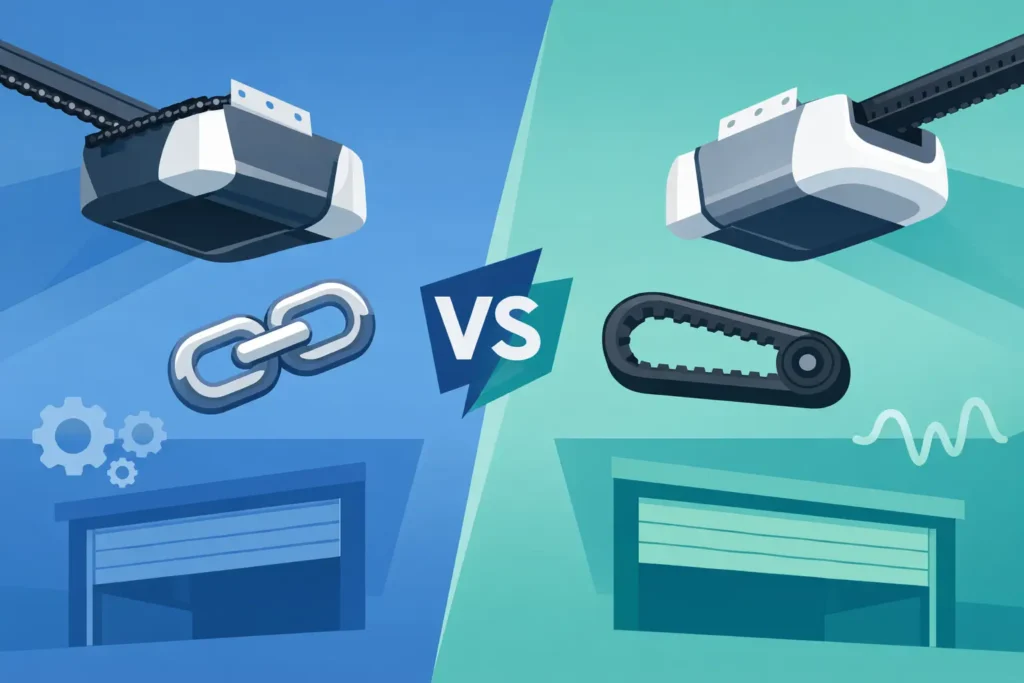
A belt-drive opener is often the best fit for an attached garage, particularly when living space sits above or beside it. The reinforced belt reduces vibration and keeps operation noticeably quieter than a traditional chain drive. It may cost more up front, but many homeowners feel the lower noise level is worth it.
A chain-drive opener remains a practical option for detached garages, rental properties, or homeowners focused on value. Chain systems are durable and familiar, though they tend to be louder. The sound is not necessarily a problem when the garage is separated from the home.
Wall-mount openers are a smart solution when overhead space is limited or when a clean ceiling layout matters. Instead of mounting over the center of the door, the unit installs beside the garage door torsion bar. This can free ceiling space for storage racks, lighting, or a vehicle lift. However, wall-mount installation depends on having the right side clearance and compatible door hardware.
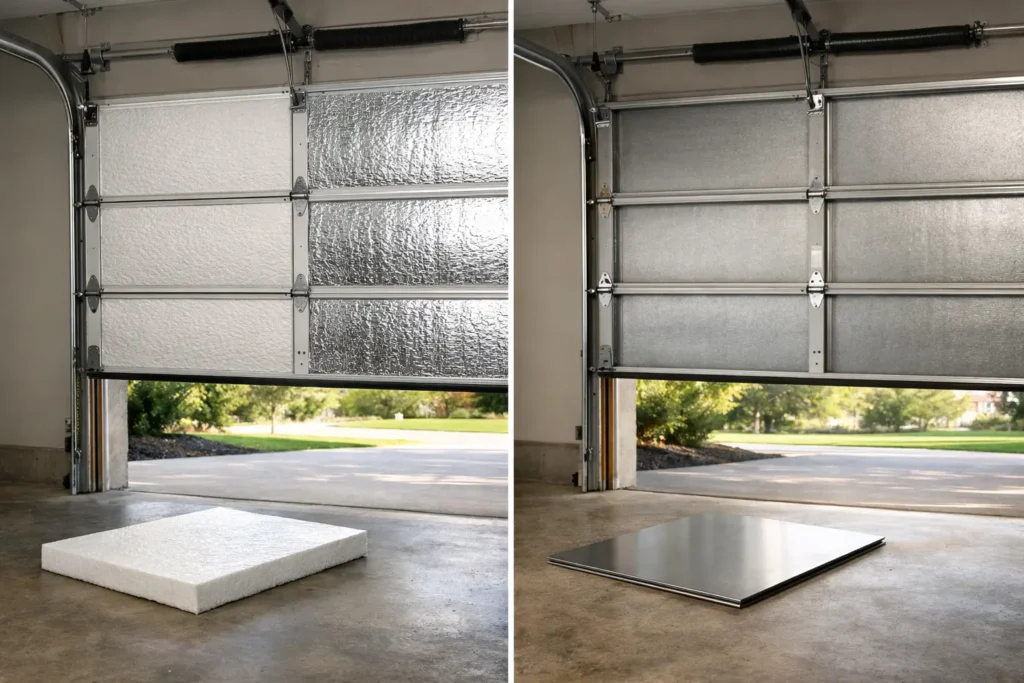
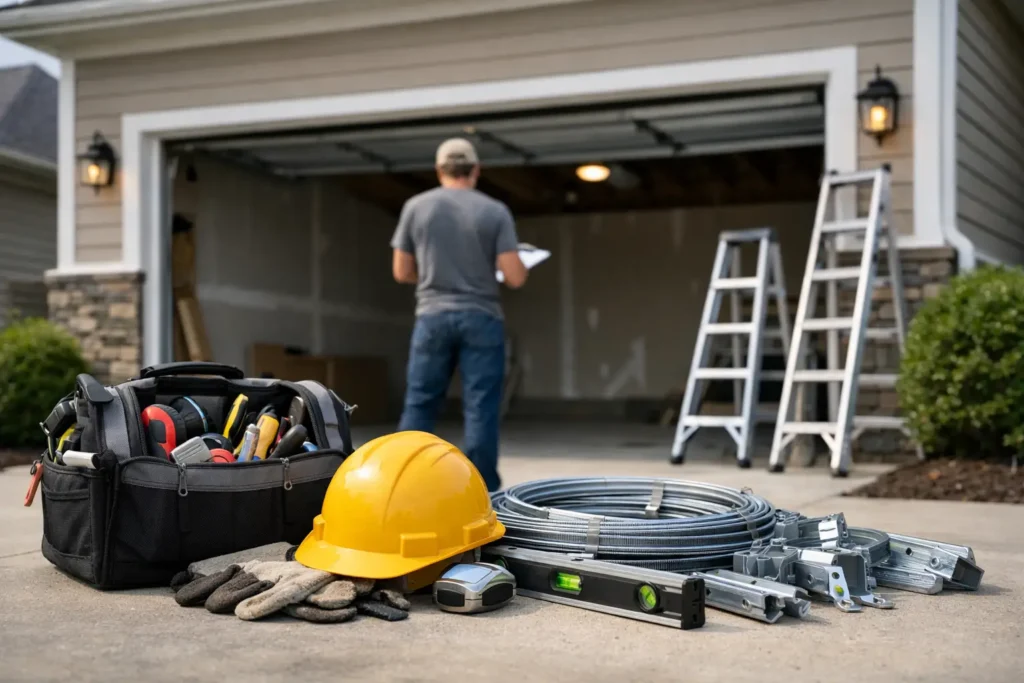
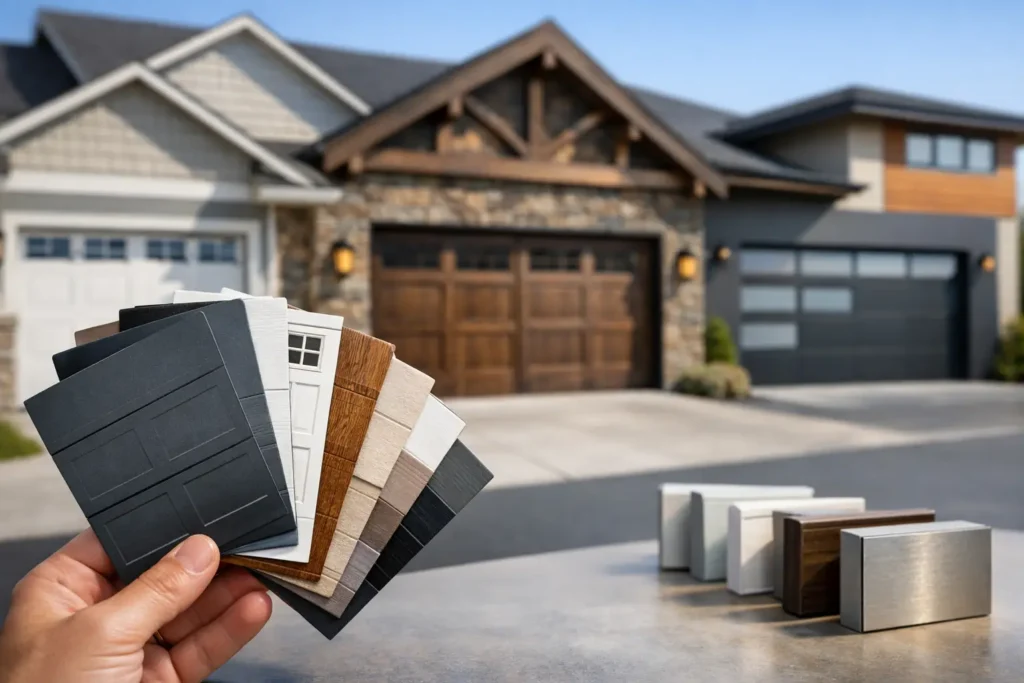
For heavier custom doors, insulated doors, or high-cycle use, selecting the correct lifting capacity is especially important. Bigger is not automatically better, but undersizing an opener is a mistake. A technician can evaluate the door’s weight, balance, spring system, and use pattern before recommending a model.
Smart Features Are Useful, With a Few Limits
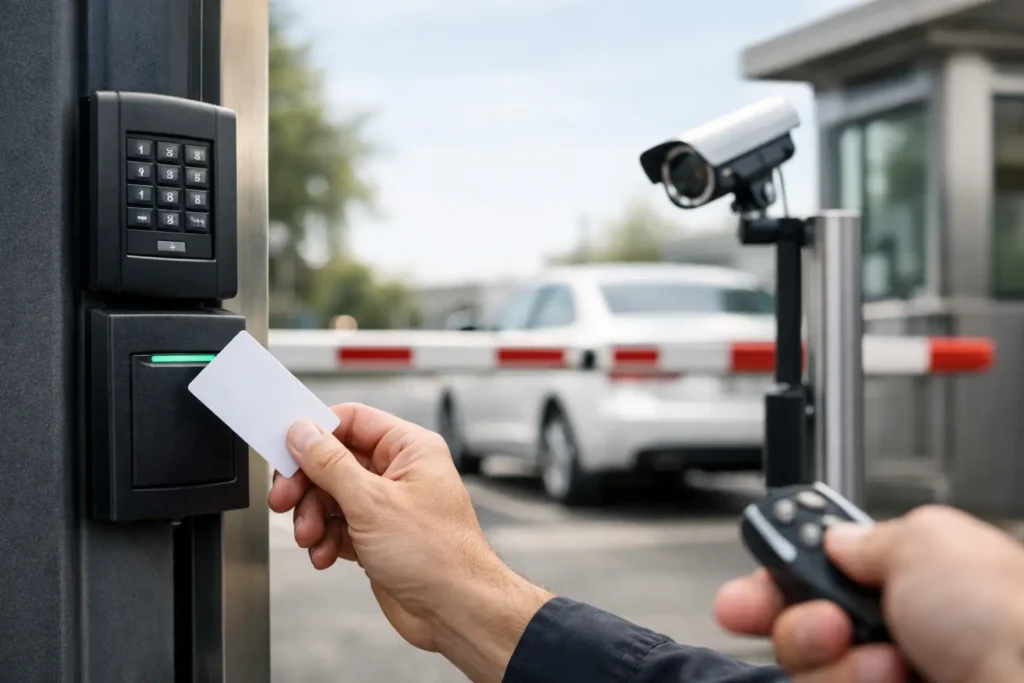
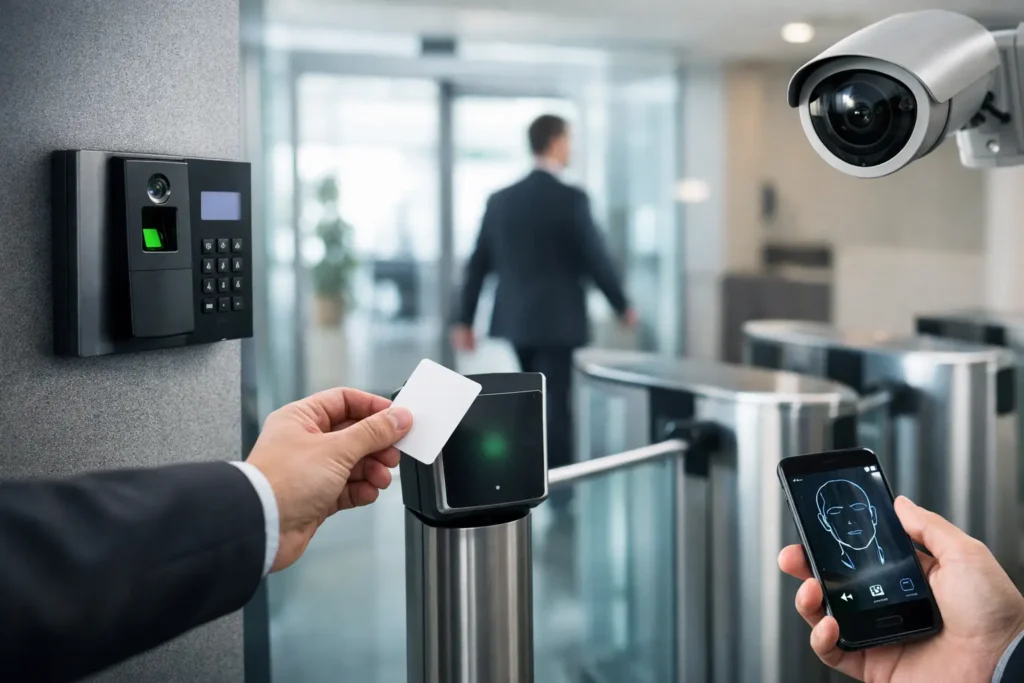
The myQ platform is one of LiftMaster’s biggest draws. It is useful for checking the garage door status from work, letting a family member in without sharing a physical remote, or receiving an alert if the door is left open. Some compatible systems can also work with approved smart-home and delivery-access features.
Still, smart control should be viewed as convenience, not a replacement for garage door maintenance or secure habits. Internet outages can affect app functions, and not every feature is included with every model or service plan. Before choosing an opener primarily for app access, ask which features are available with the exact model and setup being installed.
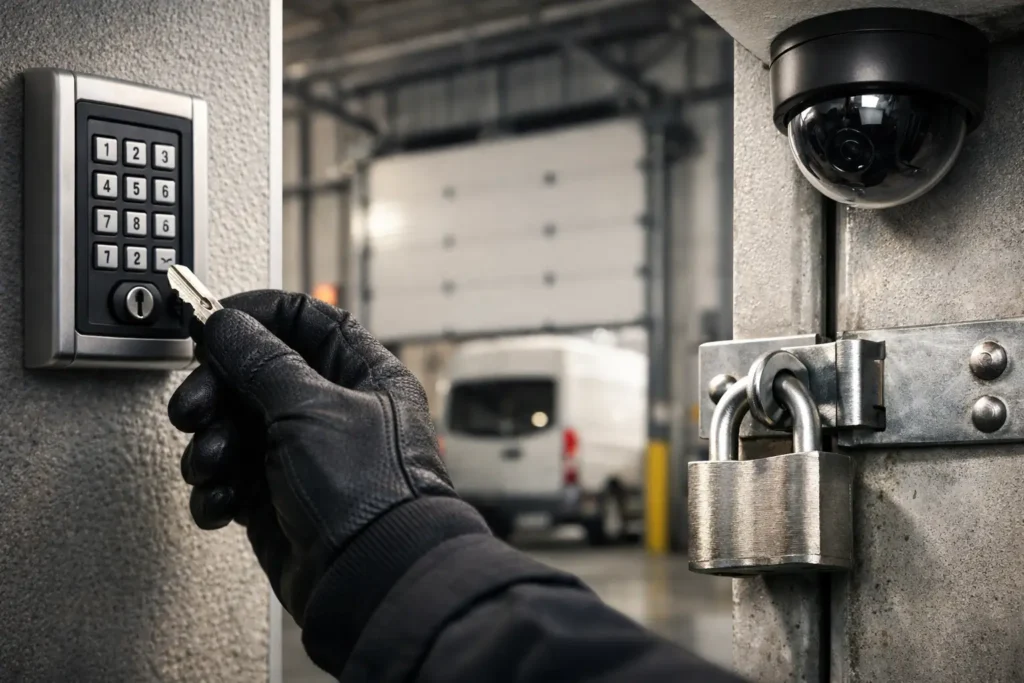
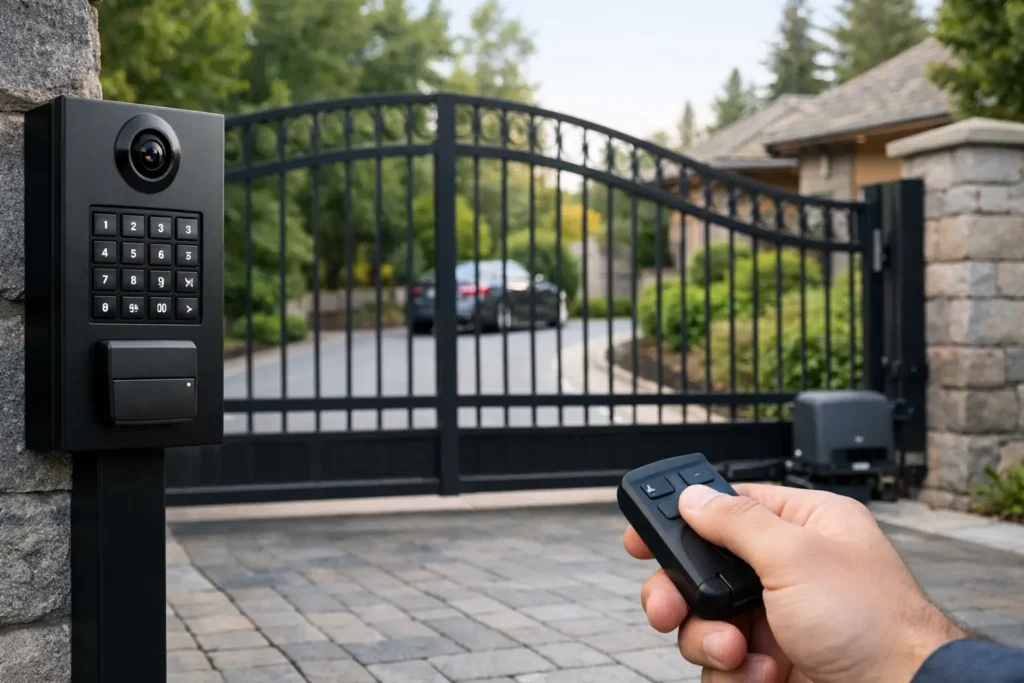
A good installer should also explain how to set up user access securely. Do not share your primary account password, remove access for former tenants or employees when needed, and update keypad codes after a move. Those small steps matter just as much as choosing a modern opener.
Safety Features Worth Paying Attention To
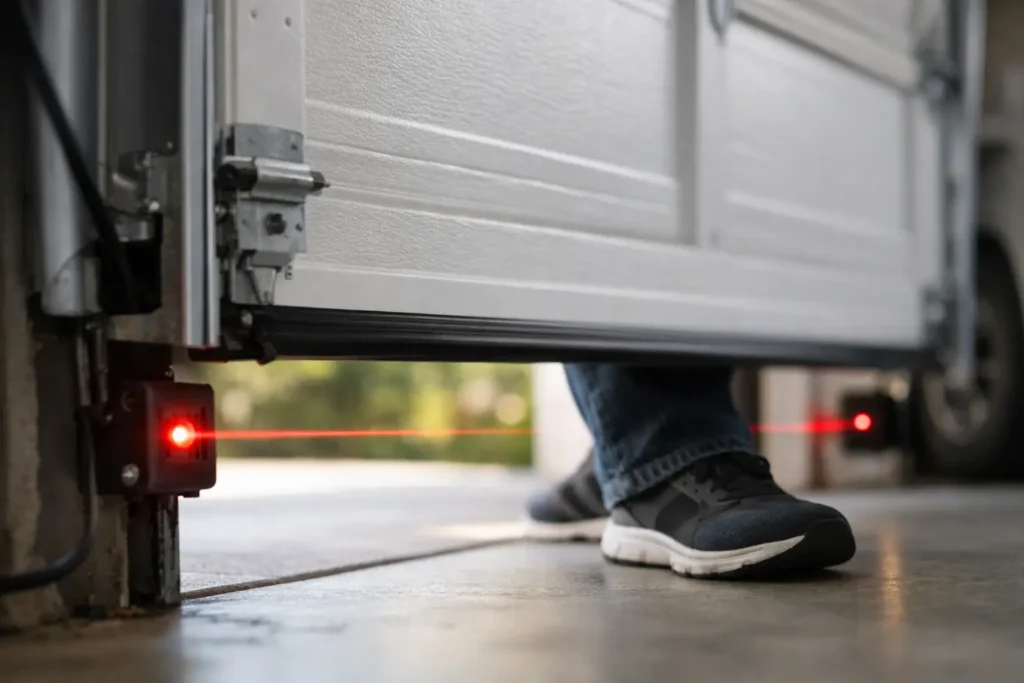
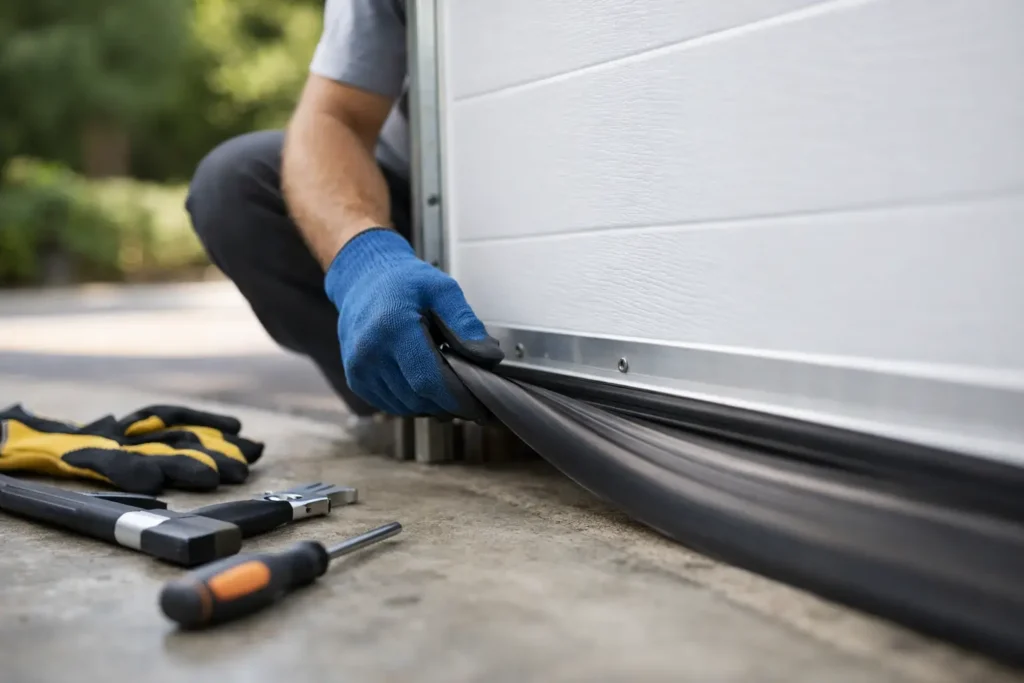
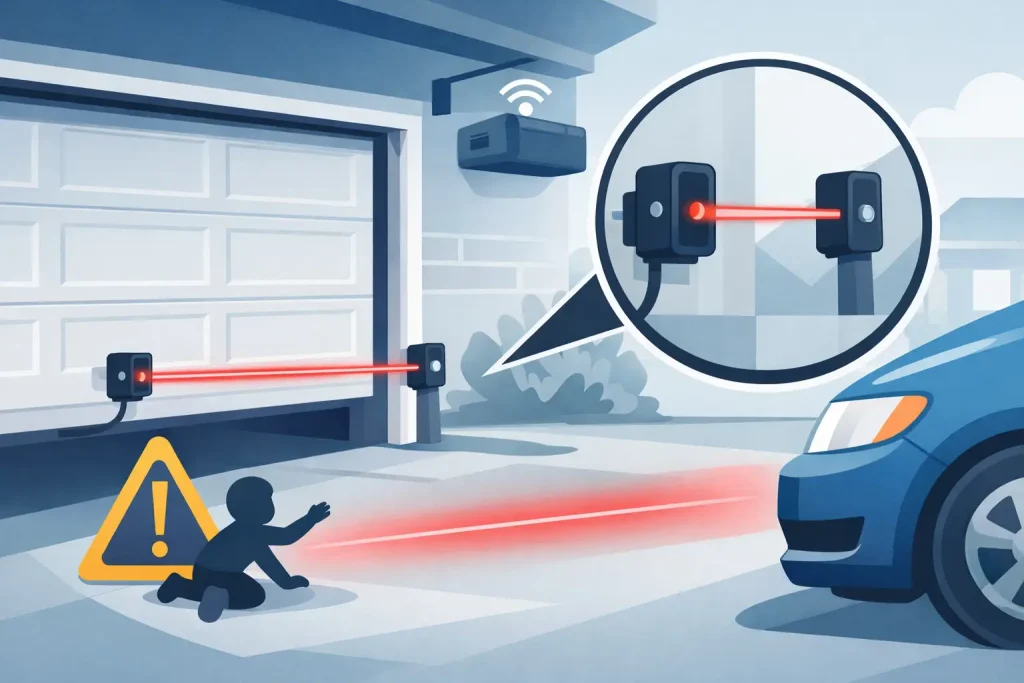
Garage doors are heavy moving systems, so safety equipment is never an area to cut corners. LiftMaster openers use photo-eye sensors near the bottom of the tracks to detect an obstruction in the door’s path. If the sensors are blocked, dirty, misaligned, or damaged, the door may refuse to close or reverse unexpectedly.
Many LiftMaster models also include automatic reversing functions, rolling-code technology for remote security, and battery backup options. Battery backup is particularly helpful during a power outage, allowing the opener to operate for a limited period when utility power is unavailable. It is a worthwhile feature for households that rely on the garage as their primary entrance.
Automatic close functionality can also be helpful, but it should be set thoughtfully. If kids, pets, deliveries, or vehicles regularly move through the garage area, make sure everyone understands the closing schedule and knows how to use the wall control. Safety sensors should be tested regularly, not ignored when they begin acting up.
Potential Drawbacks to Consider
LiftMaster is not always the cheapest route, especially when compared with basic retail opener packages. The initial price can be higher once professional installation, accessories, and any needed door repairs are included. For many customers, the value is in better fit, professional setup, and long-term dependability. But if you have a simple detached garage and only need basic operation, a premium smart opener may be more than you need.
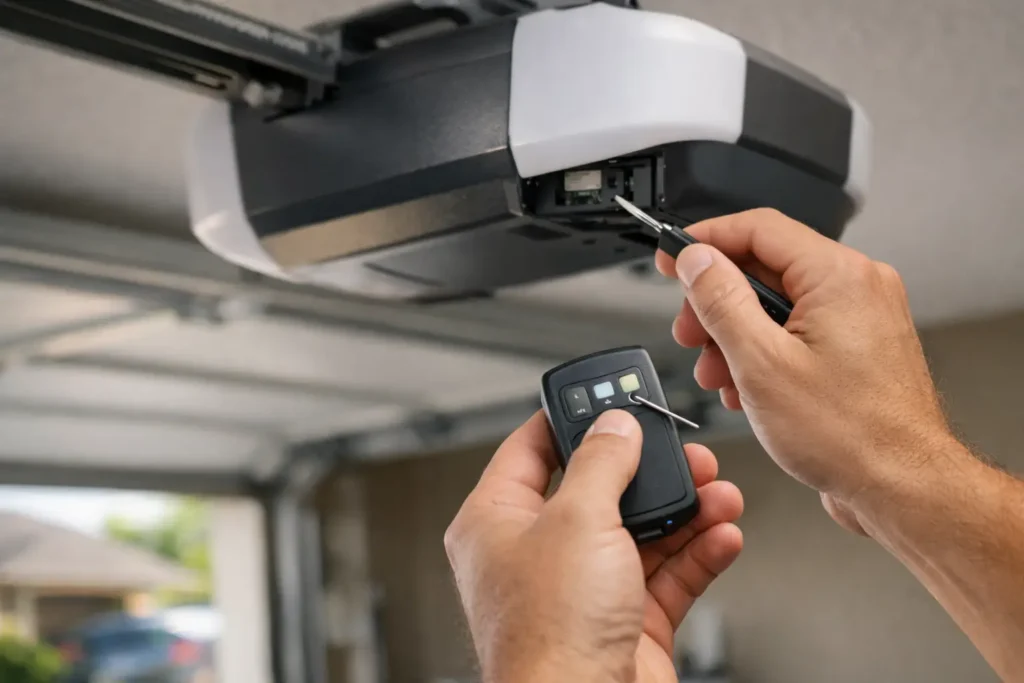
Replacement parts and compatible accessories also need to be matched carefully. A universal remote may work in some situations, but using the correct compatible controls helps avoid programming headaches. Older opener systems may require a different approach than newer Security+ models.
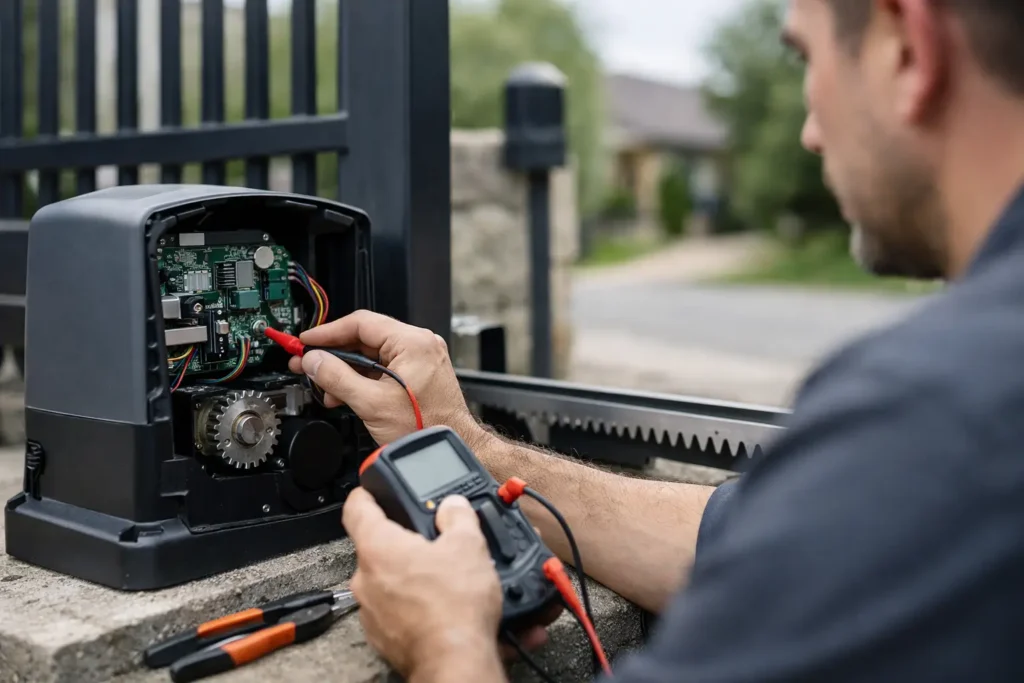
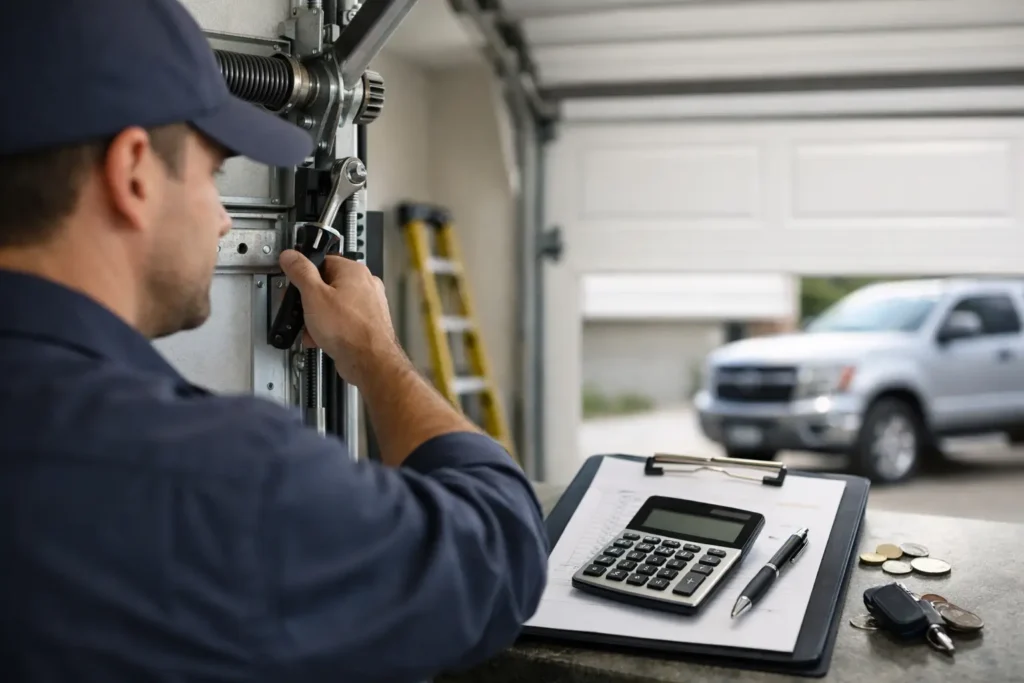
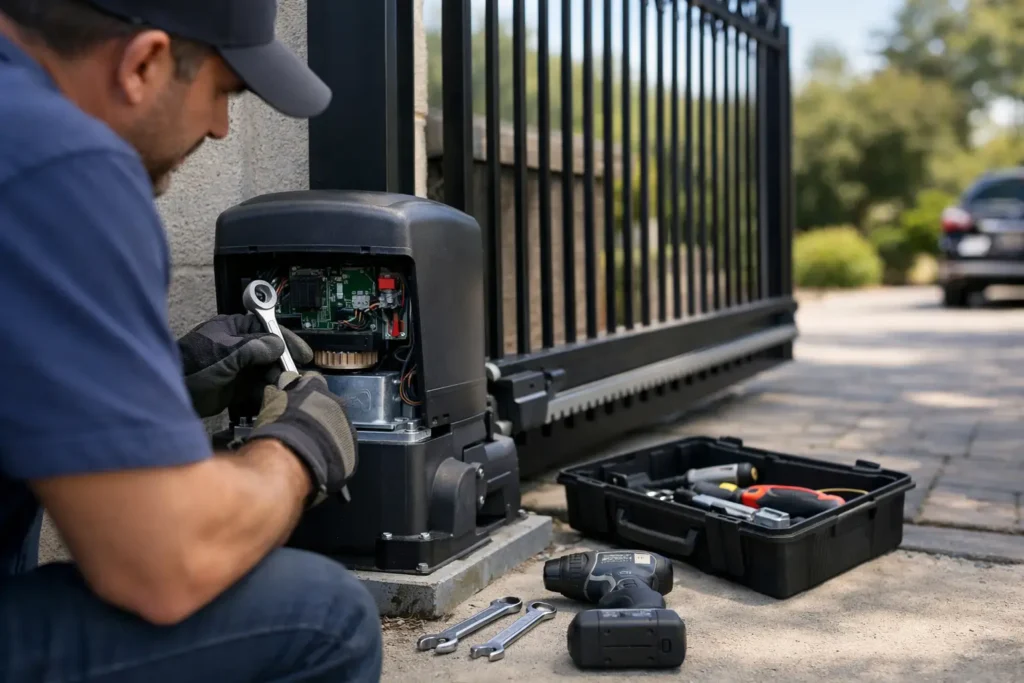
Another trade-off is that the quietest and most feature-rich openers can involve more electronics. That creates more convenience, but it also means troubleshooting may involve Wi-Fi connections, app settings, sensors, remotes, or control boards in addition to mechanical parts. When something stops working, a clear diagnosis is better than replacing parts at random.
Is a LiftMaster Opener Worth It?
For many homeowners, yes. LiftMaster is a strong option when you want quiet operation, smart access, dependable daily performance, and professional-grade safety features. It is especially well suited to attached garages, busy households, upgraded insulated doors, and customers who value being able to monitor access from their phone.
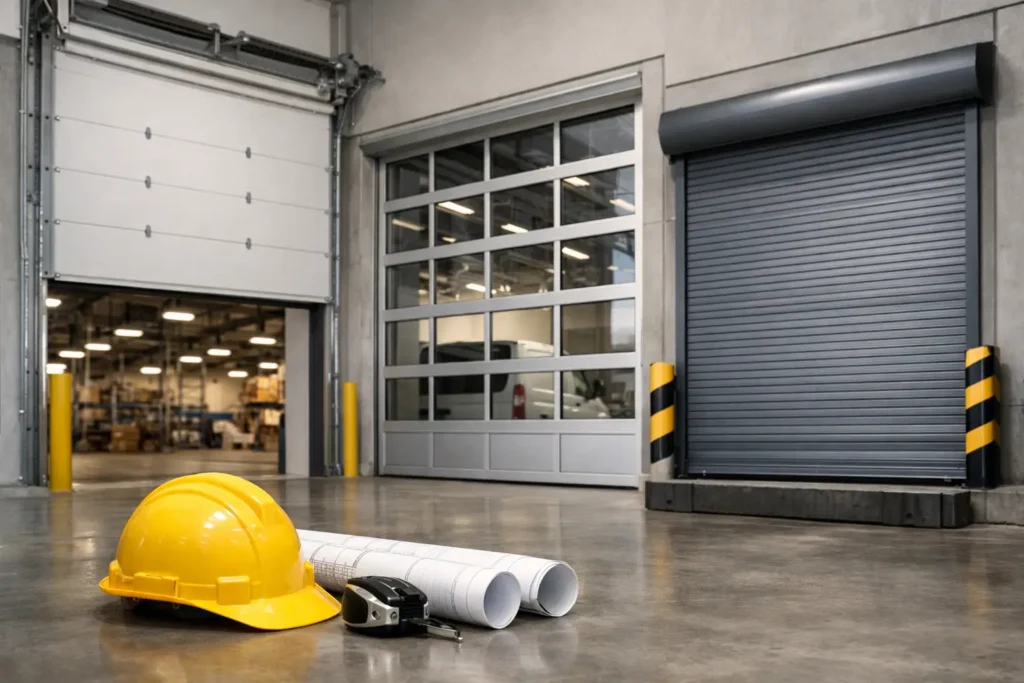
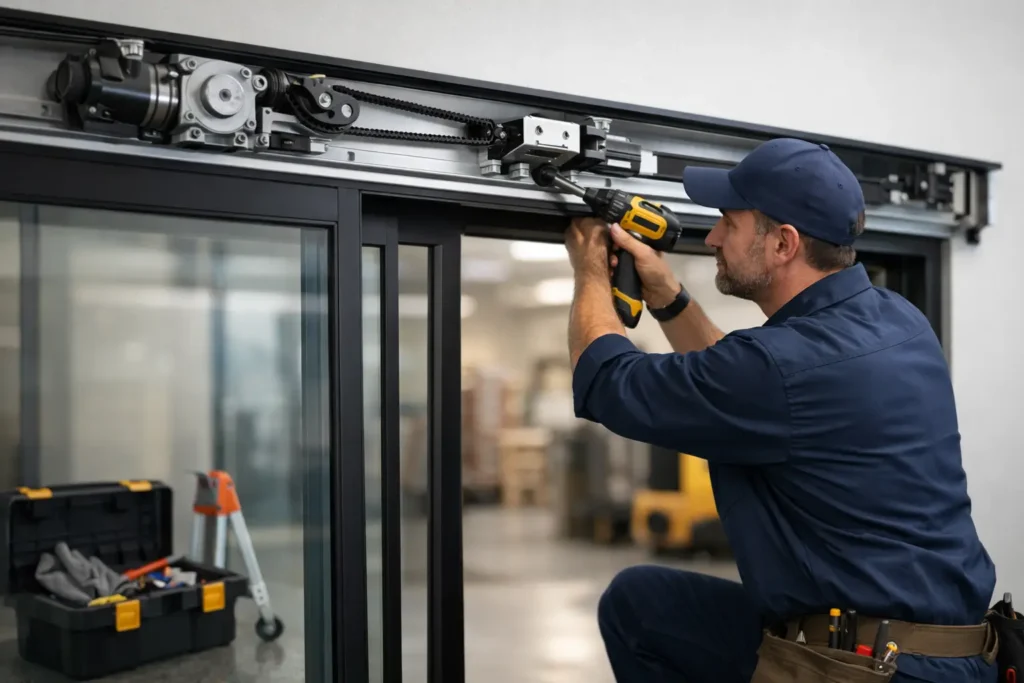
For small businesses and property managers, LiftMaster can also be a practical choice when paired with the correct commercial-grade equipment. The key is selecting an operator designed for the door’s size, weight, and opening cycle. A residential opener should not be pushed into a commercial job it was never designed to handle.
The right opener should make your day easier without becoming another thing to worry about. If your current unit is loud, unreliable, lacks safety features, or is struggling with your door, Riggs Rescue AZ can inspect the full system, explain the options clearly, and help you choose a solution with no surprises. A garage door that opens safely and consistently is one of those home upgrades you appreciate every single day.