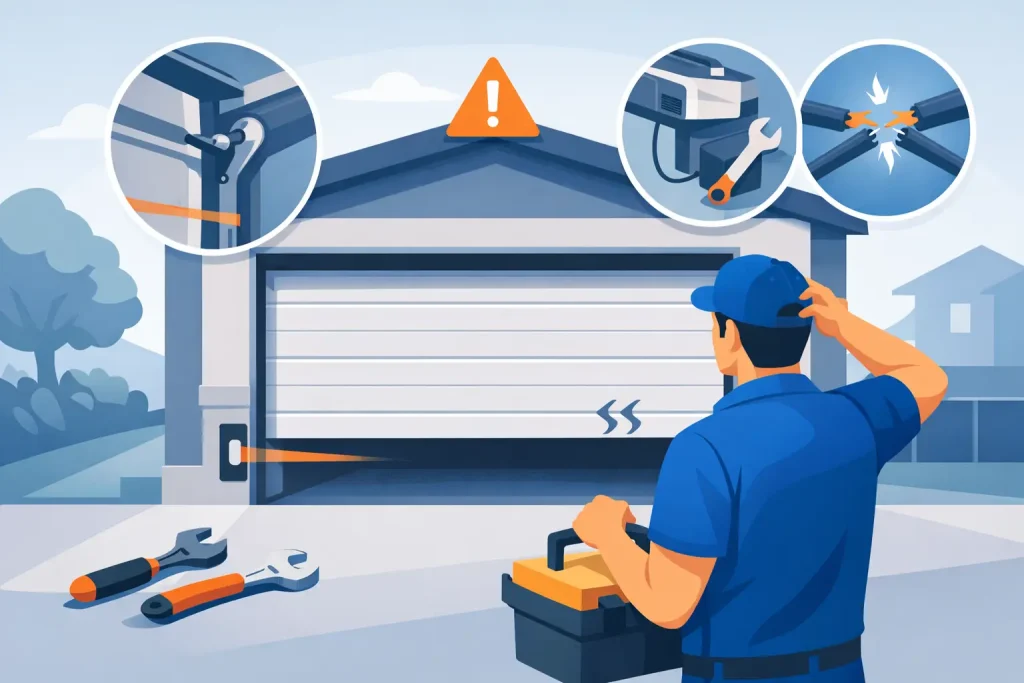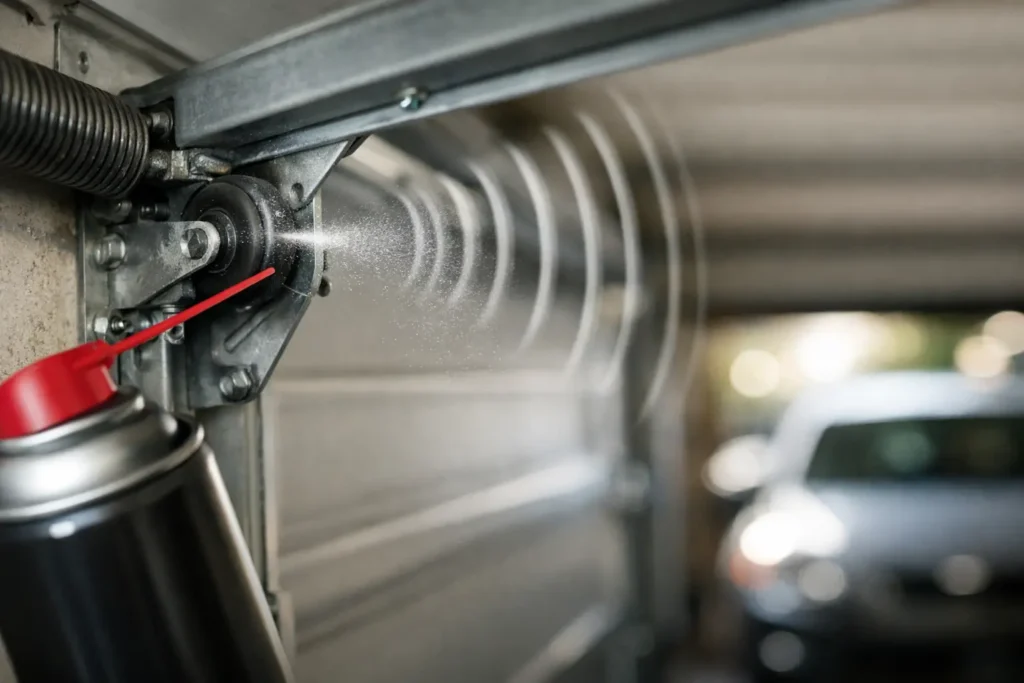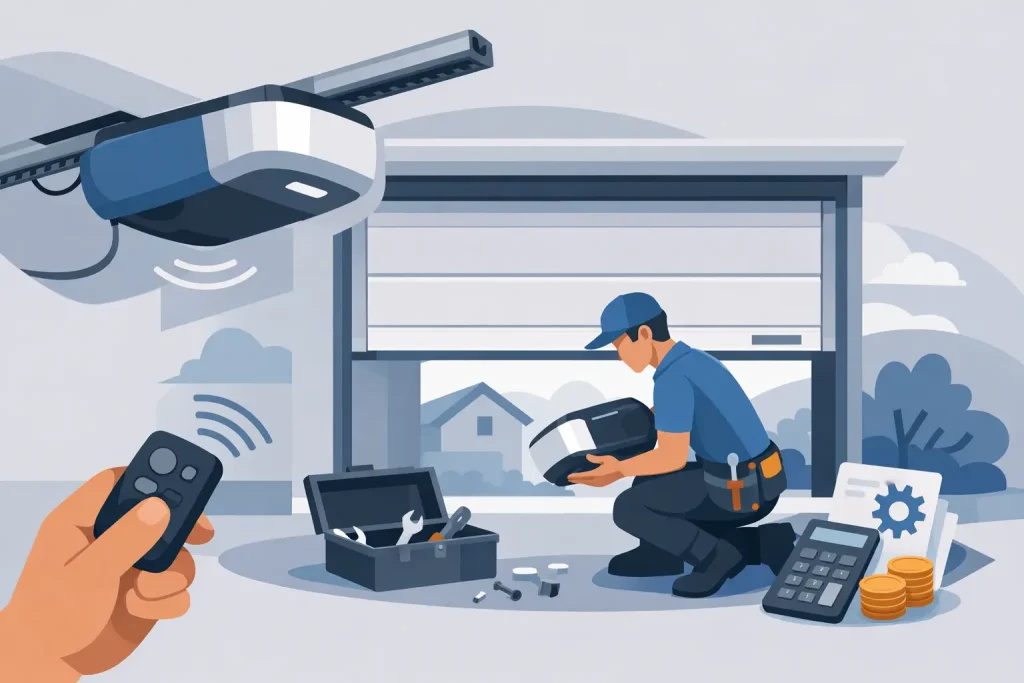
A dented garage door panel can look like a simple cosmetic problem until the door starts rubbing, shaking, or refusing to close evenly. This garage door panel damage guide helps homeowners and business owners separate a minor eyesore from damage that can affect safety, security, and the life of the entire door.
In the East Valley, panel damage often happens fast: a vehicle backs out too soon, a basketball hits the door repeatedly, wind catches an open door, or a delivery vehicle misjudges clearance. The right response depends on more than the size of the dent. Where the damage sits, what the door is made of, and how the door operates afterward all matter.
What Garage Door Panel Damage Can Tell You
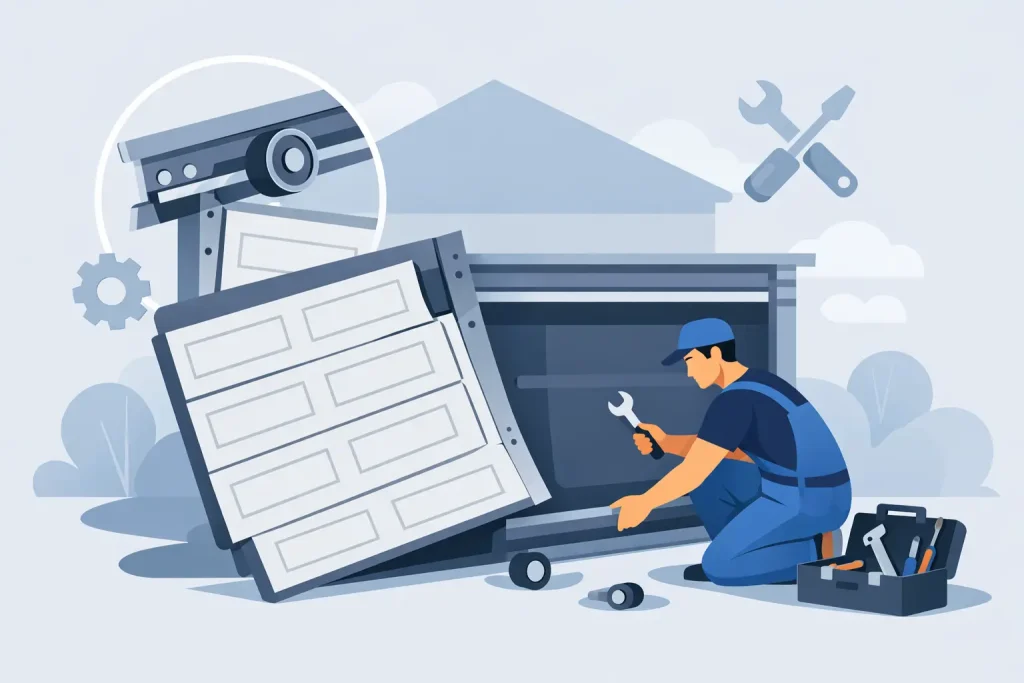
Garage door panels are not just decorative sections. Together, they give the door its shape and help it move in a straight, balanced path along the tracks. A single damaged panel may be repairable, but a bent panel can also put uneven pressure on hinges, rollers, tracks, and the opener.
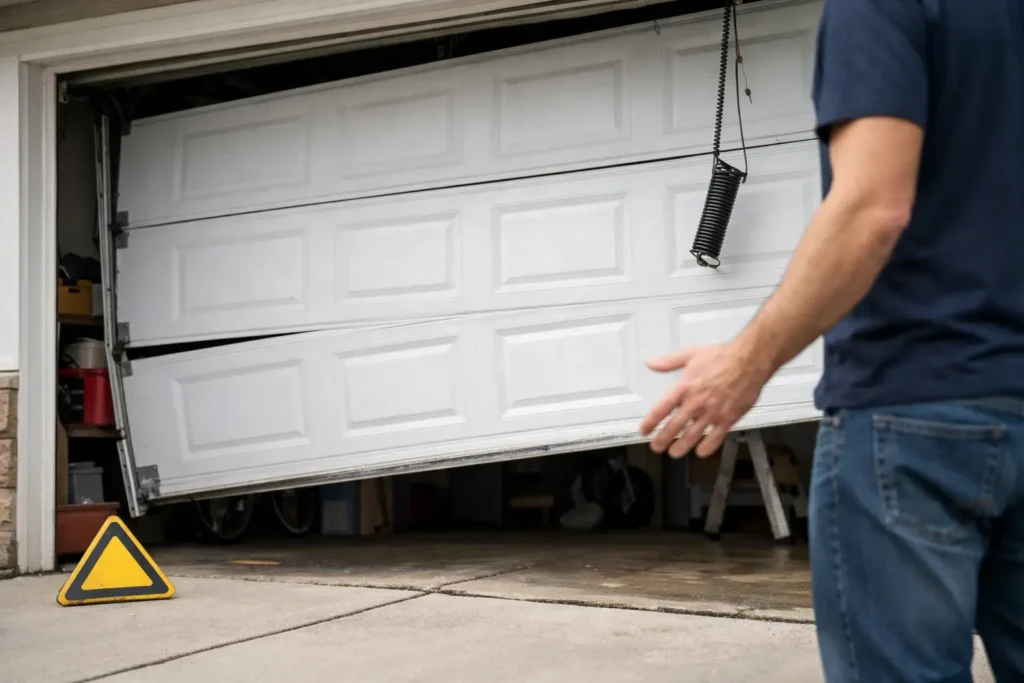
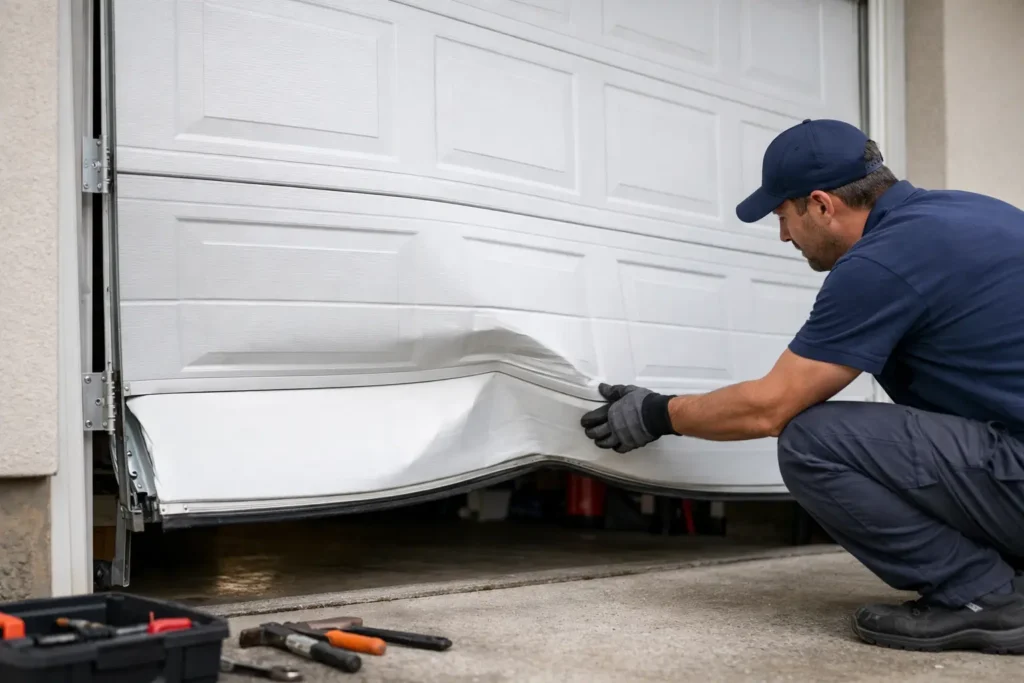
Start by looking at the door while it is closed. A shallow dent with no cracked paint, loose hardware, or gaps around the panel may be largely cosmetic. If the panel is creased, bowed, split, rusted through, or pulling away from the hinges, it deserves a closer inspection.
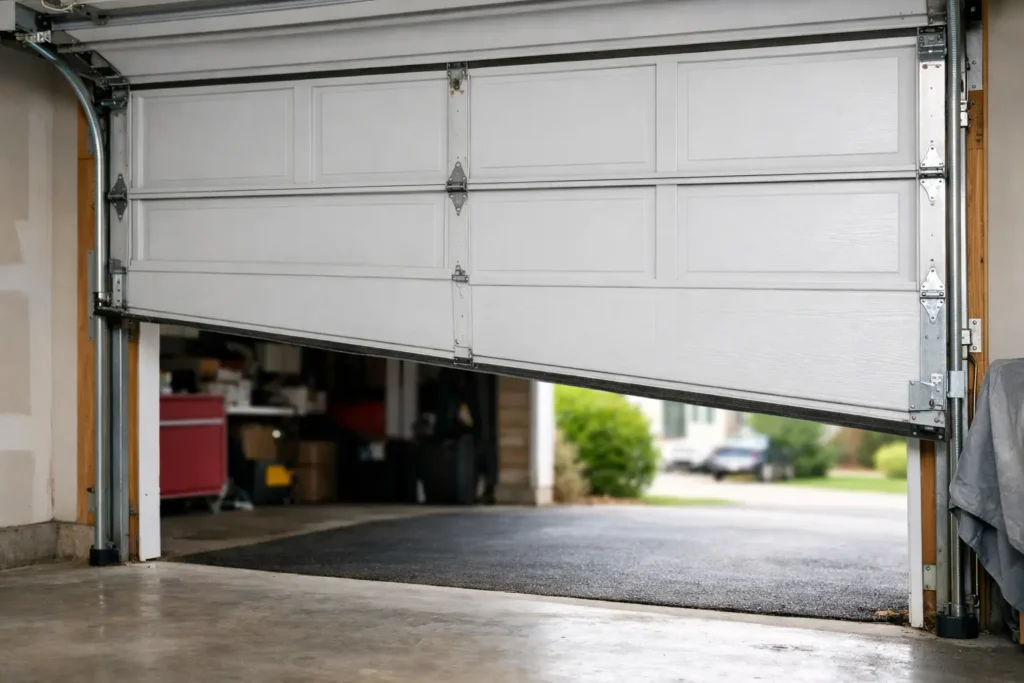
Then watch the door operate from a safe distance. A door that moves smoothly and seals evenly may only need a cosmetic repair or panel replacement. A door that jerks, scrapes, makes new noises, or stops partway is telling you the problem may extend beyond the panel itself.
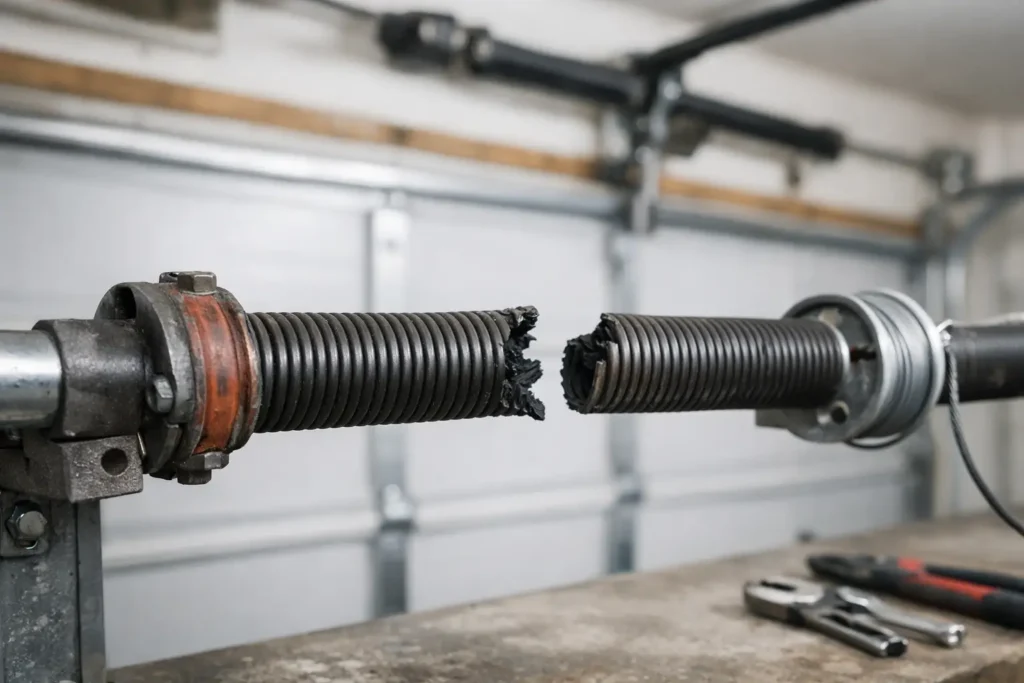
Never stand beneath a moving damaged door or try to force it open. A garage door is heavy, and its springs and cables are under extreme tension.
Common Types of Panel Damage
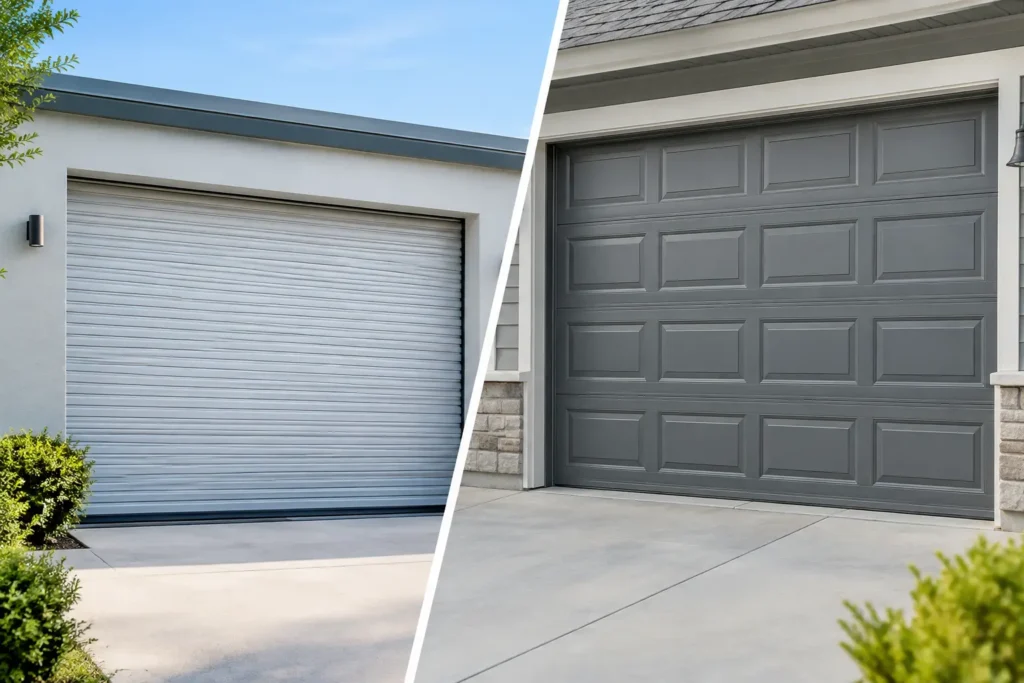
The material and construction of your garage door affect what can be repaired. Steel doors are common across Gilbert, Chandler, Mesa, and nearby communities because they are durable and relatively low-maintenance. Still, they can dent or crease after impact.
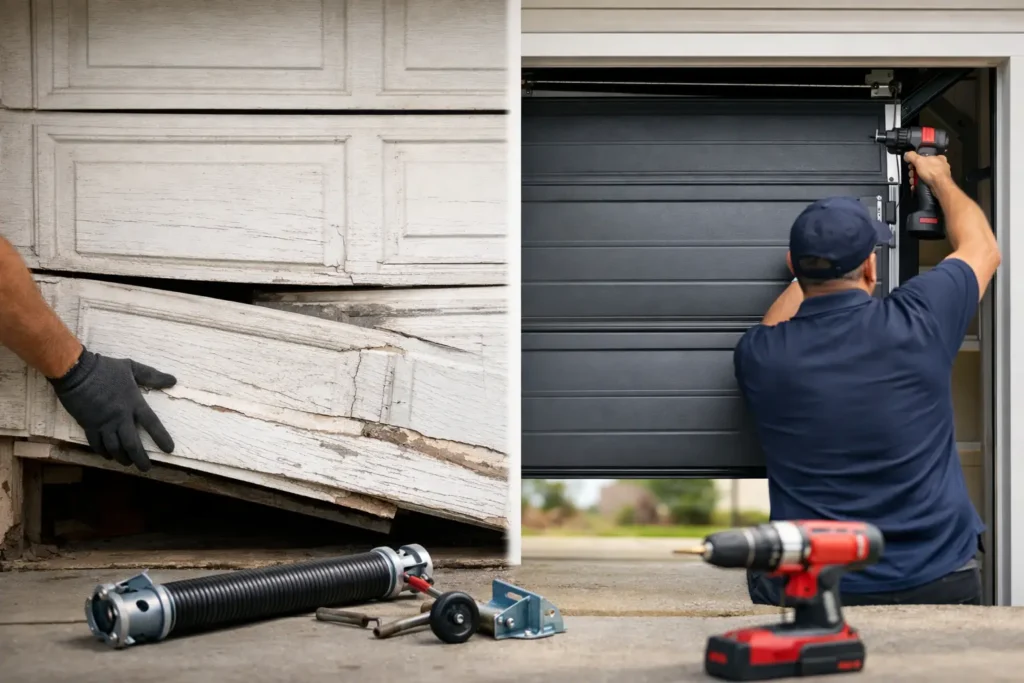
A small, shallow dent in a steel panel may sometimes be improved with a careful cosmetic repair. But deep creases are different. Once metal has sharply folded, it usually loses its original strength and shape. Pulling the dent outward may make the appearance better while leaving the panel weaker than before.
Aluminum panels are lighter, but they can bend more easily and may not return to shape cleanly. Wood doors can crack, split, swell, or rot, especially where paint or sealant has failed. Composite and insulated doors may hide damage inside the panel, including crushed insulation or separated inner and outer layers.
Glass-window sections need special attention. Even if the glass is intact, an impact can bend the surrounding frame and create gaps that allow dust, heat, or moisture into the garage.
When a Damaged Panel Can Be Repaired
A repair is often a reasonable option when the damage is minor and the door still operates correctly. Surface scratches, small paint chips, light rust beginning at a scratch, or a shallow dent may not require a full panel replacement.
For cosmetic issues, a technician may be able to address the finish, stabilize a small area, tighten hardware, or assess whether gentle panel reshaping is worthwhile. The goal should not be to make a compromised panel look perfect at any cost. It should be to keep the door safe, functional, and protected from further damage.
Repair also makes sense when the panel itself is sound but the impact knocked a roller loose, bent a hinge, or shifted a section slightly out of alignment. Fixing those connected components early can prevent a small issue from turning into a track, cable, or opener problem.
If you are considering a do-it-yourself dent fix, be cautious. Online tricks involving heat, suction, hammers, or force can damage the panel finish, insulation, and internal reinforcement. They can also hide a crease that continues to flex each time the door opens. A quick evaluation first can save money and frustration.
When Panel Replacement Is the Better Call
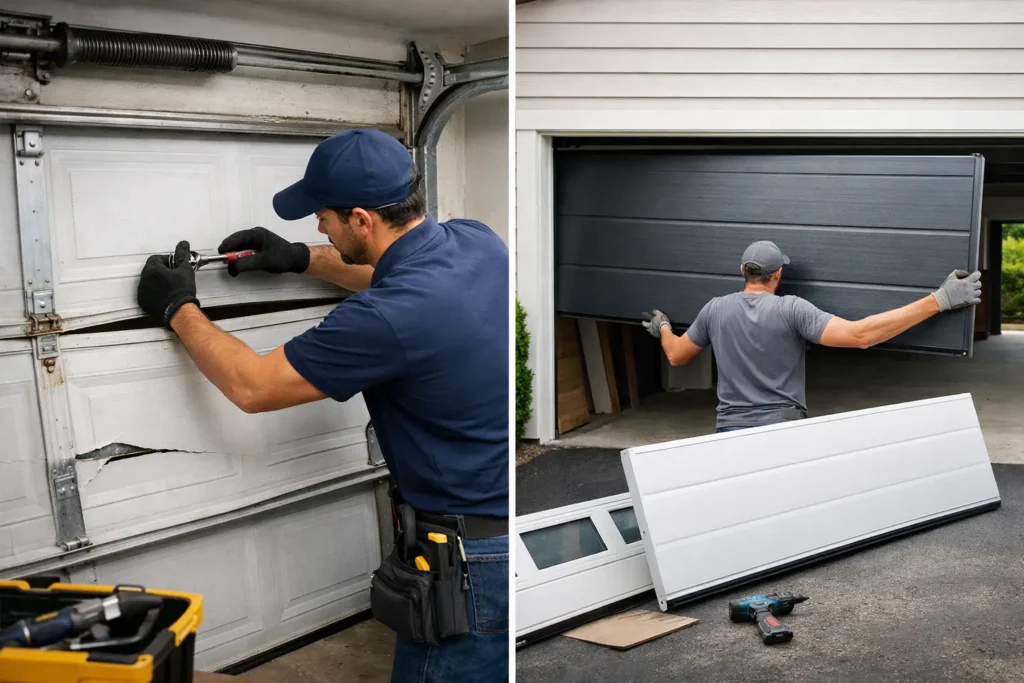
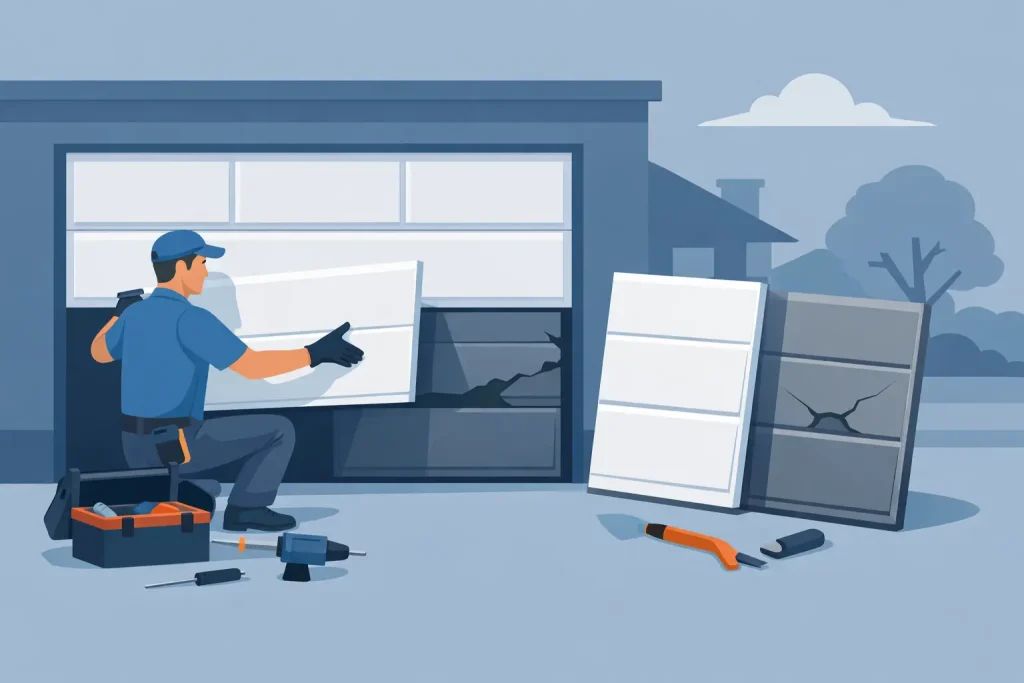
Replacement is usually the safer choice when a panel is deeply creased, cracked, badly bent around a hinge, corroded through, or no longer lining up with the sections above and below it. It is also the better option when the door has begun binding in the tracks or leaves a visible gap when closed.
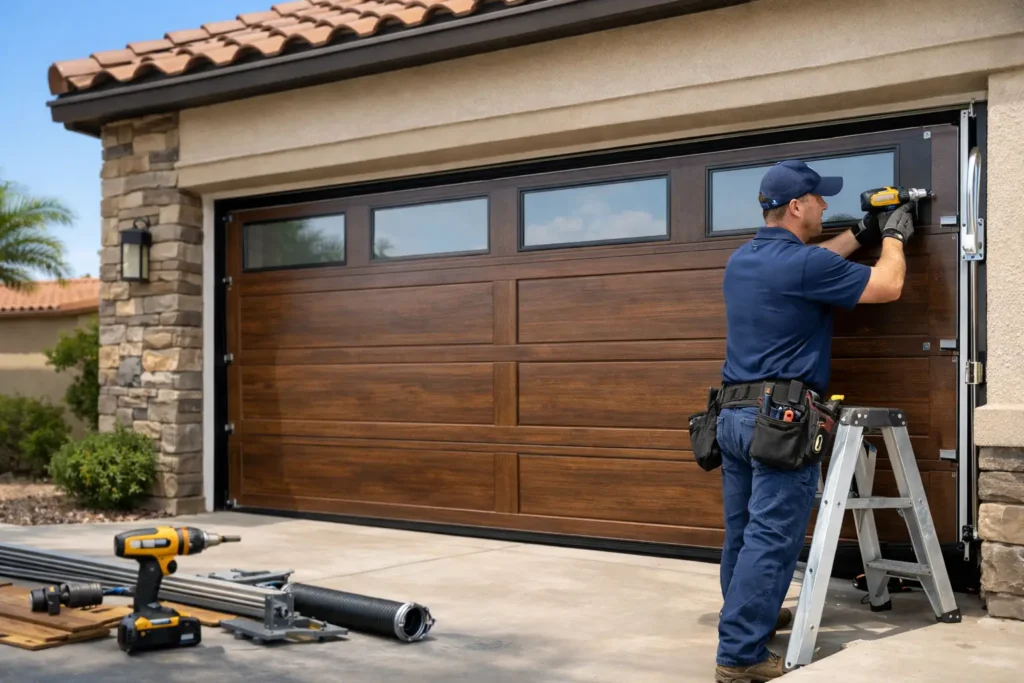
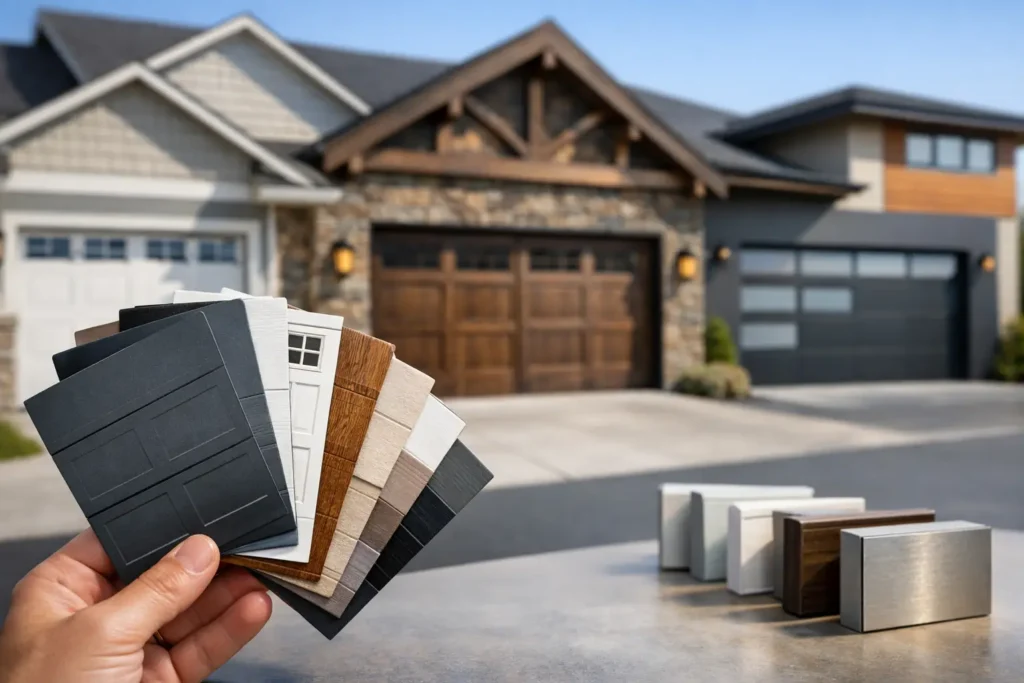
A single-panel replacement can be cost-effective if the manufacturer still makes a matching section and the rest of the door is in good condition. That depends on the door model, color, insulation level, window layout, and panel design. A replacement panel that does not match can stand out more than many homeowners expect, especially after years of Arizona sun exposure have faded the original finish.
Sometimes replacing one panel is possible but not the best value. If several sections are damaged, the door is older, parts are discontinued, or the insulation is poor, replacing the entire door may make more financial sense over time. A new door can improve curb appeal, weather protection, security, and daily reliability all at once.
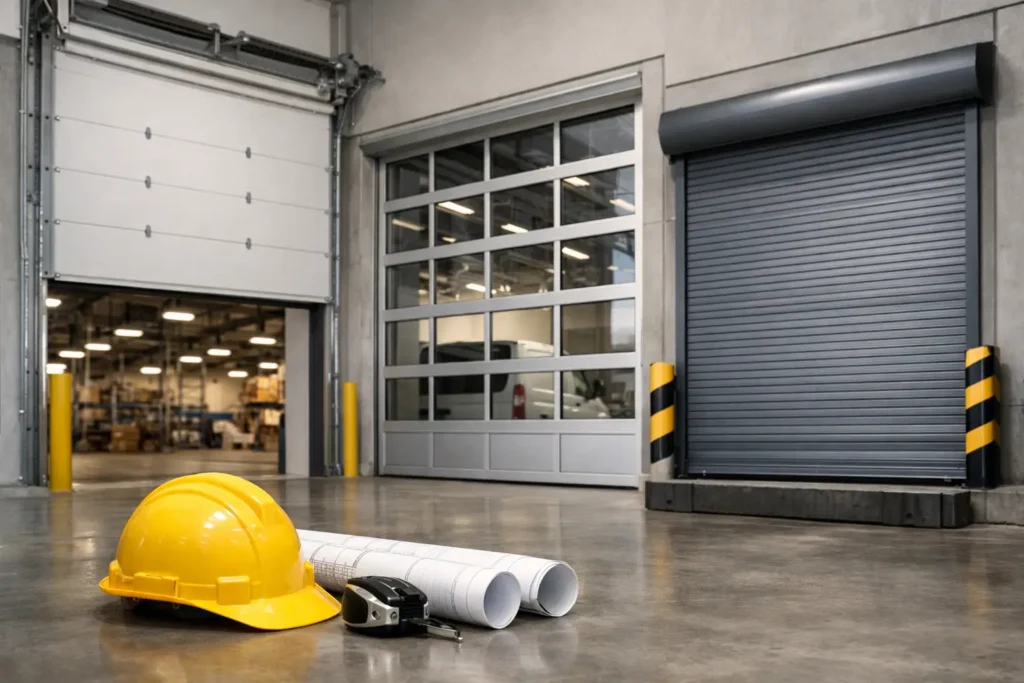
For commercial properties, the decision may be even more time-sensitive. A bent sectional door can affect deliveries, employee access, inventory protection, and the ability to secure the building after hours. In that situation, the priority is restoring safe operation quickly while choosing a repair that will hold up to regular use.
Garage Door Panel Damage Guide: Signs to Stop Using the Door
Some panel damage requires immediate professional service rather than another test run. Stop operating the door if you notice any of these warning signs:
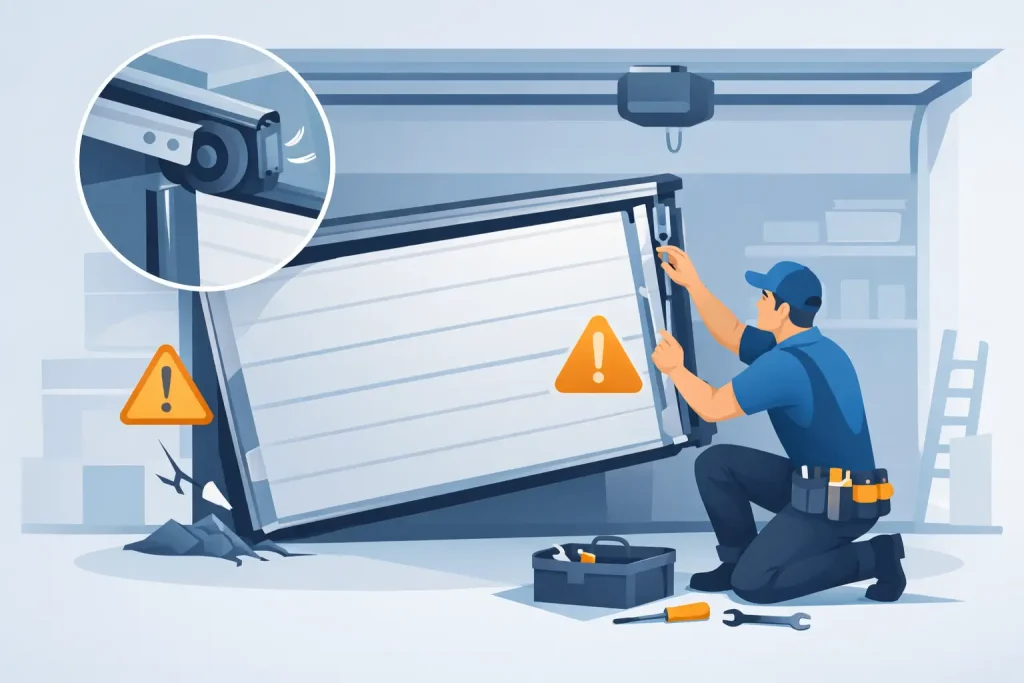
- The door is hanging crooked or one side sits lower than the other.
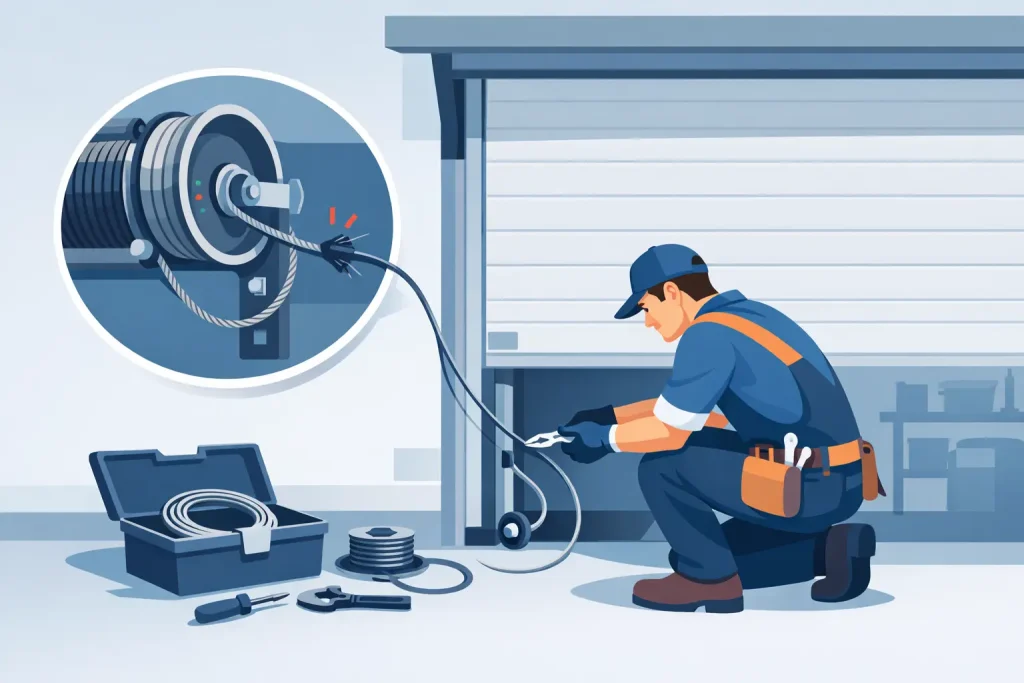
- A cable is loose, frayed, or has come off the drum.
- The tracks are bent, separated from the wall, or visibly out of line.
- The door will not stay open, drops quickly, or reverses unexpectedly.
- A panel has separated near a hinge or is folding as the door moves.
- You hear a loud bang, grinding, or repeated scraping during operation.
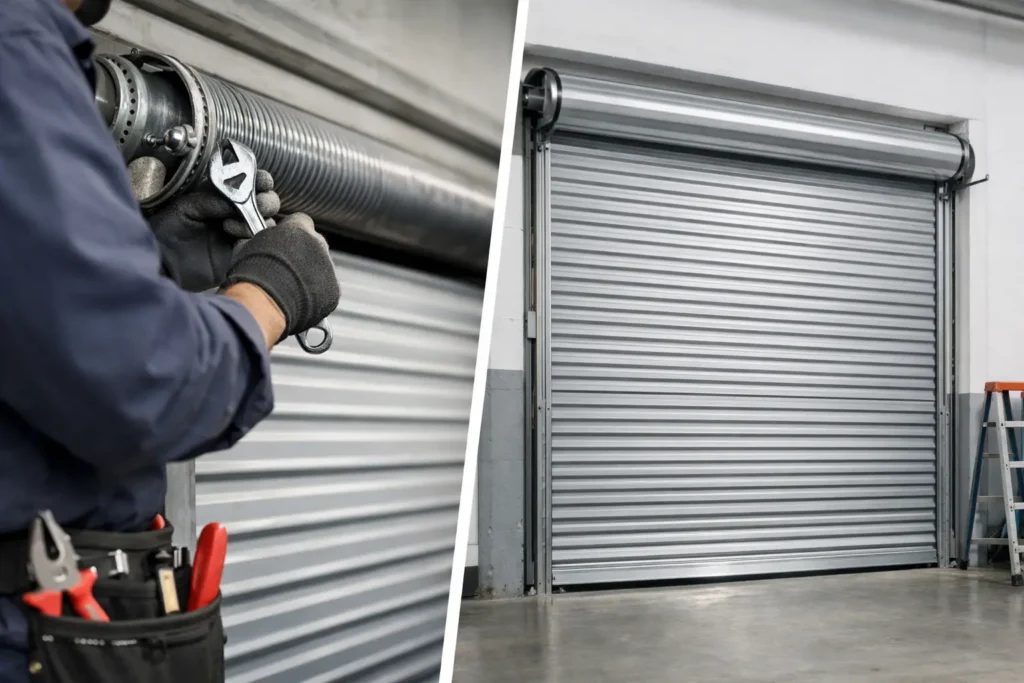
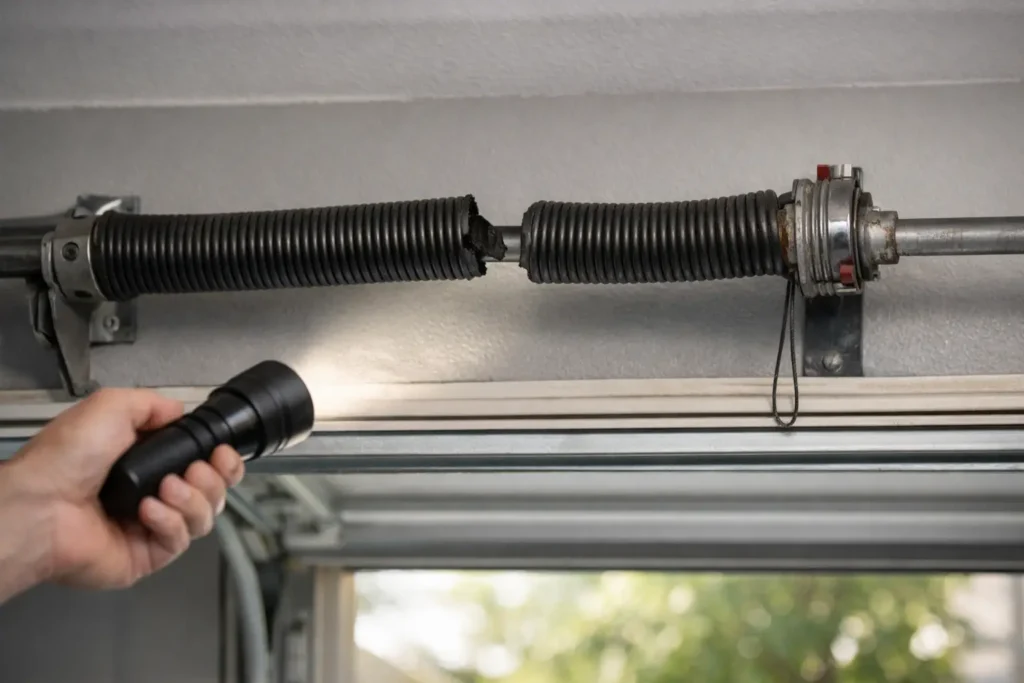
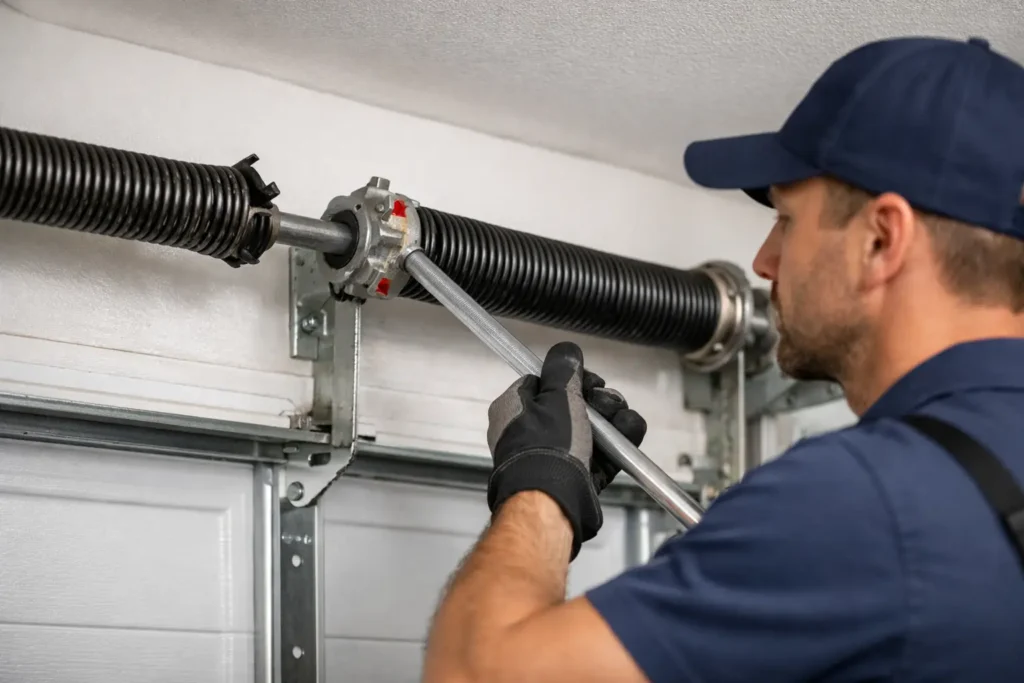
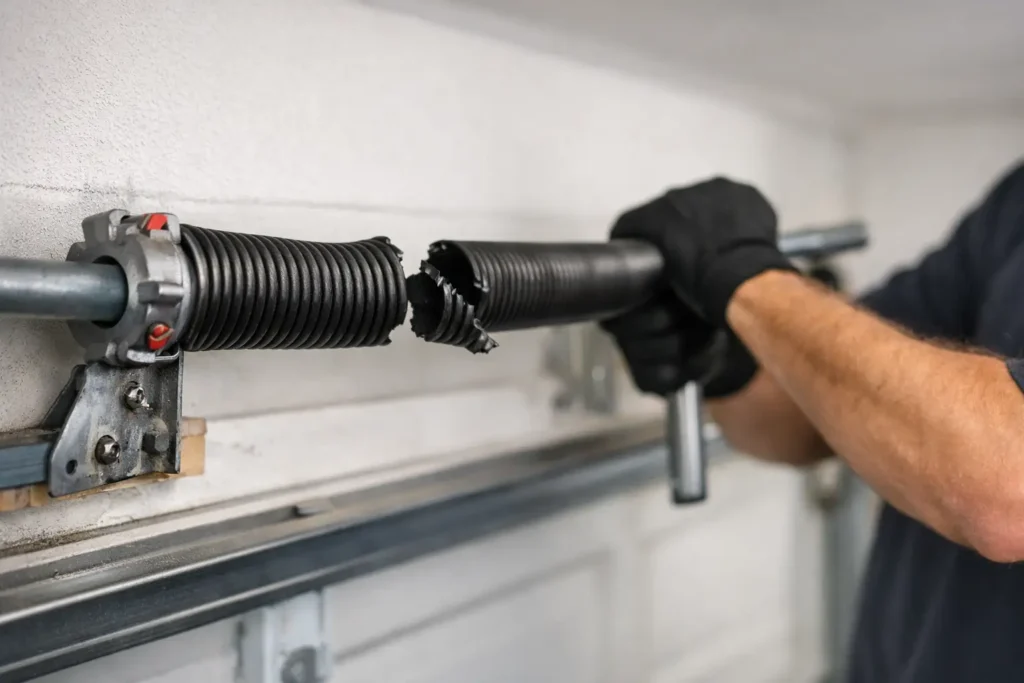
Do not try to reset a cable or adjust a spring yourself. Those parts are under high tension and can cause serious injury when handled without the right tools and training. If the door will not close securely, keep people away from the opening and arrange service as soon as possible.
How to Protect the Rest of the Door After an Impact
Once you spot damage, avoid repeatedly cycling the door to see whether it will work. One careful visual check is useful. Running a misaligned door over and over can turn a replaceable panel into damage to the rollers, hinges, tracks, and opener.
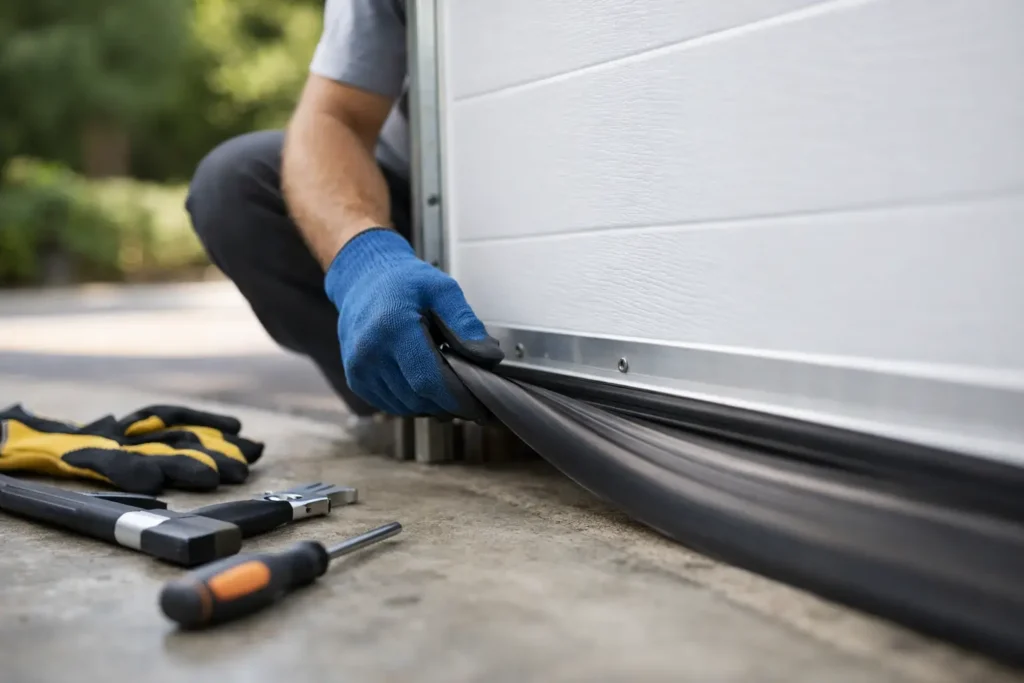
If the door closes fully and moves normally, keep an eye on the damaged area for new cracks, paint loss, or rust. Clean off dirt and moisture, especially around exposed metal edges. If the finish has been scratched, addressing it promptly can help prevent corrosion.
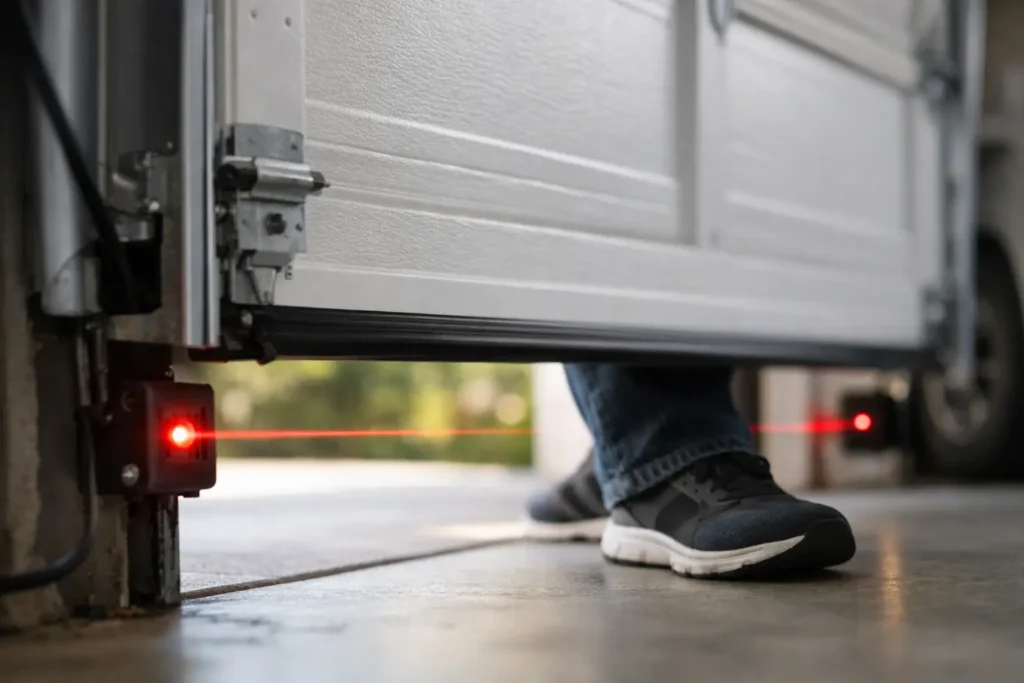
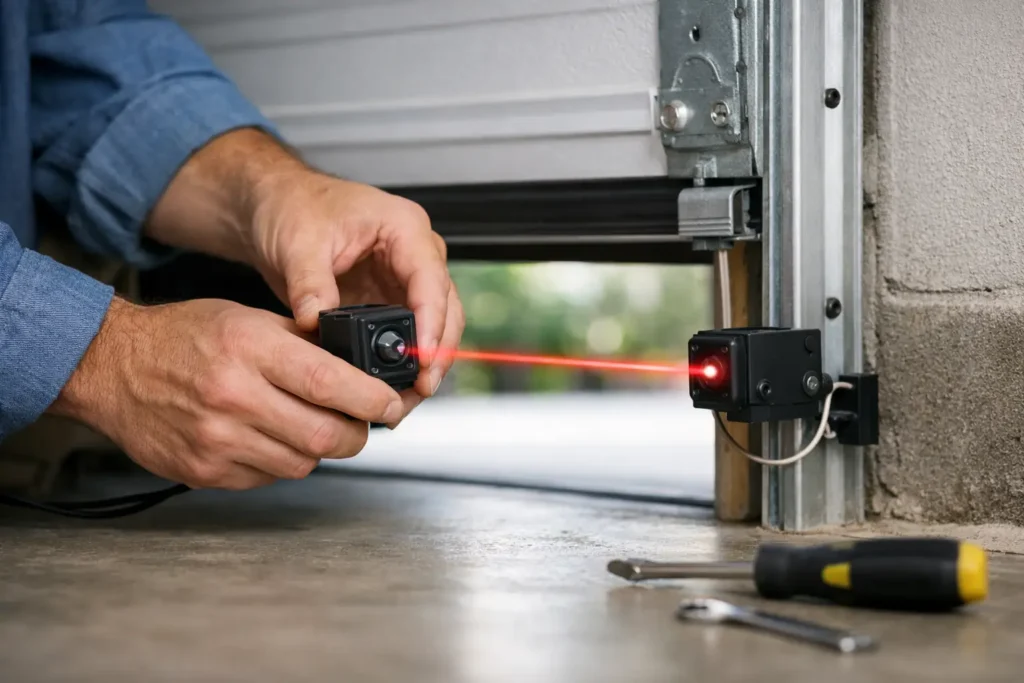
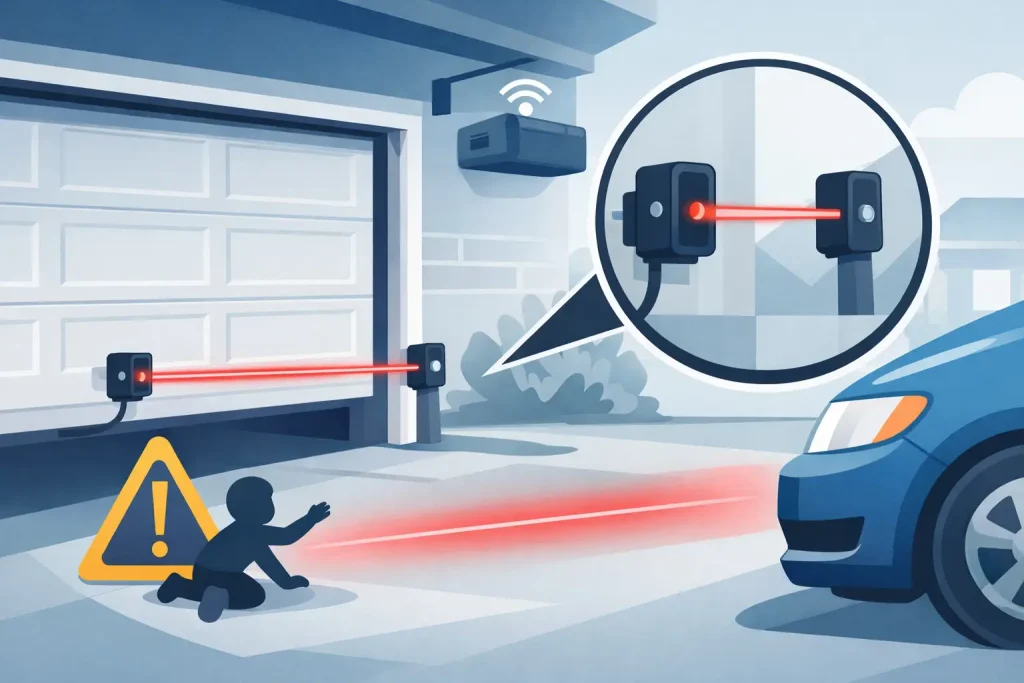
It is also smart to check the photo-eye sensors near the bottom of the tracks after an impact. A bump to the door can shift nearby components, and sensors that are blocked or out of alignment can prevent the door from closing properly. Keep the sensor lenses clean and make sure nothing is stored in their path.
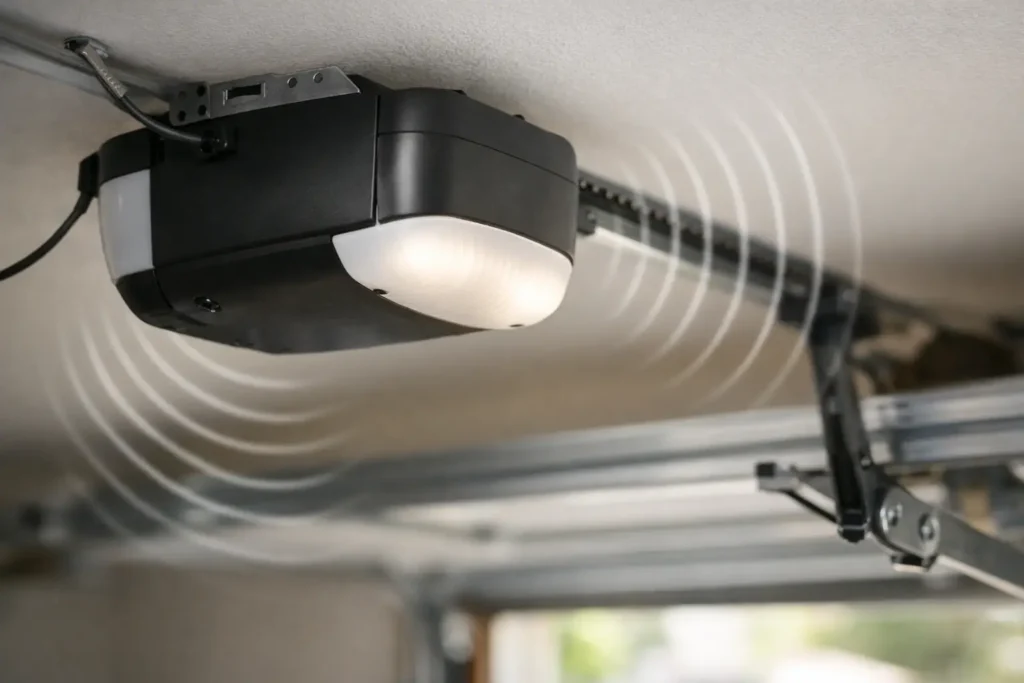
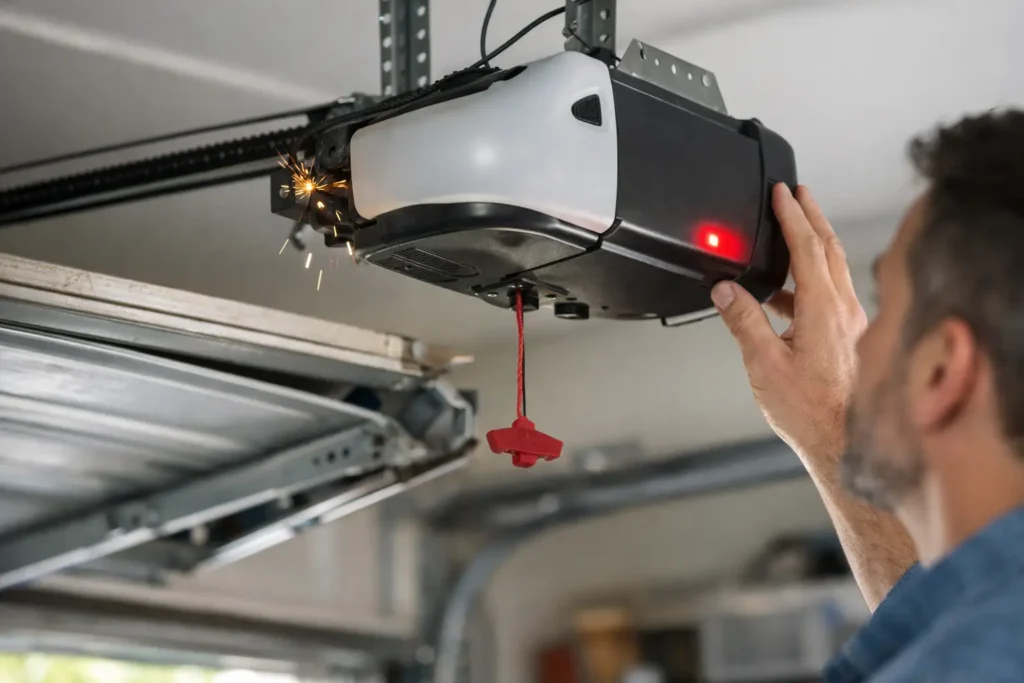
Most importantly, do not use the opener to overpower a damaged door. An opener is designed to move a balanced door, not compensate for bent sections or failing hardware. Forcing it can strain the motor and shorten the life of the system.
Get a Clear Answer Before You Commit
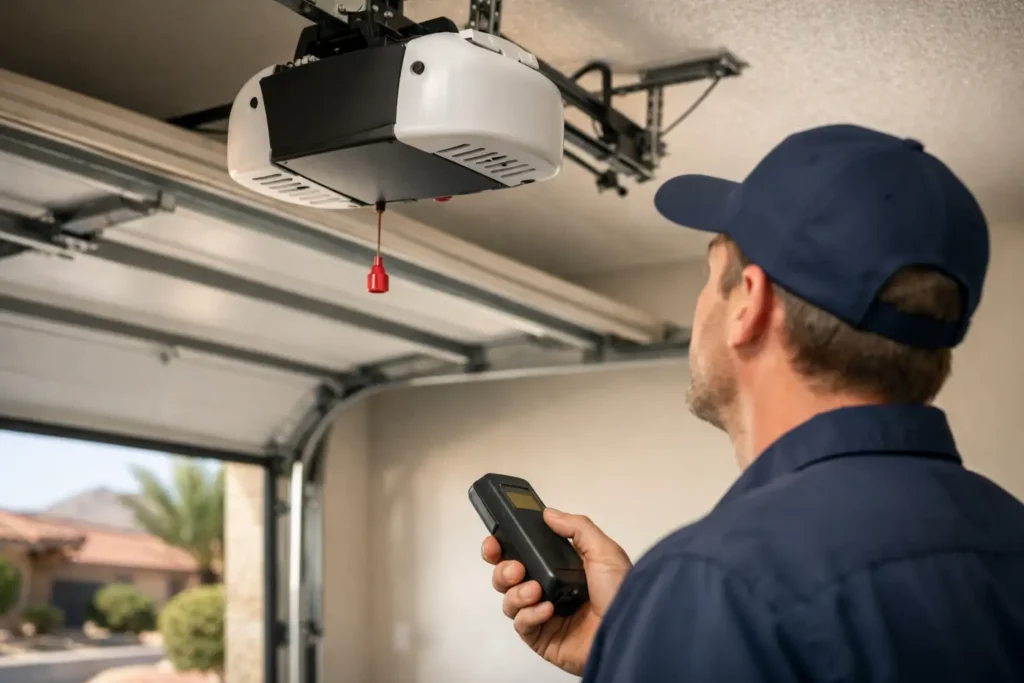
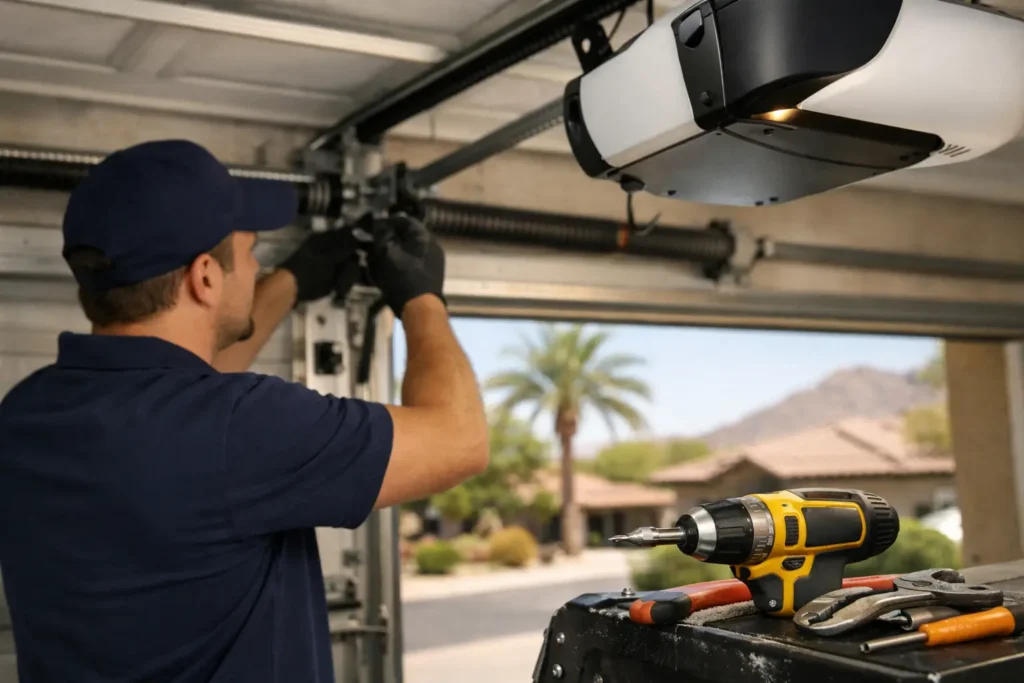
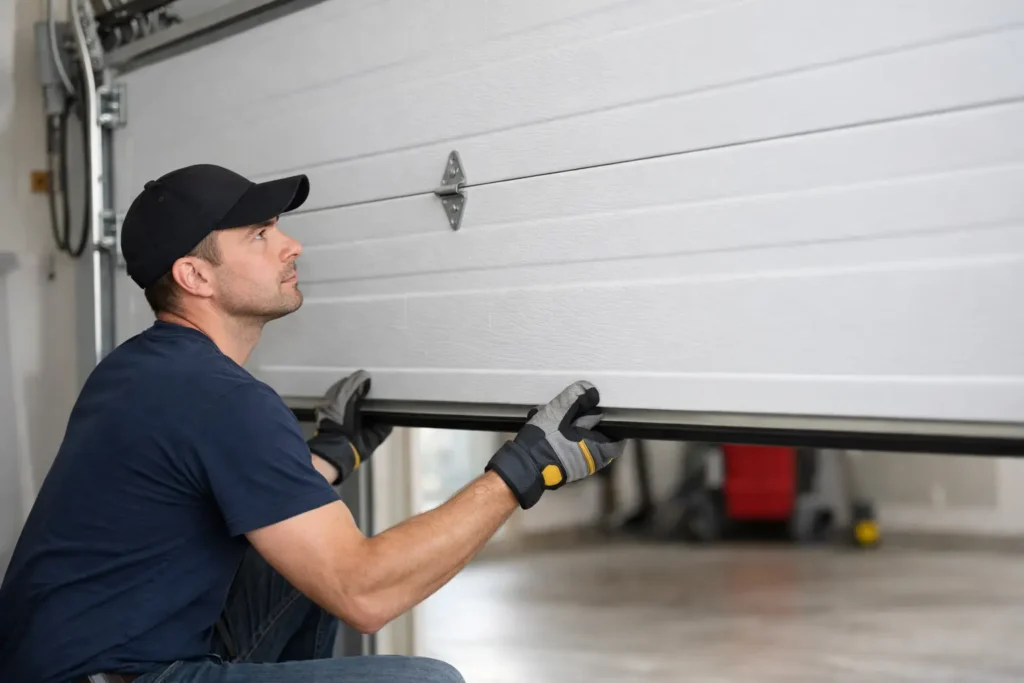
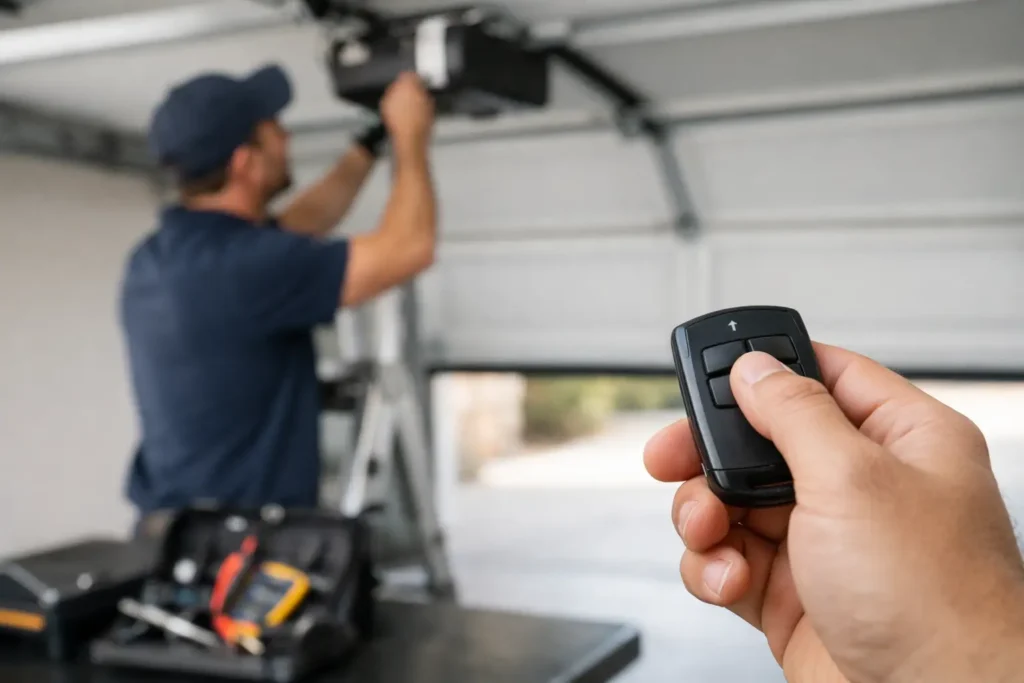
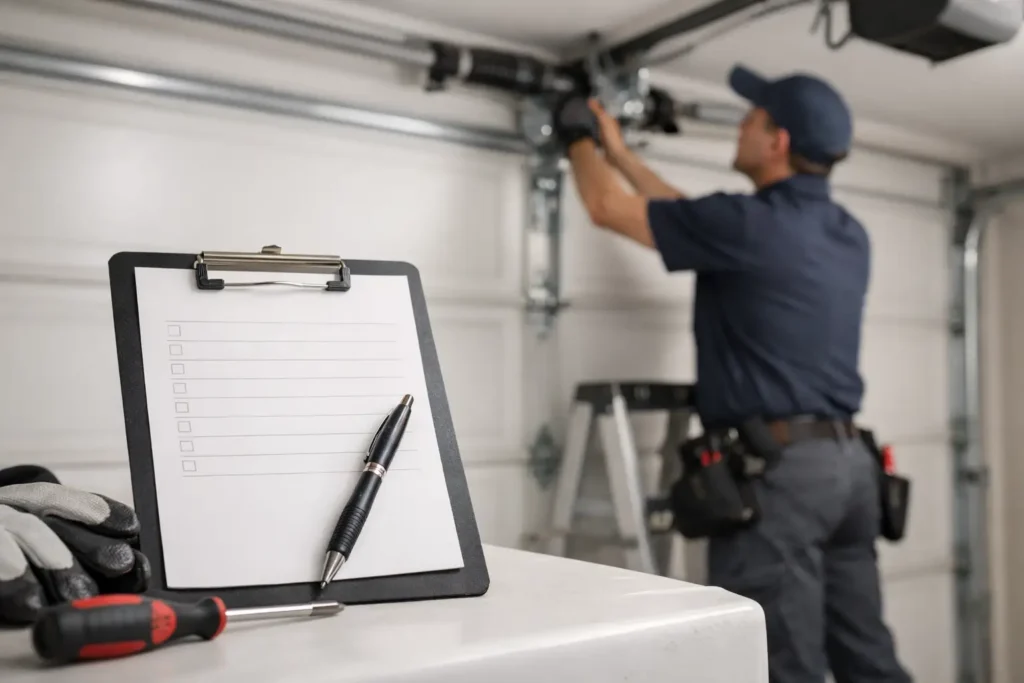
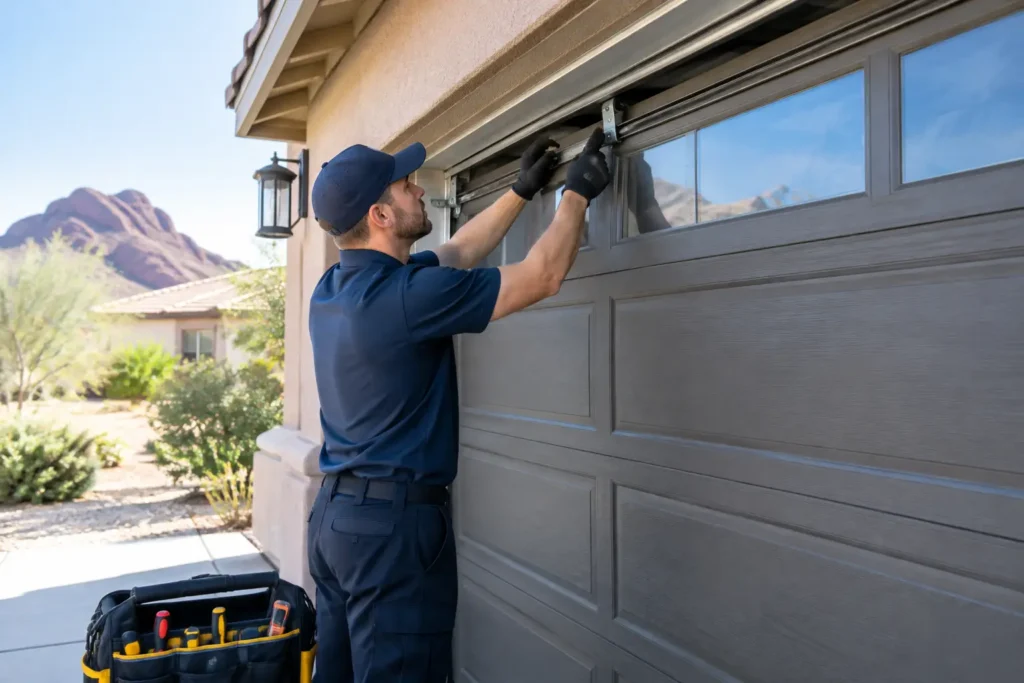
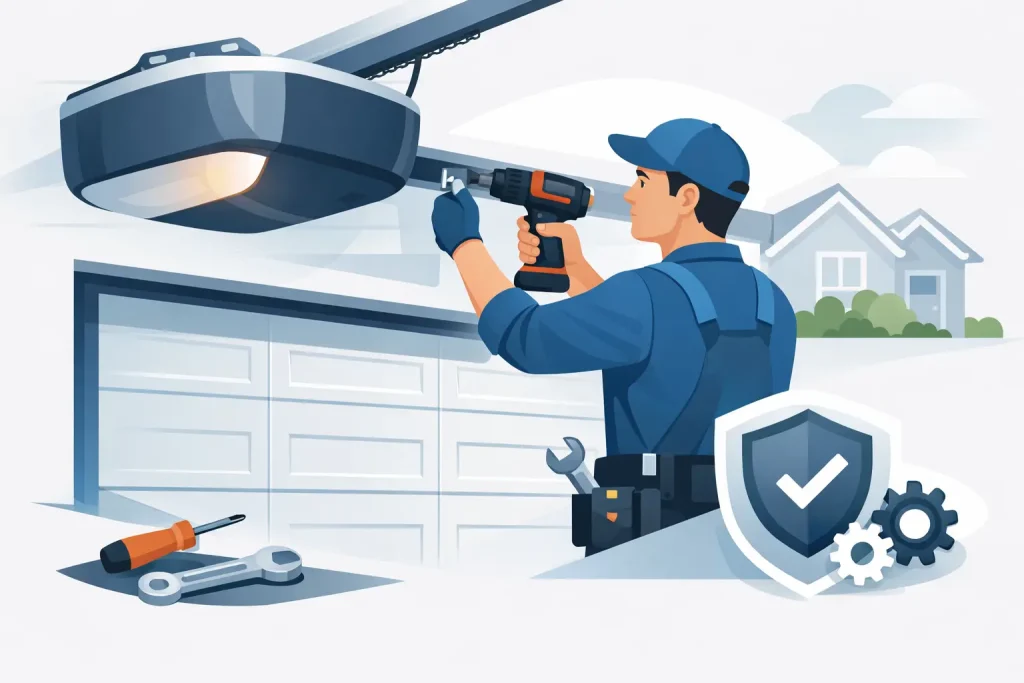
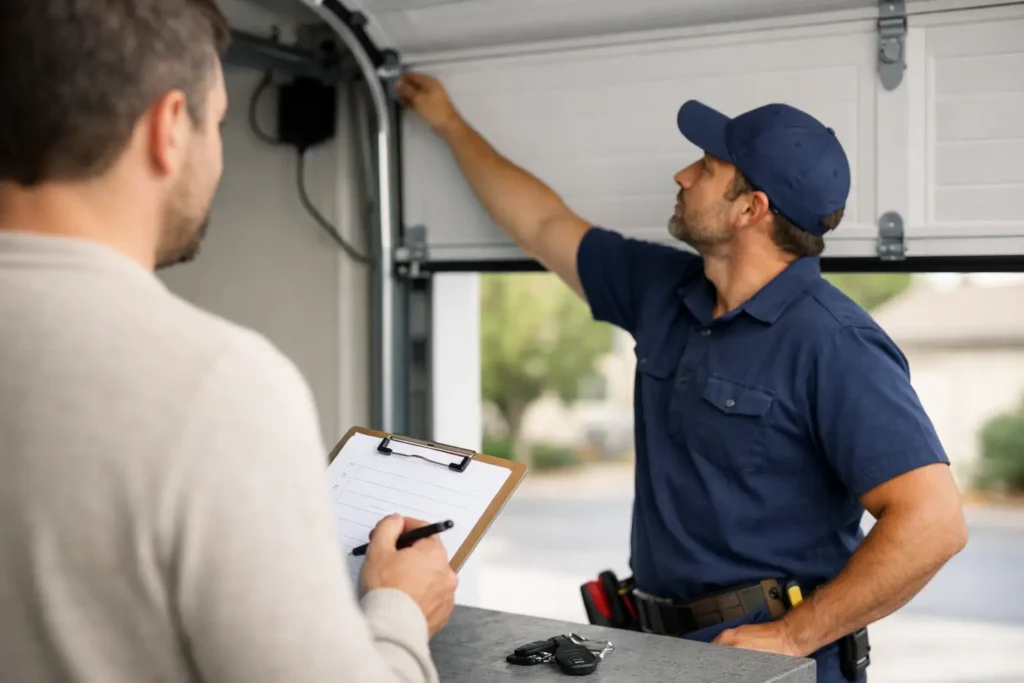
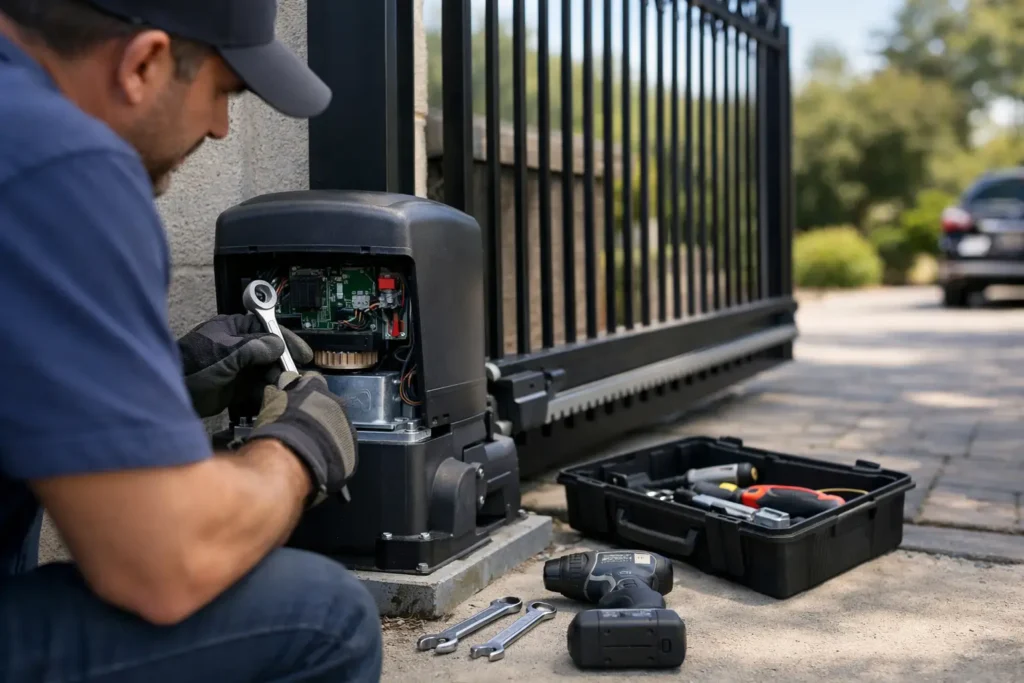
The best next step is a hands-on inspection that looks beyond the dent. A qualified garage door technician can check panel integrity, hinges, rollers, tracks, balance, and opener operation, then explain whether repair, a replacement panel, or a new door is the most practical option.
Riggs Rescue AZ keeps the process straightforward: clear recommendations, transparent pricing, and no pressure to replace more than the situation calls for. For homeowners and business owners, that means you can make the decision based on safety, appearance, and long-term value instead of guesswork.
A damaged panel does not always mean a new garage door. But when the door is showing signs of strain, acting quickly can protect your property, avoid a larger repair, and get your daily routine back on track.