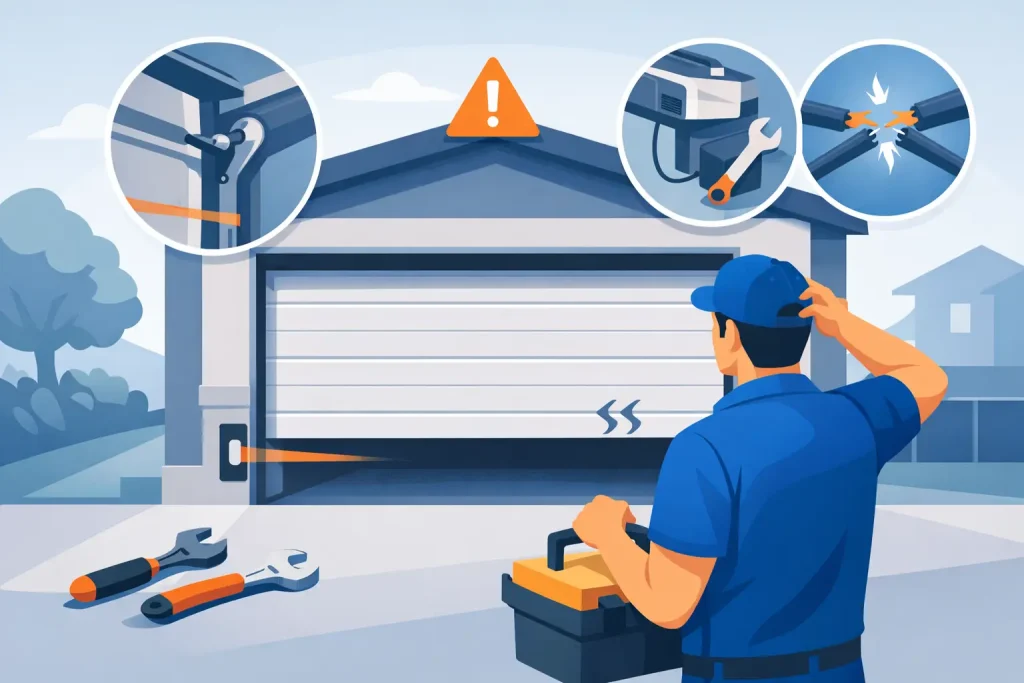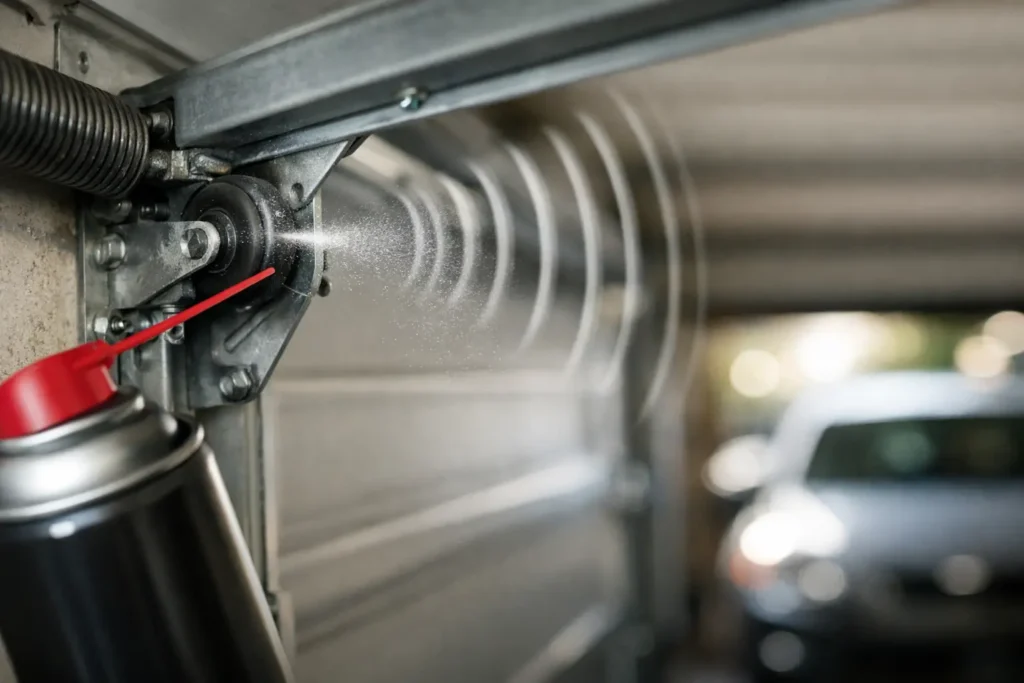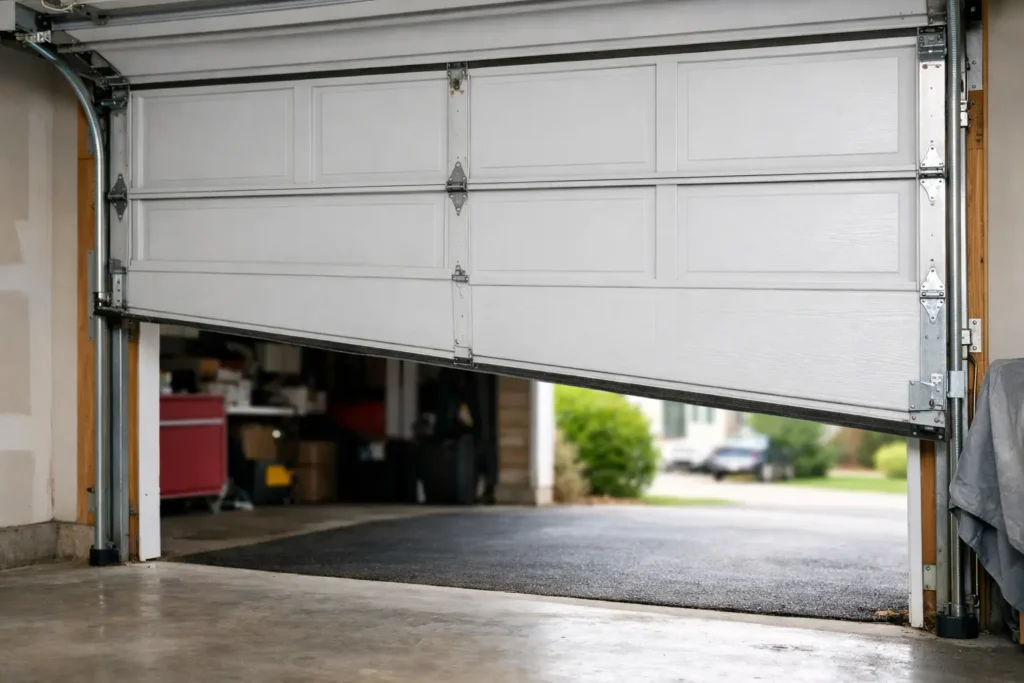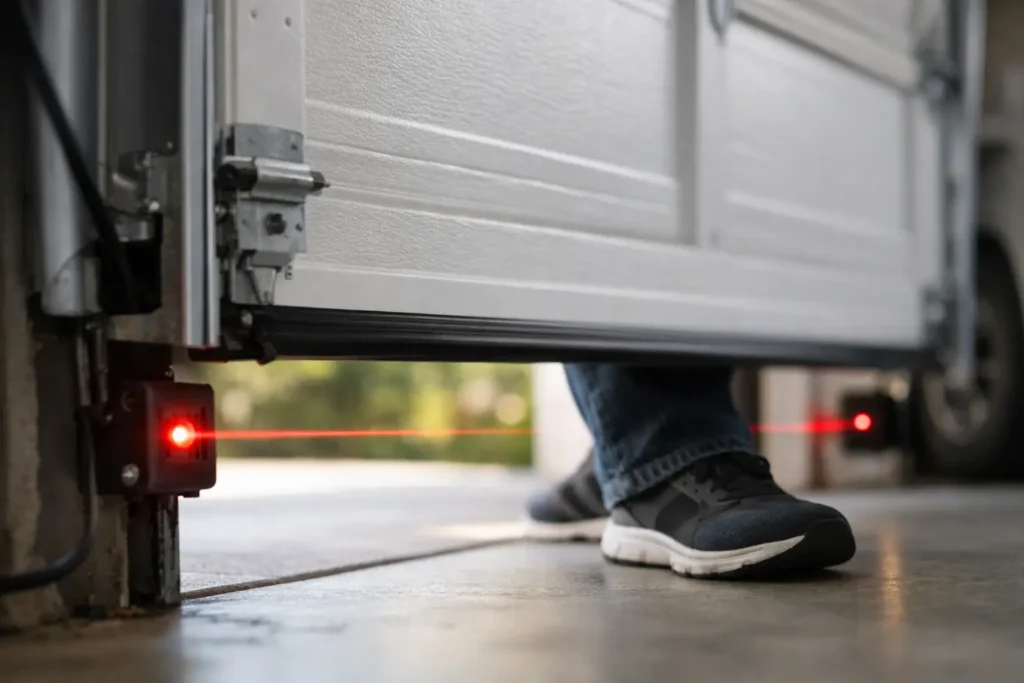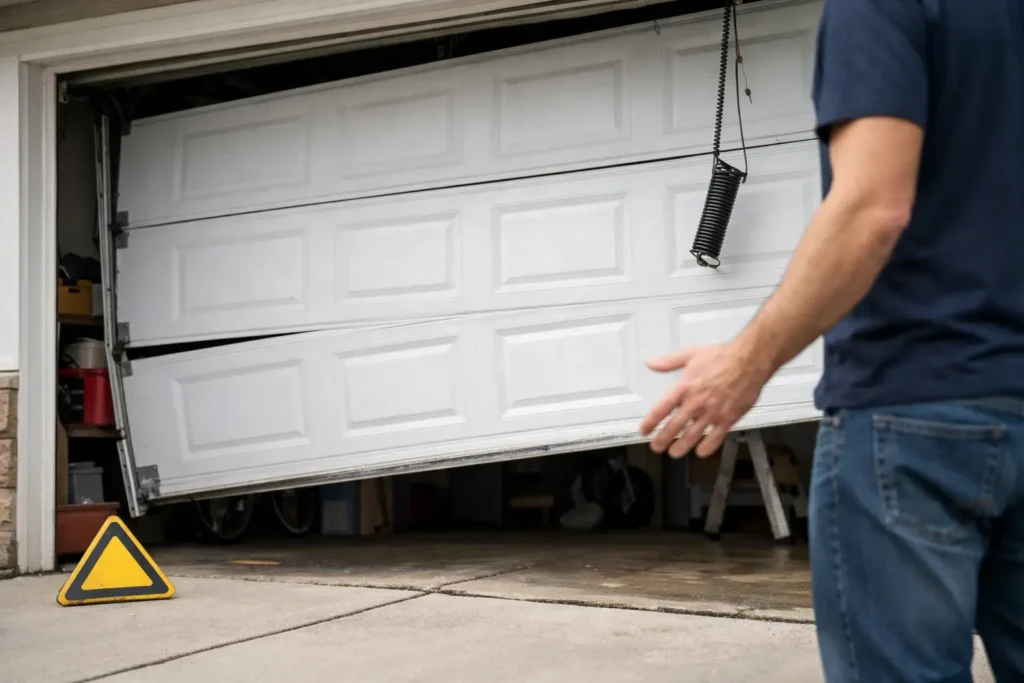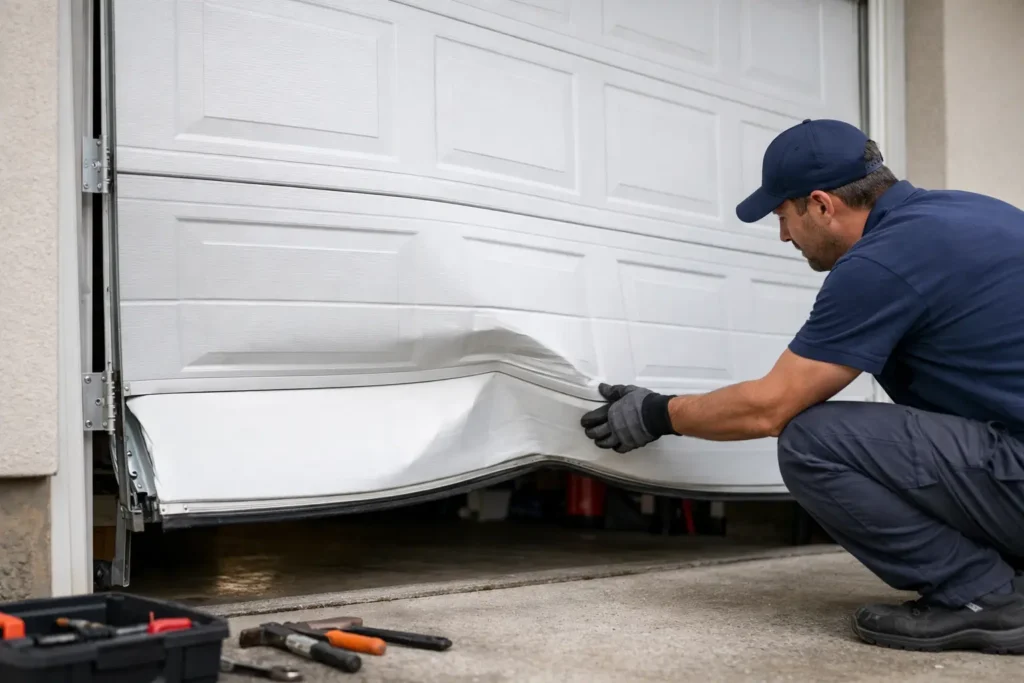
A garage door that suddenly feels too heavy to lift, stops halfway, or makes a loud bang in the garage often has one culprit: a broken spring. For homeowners comparing torsion versus extension springs, the choice is not usually about picking the cheapest option. It is about matching the spring system to your door, garage layout, safety needs, and long-term plans.
Both systems counterbalance the door’s weight so your opener is not doing all the lifting. But they work differently, wear differently, and require different service approaches. Here is what separates them and how to know what makes sense for your property.
How Garage Door Springs Do Their Job
Garage doors can weigh anywhere from roughly 100 pounds for a smaller single door to several hundred pounds for an insulated double door. Springs store mechanical energy while the door closes, then release that energy to help raise it.
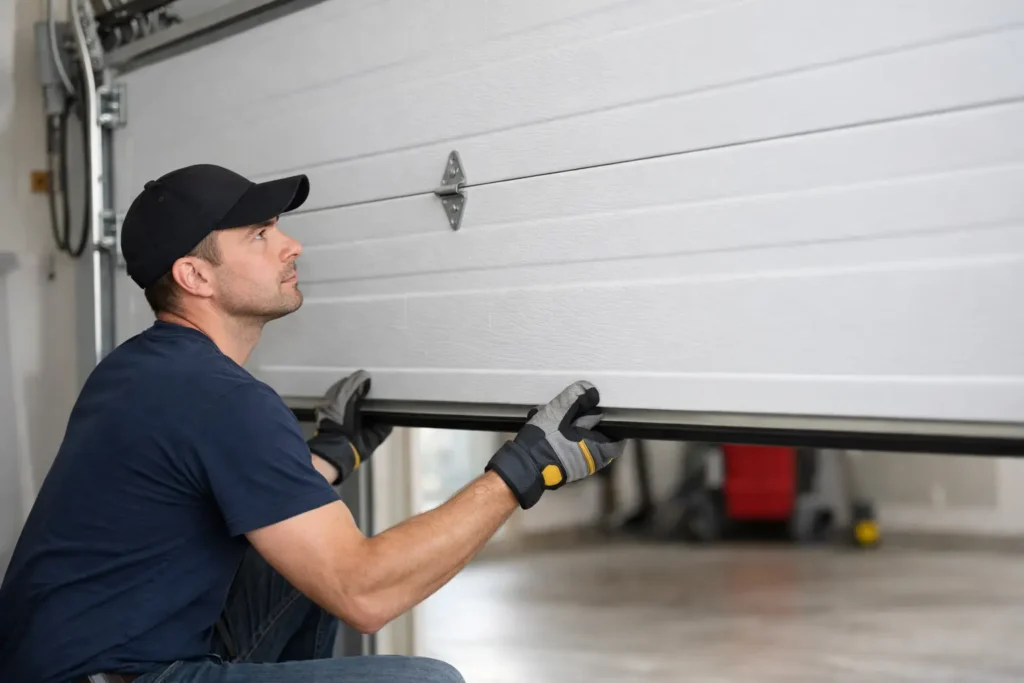
A properly balanced door should feel surprisingly manageable by hand when disconnected from the opener. The opener guides the door, but the springs carry most of the weight. When springs are worn, incorrectly sized, or broken, the opener can strain, the door can become unsafe, and daily access becomes a problem fast.
Torsion springs
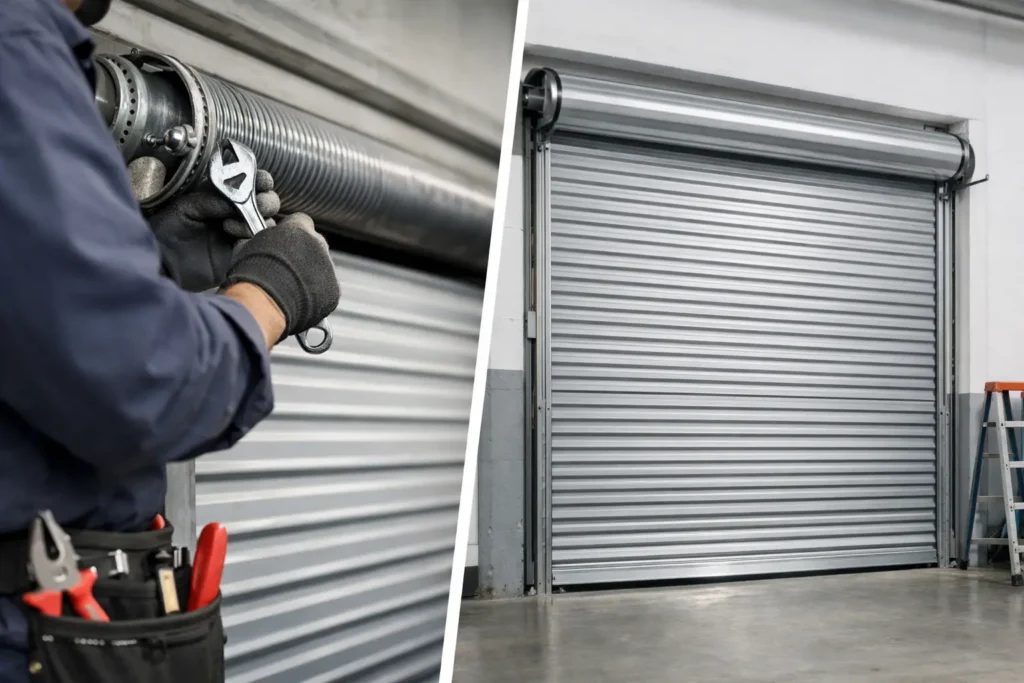
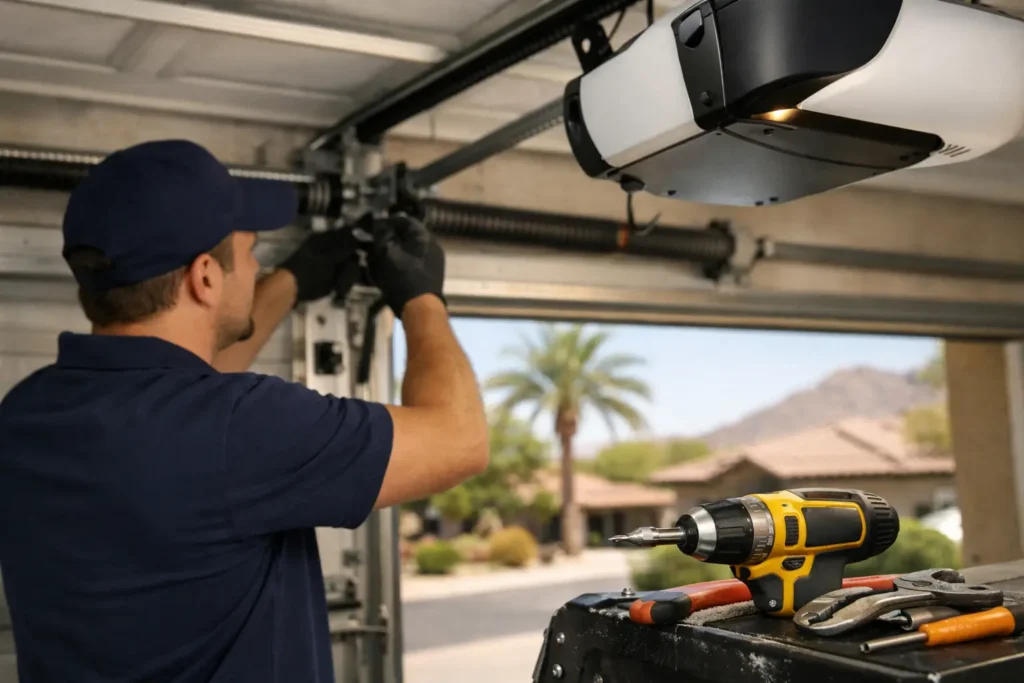
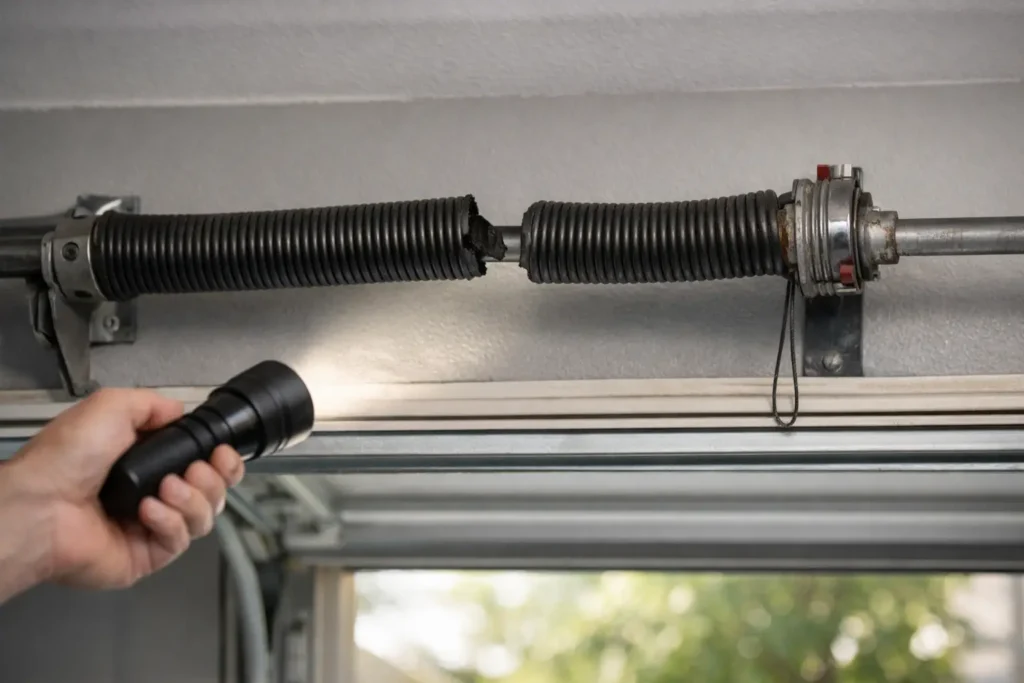
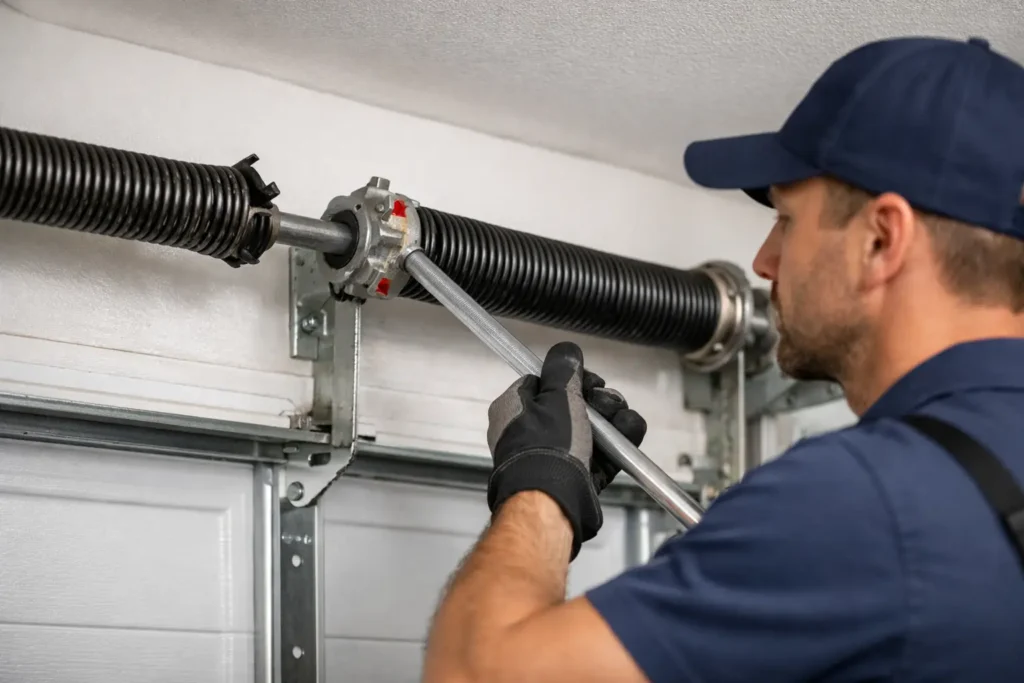
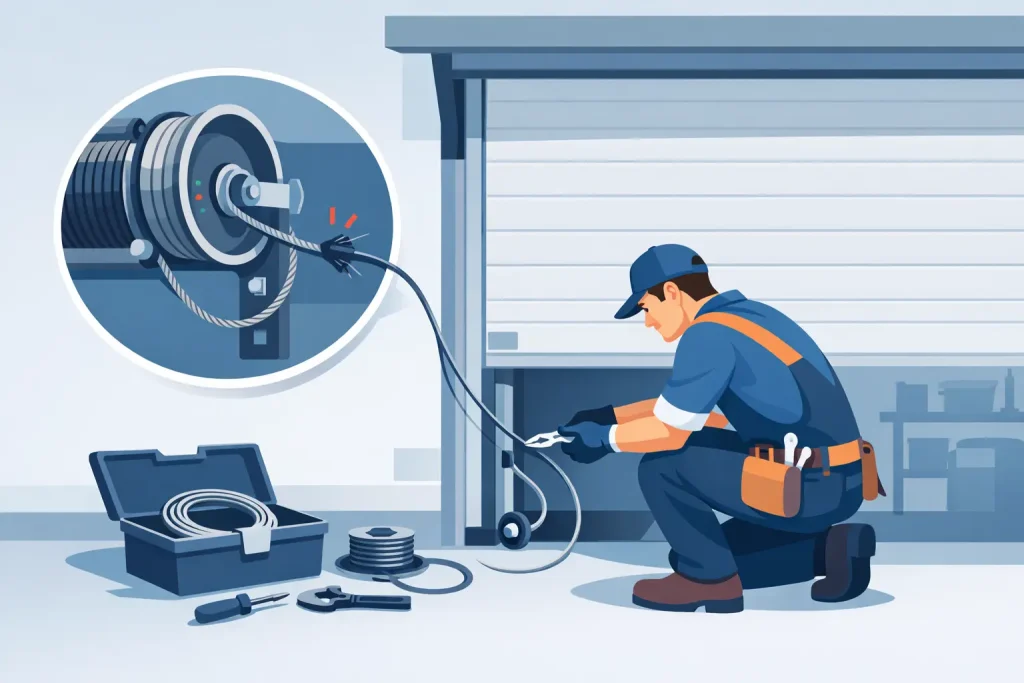
Torsion springs sit horizontally above the garage door opening on a metal shaft. As the door closes, the springs twist and build tension. When the door opens, they unwind in a controlled motion, turning the shaft and lifting the door through cables and drums at each end.
This setup distributes lifting force across the top of the door. Many modern residential doors use one or two torsion springs, while heavier commercial doors may require multiple springs designed for the door’s specific weight and cycle needs.
Extension springs
Extension springs run along the horizontal tracks on the left and right sides of the garage. Instead of twisting, they stretch as the door closes and contract as it opens. Cables and pulleys transfer that pulling force to the bottom of the door.
Extension systems are common on older garages and on doors where there is limited headroom above the opening. They can work well when correctly installed, but they include more moving components and generally need closer attention to safety hardware.
Torsion Versus Extension Springs: The Real Differences
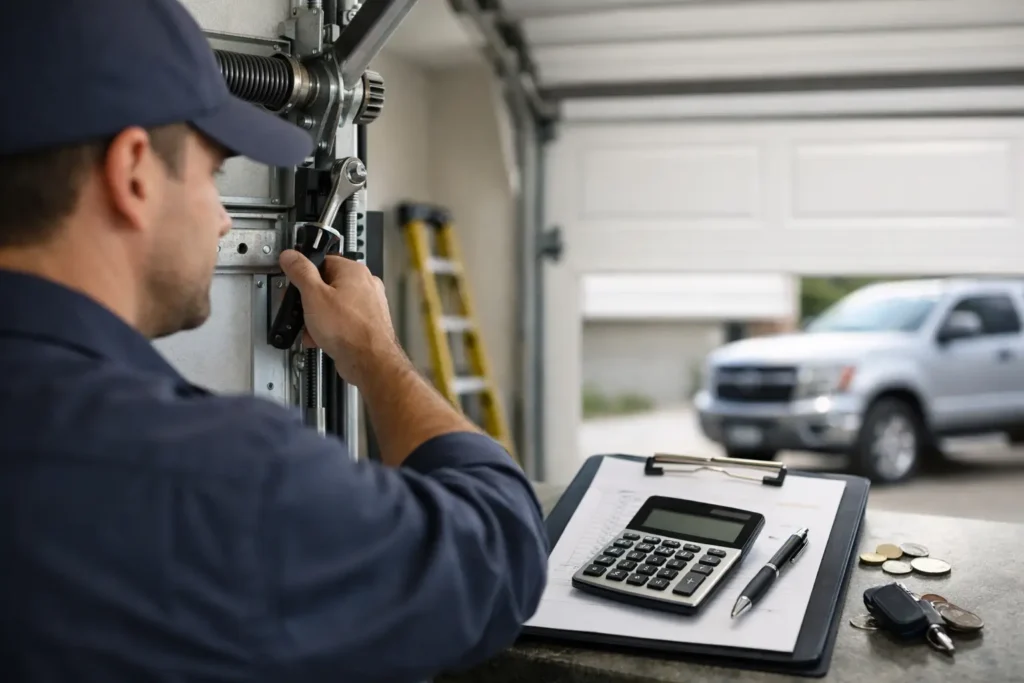
The best system depends on the garage, not just the spring itself. A professional should measure the door’s width, height, weight, track configuration, available headroom, and hardware before recommending a replacement or conversion.
Safety and control
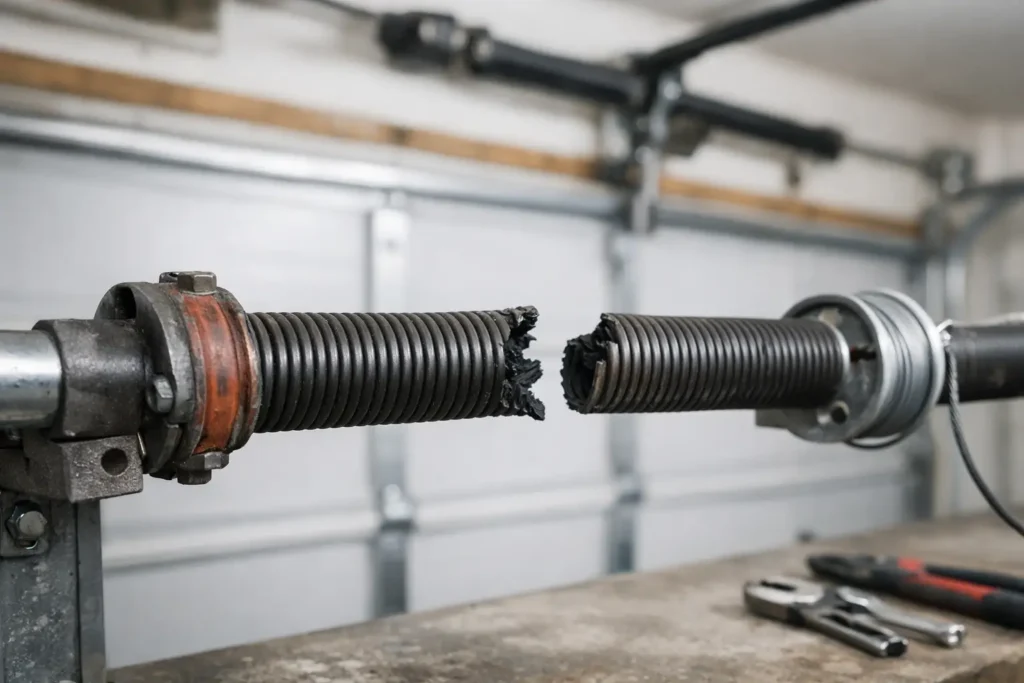
Torsion springs are generally considered the more controlled system. Because the spring is mounted on a shaft above the door, a broken torsion spring usually remains in place. The door may still be heavy and inoperable, but the spring is contained on the assembly.
Extension springs need safety cables running through their centers. Those cables are not optional. If an extension spring breaks without a containment cable, it can whip across the garage with dangerous force. If you have extension springs, check for a cable that runs through each spring and is secured at both ends.
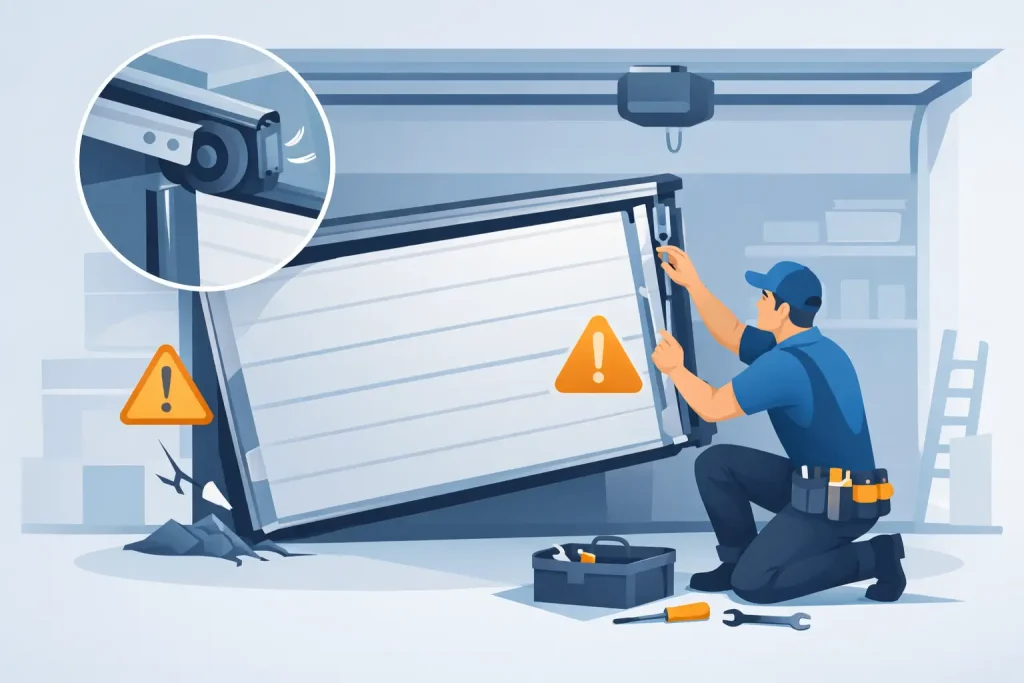
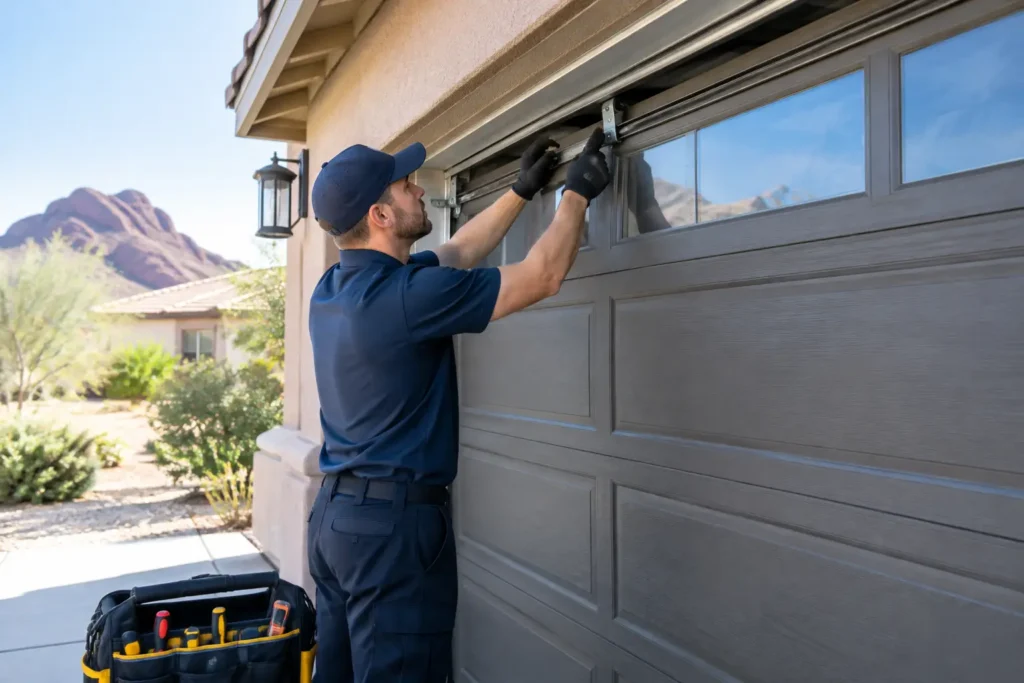
Neither system is safe to repair as a do-it-yourself project. Garage door springs are under extreme tension, and using the wrong tools or release procedure can cause serious injuries or property damage.
Performance and door balance
Torsion systems usually provide smoother, more even lifting. That can reduce stress on the opener, rollers, and tracks over time. They are especially well suited to heavier insulated doors, carriage-style doors, and wide double doors.
Extension springs can provide reliable service for lighter doors and simpler setups. Still, their pulleys and cables create more wear points. When those parts become worn or misaligned, homeowners may notice jerky movement, uneven lifting, or a door that sits crooked when open.
Space requirements
Your garage’s available space can decide the issue before cost enters the conversation. Standard torsion systems need room above the door opening for the shaft and springs. Low-headroom torsion hardware exists, but it may require a specialized configuration.
Extension springs run alongside the horizontal tracks, making them useful in garages with limited overhead clearance. That said, space around the tracks still needs to be clear and properly configured. Storage racks, shelving, and ceiling-mounted equipment should never interfere with spring or cable movement.
Cost and long-term value
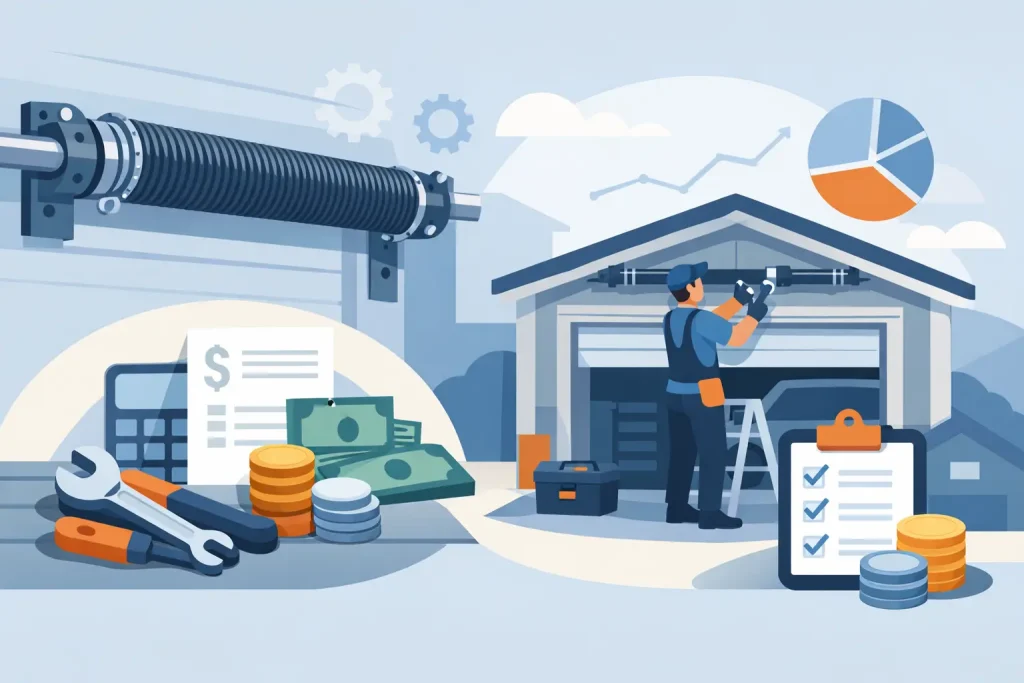
Extension spring systems can have a lower upfront replacement cost in some situations, particularly for a lighter single garage door. Torsion spring repairs or conversions may cost more initially because of the shaft, drums, bearings, and installation labor involved.
Upfront price is only one part of the decision. Torsion springs often last longer, operate more smoothly, and can place less strain on the door system. A standard spring may be rated for about 10,000 cycles, with one cycle meaning one complete opening and closing. Higher-cycle springs are available for households that use the garage as the main entrance or for businesses with frequent door traffic.
For a family that opens the garage door six to eight times a day, spring cycle life can make a meaningful difference over the years.
How to Tell Which Spring System You Have
You can usually identify your system without touching any hardware. Stand inside the garage with the door closed and look above and alongside the tracks.
If you see one or two tightly coiled springs mounted on a metal bar above the door, you have a torsion system. If you see long springs stretching along the horizontal tracks on each side, you have extension springs.
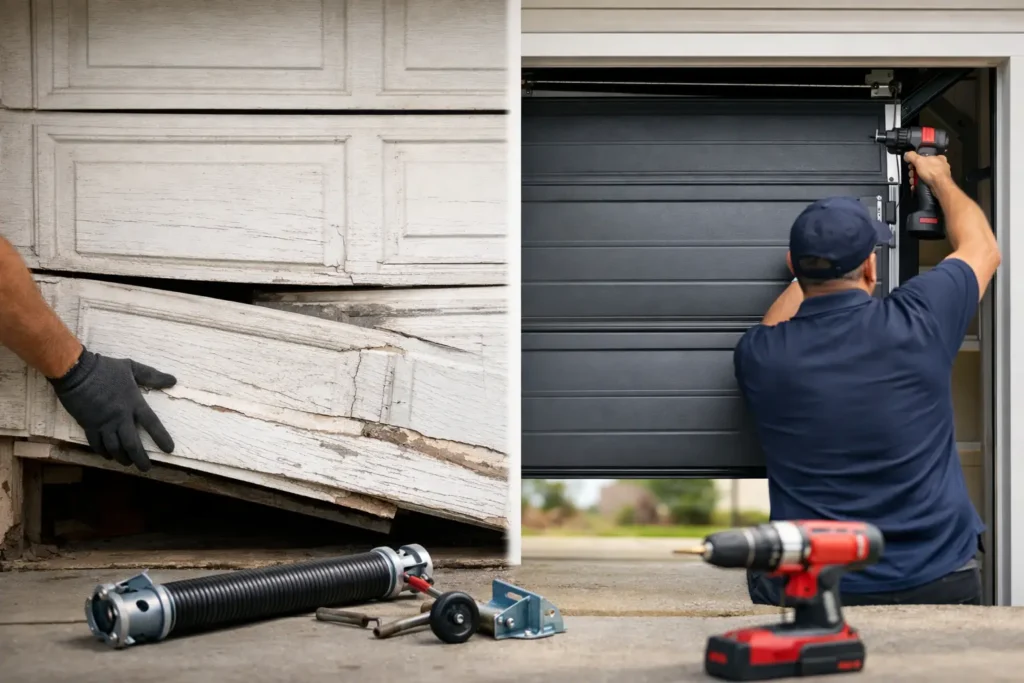
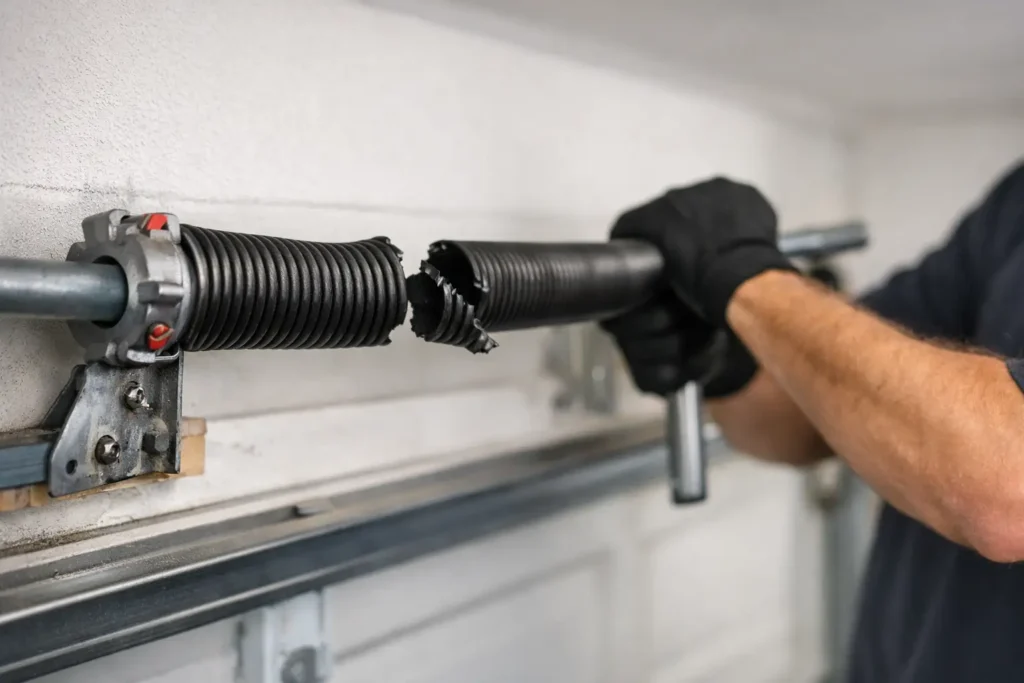
Do not pull on the springs, loosen brackets, or attempt to test tension. A visual check is enough to identify the system. If a spring has broken, you may see a visible gap in a torsion spring or a loose, stretched-out extension spring near the track.
Should You Replace One Spring or Both?
On a two-spring torsion setup, the springs are usually installed at the same time and have handled the same number of cycles. When one breaks, the other may be close to the end of its service life. Replacing both can help prevent another service call shortly afterward and keeps the door balanced with matching components.
There are exceptions. If one spring was replaced recently or the springs have different cycle ratings by design, a technician should inspect the complete system and advise you based on its actual condition. The right answer should come with a clear explanation, not pressure.
With extension springs, replacement should also account for both sides, the safety cables, pulleys, cables, and track condition. Replacing only the obvious broken part without checking the supporting hardware can leave the door operating poorly.
Can You Convert Extension Springs to Torsion Springs?
In many garages, yes. Converting from extension to torsion springs can improve control, smoothness, and long-term performance. It is often worth considering when replacing an aging door, upgrading to a heavier insulated door, or dealing with repeat extension-spring issues.
A conversion is not automatic for every garage. The opening must have adequate room and suitable framing, and the new torsion system must be correctly engineered for the door. The door’s weight matters more than its appearance. Even two doors that look similar can need very different spring sizes.
For homeowners planning to stay in the home for several years, a torsion conversion may be a practical upgrade. For a lighter door in a garage with tight headroom, a properly maintained extension system may remain the sensible choice.
Arizona Heat Can Shorten the Margin for Neglect
Garage components in Gilbert and across the East Valley deal with high heat, dust, and big temperature swings between daytime and nighttime. Heat does not cause every spring failure, but it can add stress to aging metal, dry out moving parts, and expose weak rollers, bearings, cables, and opener settings.
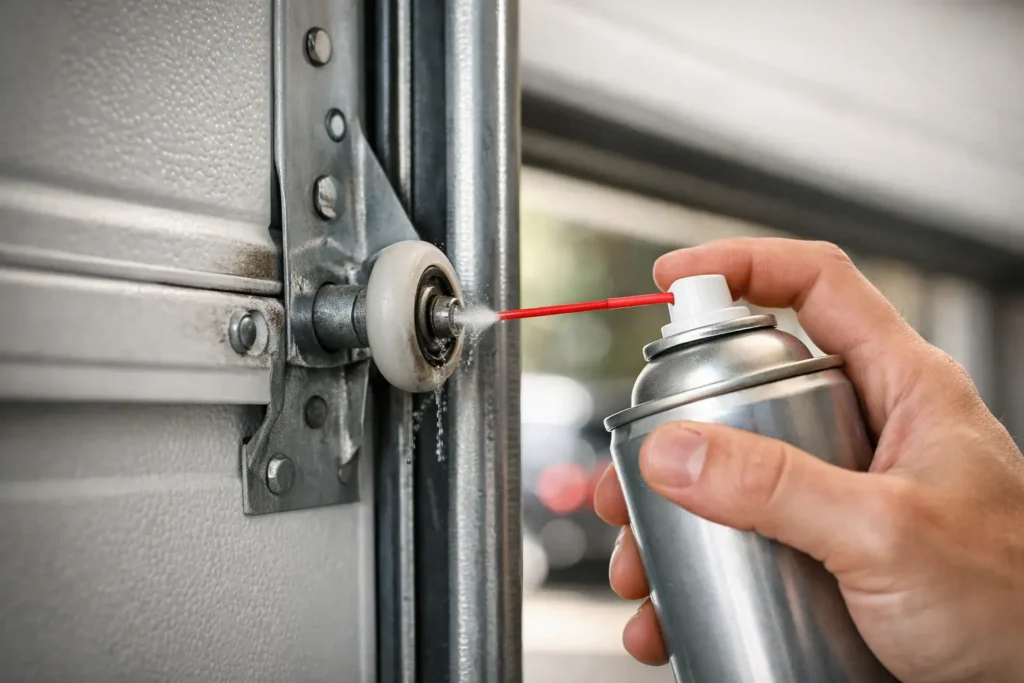
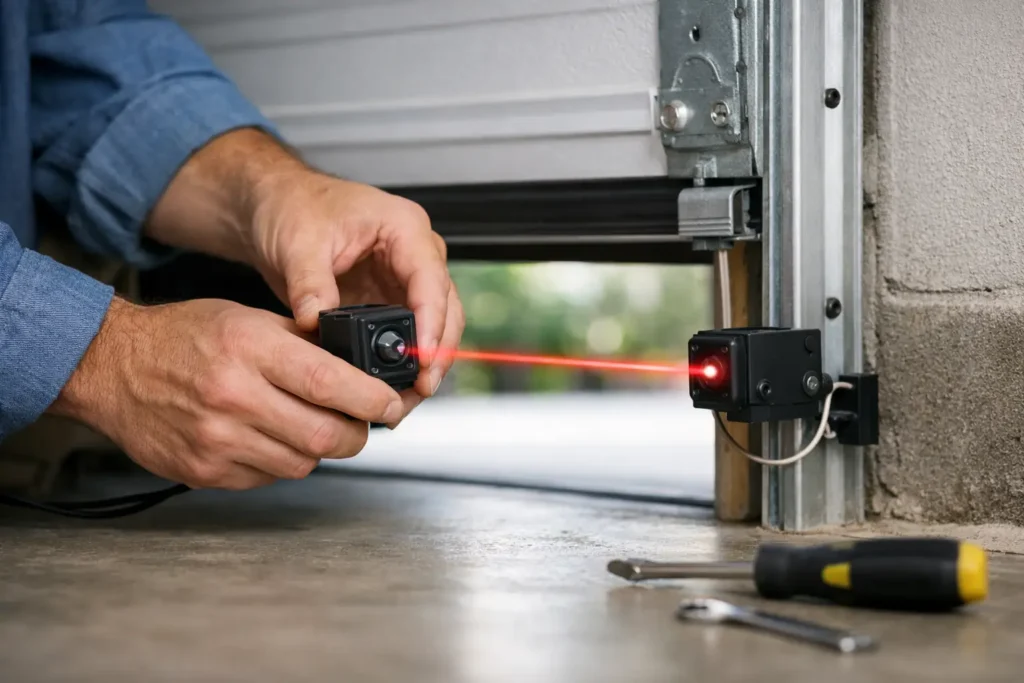
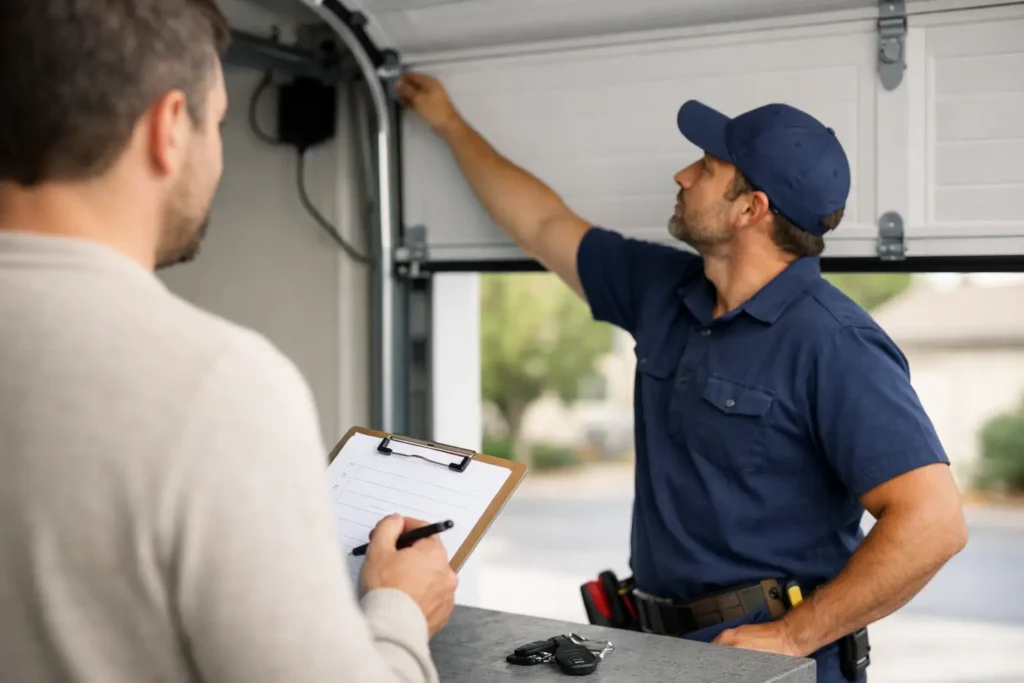
Watch for a door that becomes noisy, shakes while moving, opens unevenly, reverses unexpectedly, or feels much heavier than normal. These signs do not always mean a broken spring, but they are good reasons to schedule an inspection before a small issue turns into a stuck door.
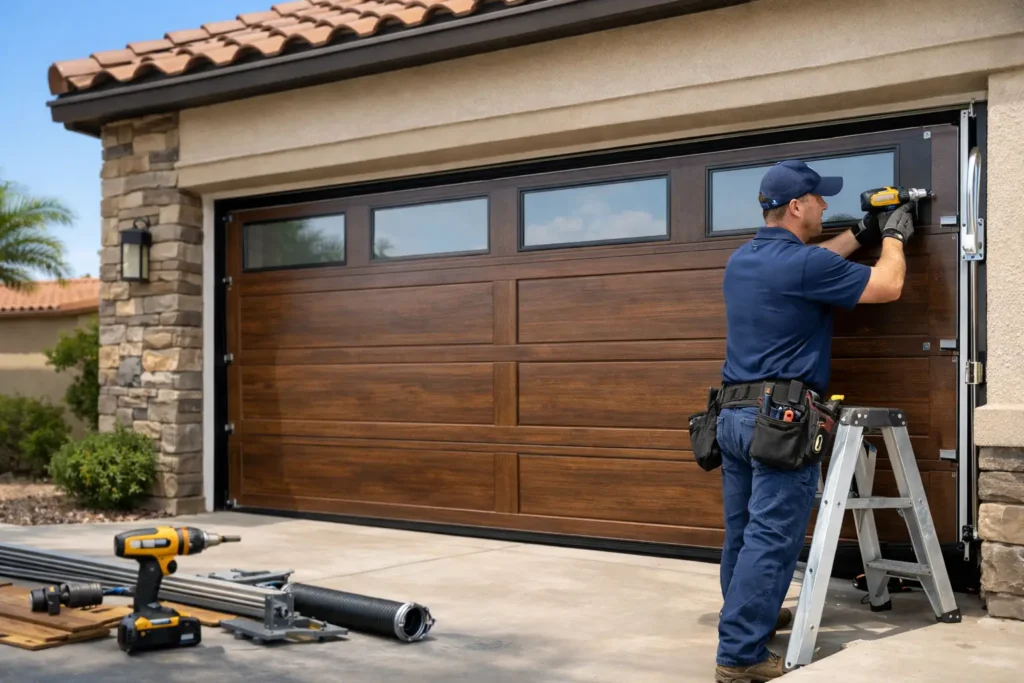
Regular service can catch frayed cables, worn bearings, loose fasteners, and poor balance early. Riggs Rescue AZ can inspect the full door system and explain whether a repair, matched spring replacement, or system upgrade gives you the best value.
Make the Choice Based on the Whole Door
Torsion springs are often the preferred option for smooth performance, heavier doors, and long-term durability. Extension springs can still be a good fit for certain garage layouts and lighter doors, especially when installed with proper safety cables and maintained correctly.
If your door is not opening normally, avoid forcing it with the opener or trying to lift it alone. A quick professional assessment can identify the spring type, confirm the underlying problem, and get your garage door moving safely again with no surprises.