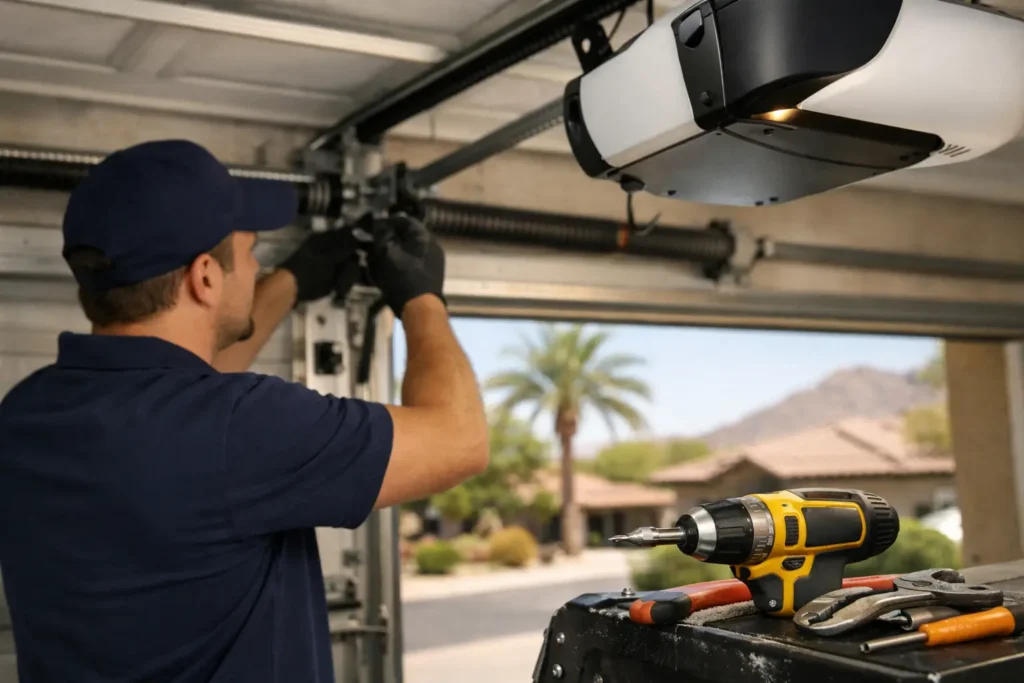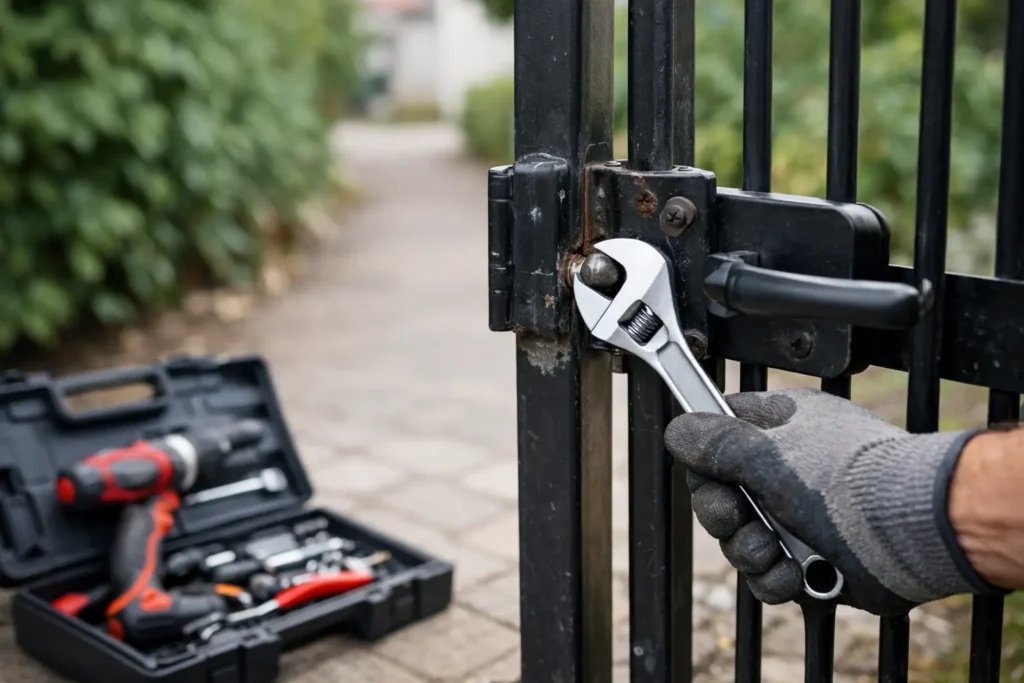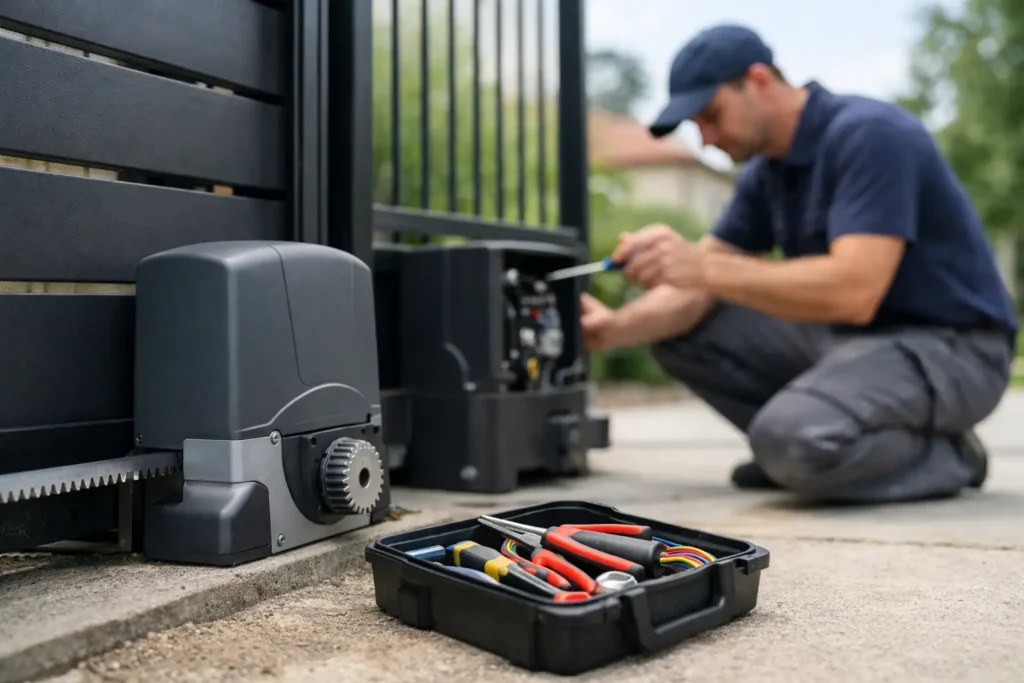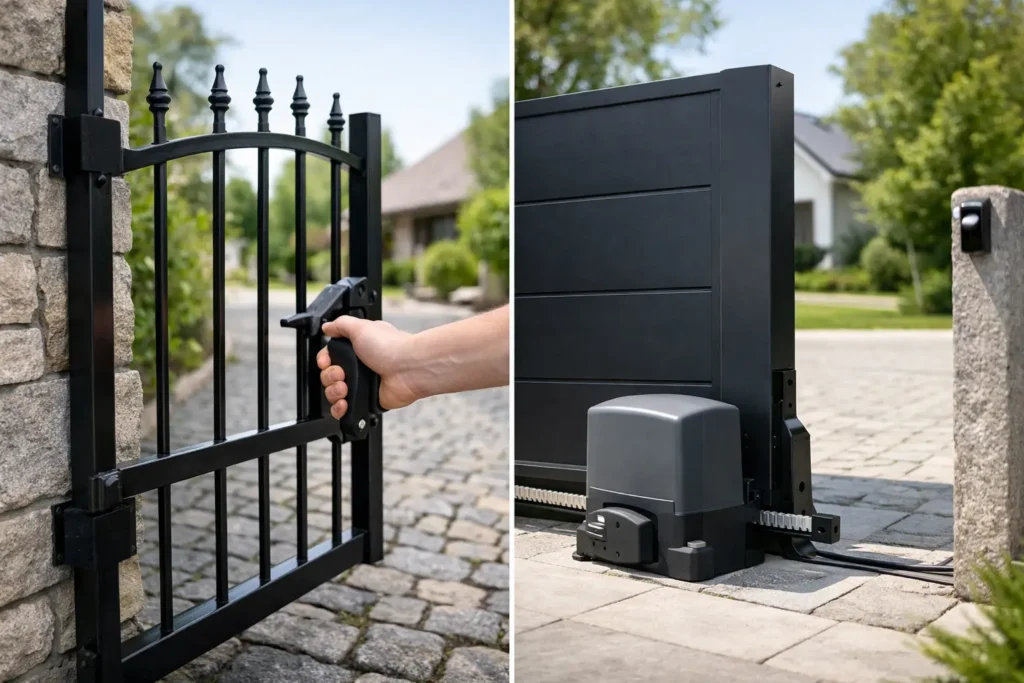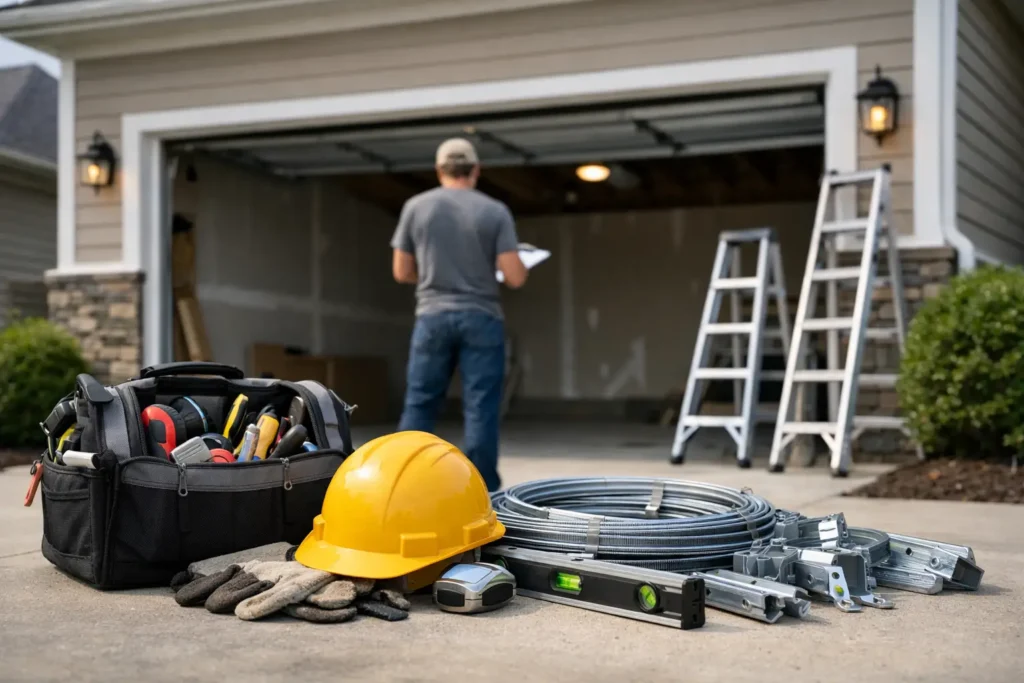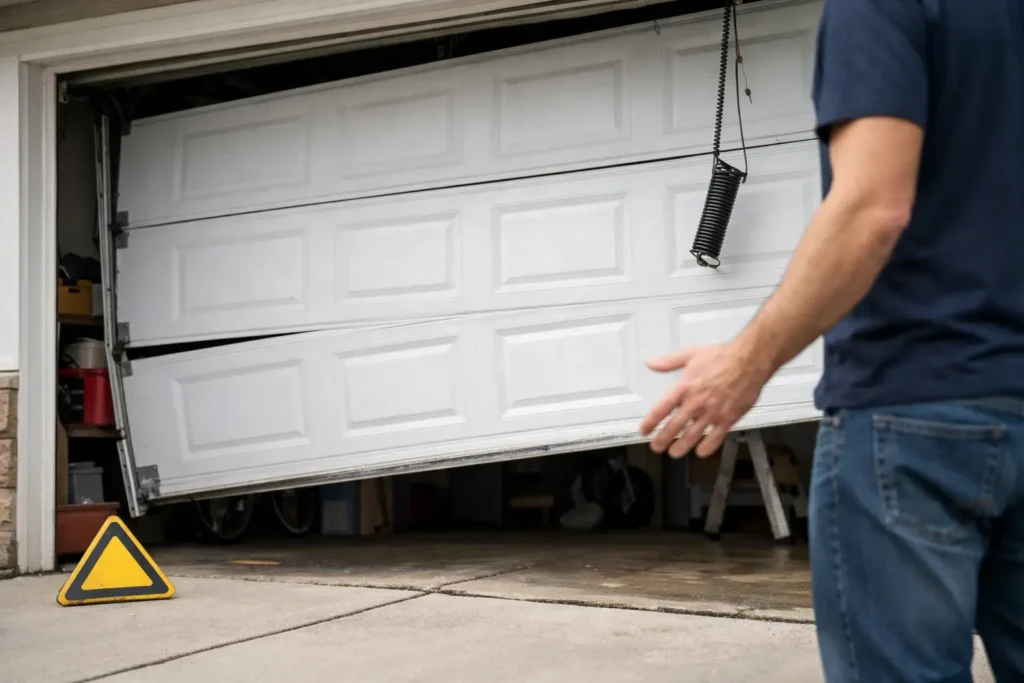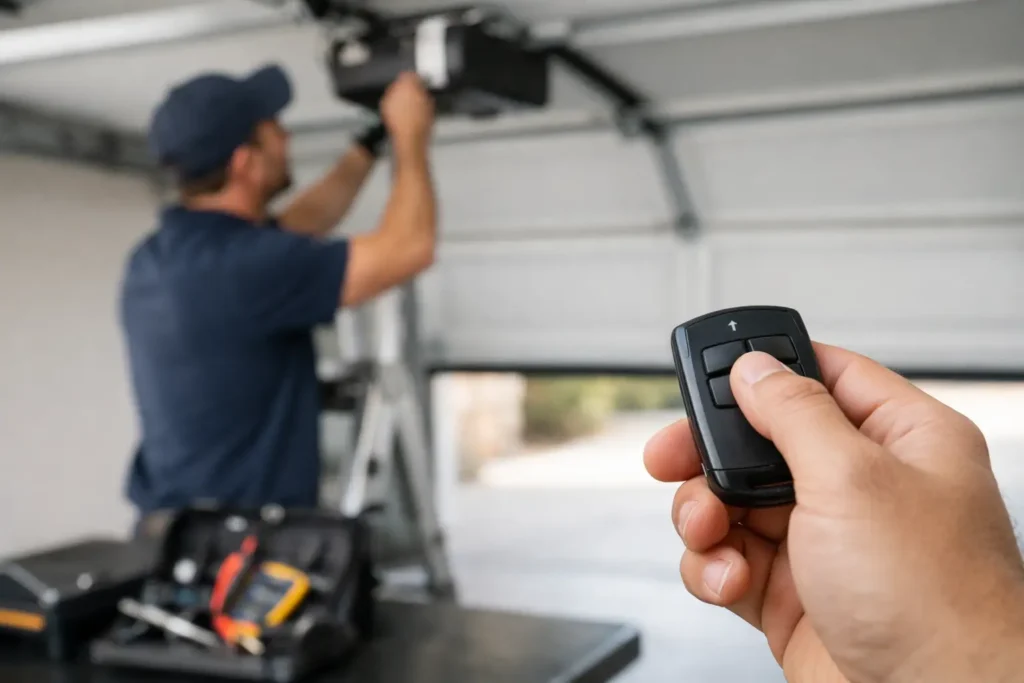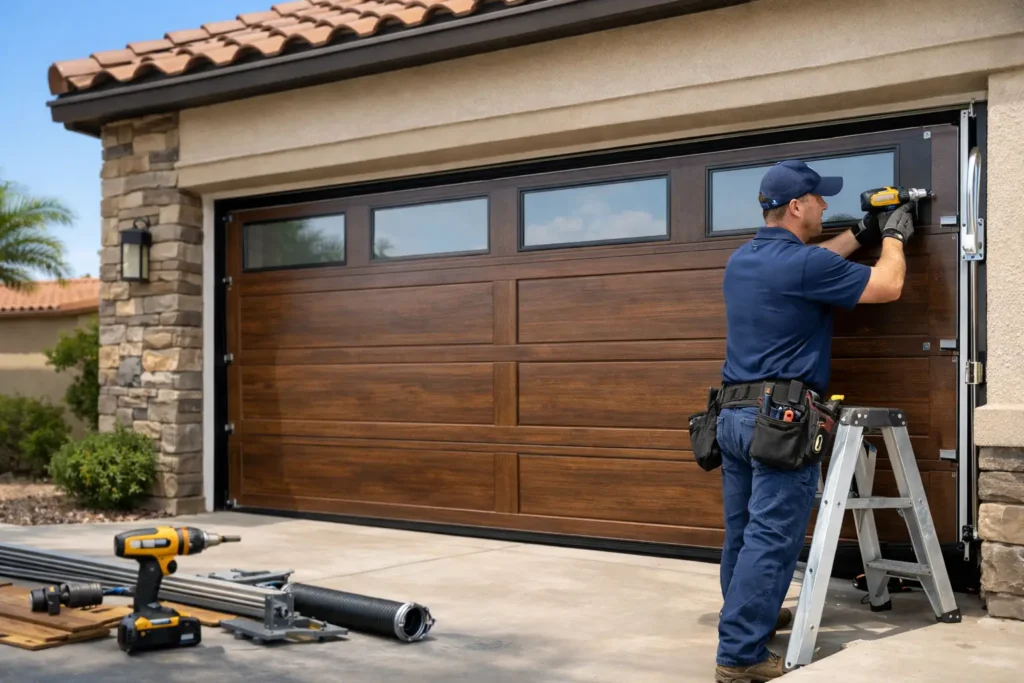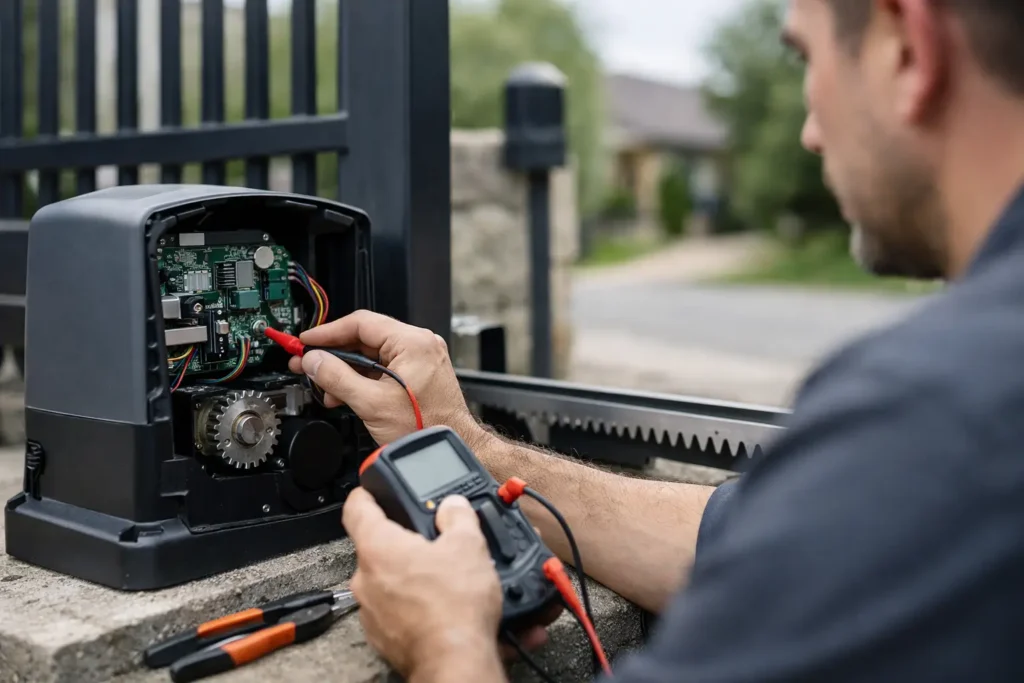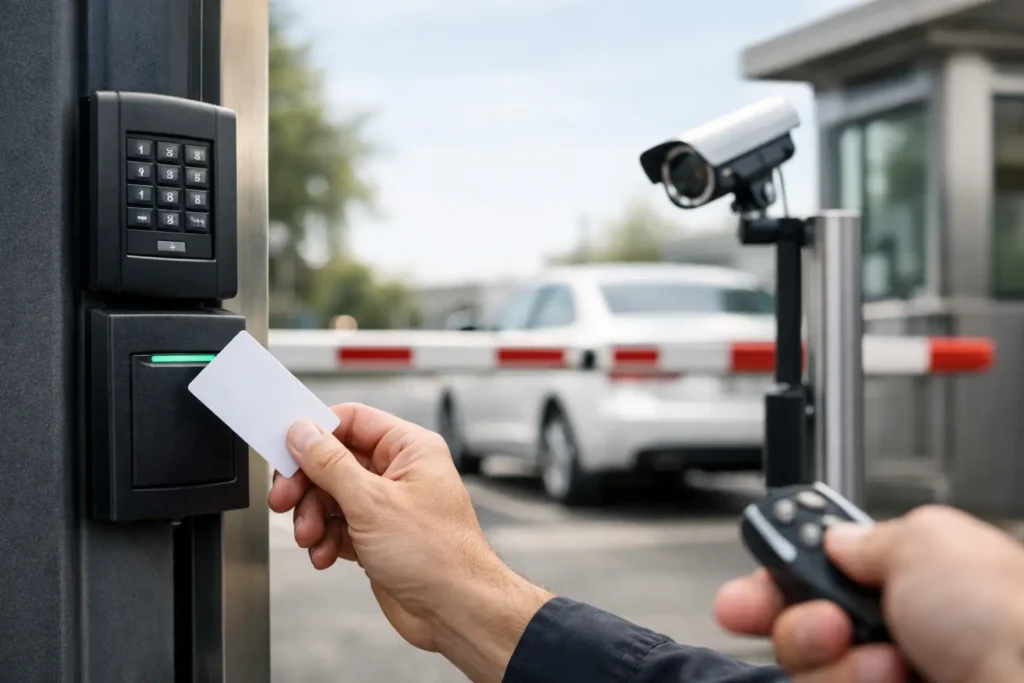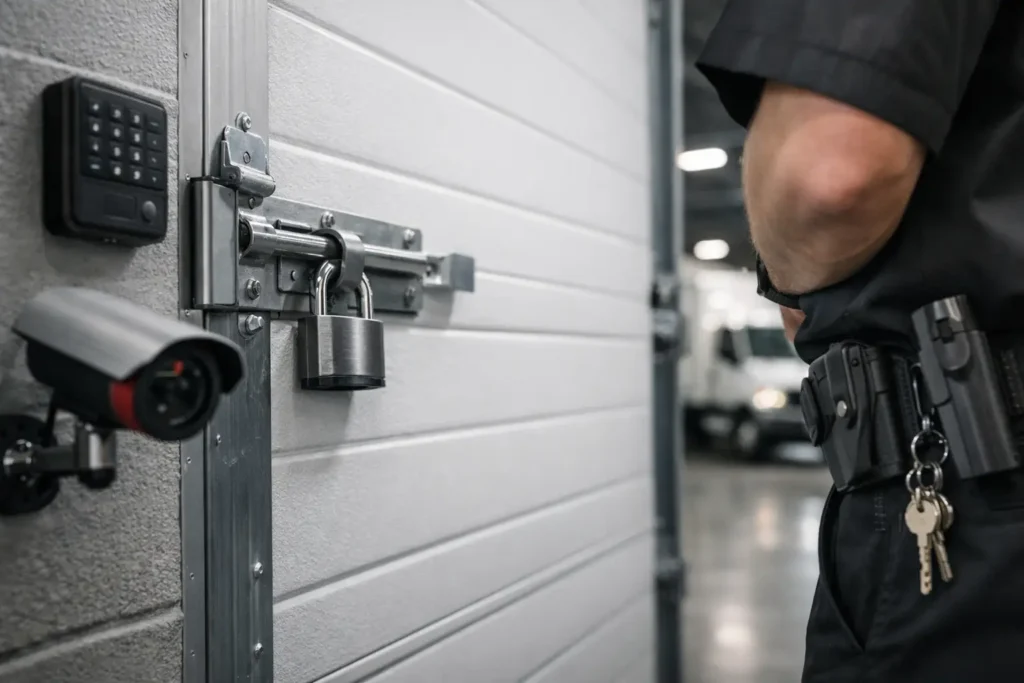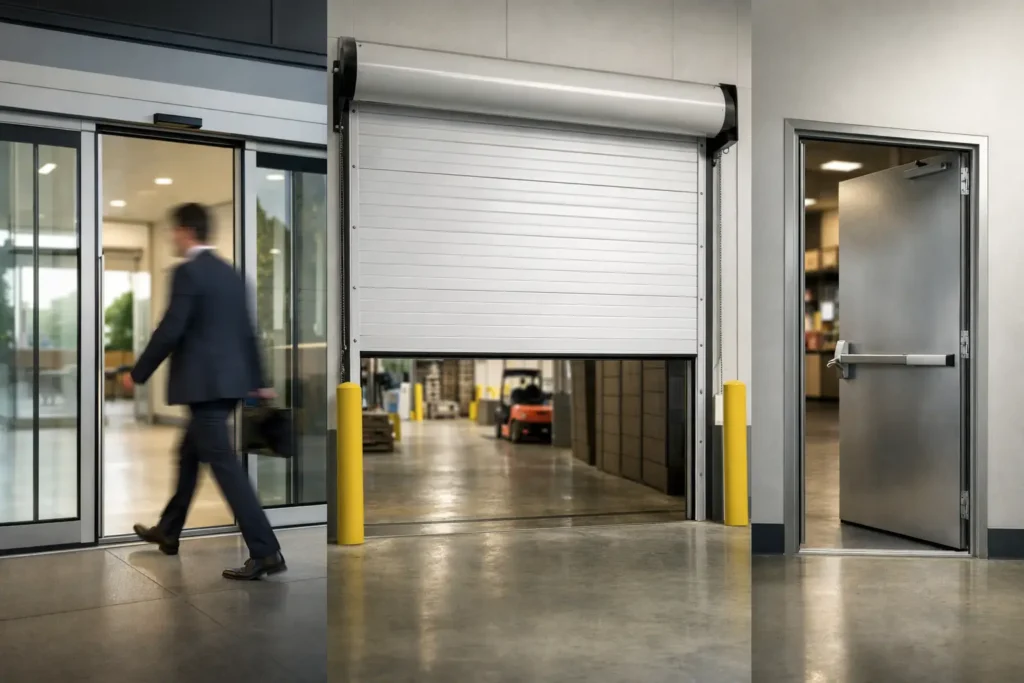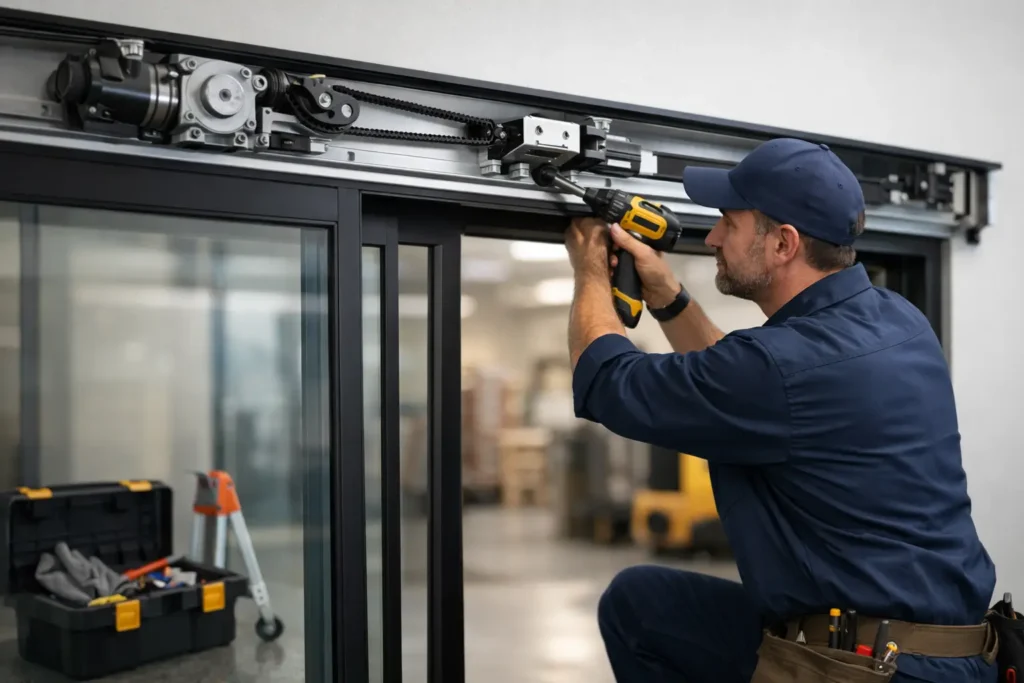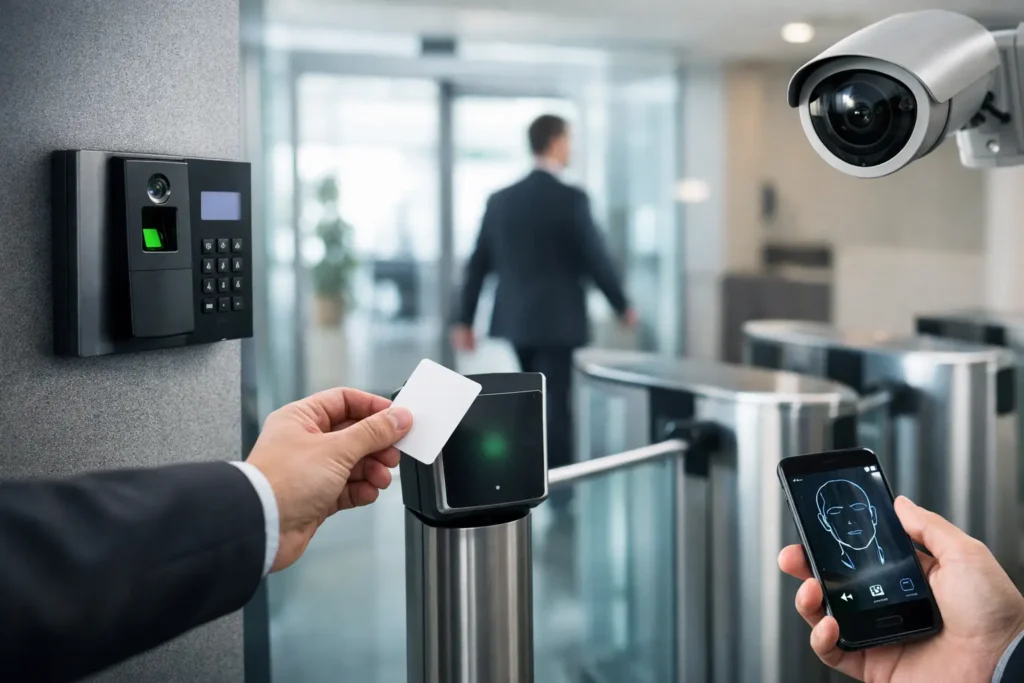
A vehicle backing into a driveway gate can turn an ordinary afternoon into a security problem fast. Gate collision repair is not just about making a bent panel look better. A hard impact can affect the gate frame, hinges, rollers, track, operator, safety devices, and the posts that hold the entire system in place.
For homeowners and business owners, the first goal is simple: keep people safe, protect the property, and avoid causing more damage by forcing the gate to operate. A gate that still moves after a collision may not be safe to use. Getting a clear professional assessment early can often prevent a smaller repair from becoming a full replacement.
What to Do Right After a Gate Collision
If a car, truck, trailer, or delivery vehicle hits your gate, keep the area clear and stop using the gate right away. Do not try to push it back into position, pull on a sagging section, or keep pressing the remote to see whether it will close. Those efforts can place extra strain on the operator or cause a damaged gate to shift unexpectedly.
If the gate is blocking a shared driveway, business entrance, or emergency access point, find a safe alternate route if one is available. Keep children, pets, customers, and employees away from loose metal, hanging gate sections, exposed wiring, or damaged posts.
Take a few photos from a safe distance before anything is moved. Pictures can be useful for insurance documentation, property management records, or conversations with the driver involved. Then arrange for a qualified gate technician to inspect the system. This is especially urgent when the gate will not secure, is leaning, has electrical damage, or creates an obstruction near the road.
Why Collision Damage Is Often More Than Cosmetic
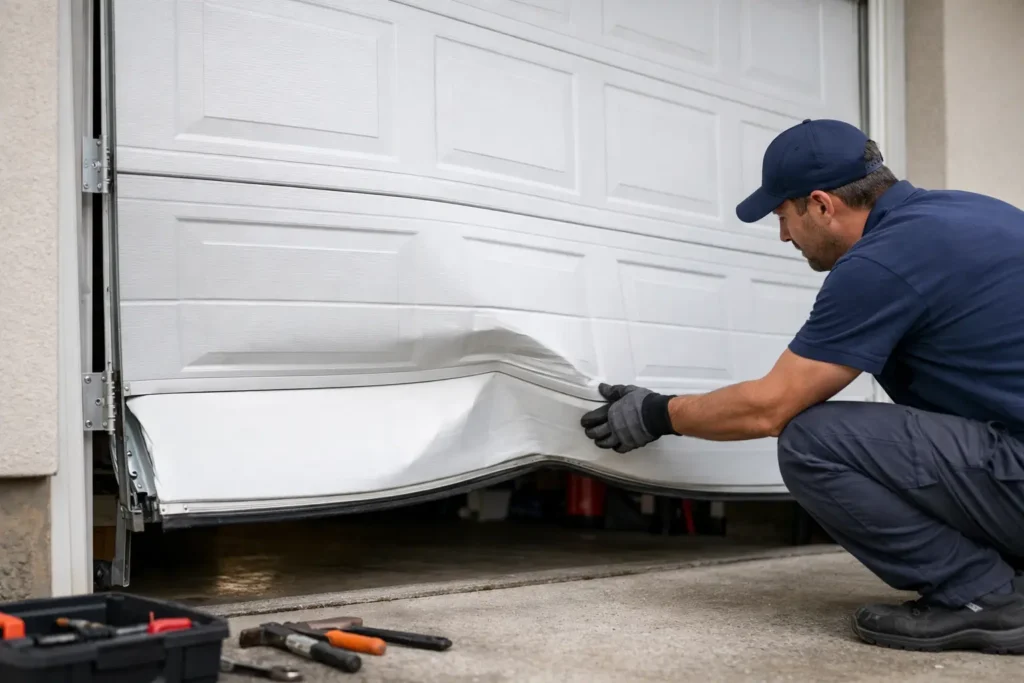
A visible dent is easy to spot. The hidden damage is what can make a collision more serious. Automatic gates are carefully aligned systems. Even a relatively low-speed impact can throw that alignment off by a small amount, and small changes can lead to dragging, binding, noisy operation, or repeated operator failures.
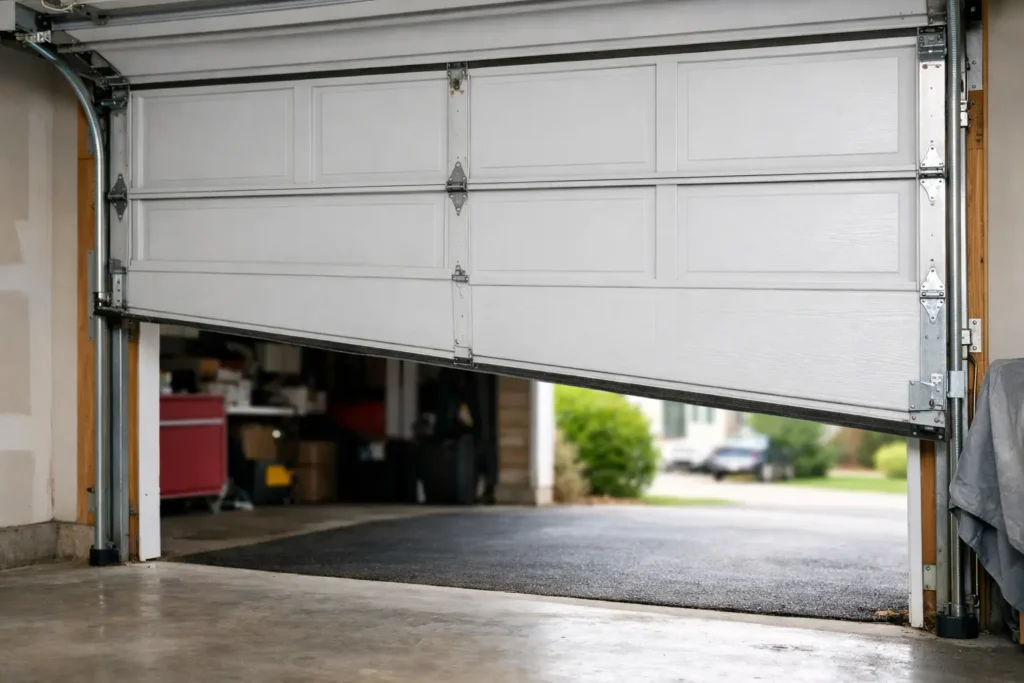
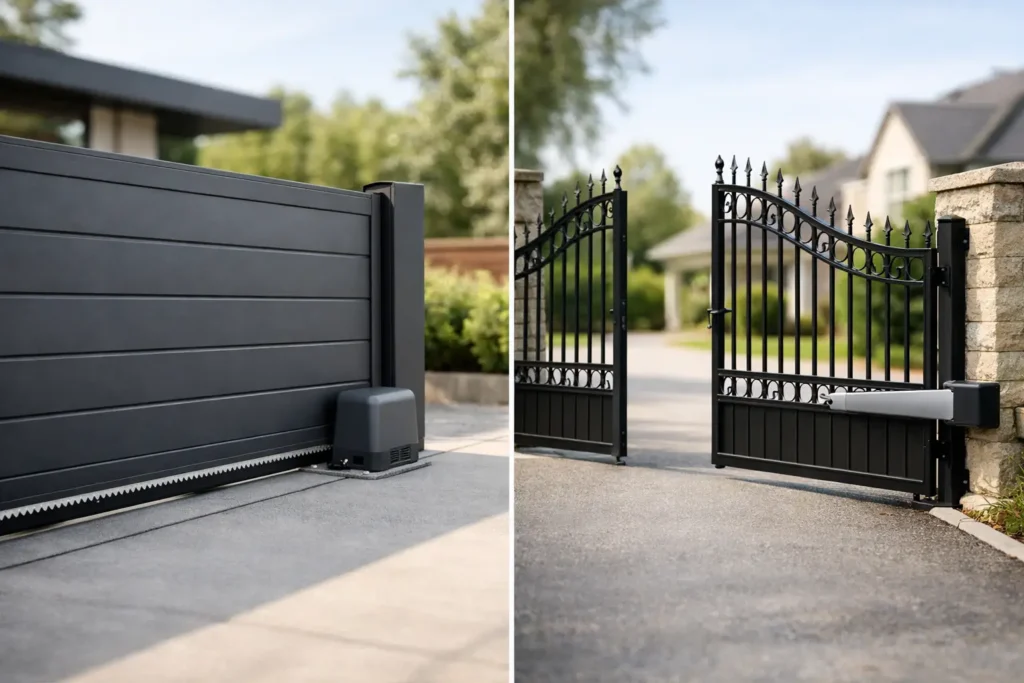
A swing gate may have bent hinges, cracked welds, or a shifted mounting post. If the impact twists the gate frame, the leaves may no longer meet correctly at the latch point. A sliding gate can be pushed out of its track, damage its rollers, or bend the gate itself enough that it rubs against the operator or fence line.
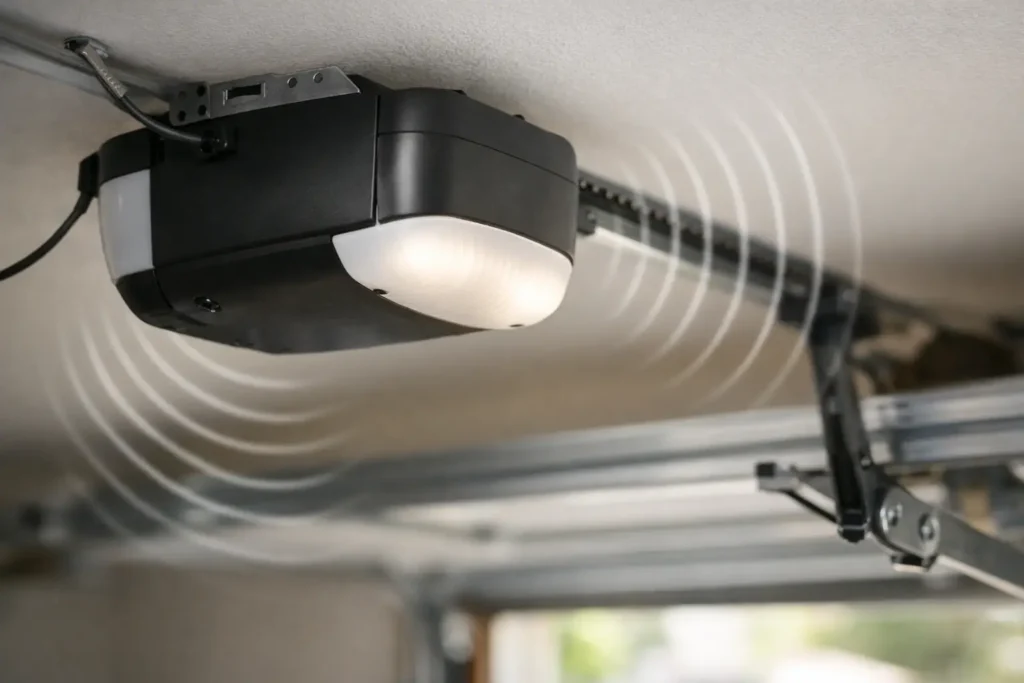
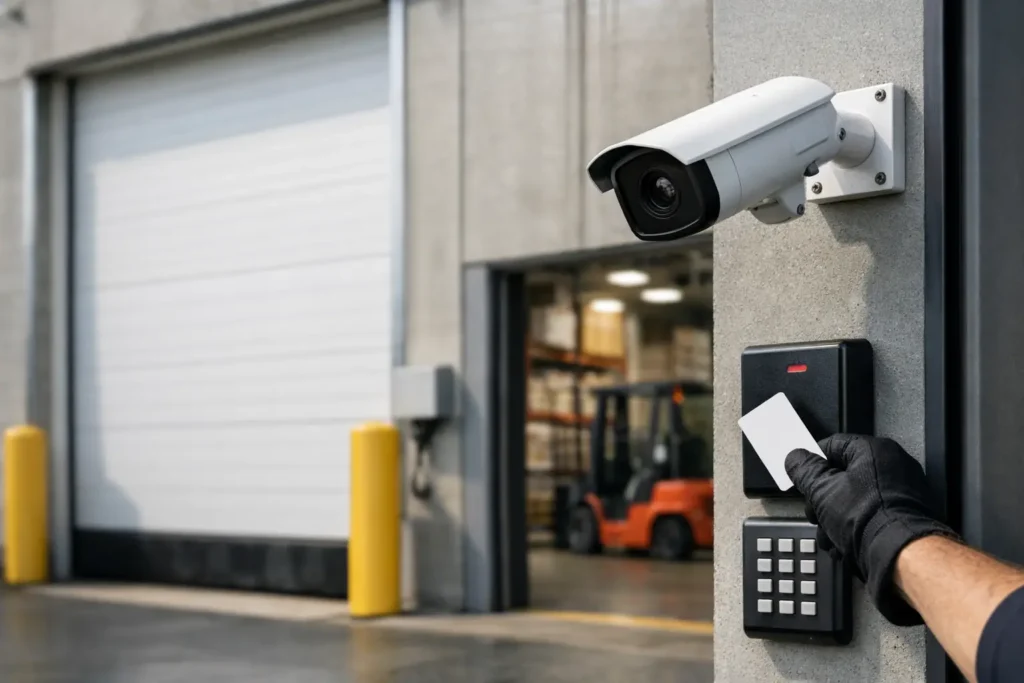
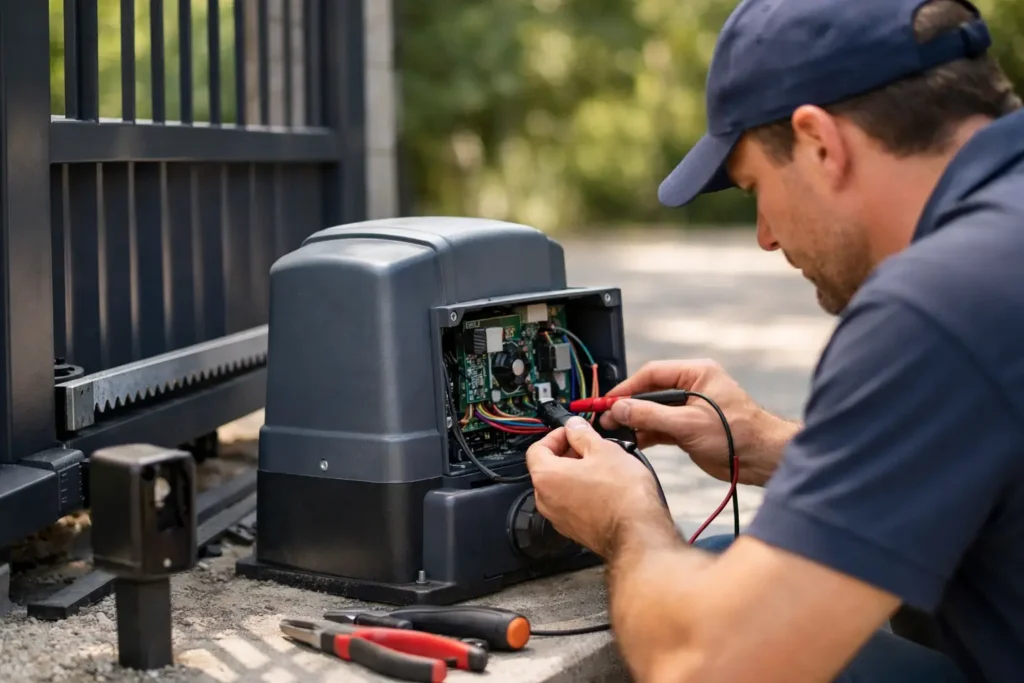
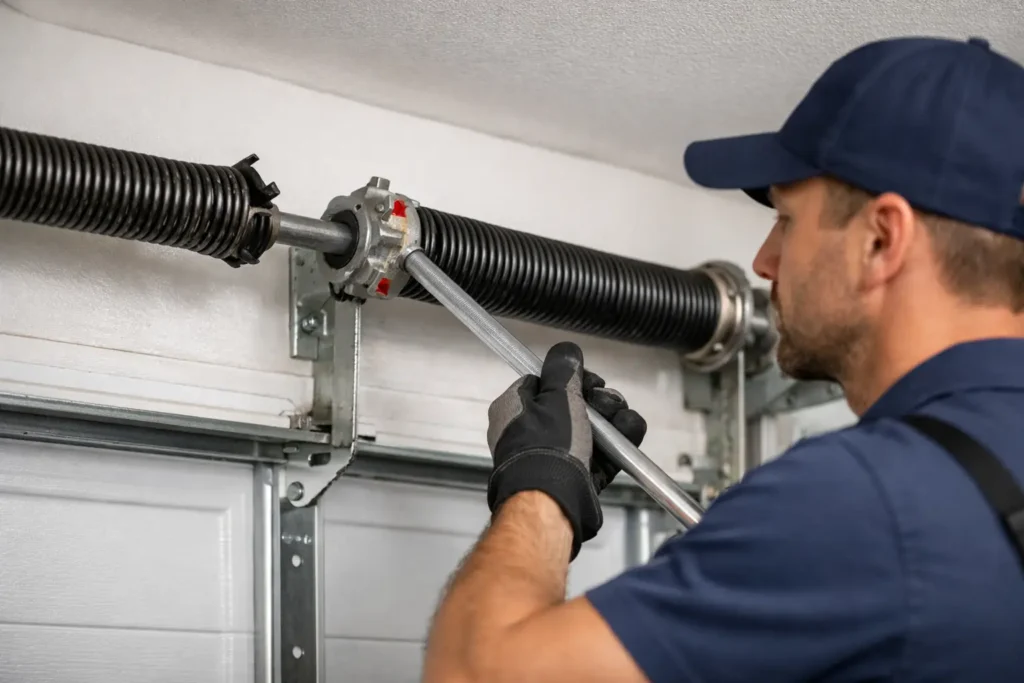
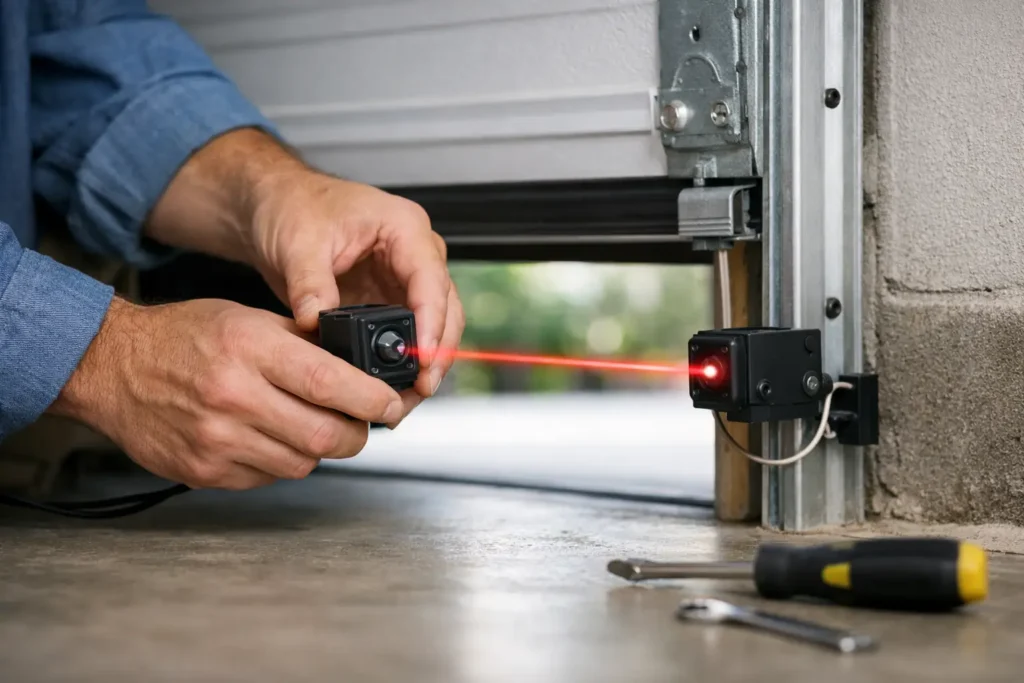
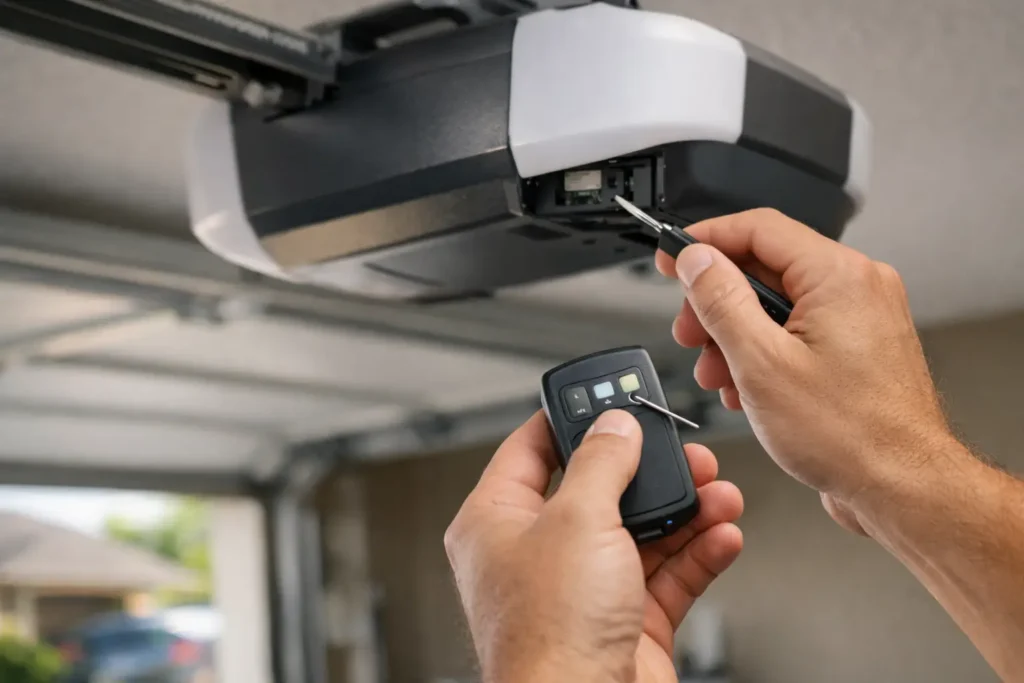
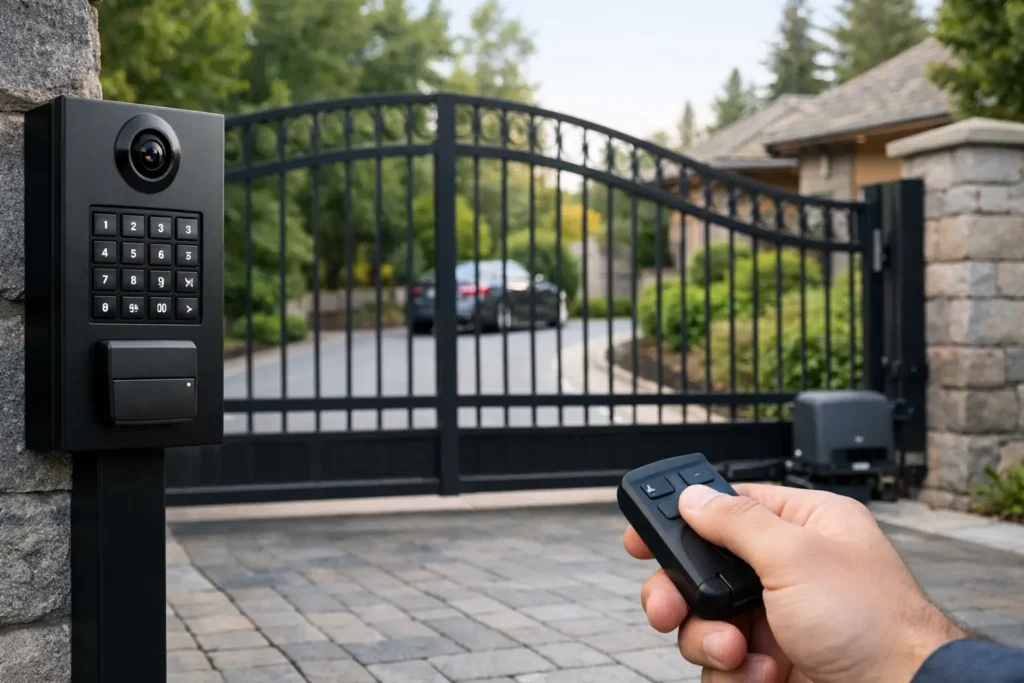
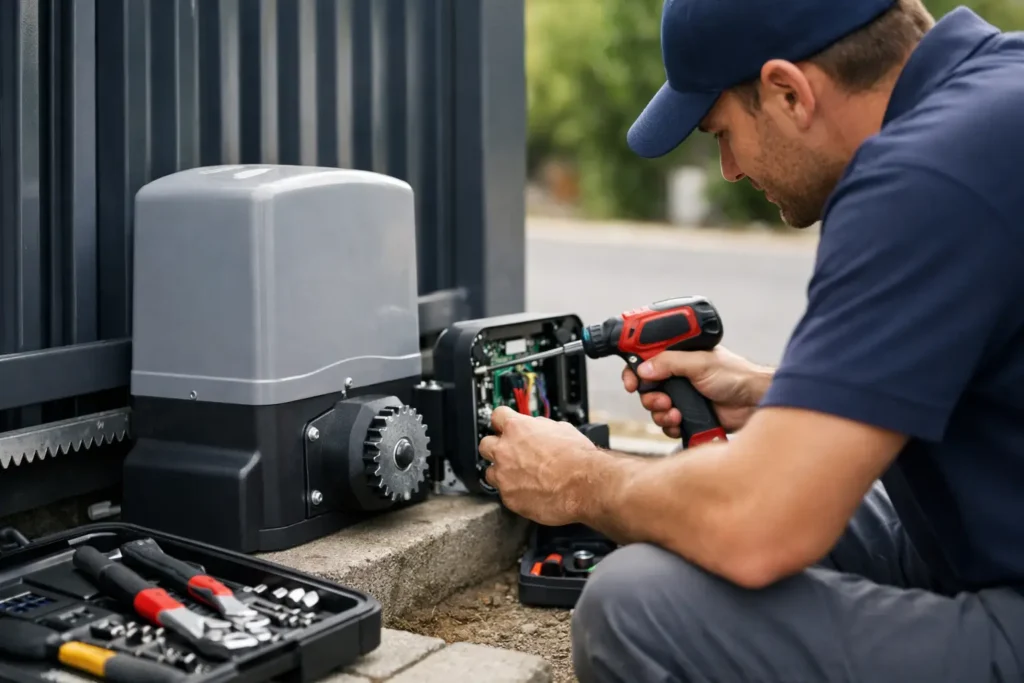
The operator deserves close attention, too. A collision can strain the arm on a swing gate, damage a chain or rack on a slide gate, or pull electrical connections loose. Safety features such as photo eyes, edge sensors, and vehicle loops can also be knocked out of position. When these components do not work as intended, the gate may fail to close, reverse unpredictably, or create a safety hazard.
How Professionals Handle Gate Collision Repair
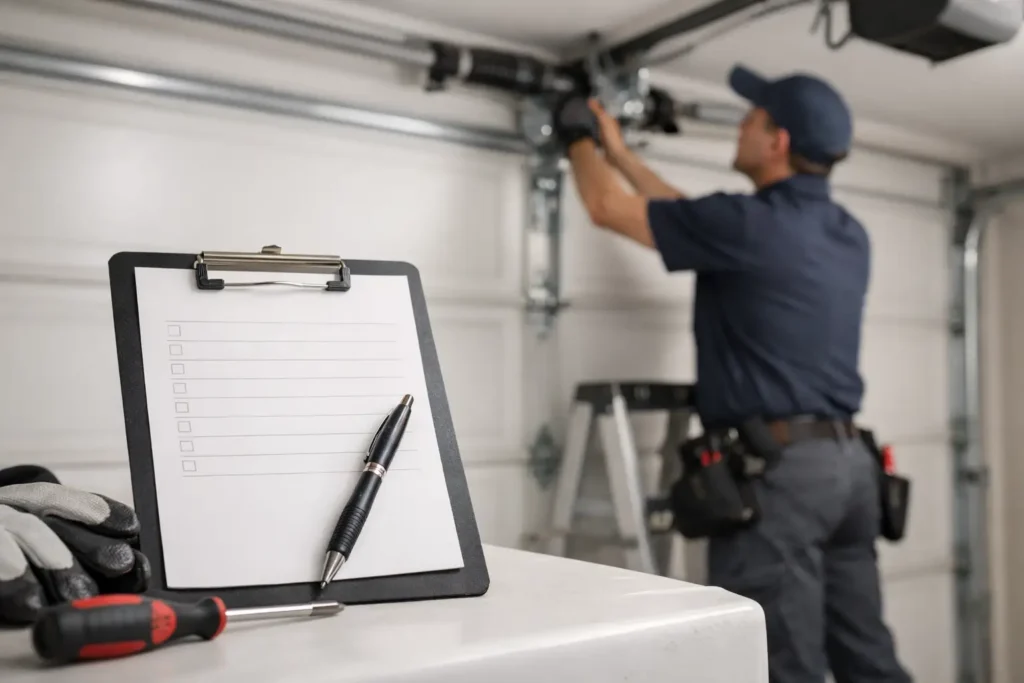
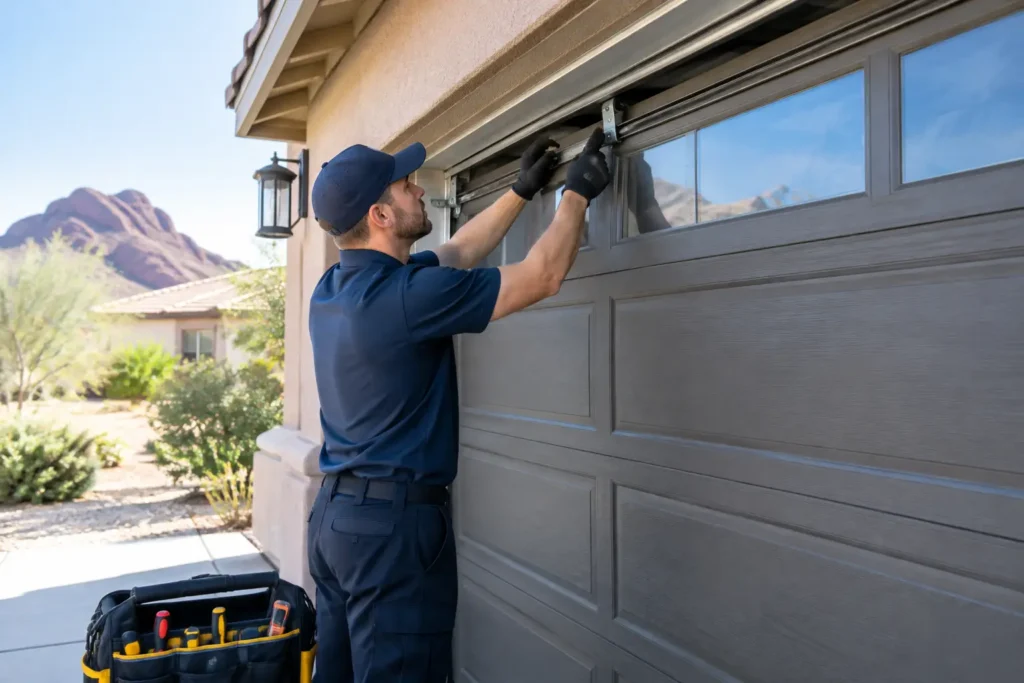
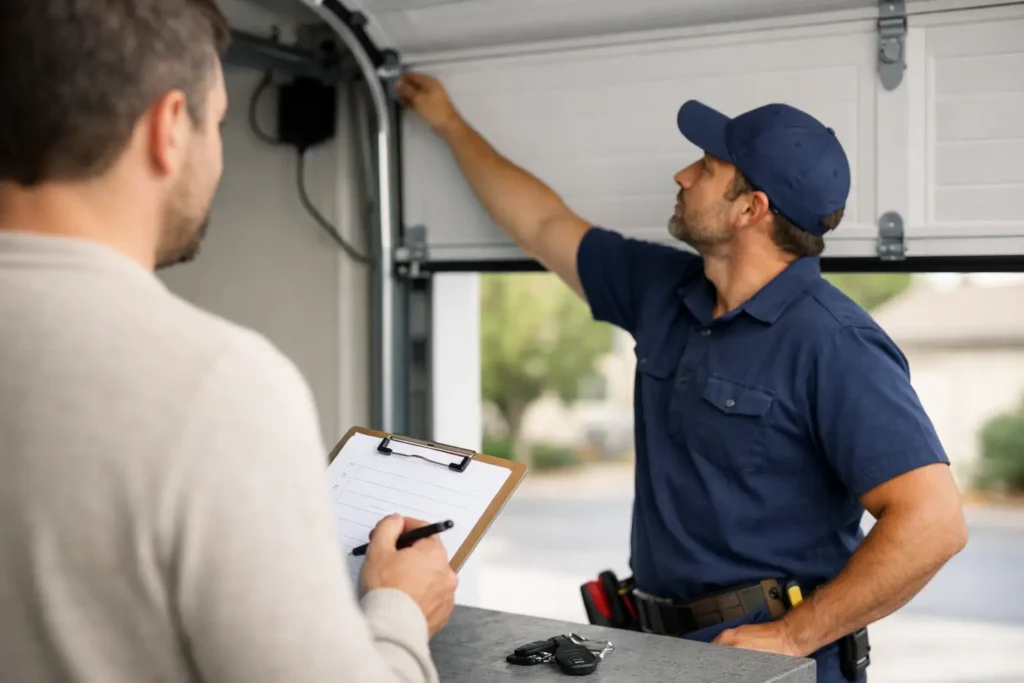
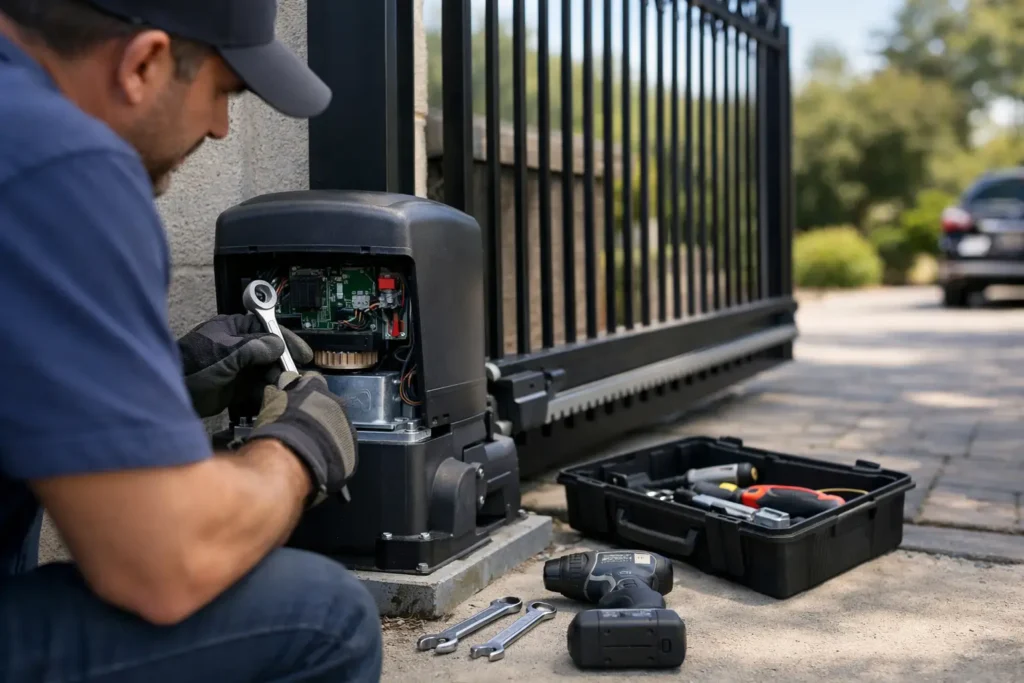
Proper gate collision repair starts with a full inspection, not a quick adjustment. A technician will look at the gate’s movement, frame condition, hinges or rollers, latch points, posts, track, operator, and safety equipment. They should also check whether the impact has affected the gate’s foundation or the surrounding concrete.
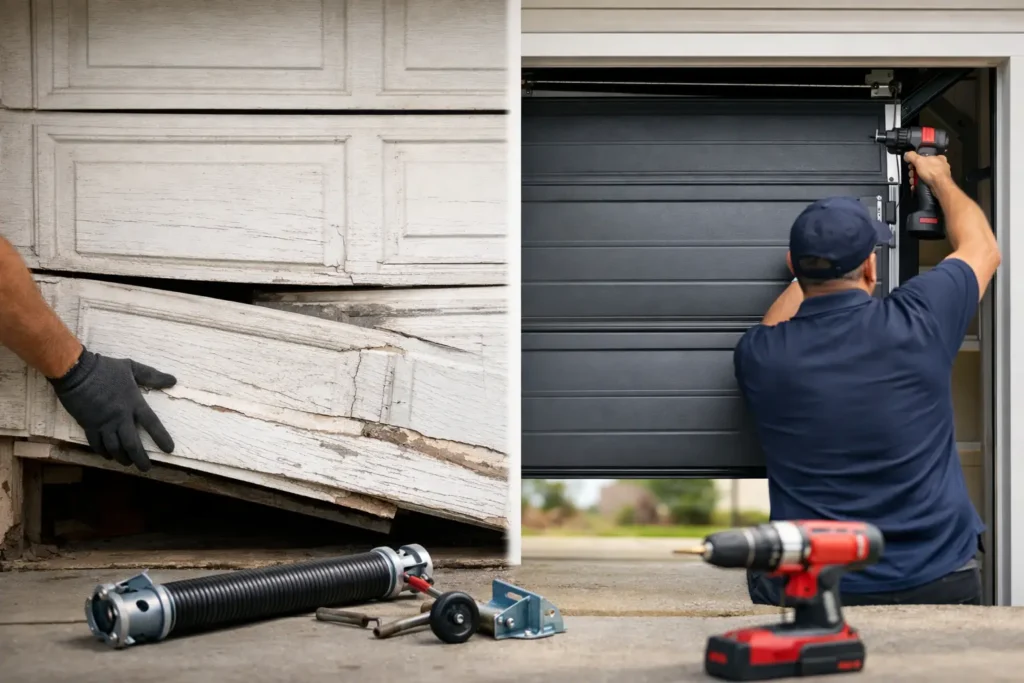
For a swing gate, repair may involve straightening or replacing a damaged section, rewelding cracked joints, resetting hinges, and realigning the operator arm. For a sliding gate, the work may include replacing rollers, repairing the track, straightening the frame, and checking that the gate travels level from open to closed.
Once the physical repairs are made, the automatic system needs to be tested. That means confirming travel limits, checking force settings, verifying that the gate stops and reverses correctly, and making sure photo eyes and other safety devices are aligned. A gate should never be returned to normal use just because it opens once. It needs to operate reliably through repeated cycles.
Repair or replacement: what makes sense?
The right answer depends on the condition of the gate, not just the size of the dent. Repair is often the practical choice when the damage is limited to a replaceable section, roller, hinge, bracket, operator component, or minor frame area. It can be a cost-effective way to restore security and operation without changing the entire entry system.
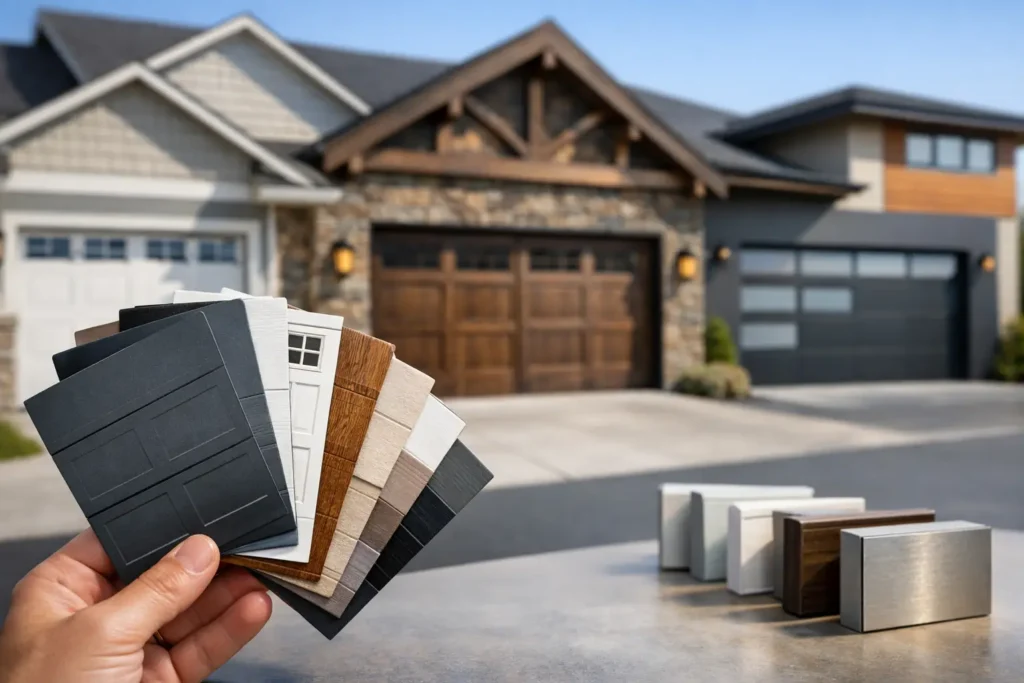
Replacement may be the safer choice when the gate frame is severely twisted, multiple welds have failed, a structural post is compromised, or the gate no longer has a stable path of travel. A gate that has been repaired repeatedly over the years may also be a poor candidate for another major fix. In that situation, investing in a new gate can reduce future service calls and provide better safety, appearance, and reliability.
For commercial properties, the decision may also come down to downtime. A business with delivery traffic, tenants, employees, or controlled access may need the fastest dependable solution. A temporary repair can restore access in some cases, but it should not become a long-term substitute for fixing a compromised gate correctly.
Common Signs You Should Not Wait for Service
Some collision damage needs prompt attention, even if the gate appears mostly intact. Call for help as soon as possible if the gate is leaning, dragging on the ground, off its track, unable to close, or stuck across a driveway. The same applies if you see exposed wires, damaged safety sensors, a bent operator arm, loose posts, or cracked concrete near the gate support.
Pay attention to new sounds as well. Grinding, popping, scraping, or repeated clicking can signal that the gate is binding or that the operator is working harder than it should. Continuing to run the system in that condition can burn out a motor, damage gears, or turn an affordable repair into a larger one.
In Gilbert and across the East Valley, heat adds another reason to handle the repair promptly. Gate operators already work hard during long Arizona summers. A misaligned gate can put extra load on the motor and electrical components when they are least forgiving.
Can You Use a Damaged Gate Manually?
Sometimes, but only when it can be done safely and the operator has been properly disconnected. A gate that looks movable may be under tension, partially off track, or supported by damaged hardware. Forcing it by hand can injure someone or cause the gate to fall farther out of alignment.
If the gate is open and cannot be safely secured, consider temporary property protection while you wait for service. That may mean using another secure entrance, moving vehicles, or arranging a temporary barrier where appropriate. Avoid improvised repairs involving rope, chain, wood blocks, or bungee cords. These can create their own safety problems and make professional repairs more difficult.
How to Prevent Another Gate Impact
Not every collision is preventable, but a few changes can reduce the risk. Clear reflective markers near gate edges and posts can help drivers see the entry at night. Keeping landscaping trimmed improves sightlines. For commercial properties, visible directional signs and adequate turning space can make a major difference for delivery vehicles and trailers.
If impacts happen because drivers misjudge the opening, consider whether the gate is opening wide enough or whether its placement creates a tight turn. A technician can discuss practical upgrades, such as improved access controls, safety devices, gate positioning, or a different gate configuration. The best option depends on available space, traffic patterns, and the type of vehicles using the entrance.
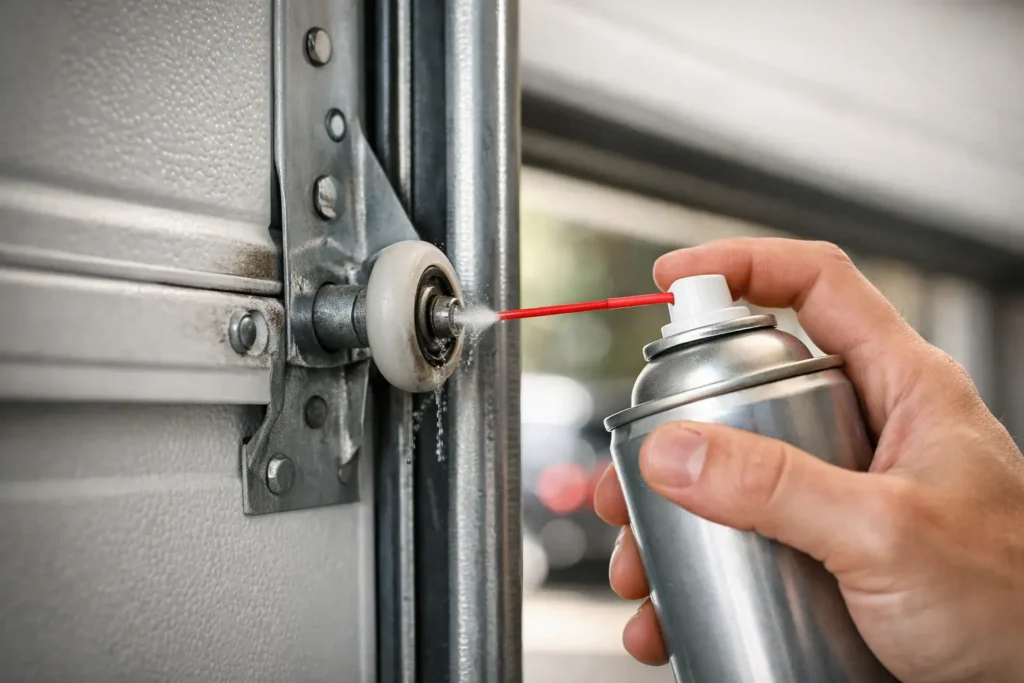
Regular maintenance also helps. Lubricated hinges, level tracks, properly adjusted rollers, and tested safety devices will not stop a vehicle from hitting the gate, but they can make damage easier to identify and reduce the chance of a minor impact causing a complete operational failure.
A damaged gate can leave your home or business exposed when you least expect it. Riggs Rescue AZ can help assess the damage, explain the honest repair and replacement options, and get your entry working safely again without surprises. The right next step is not to force the gate back into place – it is to have the full system checked before the damage gets worse.